Pazo de Tor: A Galician Manor House and Museum
Site at a Glance
- Rating
- 4.7
- Popularity
- High
- Country
- Spain
- Primary era
- Early Modern
- Eras represented
- Early Modern
- Civilizations
- Spanish
- Site type
- Domestic
- Remains
- Manor House
On this page8 sections
History
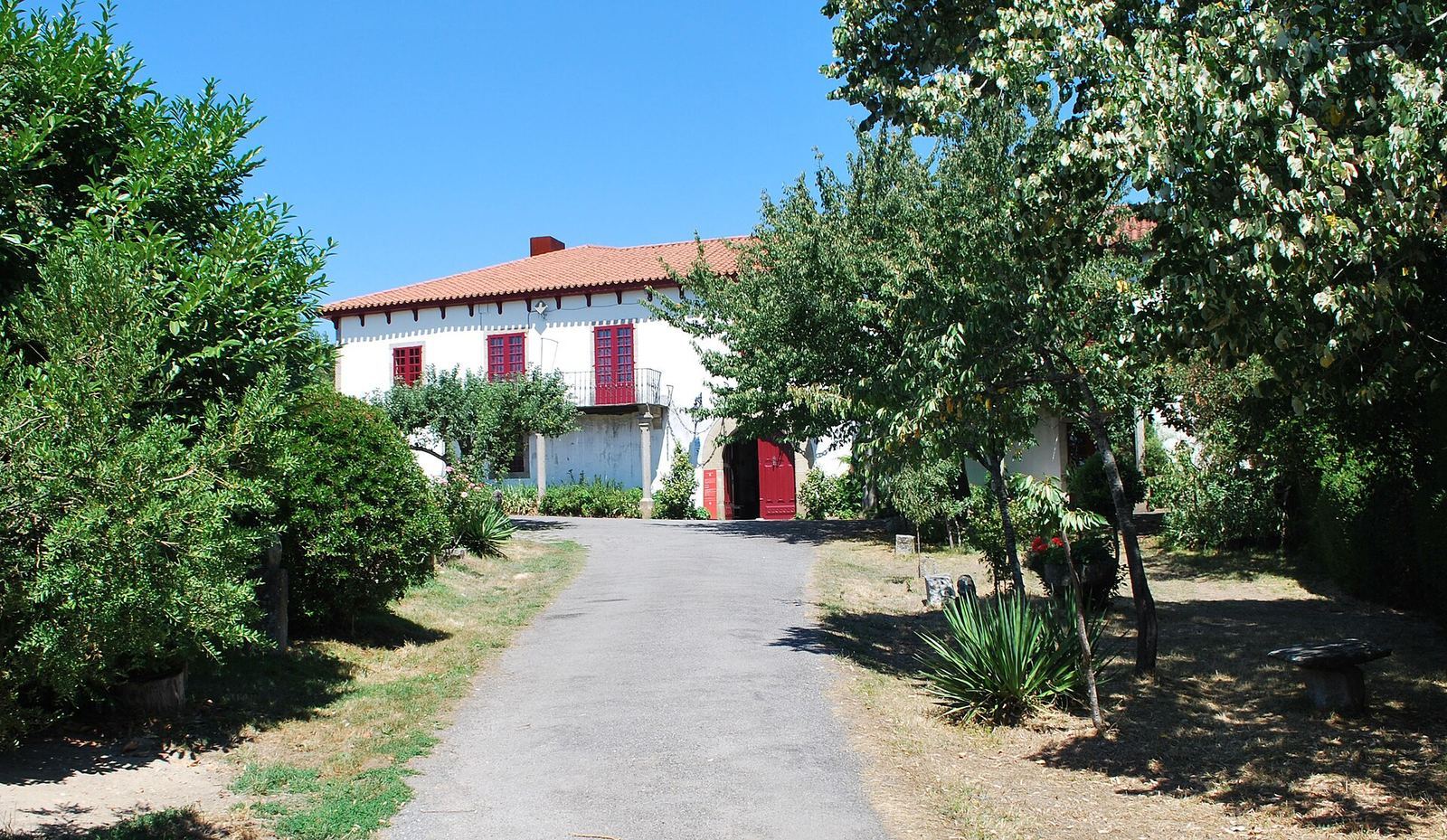
Pazo de Tor is a traditional Galician manor house in Tor, within Monforte de Lemos, Spain. Its present Baroque building, with Neoclassical characteristics, was constructed in the last third of the eighteenth century.
Origins and lineages
The estate’s origins are associated with the Garza de Castrillón lineage in the fourteenth century. Later, it was linked to the Garza, Quiroga, Losada, Sarmiento, and Taboada lineages, among others.
Fire, restoration, and museum
Napoleonic troops burned the house during the Spanish War of Independence, Spain’s early nineteenth-century conflict against French forces under Napoleon. The building was subsequently renovated. It remained with direct descendants of the lineage until María de Lana Paz Taboada de Andrés y Zúñiga donated it to the Lugo Provincial Council.
After adaptation and access works, the house opened as a museum on 13 July 2006. The provincial governing body manages it through the Provincial Museum Network of Lugo.
Remains
Architecture and interiors
Exterior and garden
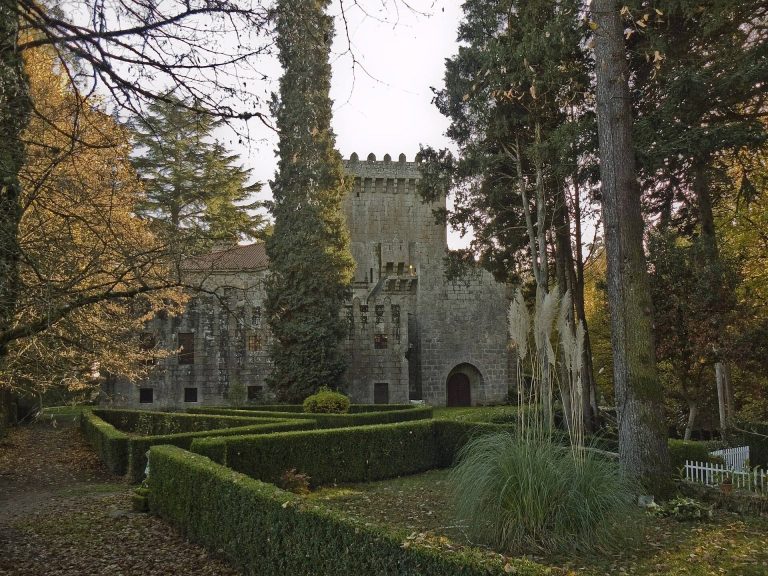
The house stands on a hill above the Lemos valley, and retains some fabric from before its eighteenth-century construction. Its design is restrained and symmetrical, with decorative features concentrated on the façades. A balcony looks onto a Baroque garden labyrinth formed by four winding paths.
Rooms and service spaces
The lower floor contains garages, cellars, stables, granaries, and quarters for servants and caretakers. Above, the residential level includes five reception rooms, adjoining rooms, a study, bathrooms, two dining rooms, and a chapel that rises through two storeys.
Carved arms, books, and maps
Stone-carved coats of arms represent lineages including the Sarmiento, Quiroga de la Puebla, and Valladares. The house also contains a library of nearly 3,000 volumes. In 2011, a street map of Lugo from the mid-eighteenth century and Domingo Fontán’s Geometric Map of Galicia were found there.