Castle in Gródek nad Dunajcem: A Medieval River-Route Stronghold
Site at a Glance
- Popularity
- Medium
- Country
- Poland
- Primary era
- Medieval
- Eras represented
- Medieval
- Civilizations
- Kingdom of Poland
- Site type
- Military
- Remains
- Castle
On this page4 sections
History
Medieval stronghold
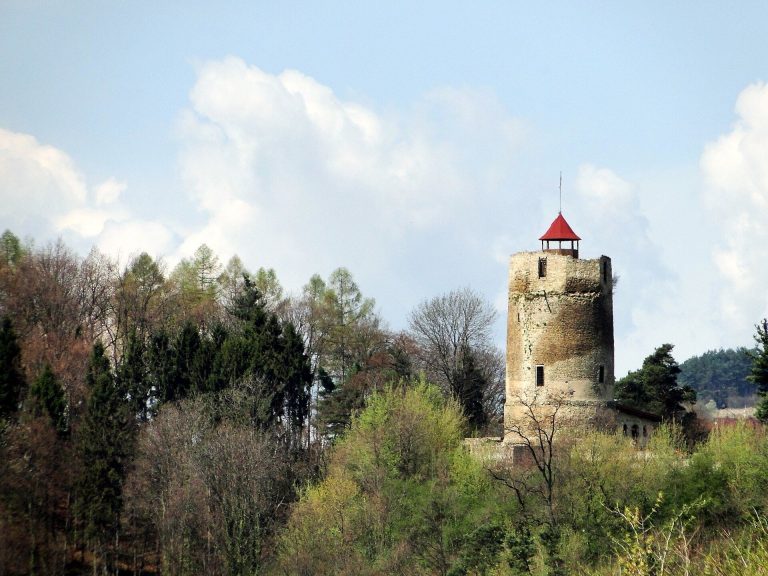
The Castle in Gródek nad Dunajcem was a medieval knight’s castle in Poland, probably built in the first half of the 14th century. It guarded a trade route along the Dunajec and Poprad rivers between the Kingdom of Poland and Upper Hungary, the historical name for the northern part of the Kingdom of Hungary, broadly corresponding to present-day Slovakia.
The castle was probably destroyed around the turn of the 14th and 15th centuries. Its ruins gradually decayed, while local residents took stone from them for reuse. In 1410, Piotr Kurowski and his brother Mikołaj Kurowski, the Archbishop of Gniezno, a senior bishop who led an archdiocese, acquired the Gródek estate. The castle was probably already in ruins at that time.
Later history
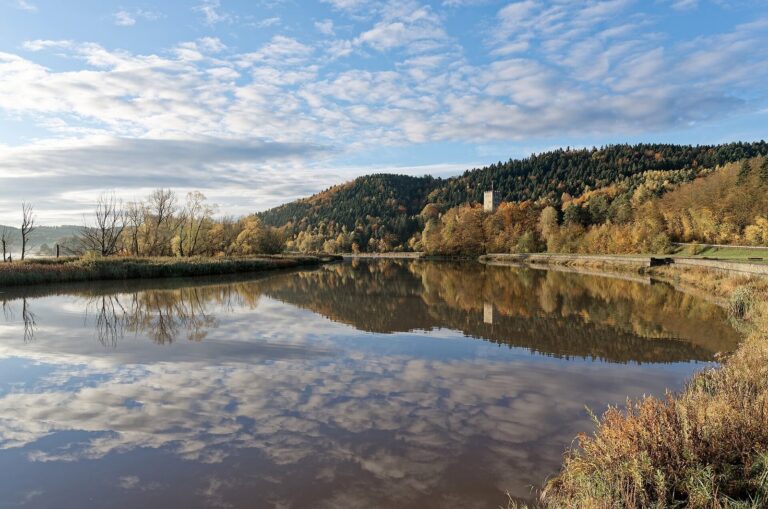
In 1584, Polish writer Bartosz Paprocki, known for works on heraldry and noble families, incorrectly attributed the castle to the Rożen family. Their coat of arms featured a griffin, and they owned Rożnów Castle. The creation of Rożnów Reservoir in 1941 changed the hill’s setting.
Remains
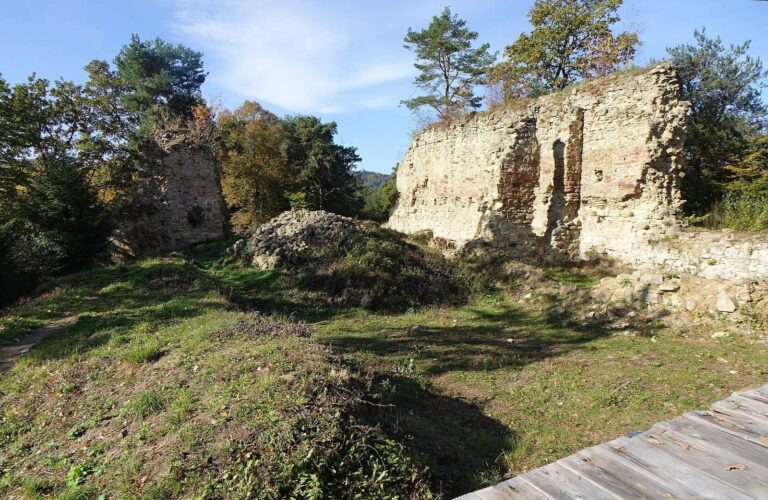
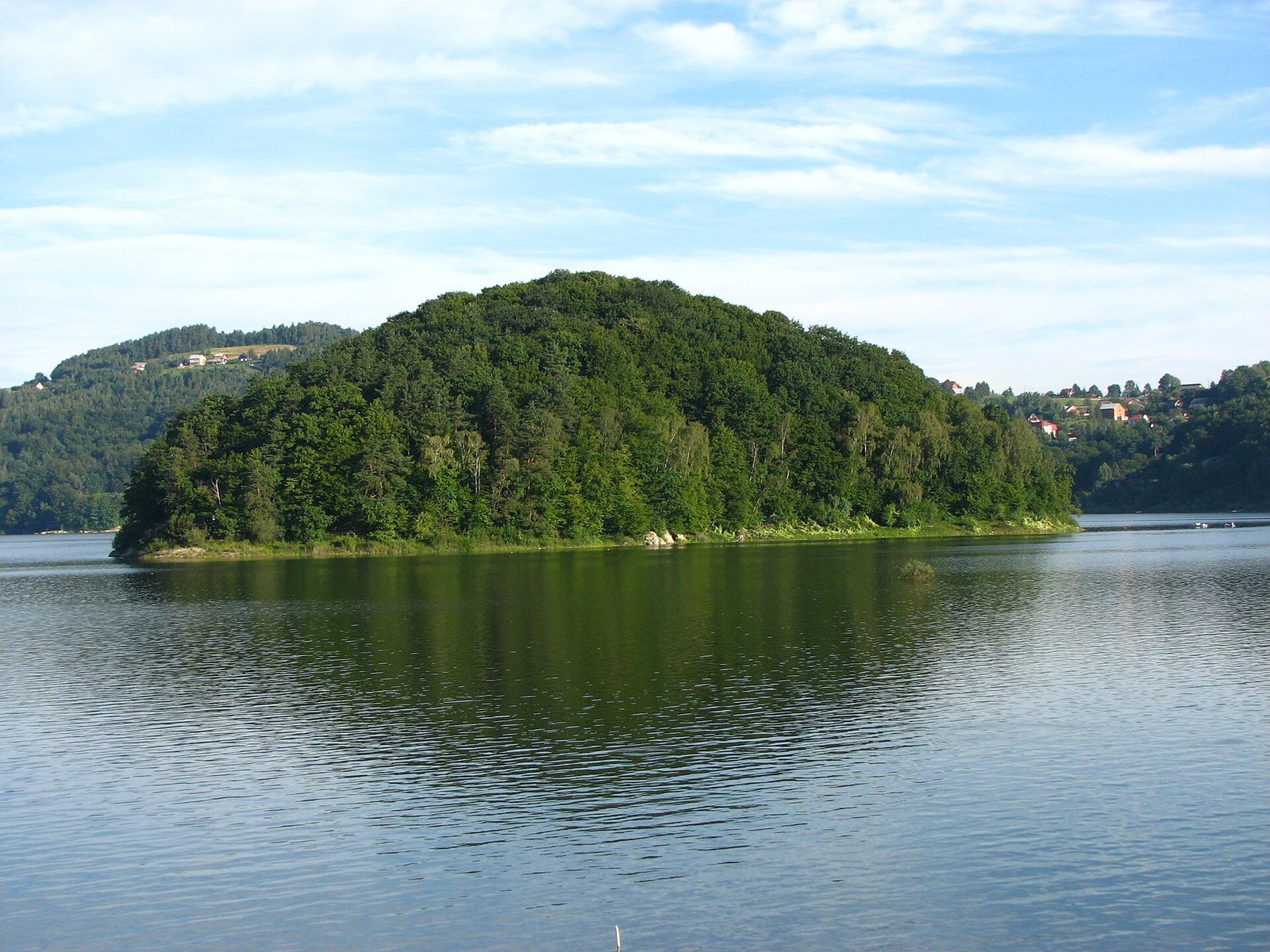
The castle stood on bare rock at the summit of Grodzisko, a mountain in the Rożnów range of the Beskids beside the Dunajec. The site is now on an island in Rożnów Reservoir, officially named Grodzisko Island.
An approach road reached the castle from the east and divided into two branches near its upper end. In the interwar period, a rampart about one metre high could still be seen along the western curve of the lower branch. Small remnants of the castle walls may have remained on the hilltop into the early 20th century; wall remains survive today.