Karlslust Castle: A Hunting-Estate Castle and Administrative Seat in Austria
Site at a Glance
- Popularity
- Medium
- Country
- Austria
- Primary era
- Early Modern
- Eras represented
- Early Modern, Modern
- Civilizations
- Habsburg, Habsburg Austria, Holy Roman Empire
- Site type
- Domestic
- Remains
- Castle
History
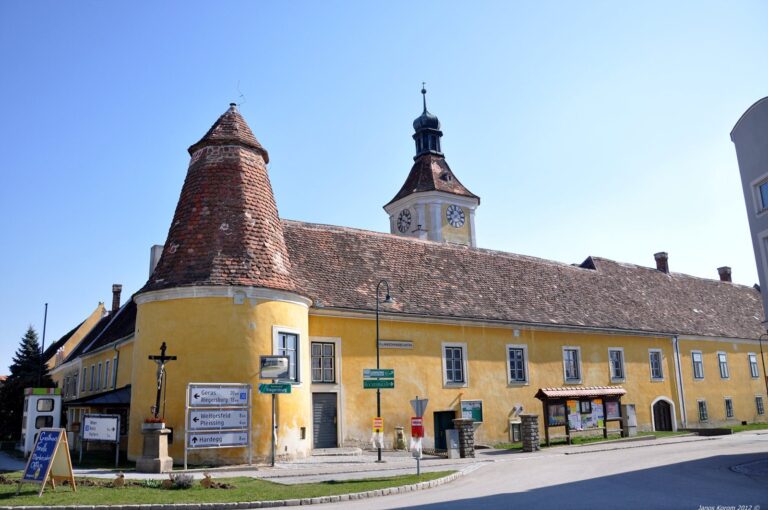
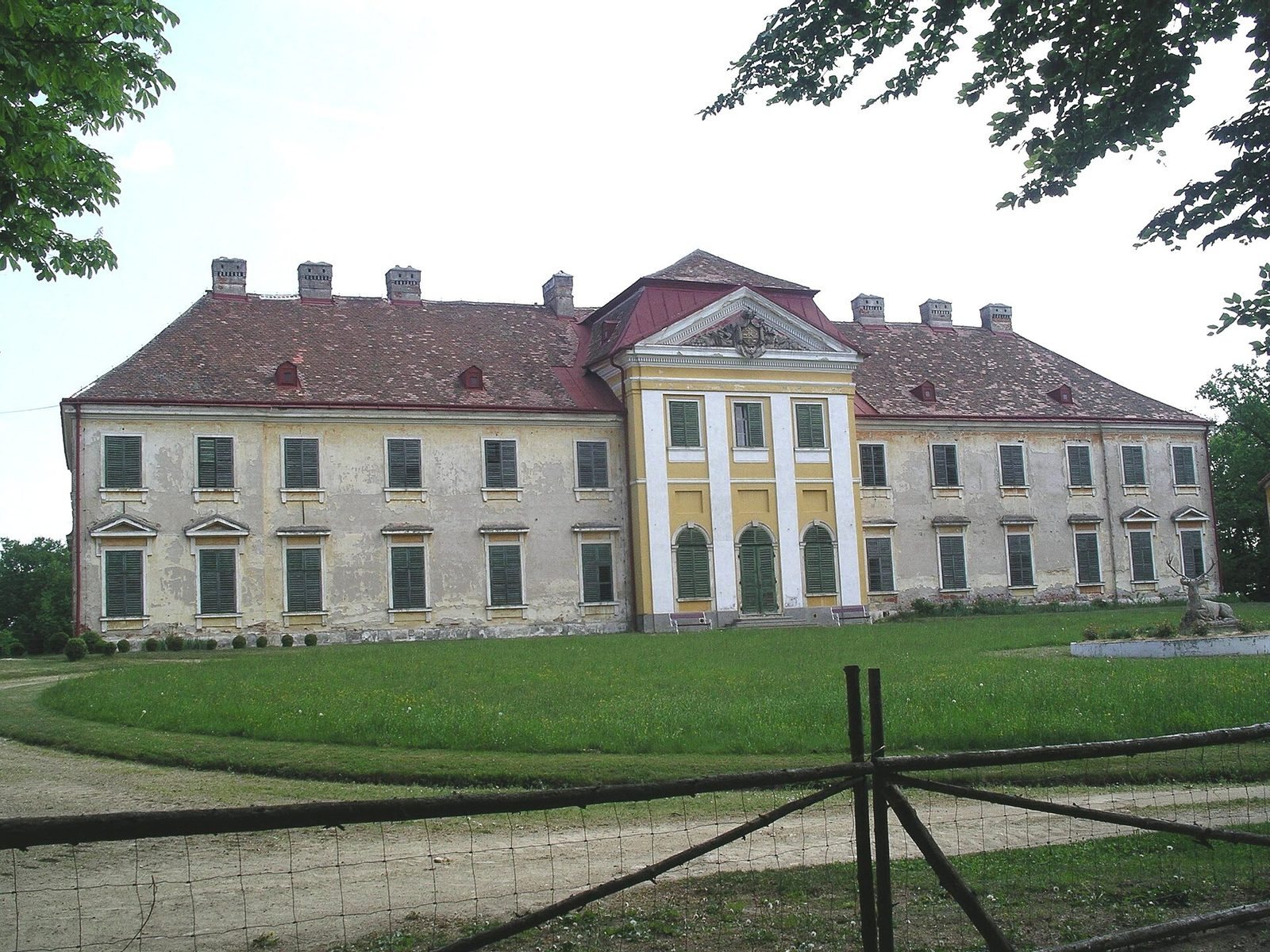
Karlslust Castle stands in woodland in Austria’s Waldviertel region of Lower Austria, near the Czech border. After the Trautson family died out, the lordship of Kaja passed by inheritance to Karl Josef, Prince of Auersperg. Construction began in 1795 in his hunting reserve, directed by the Viennese master builder Franz Xaver Pollnfürst.
Once the castle was complete, a game park was laid out around it in 1798. The interior fittings were finished in 1801. Heinrich Fischer may have served as interior architect; he also worked at the Auersperg city palace in Vienna. Despite its secluded woodland setting, Karlslust became an administrative center: the lordship, a landed estate with local administrative authority, and its archive were transferred here from Niederfladnitz Castle.
After the male line of the Auersperg-Trautson family ended, the lordship passed by inheritance to the dukes of Croÿ and, from 1945, to the counts of Waldstein-Wartenberg. The counts also owned Karlslust Castle and the estate at Niederfladnitz, including Kaja Castle.
Remains
Karlslust Castle stands among woodland, with the game park surrounding it. The surviving description establishes the grounds’ arrangement around the castle, while the building’s architectural style and construction are not detailed here.
The interior includes ornamental plasterwork by the stucco artist Johann Georg Böhm.