Weihenstephan Abbey: A Monastery and Brewery in Germany
Site at a Glance
- Popularity
- Very High
- Country
- Germany
- Primary era
- Early Modern
- Eras represented
- Early Modern, Modern
- Civilizations
- Electorate of Bavaria, German, Holy Roman Empire
- Site type
- Religious
- Remains
- Monastery
On this page13 sections
History
Weihenstephan Abbey was a monastery on Weihenstephan Hill in Germany, founded around 830 by Bishop Hitto of Freising. A church probably stood there before Korbinian arrived in Freising around 720. A monks’ dormitory adjoined the early church but ceased to figure in the site’s history after the late eighth century. A document from 768 notes a hop garden in the area paying a tithe to the monastery. The church’s dedication changed from St Vitus to St Stephen and St Michael.
Foundation and medieval development
Weihenstephan housed secular canons, clergy serving a church as a community rather than belonging to a monastic order, until about 1020. Bishop Egilbert of Freising transferred them to the abandoned monastery of St Vitus, founded around 833 halfway up the hill, and installed Benedictine monks from St Castulus Abbey at Moosburg. Benedictines follow the Rule of Saint Benedict. Gerhard von Seeon was the first abbot, serving from 1021 to 1022.
Freising licensed a brewery at Weihenstephan in 1040. The brewery has a credible claim to being the world’s oldest still operating, while Weltenburg Abbey also claims that distinction for its brewery, which dates to 1050. From 1080, Bernard I of Scheyern and then the counts of Scheyern, the later Wittelsbach dynasty, held the abbey’s secular bailiwick, a form of lay guardianship. From 1255, the Bavarian dukes at Landshut held that authority, placing the abbey under Bavarian sovereignty and outside the Bishop of Freising’s jurisdiction.
The monastery flourished culturally in the late twelfth century and enjoyed another period of prosperity in the fifteenth. Fires and the 1336 plundering by Louis the Bavarian contributed to a long decline. Louis attacked after the Benedictines supported the Avignon papacy, the period when the papal court was based in Avignon rather than Rome. From 1418, the community followed the Kastl reform, a monastic reform movement. In 1430, Abbot Eberhard II received the right to use ceremonial insignia associated with a bishop.
Rebuilding and dissolution
All the monastery buildings except the abbey church were rebuilt between 1674 and 1705. The church interior was modernized after 1750. By about 1802, the abbey was close to bankruptcy. Bavaria’s secularization, the state’s dissolution of religious institutions and transfer of their property, brought its end in 1803. Most of the 24 monks took vacant priestly posts. The monastery’s territorial estate at Vötting, where the lord held local jurisdiction, was also dissolved, and the brewery became state property.
After the abbey church had become a parish church, it was demolished in 1810. St James’s parish church on the hill and the former Korbinian Chapel were demolished in 1803.
Schools and the brewery after 1803
The former monastery’s buildings, stables, fields, and forests were sold or assigned to a forestry school moved from Munich in autumn 1803 and to a newly established model farm. Max Schönleutner managed the former monastic estate and taught at the forestry and agricultural school. Both schools closed in 1807 after many students and teachers joined Bavaria’s campaign against Prussia and Russia. Bavaria was allied with Napoleon, and only a few of those who left returned.
The agricultural school returned to Weihenstephan in 1852 and became an Academy of Agriculture in 1895. It formed the nucleus of institutions now associated with the Technical University of Munich and Weihenstephan-Triesdorf University of Applied Sciences. Since 1921, the brewery has operated as the Bavarian State Brewery Weihenstephan. It continues to function as a brewery and teaching center in conjunction with the Technical University of Munich.
Remains
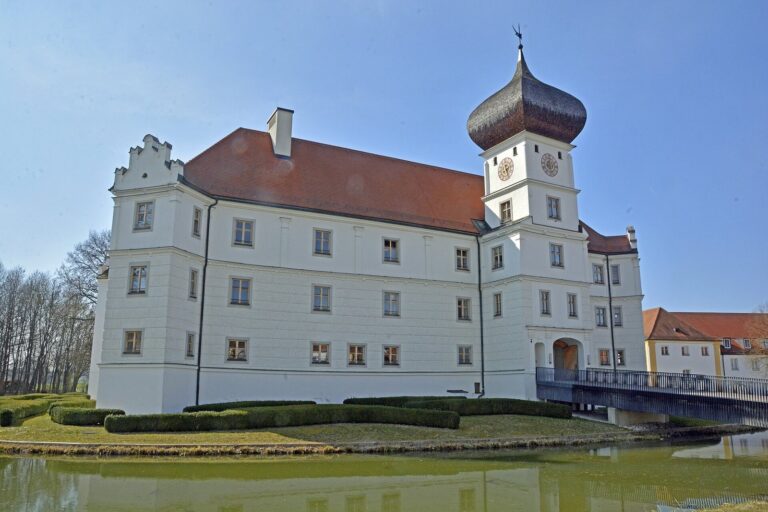
The surviving site includes portions of the former monastery complex, the court garden on the grounds of its eastern and southeastern sections, and remains associated with the abbey church and chapels. Its architectural features range from the stuccoed monastery ballroom to the Gothic church altar and a garden house with a Baroque-style facade.
Monastery buildings and garden
Surviving ranges
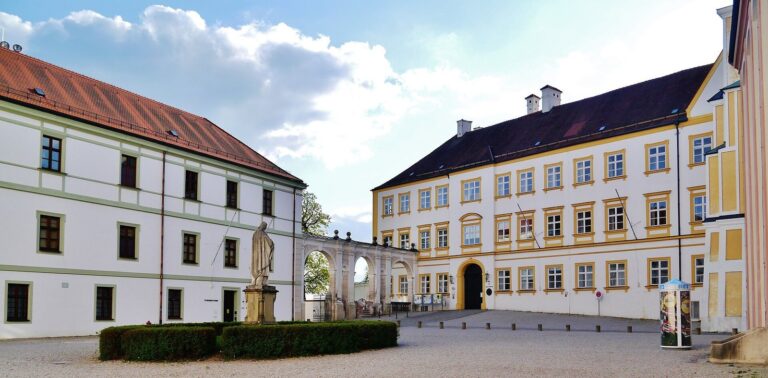
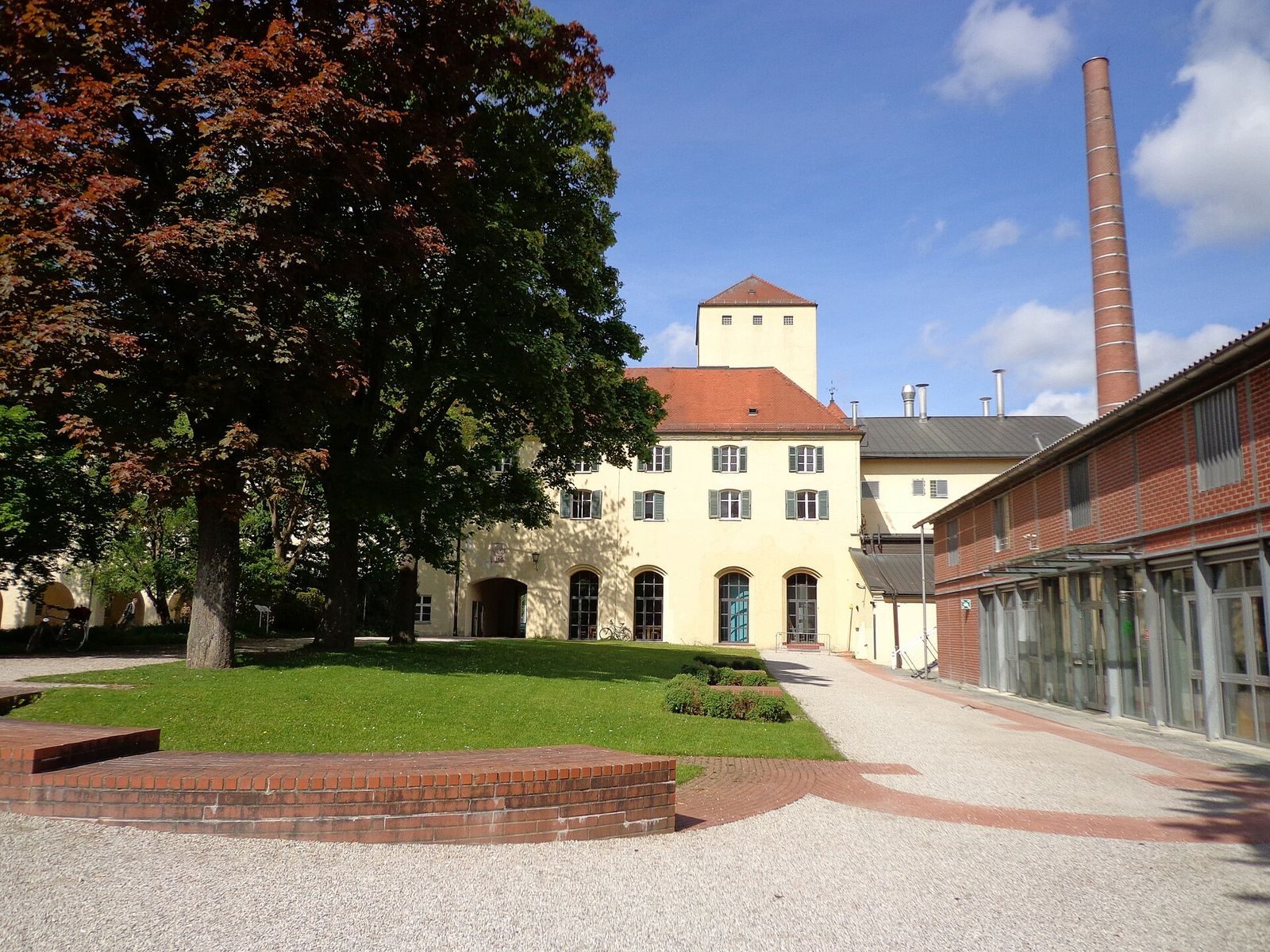
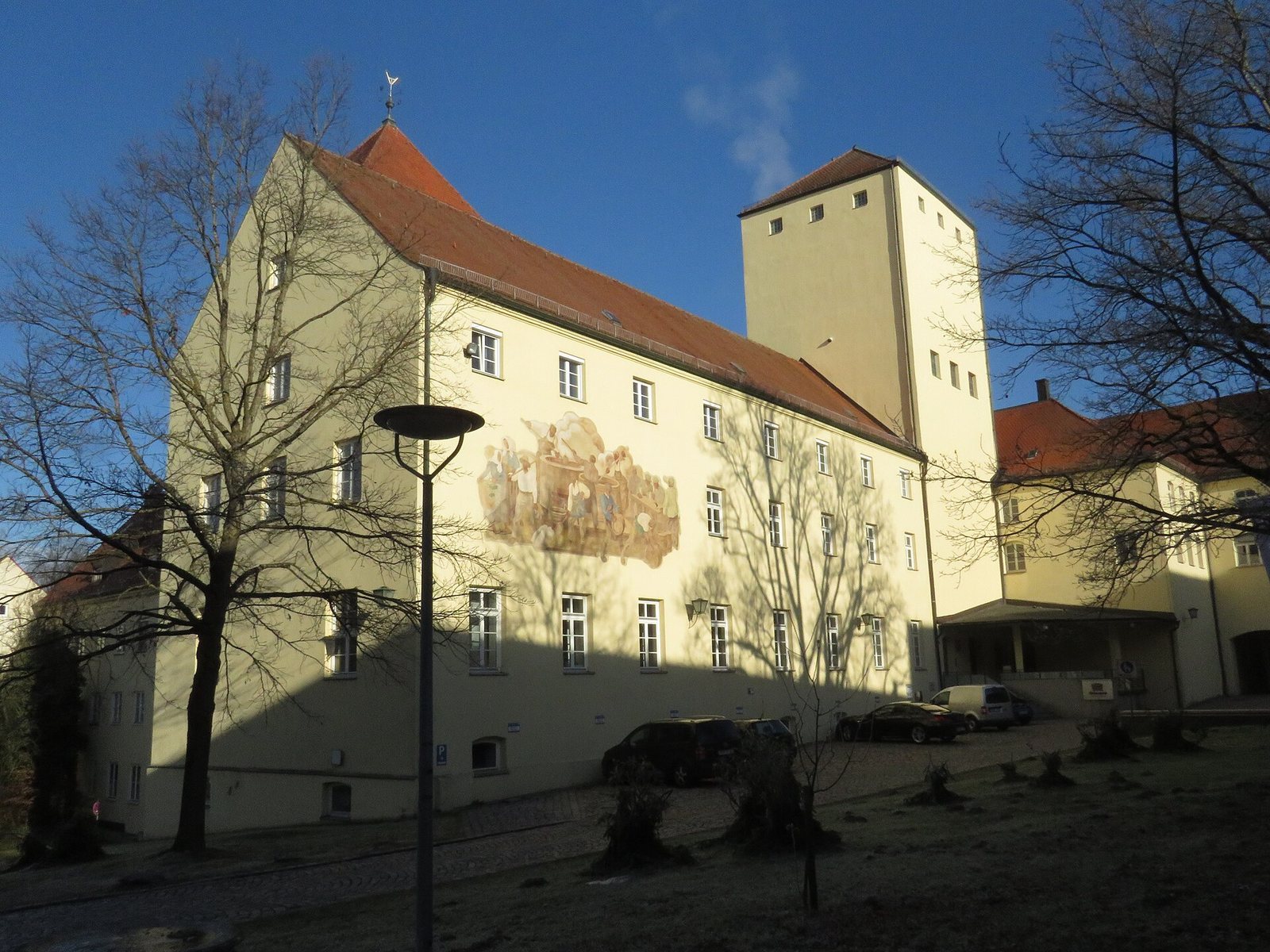
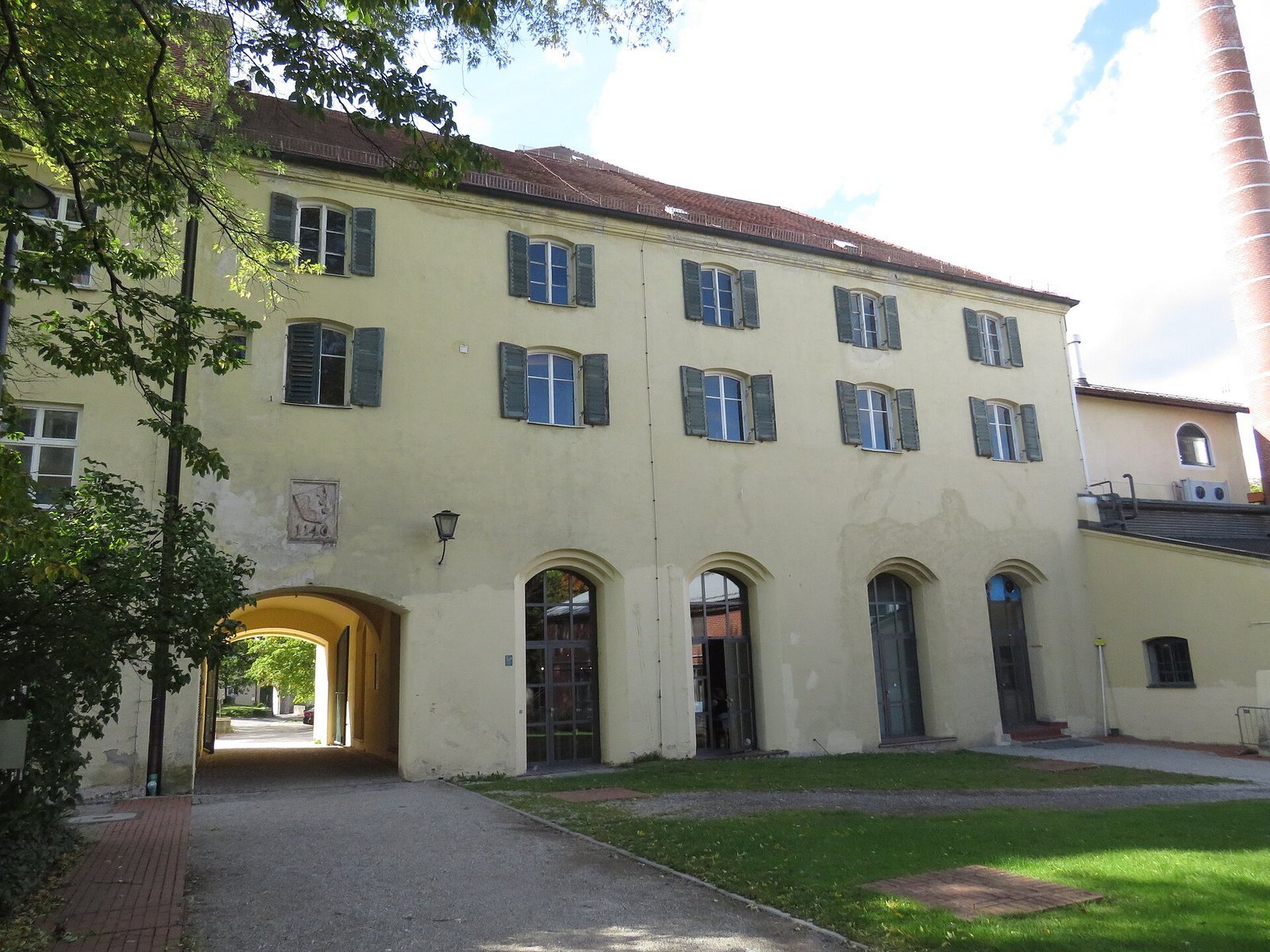
The western wing, part of the southwestern monastery buildings, and a section of the western service buildings survive. The Technical University of Munich uses these buildings. The grounds of the former eastern and southeastern sections are now part of the court garden.
Ballroom
The monastery’s ballroom occupies the southwestern wing. Nikolaus Liechtenfurtner created its stucco decoration, ornamental work in plaster, between 1705 and 1710.
Garden house
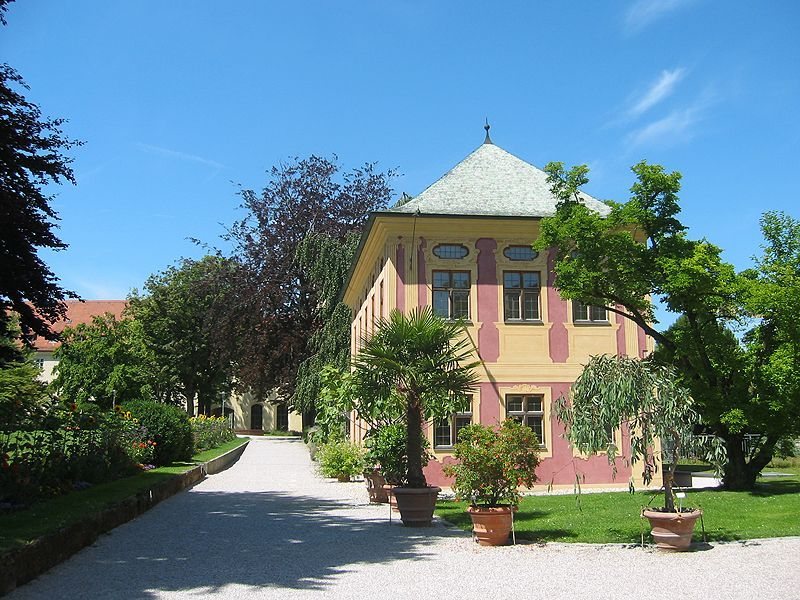
The garden house known as the Salettl survives in the court garden. Its reconstructed facade gives it a Baroque appearance.
Church and chapel remains
Abbey church
Reconstructed wall lines in the court garden make the former abbey church’s ground plan recognizable. A Gothic high altar by Jan Polack also survives from the church.
Magdalene Chapel
The eighteenth-century Magdalene Chapel survives northwest of the former abbey church.
Korbinian Chapel
Ruins of the former Korbinian Chapel lie on the hillside south of the court garden.