Ellesmere Castle: A Medieval Motte-and-Bailey Fortress
Site at a Glance
- Popularity
- Medium
- Country
- United Kingdom
- Primary era
- Medieval
- Eras represented
- Medieval
- Civilizations
- Norman
- Site type
- Military
- Remains
- Castle
On this page4 sections
History
Ellesmere Castle was a motte-and-bailey castle on a hill east of Ellesmere in the United Kingdom. It was probably founded soon after the Norman Conquest of 1066 by Roger de Montgomerie, a Norman magnate and Earl of Shrewsbury. A motte-and-bailey castle has a raised mound and an enclosed area.
Royal grants and changing control
King Henry I granted the castle to the Peverel family. King Henry II later reclaimed it and, around 1177, gave it to Dafydd ab Owain Gwynedd, prince of the Welsh kingdom of Gwynedd. Control then shifted between the English and Welsh crowns until the 1240s, when the castle passed to the Le Strange family, whose origins were in Knockin, Shropshire.
Destruction during the English Civil War
The castle was destroyed during the English Civil War, a mid-seventeenth-century conflict between Royalist and Parliamentarian forces in England.
Remains
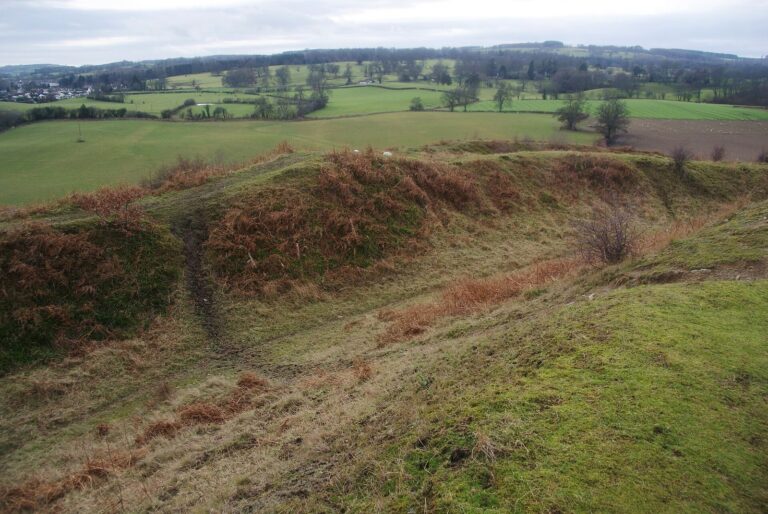
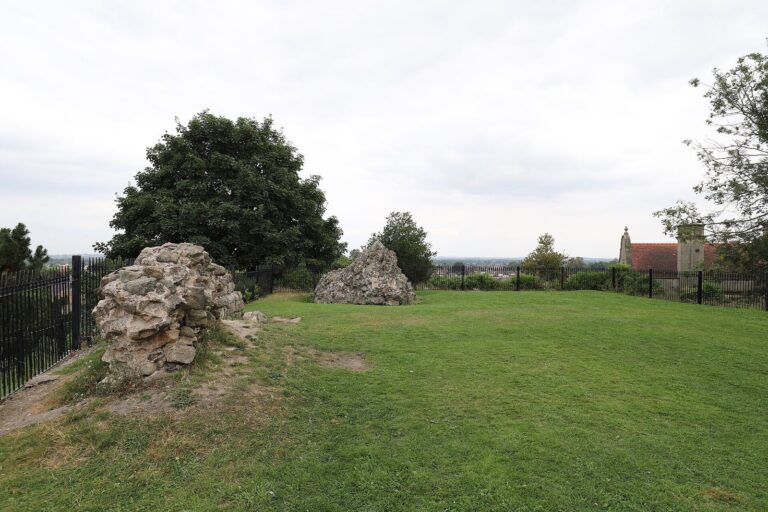
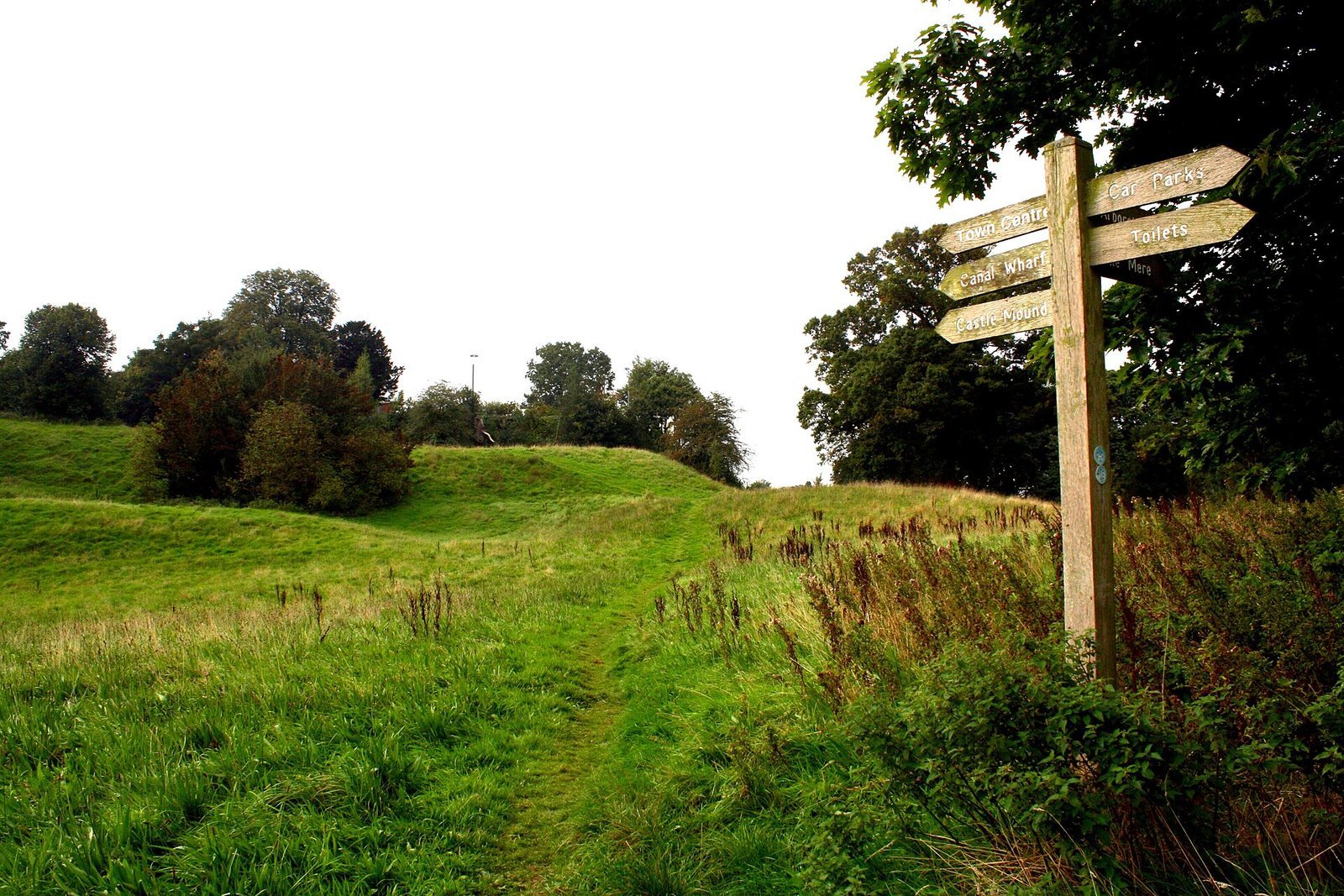
The castle occupied a prominent hill east of Ellesmere, overlooking the Mere. Its motte, the raised mound within a motte-and-bailey layout, has a bowling green on its summit, while trees cover its sides.