Fort Leopold: A Nineteenth-Century Defensive Fort near Diest
Site at a Glance
- Popularity
- Medium
- Country
- Belgium
- Primary era
- Modern
- Eras represented
- Modern
- Civilizations
- Belgian
- Site type
- Military
- Remains
- Fort
On this page4 sections
History
Construction and defensive role
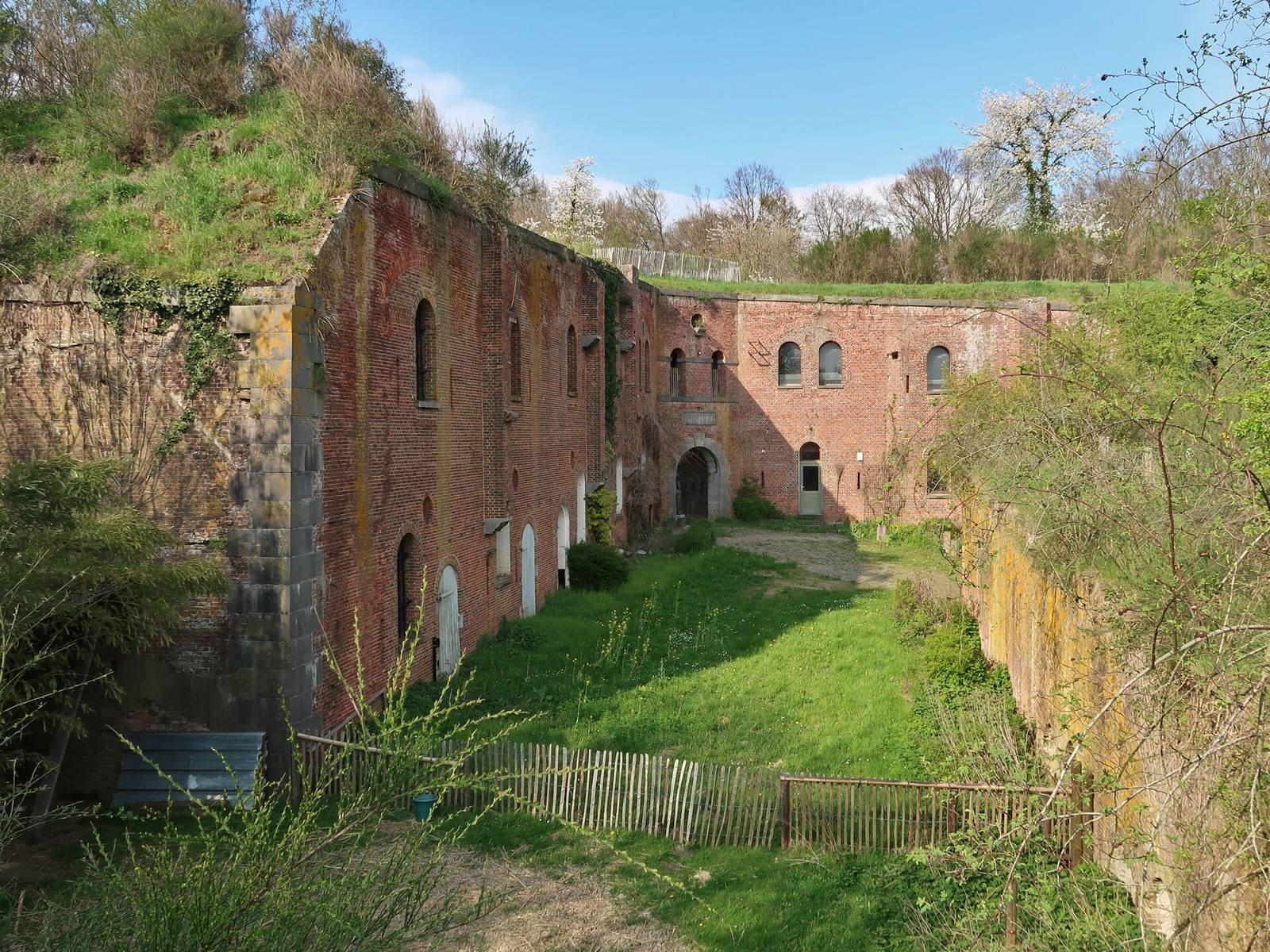
Fort Leopold is a nineteenth-century fort in Molenstede, just north of Diest, Belgium. Built in 1845 after Belgium separated from Dutch rule, it formed part of Diest’s defensive works, reflecting the city’s earlier importance as a fortified town. Positioned ahead of the main fortress’s northern side, the fort was intended to shield the city from bombardment from Lazarijberg and defend its northern front against attack.
Military decline and later use
By around 1900, the fort’s military importance had declined. German occupying forces used it during both World Wars. After 1944, it remained for many years within grounds associated with the Belgian Army’s airborne troops at Schaffen. It later became the property of Natuurpunt, a Flemish nature-conservation organization.
Remains
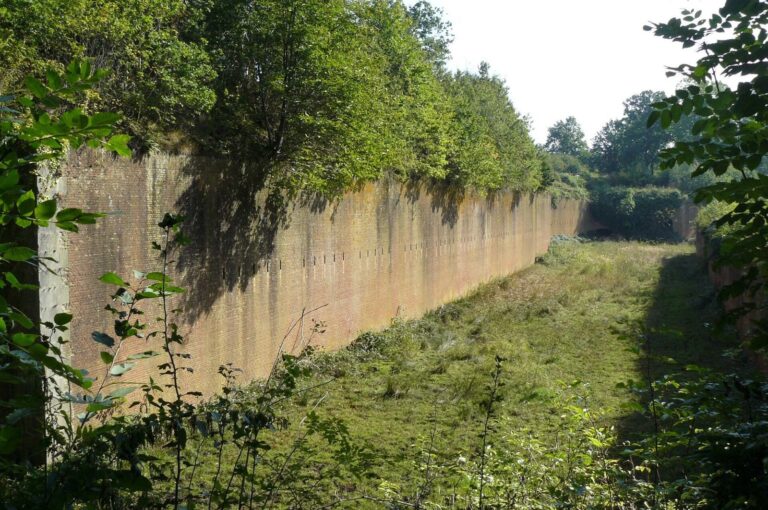
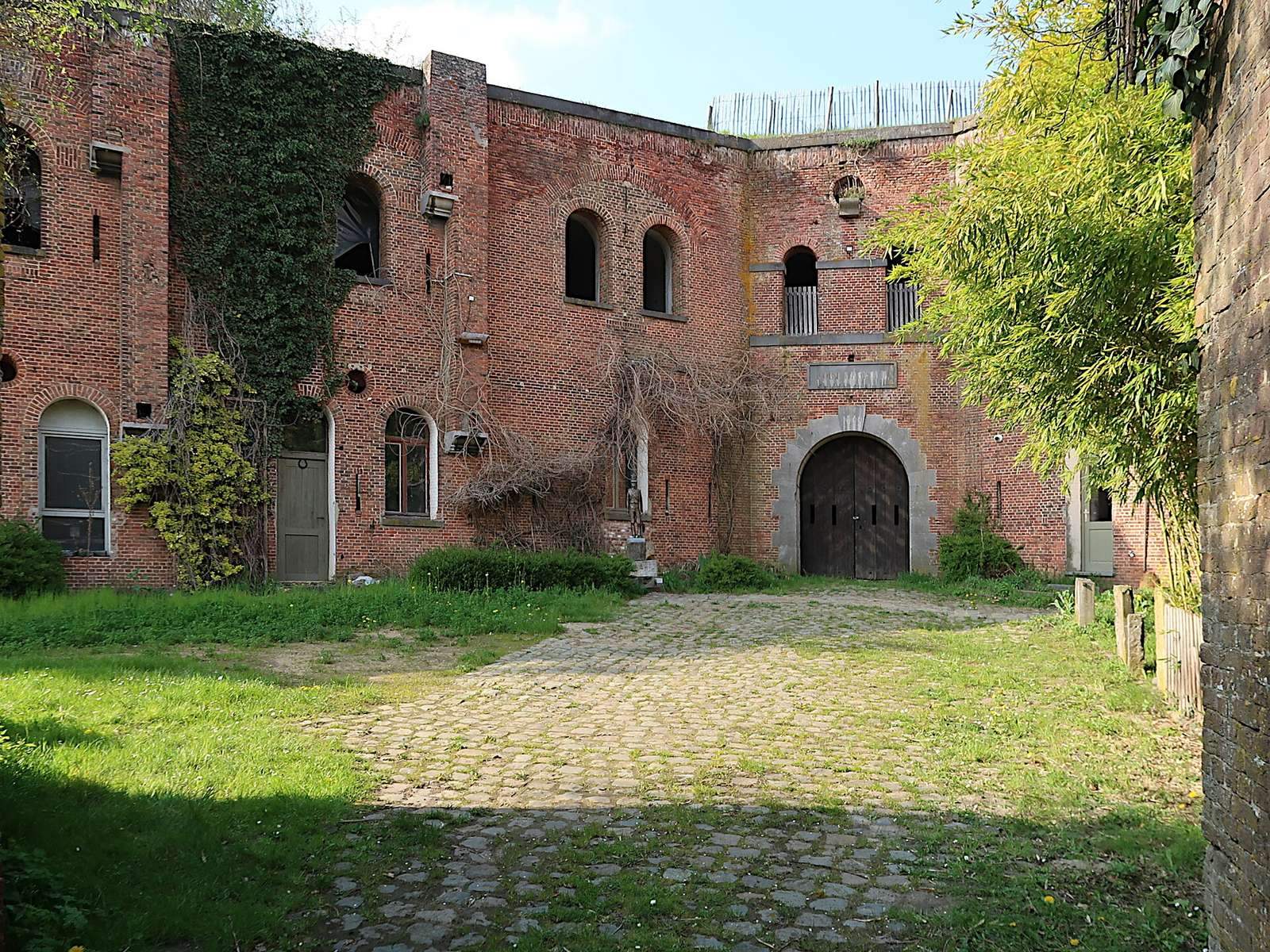
Set on the southern flank of Lazarijberg, between the roads to Turnhout and Beringen, Fort Leopold has a concentric layout. Earthen cover and ramparts once made it almost invisible from ground level. At the center is a redoubt, a fortified strongpoint, measuring 26 metres across. A dry inner moat, five metres wide, separates it from the main rampart, which curves around roughly three-quarters of the fort and extends about 120 metres; it could hold 24 guns. On the rear side facing Diest, two buildings meet at right angles and housed guns aimed at an advancing enemy. An outer moat, 11.5 metres wide, surrounds the fort, and the garrison could bring both moats under fire.