Sainte-Marie du Rivet Abbey: A Benedictine and Cistercian Monastery in France
Site at a Glance
- Rating
- 4.9
- Popularity
- Medium
- Country
- France
- Primary era
- Medieval
- Eras represented
- Medieval, Modern
- Civilizations
- Duchy of Aquitaine, English, French
- Site type
- Religious
- Remains
- Monastery
On this page5 sections
History
Benedictine foundation and Cistercian affiliation
Sainte-Marie du Rivet Abbey is a Cistercian abbey in Auros, Gironde, France. Founded in the ninth century as a Benedictine monastery, whose monks followed the Rule of Saint Benedict, it was dedicated to Saint Mary.
In 1189 the abbey joined the Cistercian monastic order as a dependent house of Pontaut, within Pontigny’s chain of institutional affiliations. Among its properties was the mill of Repassat. For church administration, it was affiliated with the Archdiocese of Bordeaux. A papal decree by Urban IV detached it from the Bishopric of Bazas and placed it under papal protection.
Wars and later administration
The abbey was plundered during the religious wars in 1572 and again in 1593. The second attack partly burned the monastery.
In 1702 the abbey was placed in commendam, a system in which an outside holder received responsibility for its revenues or administration instead of the resident community. Its abbot in 1779 was Claude-Benjamin Leclerc de Buffon, younger brother of the French naturalist Georges-Louis Leclerc de Buffon.
Revolution and renewed community
During the French Revolution, the monks were expelled and the abbey was declared national property. It was sold on 30 March 1791. In 1885 the Tamize family acquired the buildings and began restoring them. Louise Ripas, the family’s governess, started a grotto modeled on the one at Lourdes after recovering there.
The abbey church received French historic-monument protection in 1926. Cistercian nuns from Blagnac had sought a new home since 1936, when construction of Toulouse airport required them to leave. They settled at Rivet in 1938. The grotto helped persuade their abbess to choose the site; a former Blagnac nun was a cousin of Bernadette Soubirous, associated with the reported Marian apparitions at Lourdes. The community at Rivet is Trappistine, part of the Cistercians of the Strict Observance.
Remains
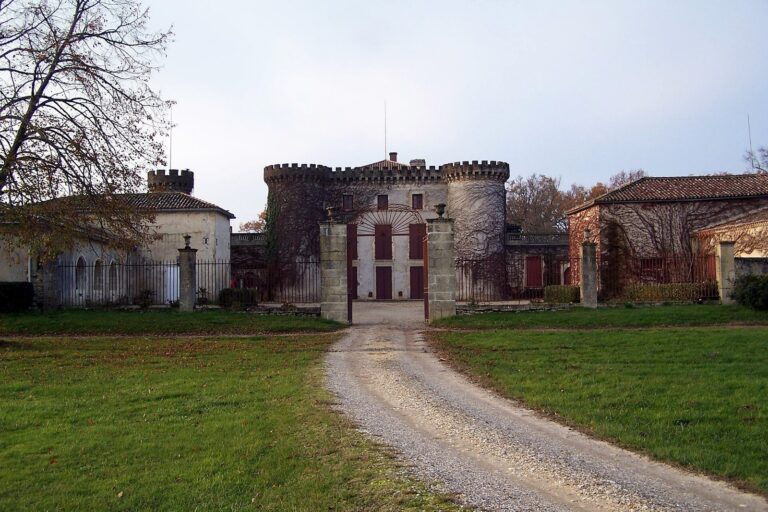
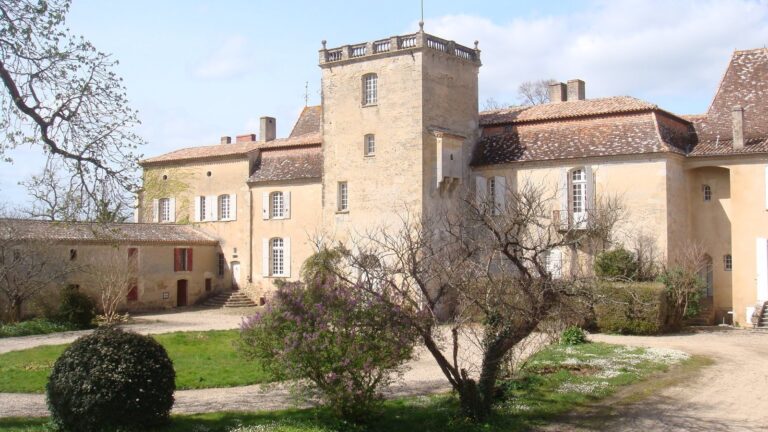
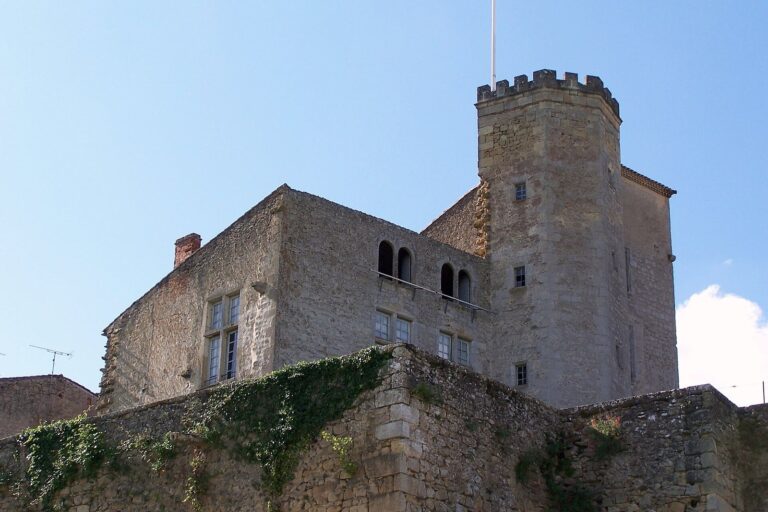
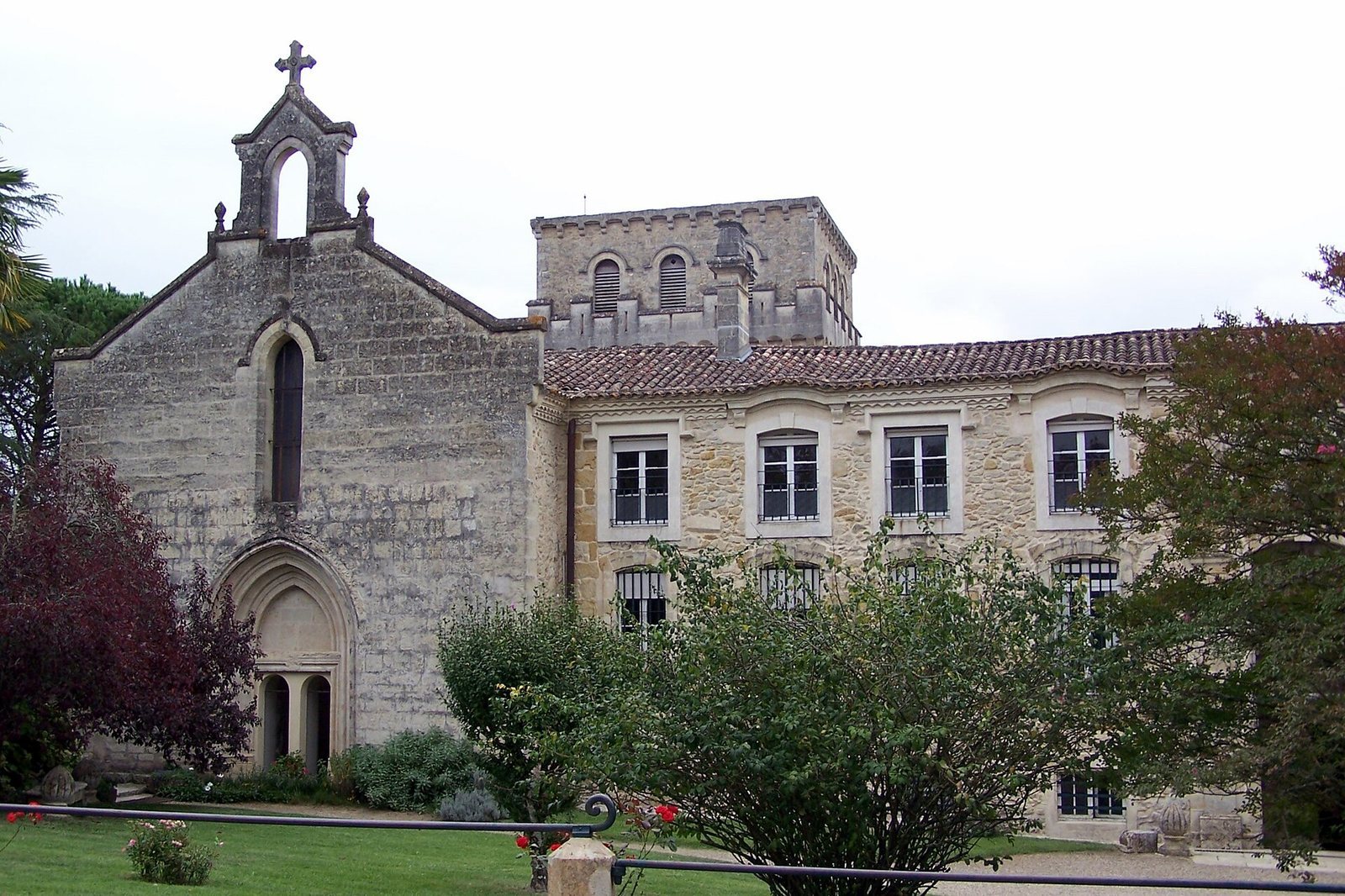
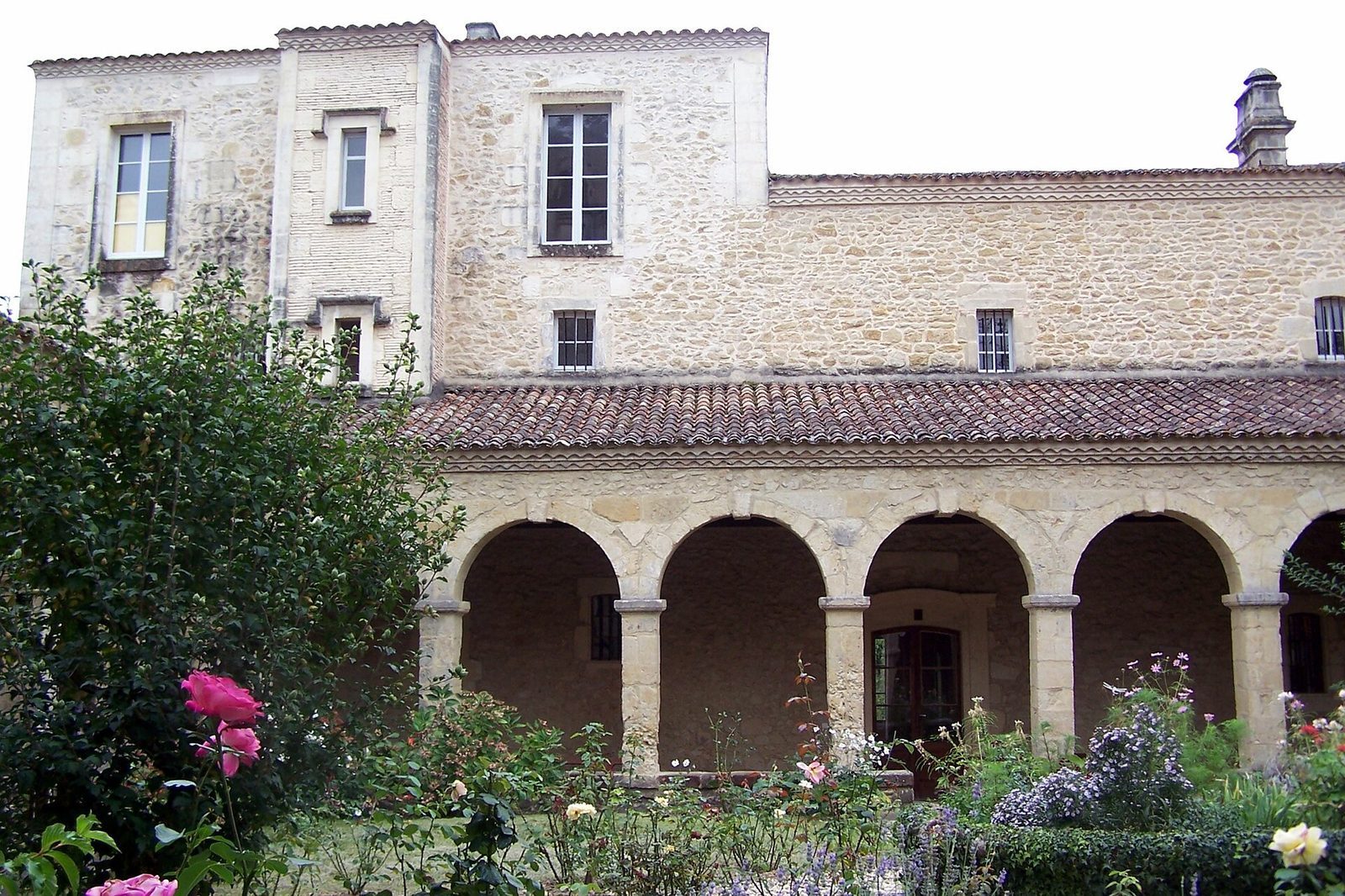
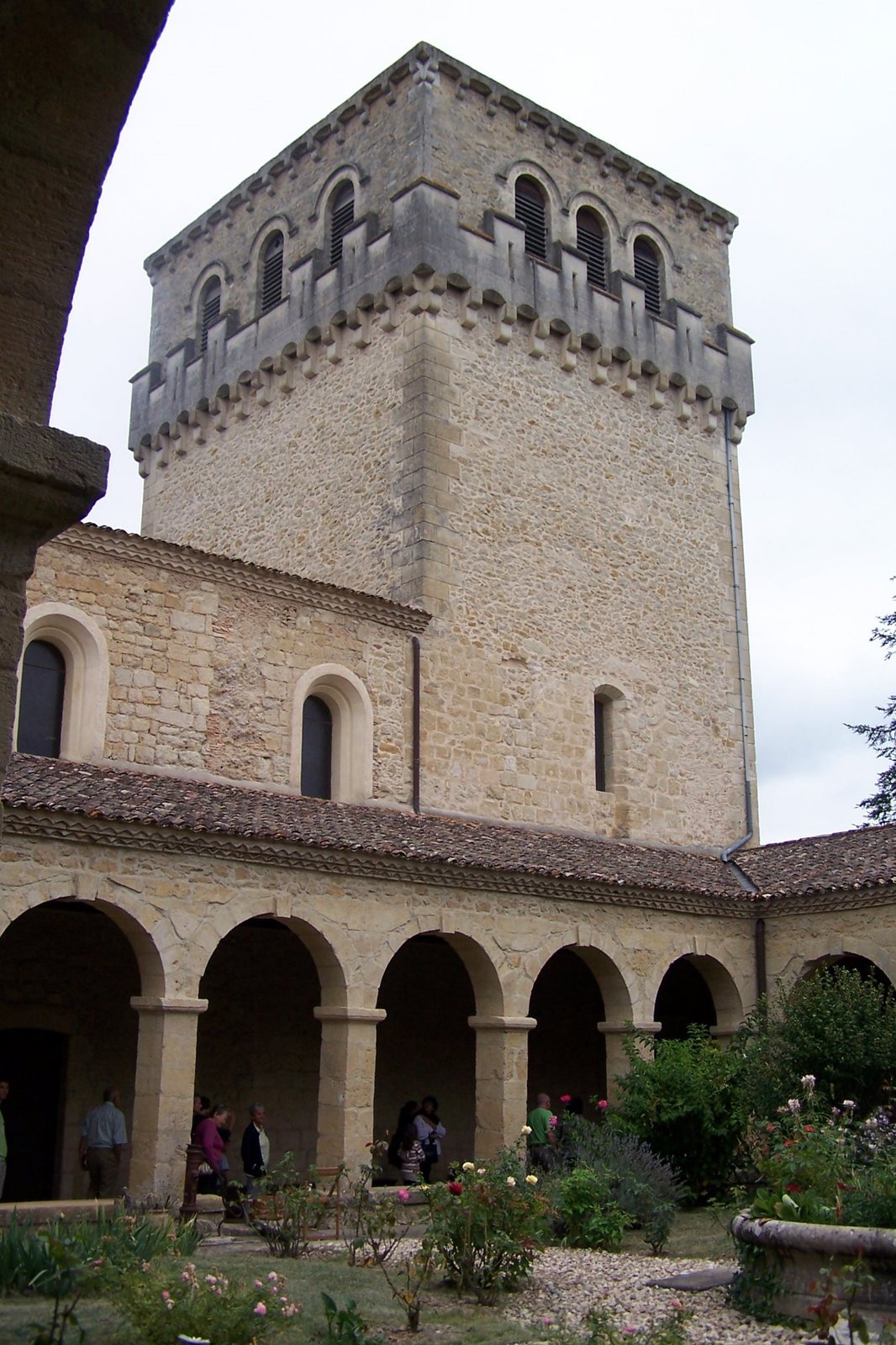
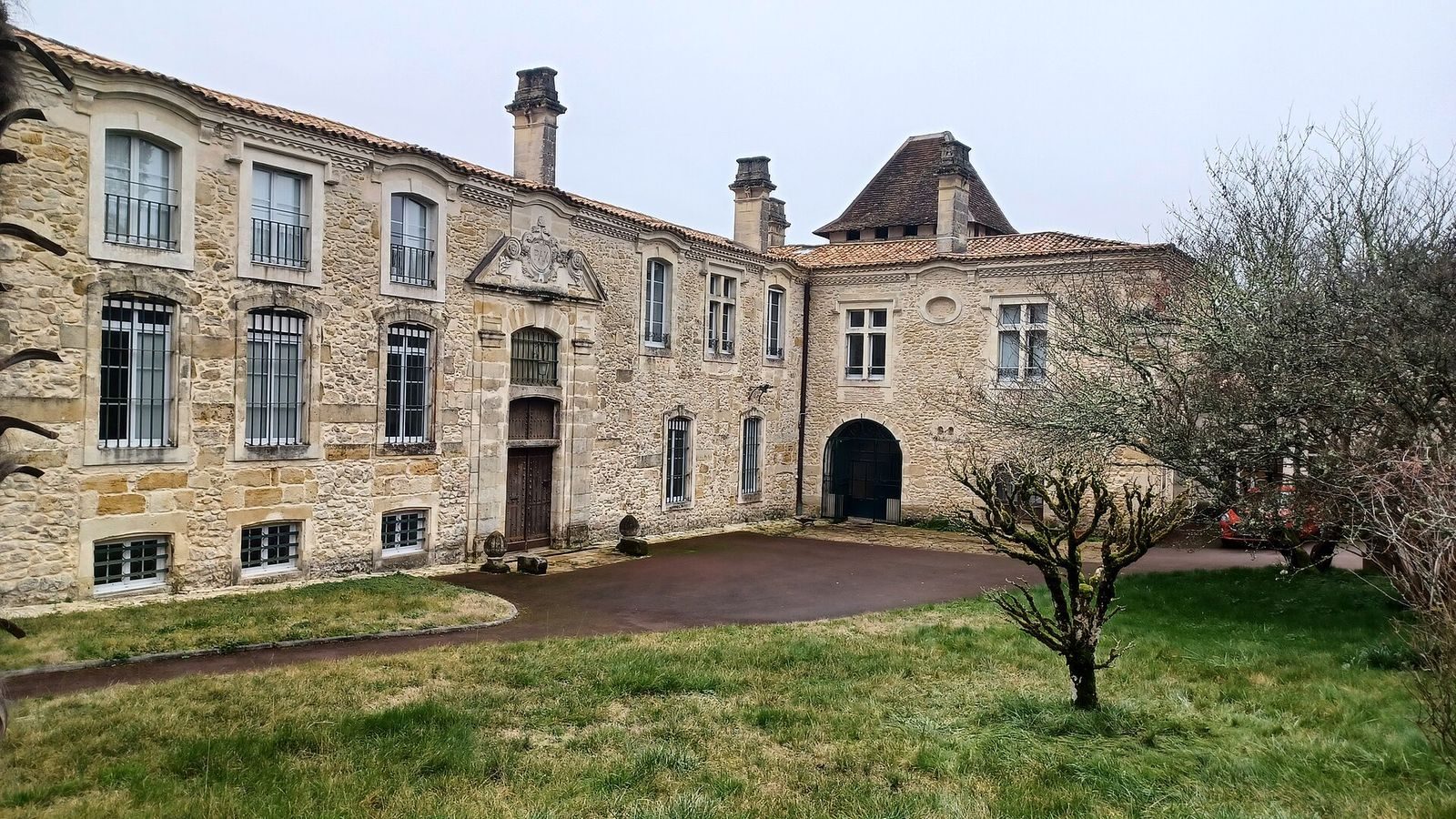
The abbey estate is crossed by the Rivet stream, a tributary of the Beuve, and the stream gives the abbey its name. Construction of the monastery probably began in the Carolingian period, the eighth- and ninth-century era of the Frankish dynasty founded by Charlemagne. Piers and sections of wall incorporated into later buildings point to this early phase. The surviving complex includes the church nave, the cloister, a tower in the northeastern part of the site, and a large residence.
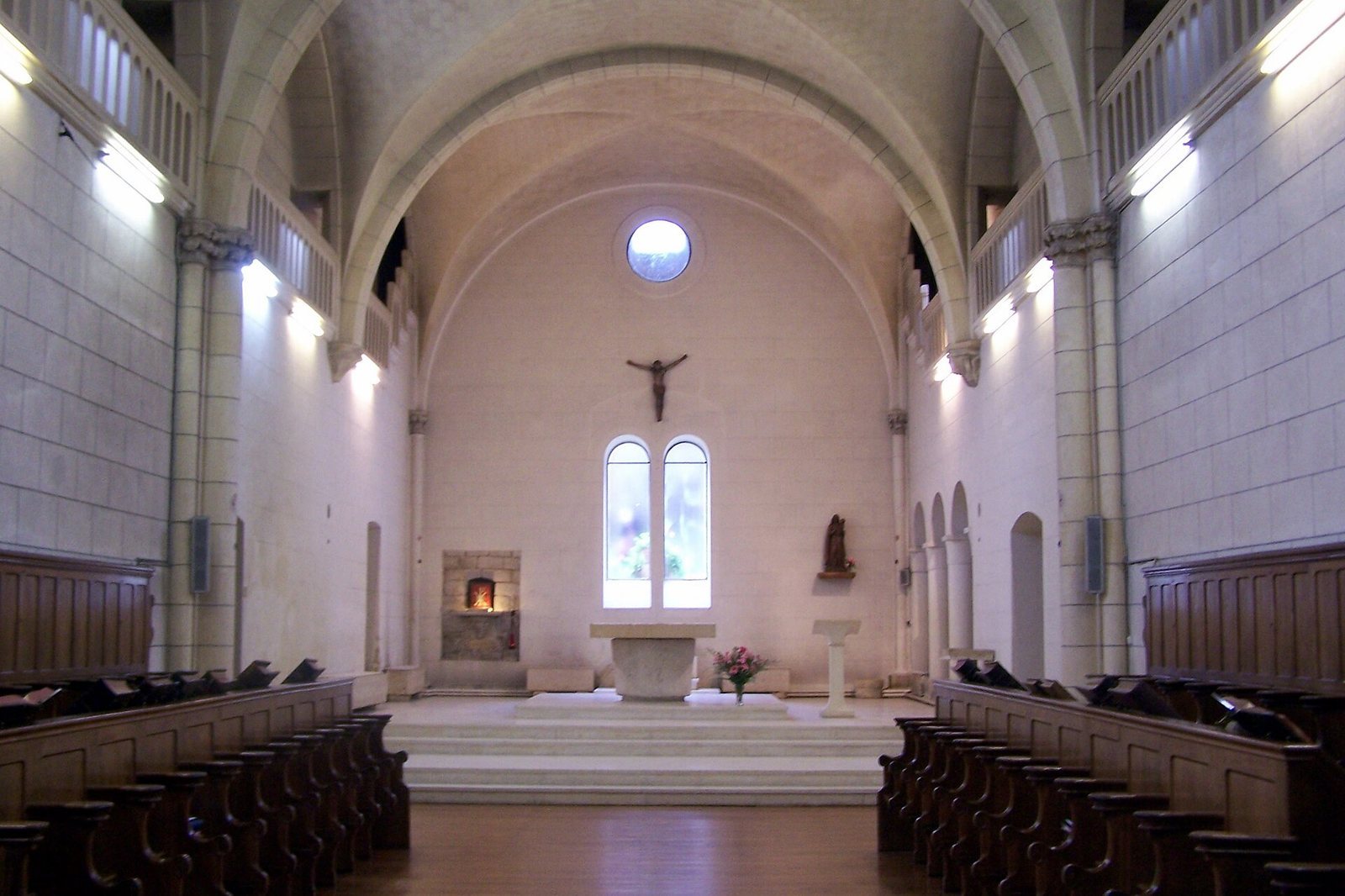
The church’s surviving nave, the main body of the building, dates to the fourteenth century, and the cloister, a covered walkway around a courtyard, also remains. The church’s choir stalls were transferred to the church at Auros, while its main altar went to Bazas Cathedral.
Restoration work gave the buildings a medieval character through additions including a keep-like tower, a small watch turret, projecting upper sections supported by masonry, and narrow defensive openings. Some buildings were newly constructed in 1939.
The grotto follows the design of the one at Lourdes. A spring emerged as the grotto was being excavated.