Centre François Mauriac de Malagar: François Mauriac’s Home and Cultural Centre
Site at a Glance
- Country
- France
- Primary era
- Early Modern
- Eras represented
- Early Modern, Modern
- Civilizations
- French
- Site type
- Domestic
- Remains
- Manor House
On this page10 sections
History
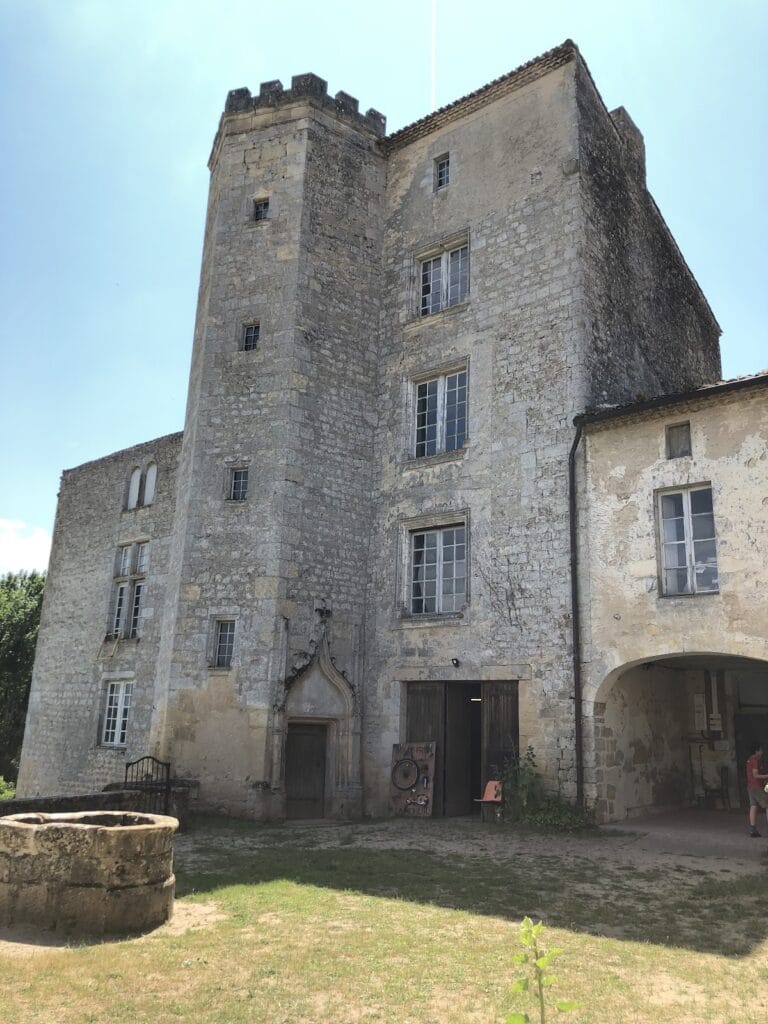
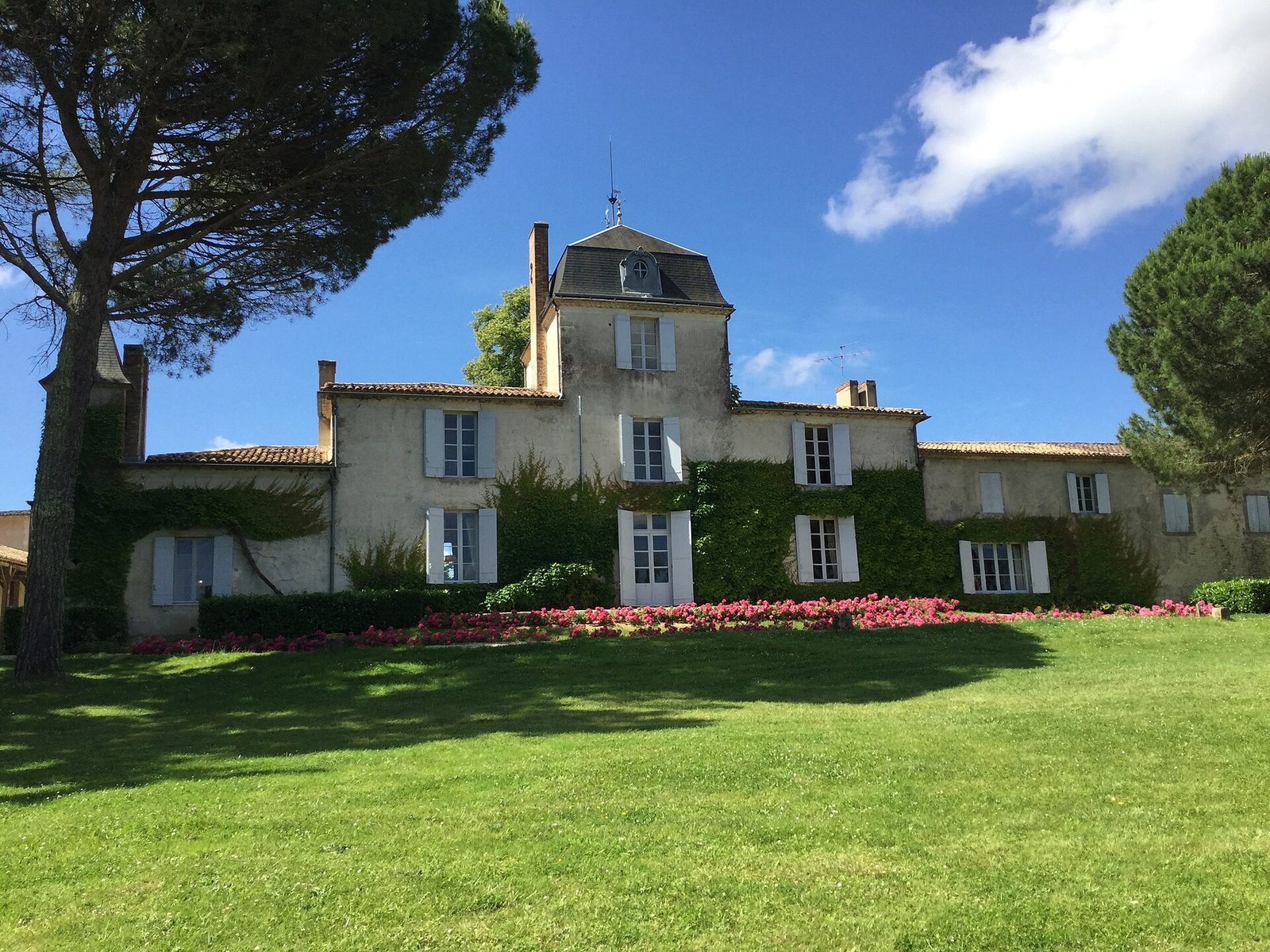
The Centre François Mauriac de Malagar is an estate and cultural centre on the heights northeast of Saint-Maixant, France, centred on an eighteenth-century manor house. Its history is closely linked to writer François Mauriac, whose family home and retreat it became.
From religious estate to wine property
Before the French Revolution, Malagar belonged to the Celestines of Verdelais, a Catholic monastic congregation following the Benedictine tradition. It was sold in 1792 as national property, meaning land transferred to state ownership and sold during the Revolution. The name Malagarre is interpreted as “poor rabbit warren.”
Jean Mauriac, François Mauriac’s great-grandfather, acquired the estate in 1843. It was then a working wine property, producing both red and white wines.
François Mauriac at Malagar
François Mauriac (1885–1970), a writer and member of the Académie française, a French learned society concerned with language and literature, grew attached to Malagar in the early twentieth century. He inherited the estate from his mother in 1927. It became his family home and a place where he worked and found inspiration. He generally spent three or four months there each year, around Easter and the grape harvest.
A cultural centre and protected estate
In 1985, Mauriac’s four children gave the property to the Aquitaine regional council, now part of the Nouvelle-Aquitaine region. The region established the annual François Mauriac literary prize that year and created the Centre François Mauriac de Malagar association in 1986 to care for the estate and develop cultural activities connected with his work and legacy. After extensive restoration, the house was conserved in the form Mauriac had known, and the property became a venue for cultural events.
The garden and cypress avenue received French historic-monument protection, a designation for protected historic buildings and sites, in 1991. The estate was classified in 1996 in recognition of its association with Mauriac and its built features; a 2013 classification extended protection to the entire property, including its open land. It received the Maisons des Illustres label in 2011, which recognizes places preserving collections connected with notable people. In 2018, the linden in the courtyard was recognized as a “remarkable tree.”
Remains
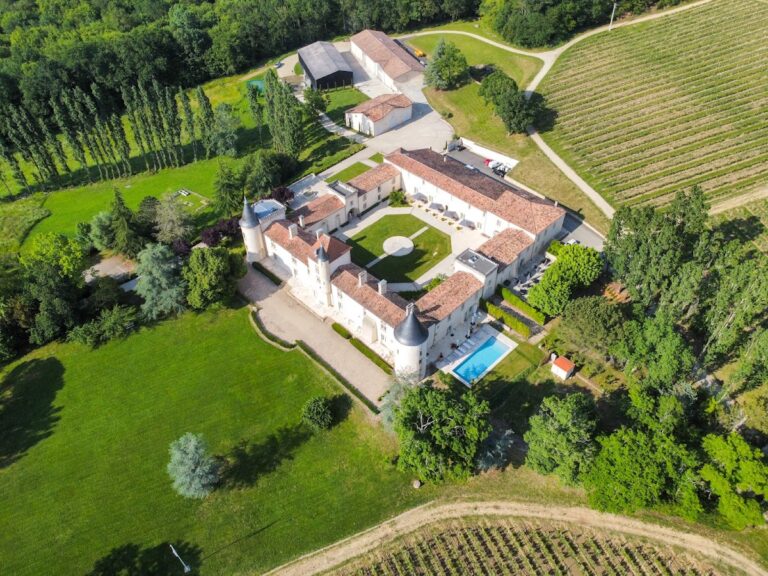
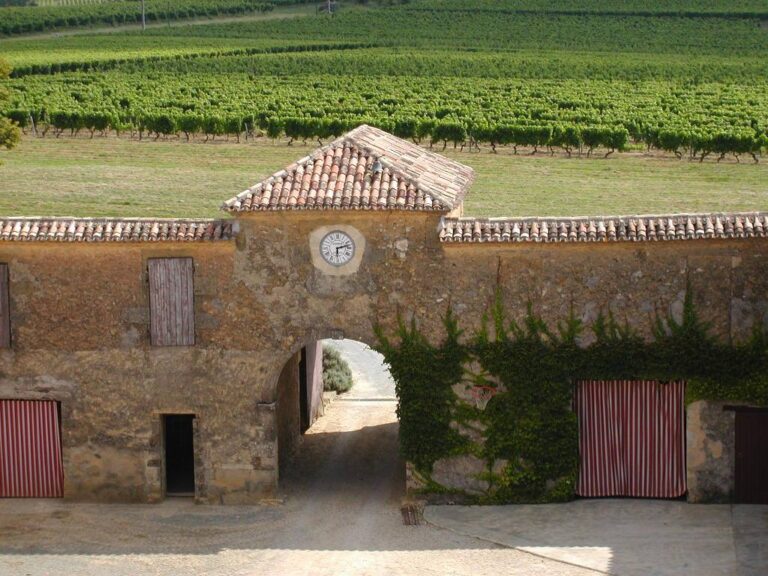
The estate combines a manor and working buildings with a park, garden, meadow and vineyard land. By 1843, its layout already included the house, two wine cellars, a farm and a four-hectare park, while the vineyard covered about 20 hectares.
Manor and working buildings
The manor is accompanied by the wine cellars, farm, well, pavilion and dovecote. The house now serves as a museum and cultural centre. One former wine cellar contains the exhibition Jeanne-François Mauriac, Witness to a Work, Witness to a Century.
Estate grounds
Meadow and vineyard side
On the north side, the house faces a long meadow that slopes toward the vineyard-dotted hillsides of Benauge. A poplar avenue divides the meadow from the vineyard. At the meadow’s far end is a group of pines transplanted from Saint-Symphorien.
Courtyard and southern approach
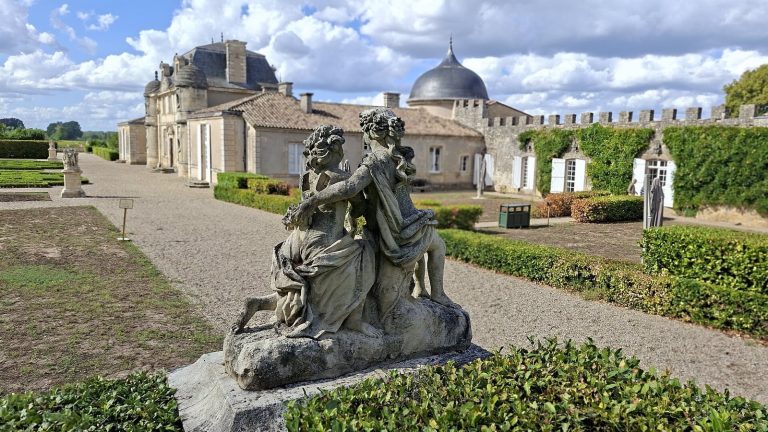
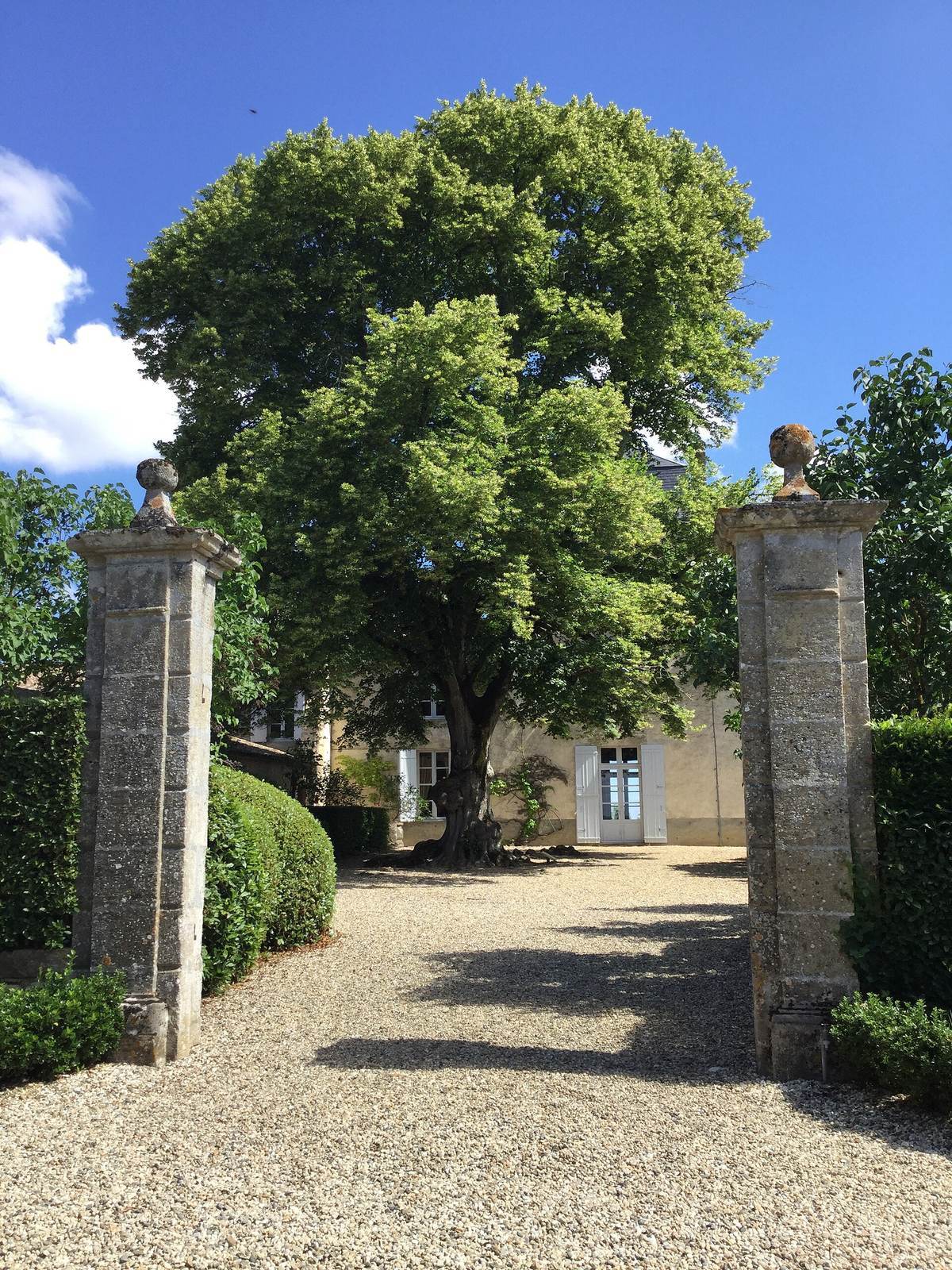
To the south, low cassia plantings and tall, closely clipped hornbeam hedges frame the courtyard. The hedges form a central avenue and two side avenues leading to the terrace. Jean Mauriac planted the hornbeams in 1847, shaping the garden’s formal approach. Mauriac associated the terrace with his evocation of summer fires in the pine groves of Bazas. A linden grows in the courtyard.
Kitchen garden and orchard
On the west side, the kitchen garden has been restored to the form it had in Mauriac’s time. The orchard is being reconstructed, with Queen Claude plums, a greengage variety, among its plantings. Other trees across the grounds include stone pines, cypresses, apple, pear, cherry, peach and apricot trees, as well as further plum trees and hornbeams.