Oldofredi Castle: A Medieval Fortress and Former Convent in Iseo, Italy
Site at a Glance
- Rating
- 3.9
- Popularity
- Medium
- Country
- Italy
- Primary era
- Medieval
- Eras represented
- Medieval, Early Modern
- Civilizations
- Holy Roman Empire, Venetian
- Site type
- Military
- Remains
- Castle
On this page9 sections
History
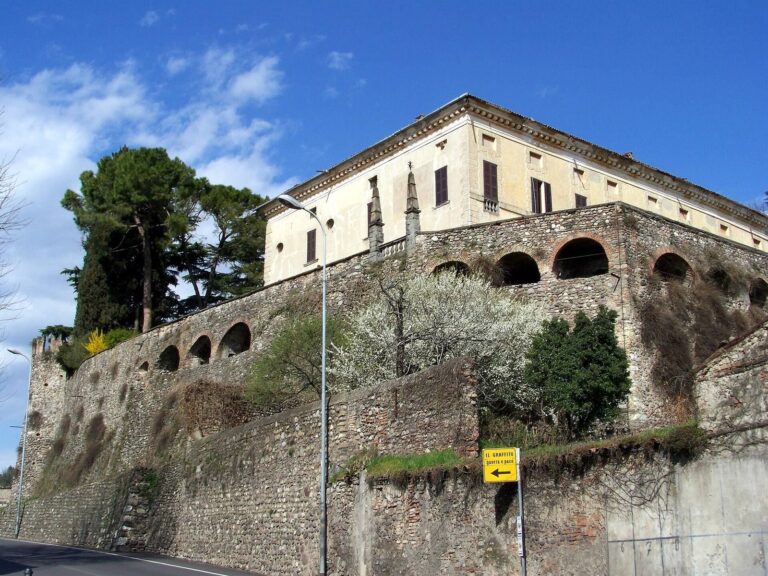
Oldofredi Castle stands on a rocky rise south of the historic center of Iseo, Italy. It was already in existence in the ninth or tenth century, when it belonged to the Monastery of Santa Giulia in Brescia. Its name refers to the Oldofredi family of Iseo, though no documents establish that the family owned it.
Medieval destruction and rebuilding
In 1161 or 1162, Holy Roman Emperor Frederick Barbarossa ordered the castle devastated. It was later rebuilt as a fortification. In the fifteenth century, Italian military commanders Francesco Bussone, known as Carmagnola, and Niccolò Piccinino attacked it.
Venetian rule and conversion to a convent
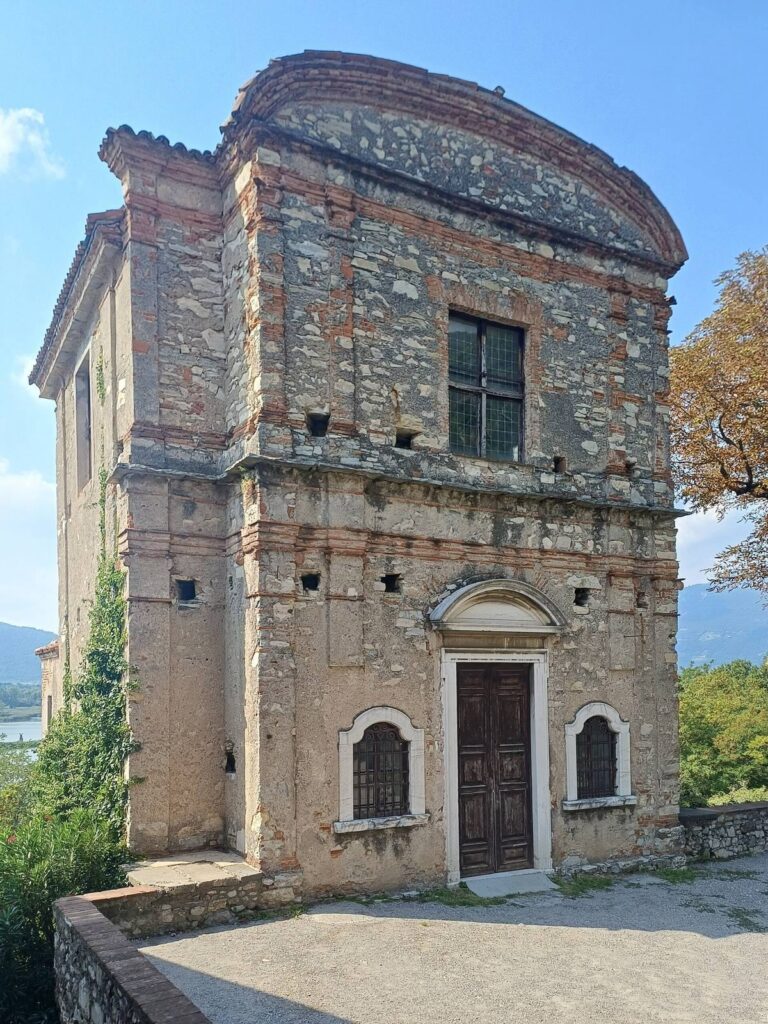
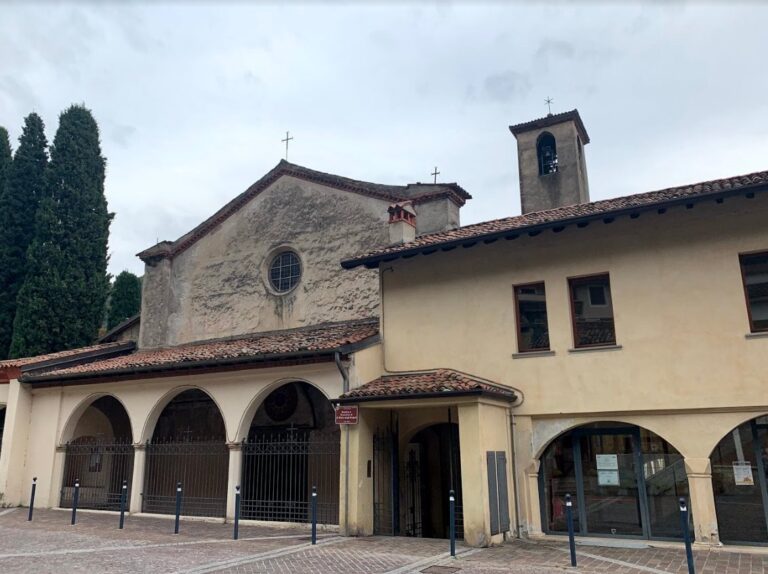
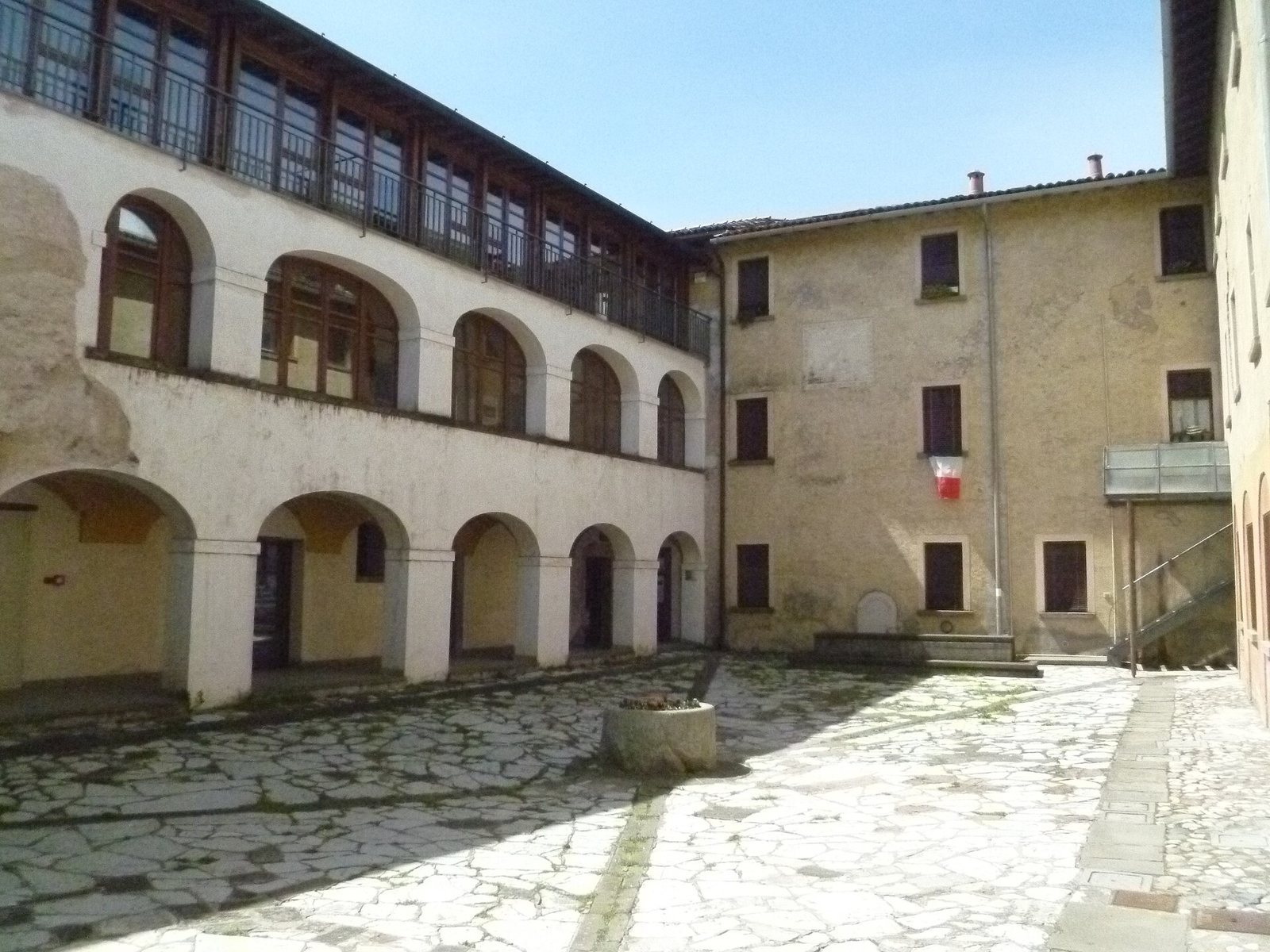
From the early fifteenth century, as the Republic of Venice extended its rule across the Brescia area, the castle’s military importance declined. Ownership passed to the Celeri family of Lovere, who held it until 1585, when they gave it to Capuchin friars, a branch of the Franciscan order. The friars adapted the complex for convent use and built the Church of San Marco, consecrated in 1629.
Private ownership and restoration
After the Napoleonic suppressions of 1797, which suppressed religious institutions under French rule, the friars left the convent and it passed into private ownership. The municipality of Iseo acquired the complex in the 1960s and restored it.
Remains
The surviving complex occupies a rocky rise south of Iseo’s historic center. Its principal features are the square-plan castle and the former convent buildings.
The castle
Plan and keep
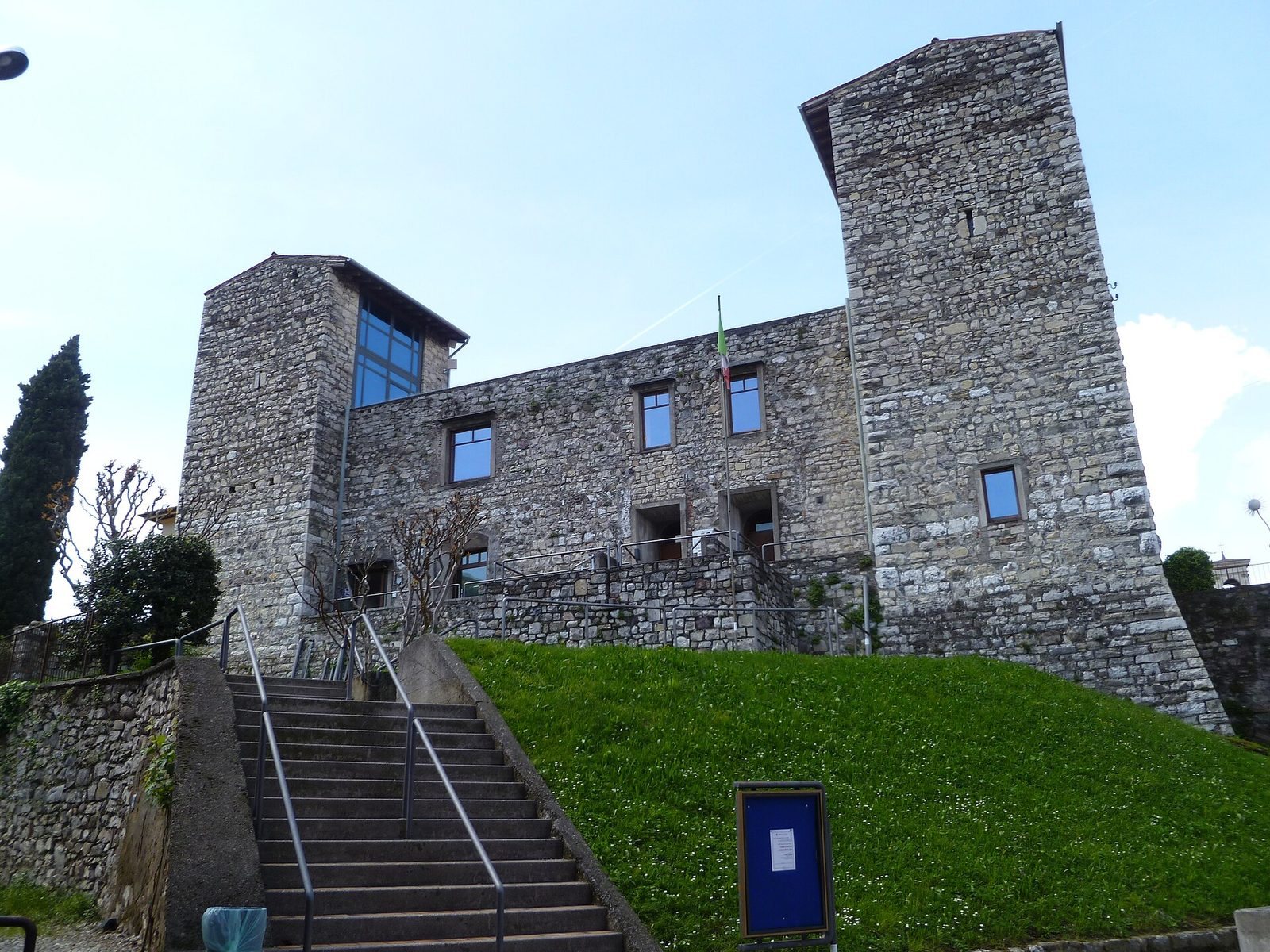
The castle measures about 10 metres on each side. Its oldest part is the keep, the principal fortified tower, in the southern wing.
Defenses and entrances
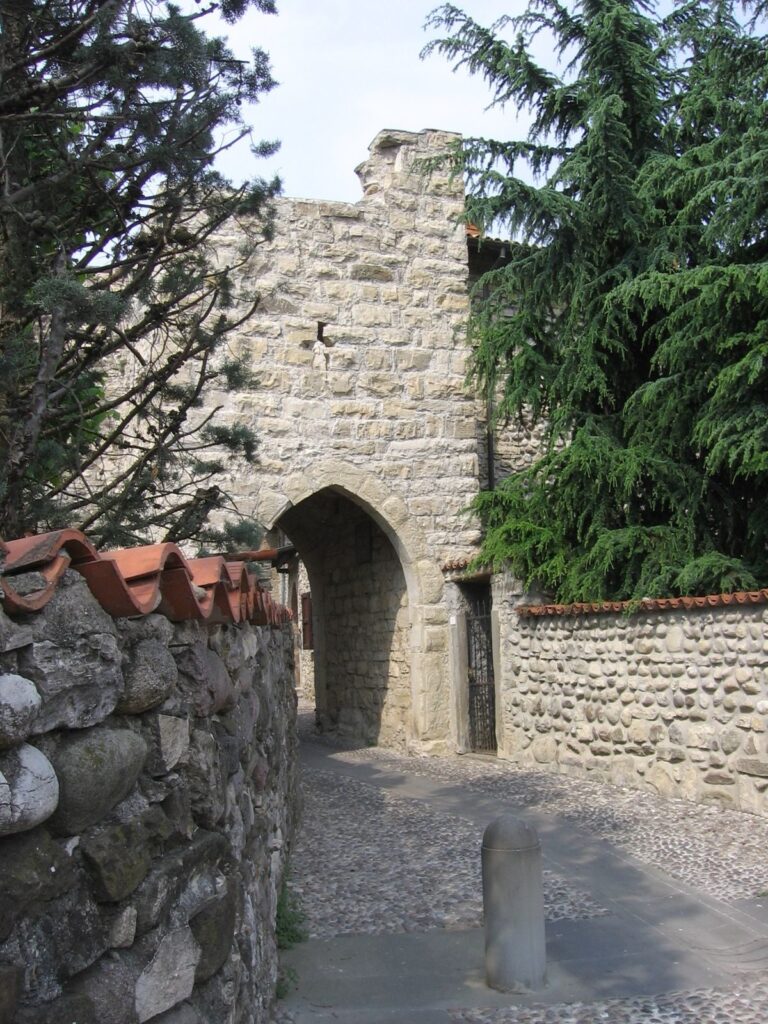
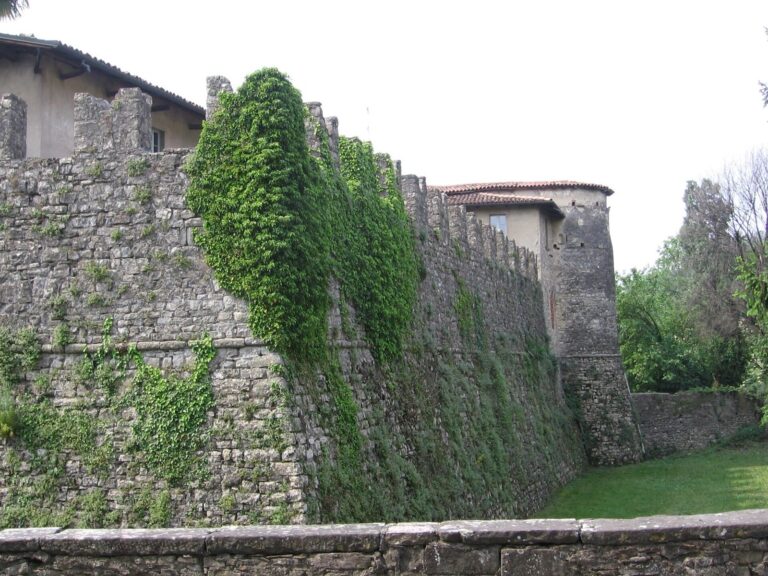
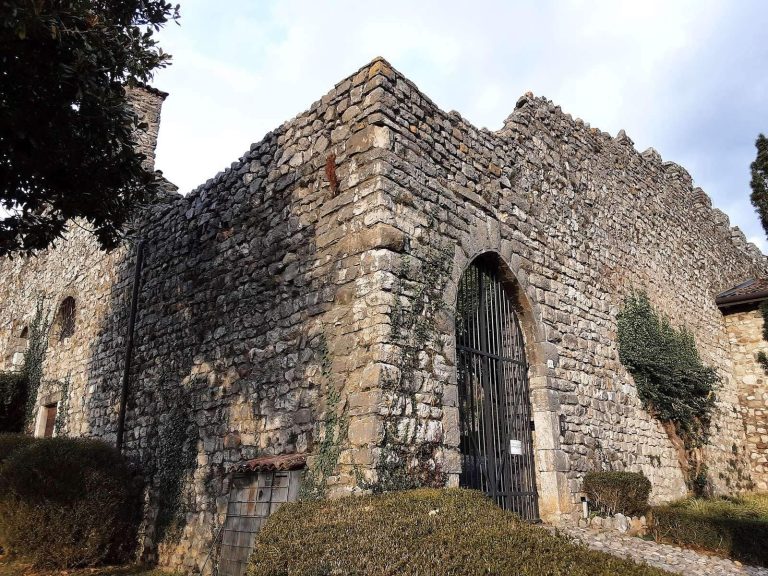
The rebuilt fortification had four towers along its sides and a moat cut into the rock. The Capuchin friars later reduced the towers’ height. Entrances faced north and south, and their keystones bore the coat of arms of the Della Scala family, who ruled Verona during the Middle Ages.
Former convent and civic spaces
The Church of San Marco forms part of the former convent complex. The castle interior now accommodates the Fulgenzio Rinaldi municipal library, a conference room, and cultural associations. The former church serves as the civic hall.