Palace in Osowa Sień: A Neoclassical Estate in Poland
Site at a Glance
- Rating
- 4.8
- Popularity
- Medium
- Country
- Poland
- Primary era
- Modern
- Eras represented
- Early Modern, Modern
- Civilizations
- German, Polish–Lithuanian Commonwealth
- Site type
- Domestic
- Remains
- Elite Residence
On this page4 sections
History
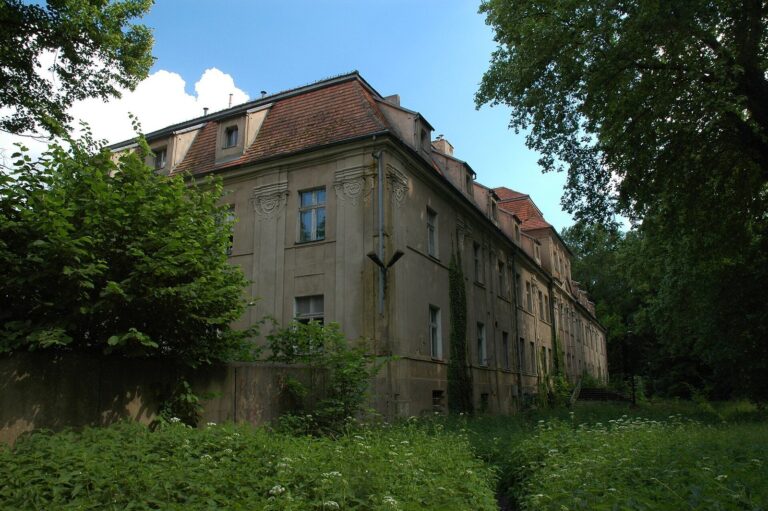
The Palace in Osowa Sień is a Neoclassical residence in Osowa Sień, Poland, built between 1890 and 1904 for Eugen von Seherr-Thoss, a German nobleman and landowner who financed it and became its first owner. Neoclassical architecture draws on forms and design principles associated with ancient Greek and Roman buildings.
The palace ensemble was entered in Poland’s register of historic monuments on 3 November 2005.
Remains
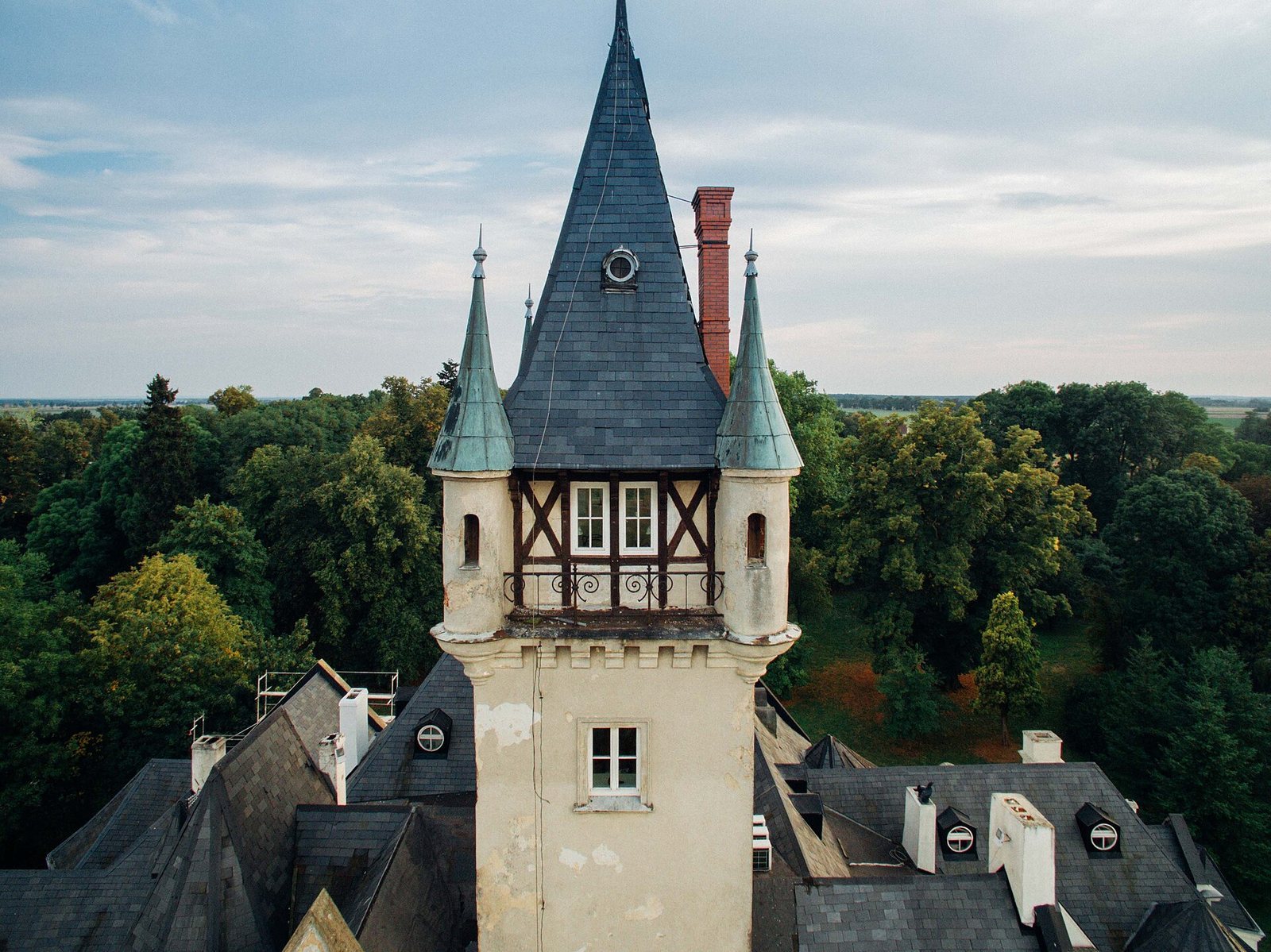
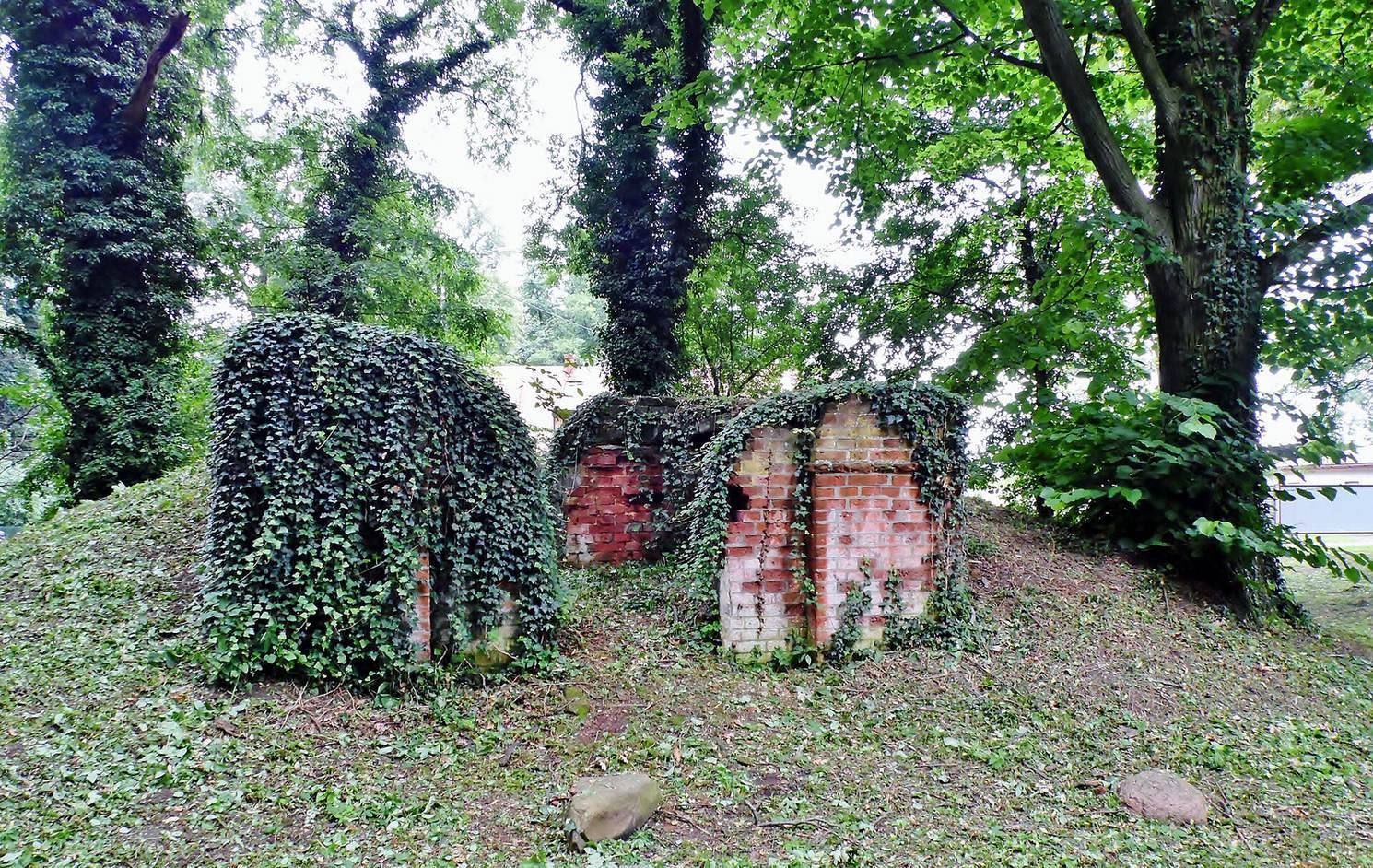
The estate brings together the palace, a landscape park, icehouses and a masonry fence. The buildings and grounds reflect several periods of development, from the park’s eighteenth-century origins to later nineteenth-century additions.
Palace exterior
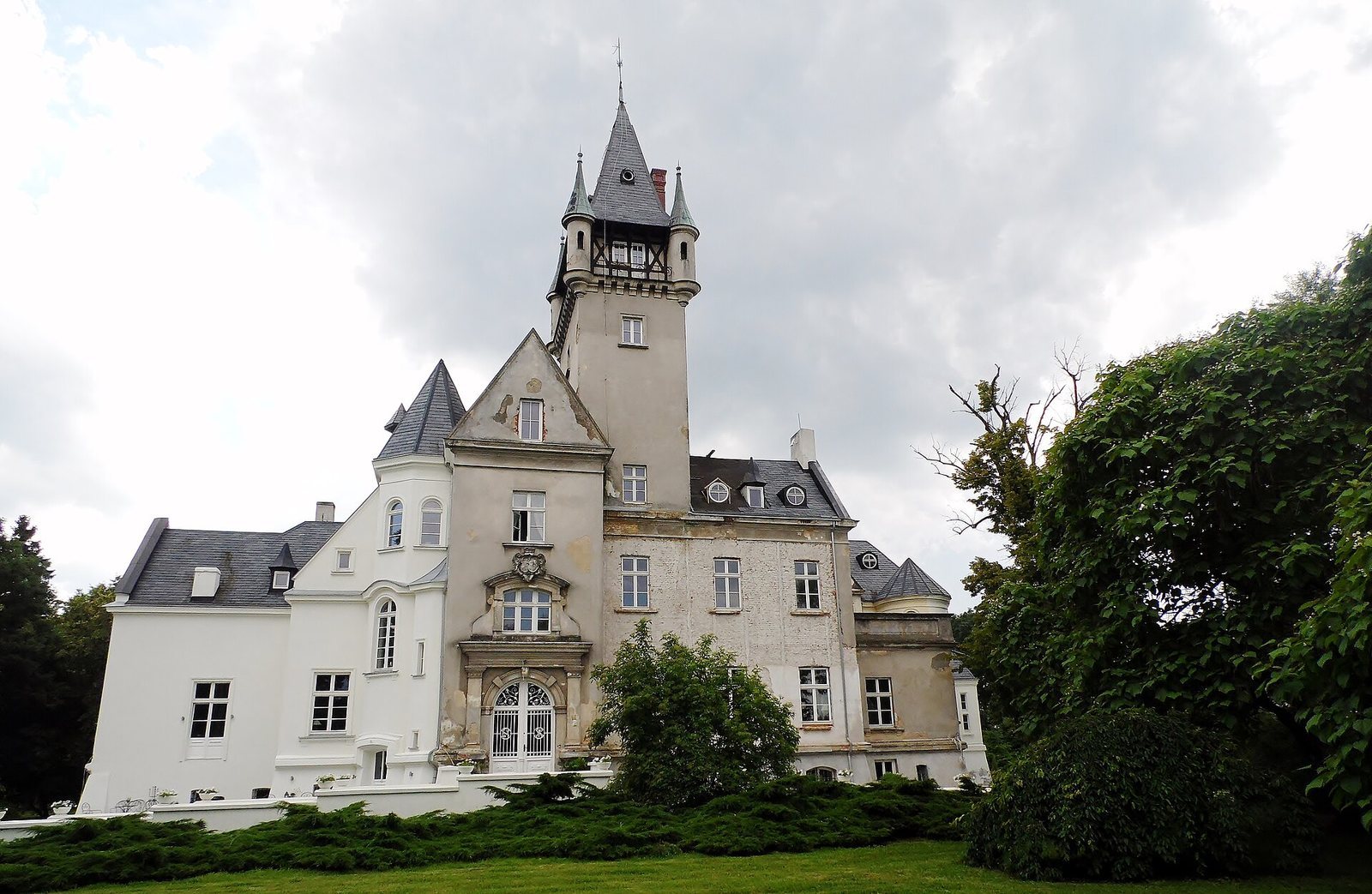
The front of the palace features a two-storey projecting section topped by a pediment, a crowning feature shaped like a triangle. The main entrance is set within an ornate portal, with a first-floor window above. A decorative cartouche, an ornamental frame for heraldic arms, displays Eugen von Seherr-Thoss’s arms on the left and those of his wife, Anna Julia von Heydebrand und der Lasa, on the right.
Park and ancillary structures
The landscape park dates to the mid-eighteenth century and was altered in the nineteenth century. It contains small-leaved lindens. The estate also includes two nineteenth-century icehouses, buildings used to store ice for food preservation, and a masonry fence dating to the late nineteenth century.