Haus Vorhelm: A Moated Castle and Noble Seat in Germany
Site at a Glance
- Popularity
- Medium
- Country
- Germany
- Primary era
- Medieval
- Eras represented
- Medieval, Early Modern
- Civilizations
- Holy Roman Empire
- Site type
- Domestic
- Remains
- Castle
On this page4 sections
History
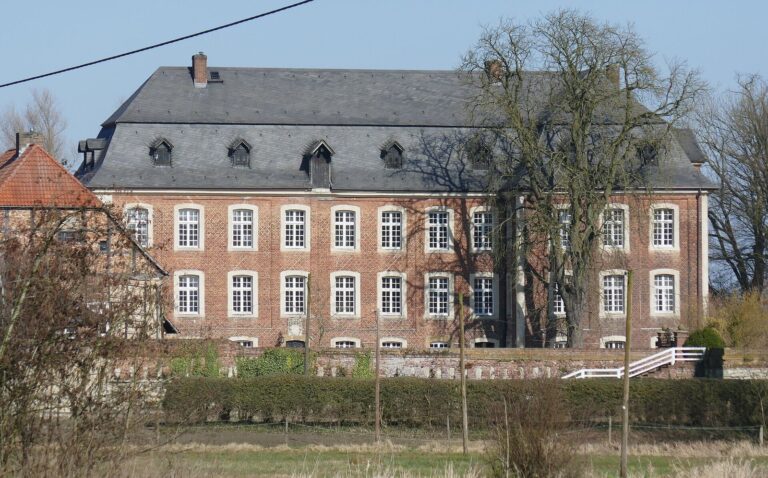
Haus Vorhelm is a moated castle and former seat of the lower nobility on the northern edge of Vorhelm, a district of Ahlen in North Rhine-Westphalia, Germany. The Torck family, the earliest known owners, is thought to have established the noble residence in the 12th century.
Vorhelm’s principal farm appears in records from the 11th century. The castle probably began on land held as a fief, property granted in return for obligations, from Überwasser Abbey, a monastic community governed by an abbot or abbess. Although the Torcks are named at Haus Vorhelm only from 1413, their presence in the Ahlen area from the early 13th century is consistent with the proposed 12th-century origin.
After the Torck family died out, ownership passed in 1715 through a branch of the Westerholt family to the Barons Droste zu Vischering, a noble family holding the hereditary title of baron.
Remains
The moated manor house
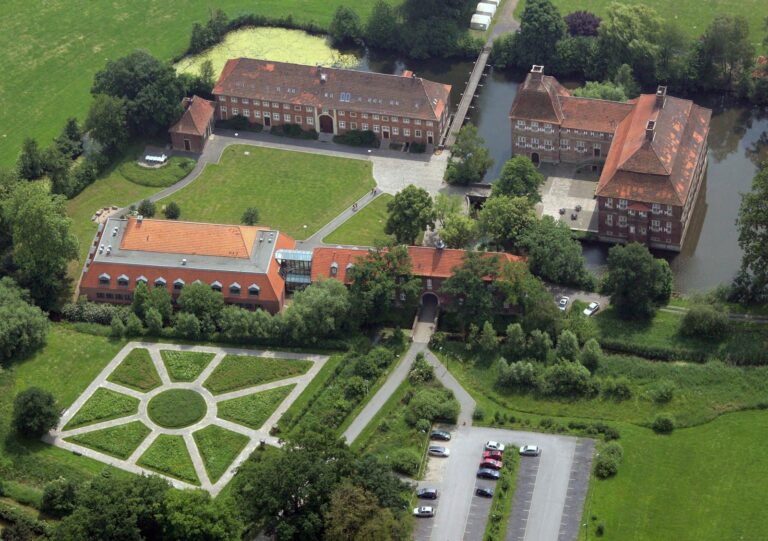
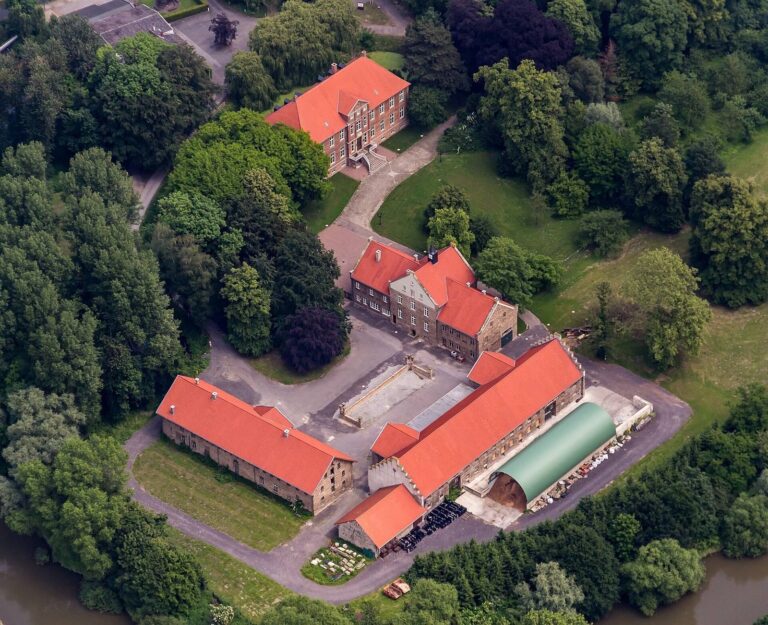
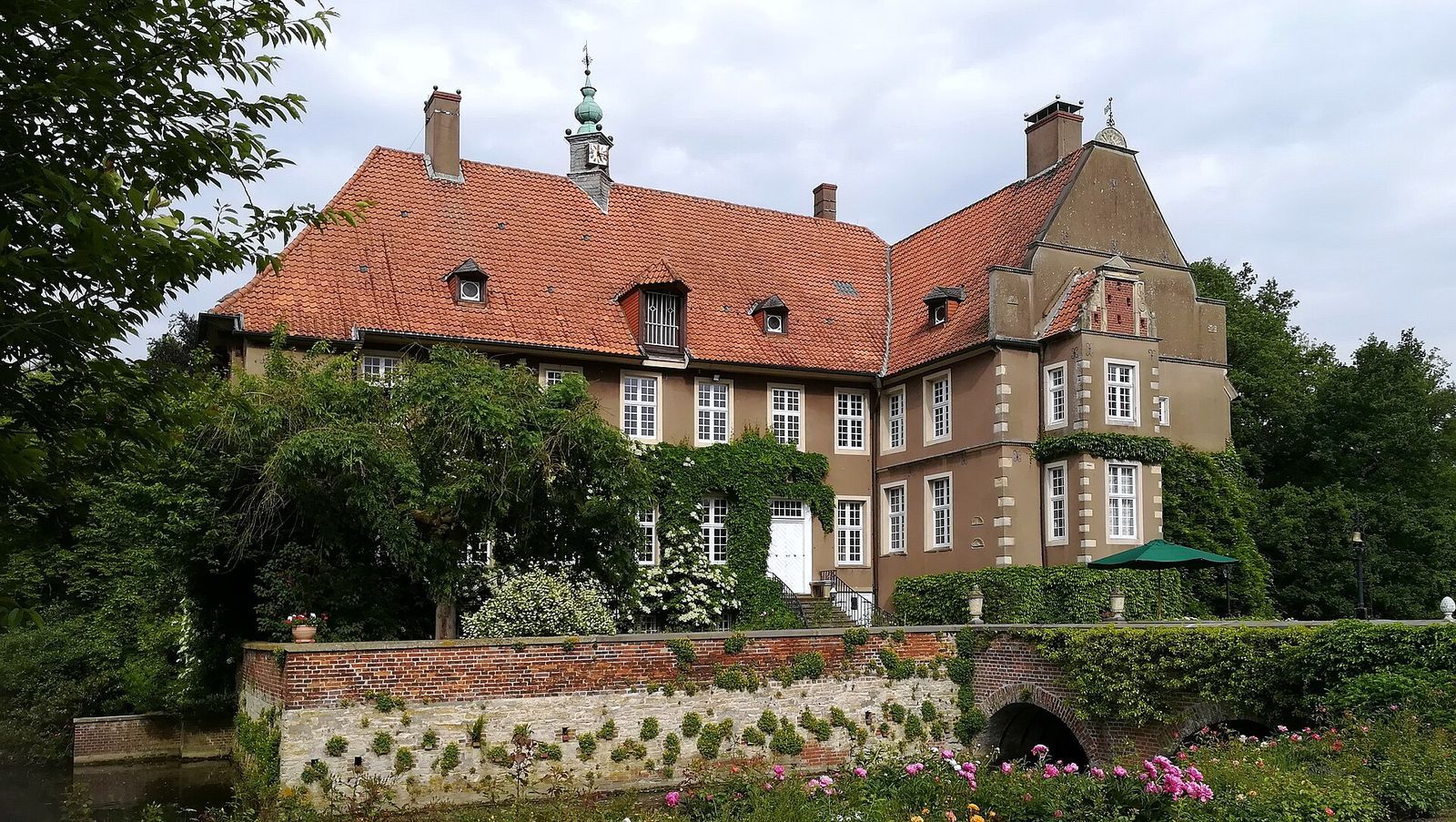
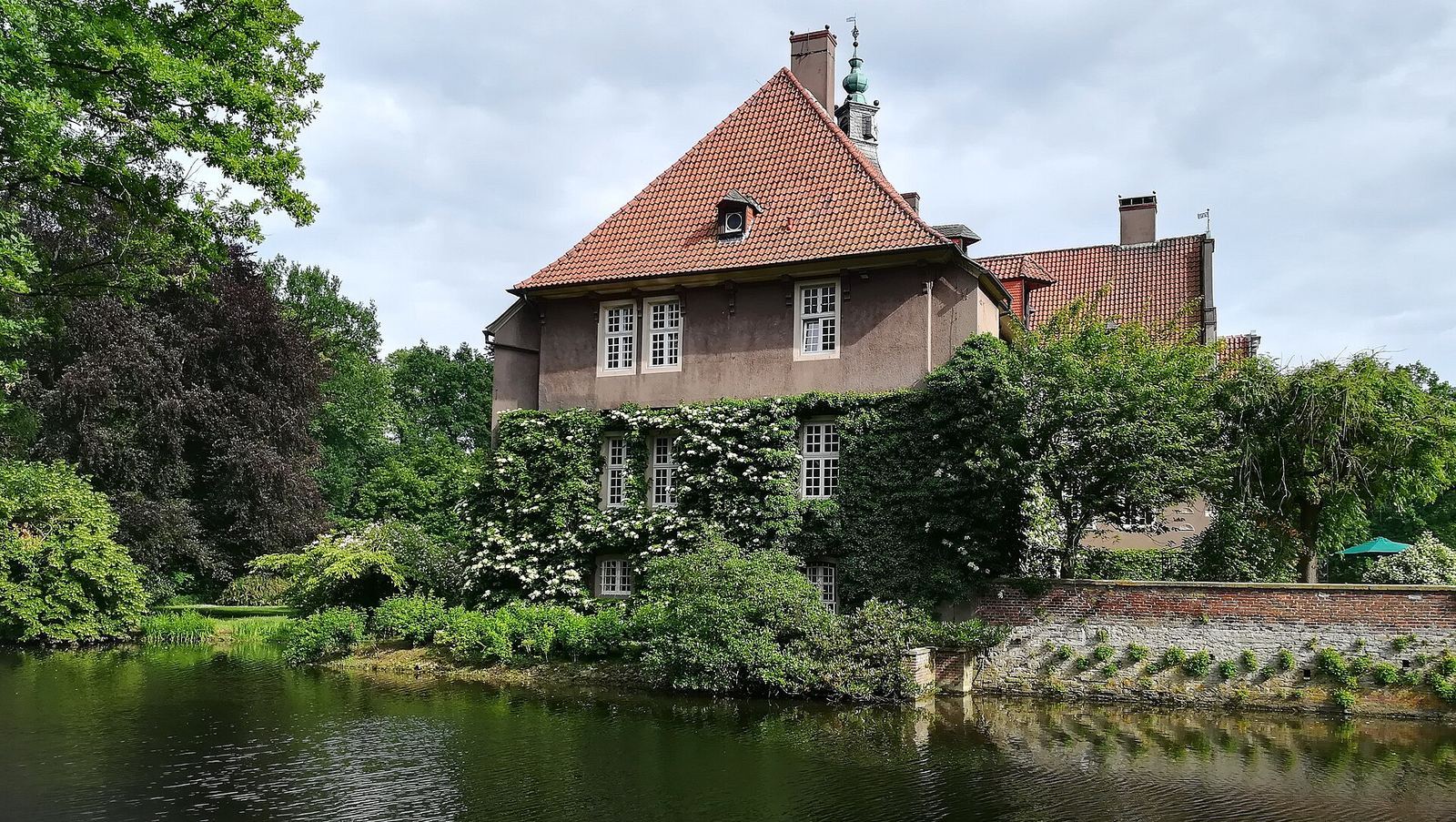
The complex is organized around six islands enclosed by a moat system, with the two-wing manor house on the main island. Built in several phases, the manor combines a massive lower storey and timber framing above. Tree-ring analysis of the main wing’s timbers dates it to about 1455; it was extended southward in 1541. The solidly built south wing dates to 1601 and has a three-tier stepped gable, whose outline rises in successive steps, and a two-storey oriel, a windowed bay projecting from an upper storey.
Outer grounds and entrance
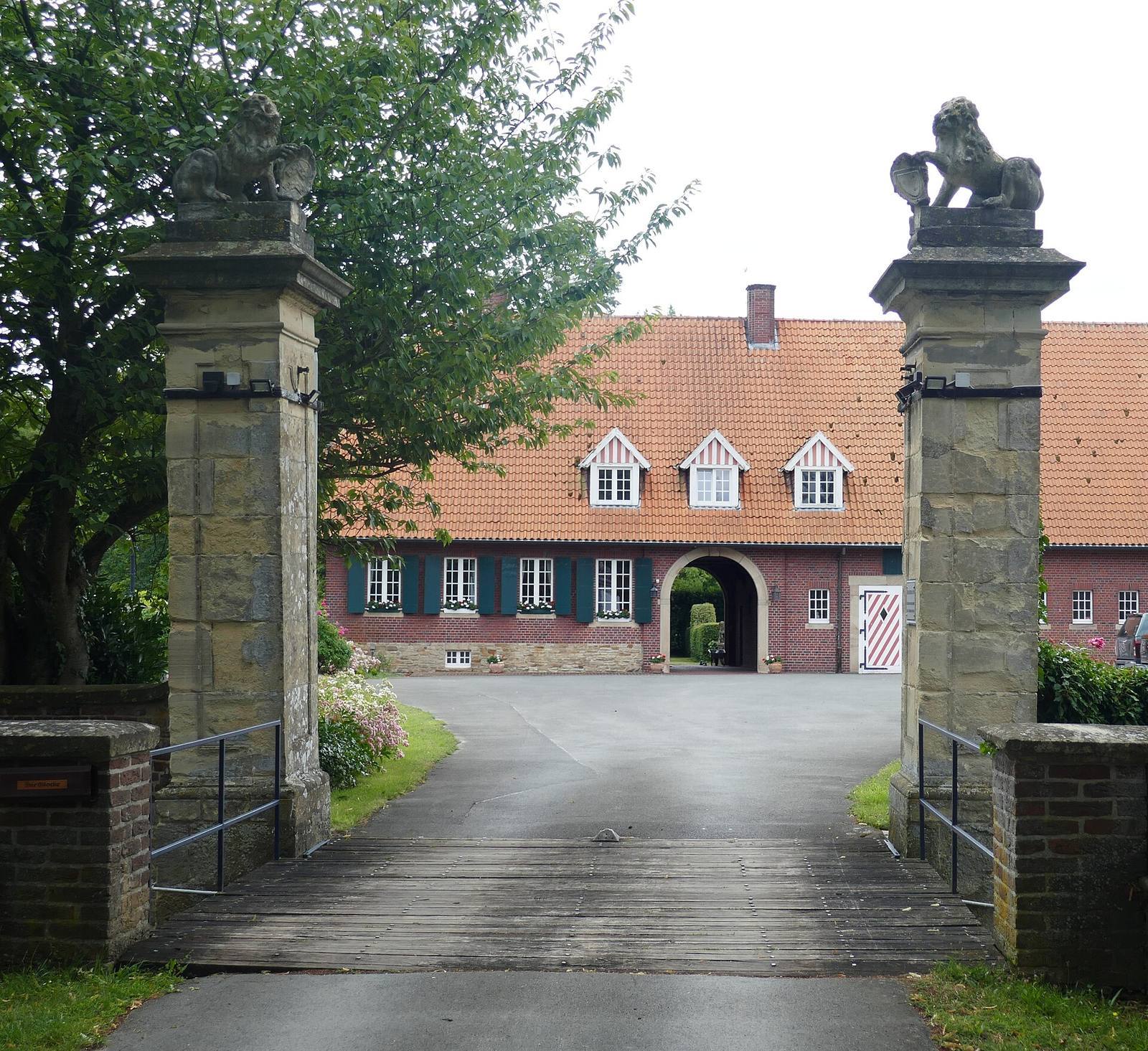
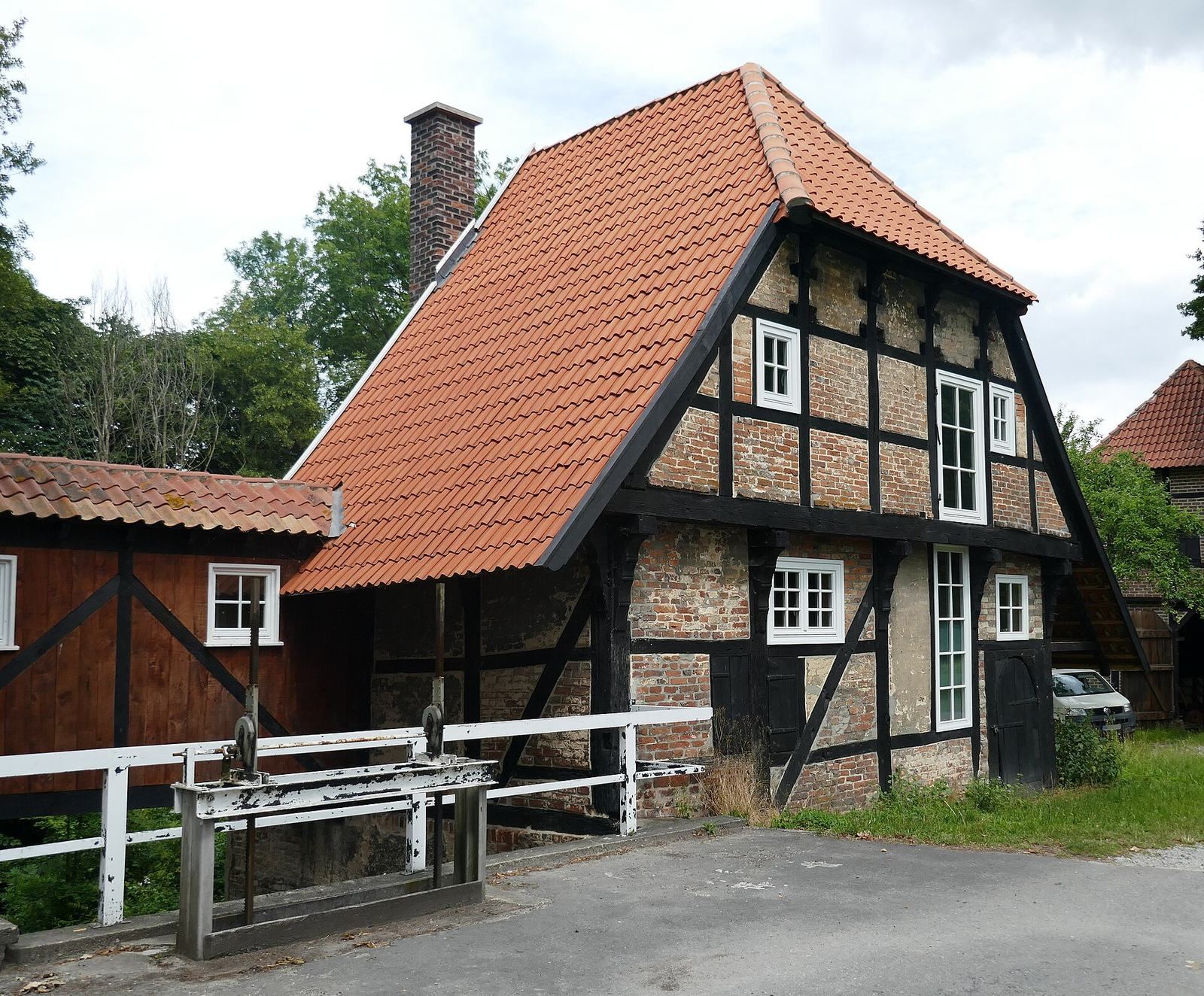
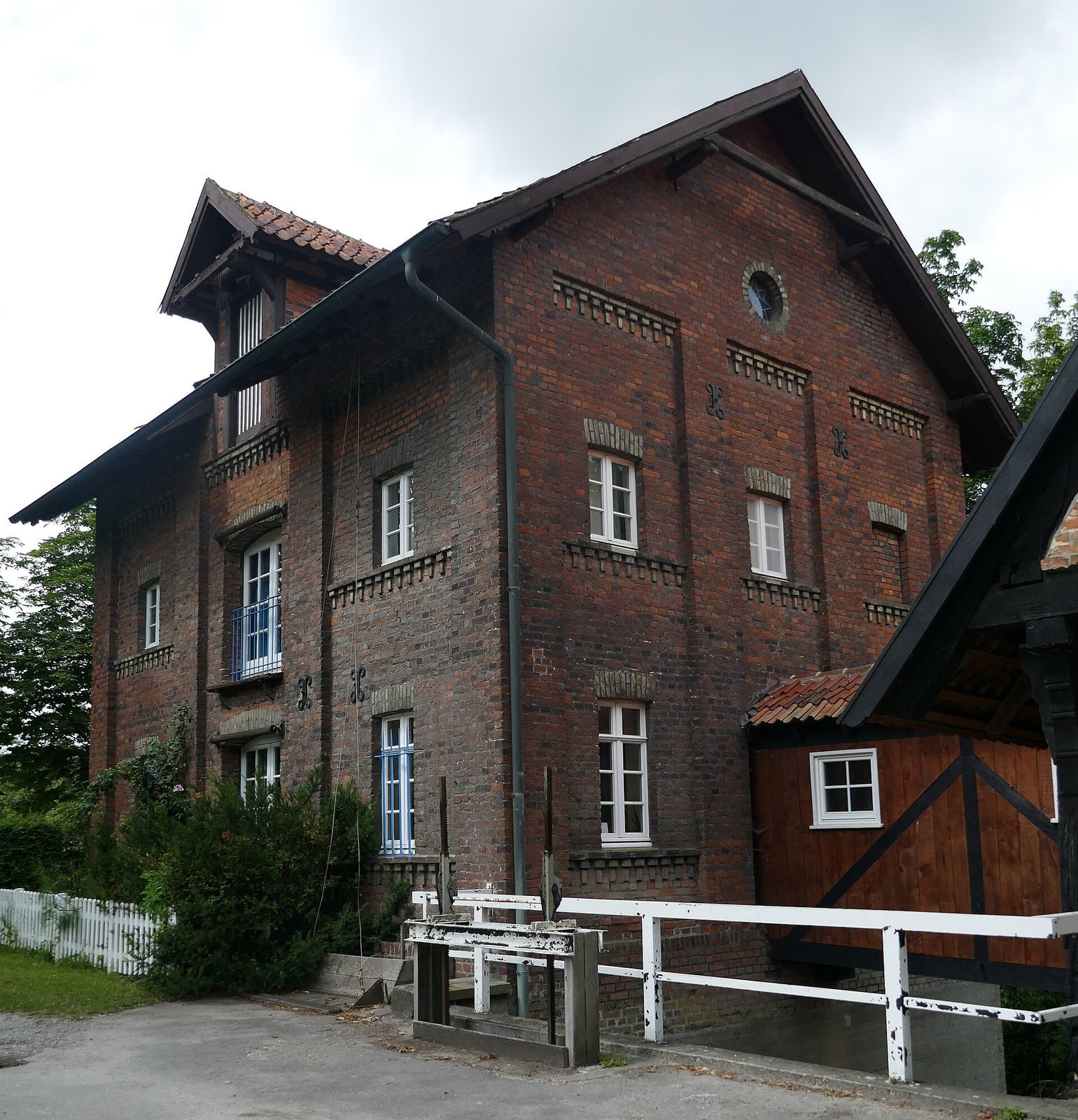
The outer bailey, the enclosed court beyond the main castle, is entered through a Baroque gate complex, in the European artistic and architectural style, with a drawbridge. Two 20th-century agricultural buildings stand within the bailey. Outside the moated castle are two historic watermills and an old sheepfold. Two large Baroque garden islands lie east and south of the main castle. A 19th-century print in the Duncker Collection depicts Haus Vorhelm.