Moregem Castle: A Renaissance Water Castle and Later Pleasure House
Site at a Glance
- Rating
- 2.9
- Popularity
- Low
- Country
- Belgium
- Primary era
- Unclassified
- Eras represented
- Unclassified
- Civilizations
- Unclassified
- Site type
- Domestic
- Remains
- Elite Residence
On this page4 sections
History
From water castle to pleasure house
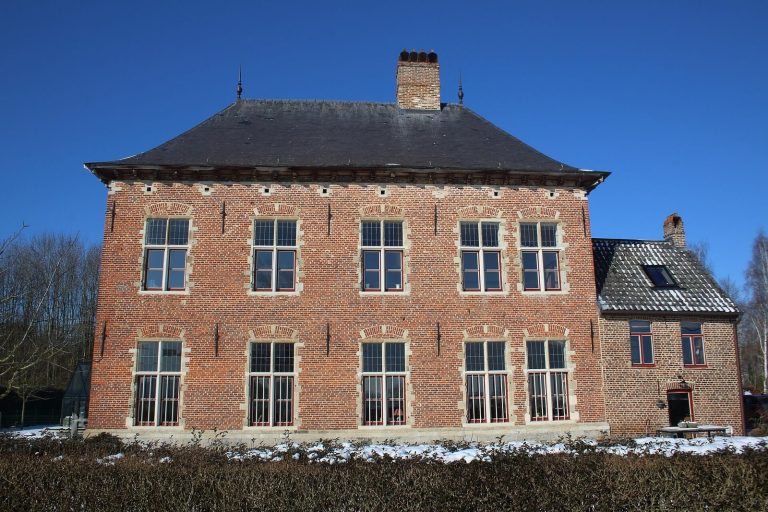
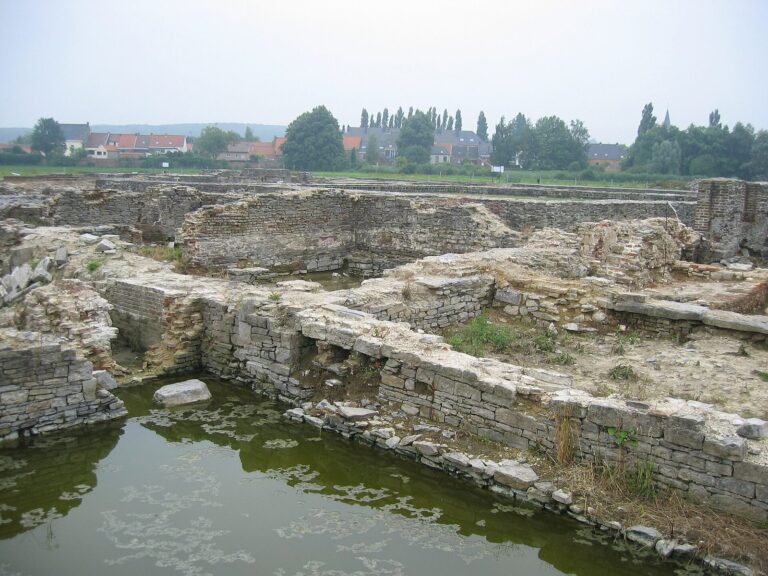
Moregem Castle was a castle estate in Moregem, within the municipality of Wortegem-Petegem in East Flanders, Belgium. Its history began with a Renaissance-style water castle, a castle using water in its setting or defenses, built in 1588 at the commission of K. van Spiere. After it fell into disrepair, the Van Hoobrouck family had it demolished and replaced it with a pleasure house built between 1792 and 1798. Belgian architect Jean-Baptiste Pisson designed the new building, which combined Louis XVI style, a French Neoclassical style associated with Louis XVI, and Directoire style, associated with France’s Directory period in the late 1790s.
War, vacancy, and destruction
The castle was damaged during the German occupation in the Second World War. Berthe van Caloen de Basseghem, the widow of Baron Albert Ruzette, lived there until 1952. Afterward, the building was left vacant and neglected. The park became a poplar plantation, and small livestock was kept on the estate. A fire on the night of 8–9 March 2025 completely destroyed the castle. In 2026, a procedure began to end its recognition as a monument.
Remains
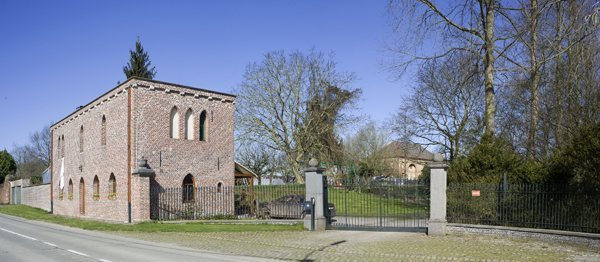
The castle stood at Heerbaan 5–6 and 6A and Koestraat 3. Its architectural sequence ran from a Renaissance water castle to a pleasure house combining Louis XVI and Directoire styles. Other buildings on the estate included an early Neo-Gothic porter’s lodge, a grotto structure, and service dwellings.