Zarrouk Palace: A Royal Residence in Carthage, Tunisia
Site at a Glance
- Popularity
- Medium
- Country
- Tunisia
- Primary era
- Modern
- Eras represented
- Modern
- Civilizations
- Unclassified
- Site type
- Domestic
- Remains
- Palace
On this page5 sections
History
Zarrouk Palace in Carthage, Tunisia, was built around 1860 as the residence of General Ahmed Zarrouk during the rule of the Husainid dynasty, Tunisia’s ruling house from the early eighteenth century until the monarchy was abolished in 1957. The palace was among those built by allies of the ruling house.
Nineteenth-century residence and political role
During the 1864 revolt led by Ali Ben Ghedhahem, the palace served as a center for monitoring events across the country. Zarrouk was noted for his actions against the uprising. Toward the end of the nineteenth century, the Bessis family acquired the palace.
Royal residence and autonomy announcement
In 1922, the palace passed to Habib Bey, Muhammad VI al-Habib. He used it as both a residence and workplace, and spent his final years there by the sea. It remained a royal residence until the monarchy ended in 1957.
In 1943, al-Habib’s son, Muhammad VIII al-Amin, chose the palace as one of his principal royal residences and made alterations and embellishments. On 31 July 1954, he received French Prime Minister Pierre Mendès France there. Mendès France announced internal autonomy for Tunisia, meaning greater self-government in its domestic affairs.
State use and the Beit al-Hikma Foundation
After the monarchy’s abolition in 1957, the Tunisian state confiscated the palace. It first housed the Tunisian Office of Handicrafts and then the Tunisian Institute of Archaeology and Art, before being abandoned. In 1983, it became the seat of the Tunisian Academy of Sciences, Letters and Arts, also known as the Beit al-Hikma Foundation. The Tunisian state owns the palace, which was classified as a historic monument on 21 January 2021.
Remains
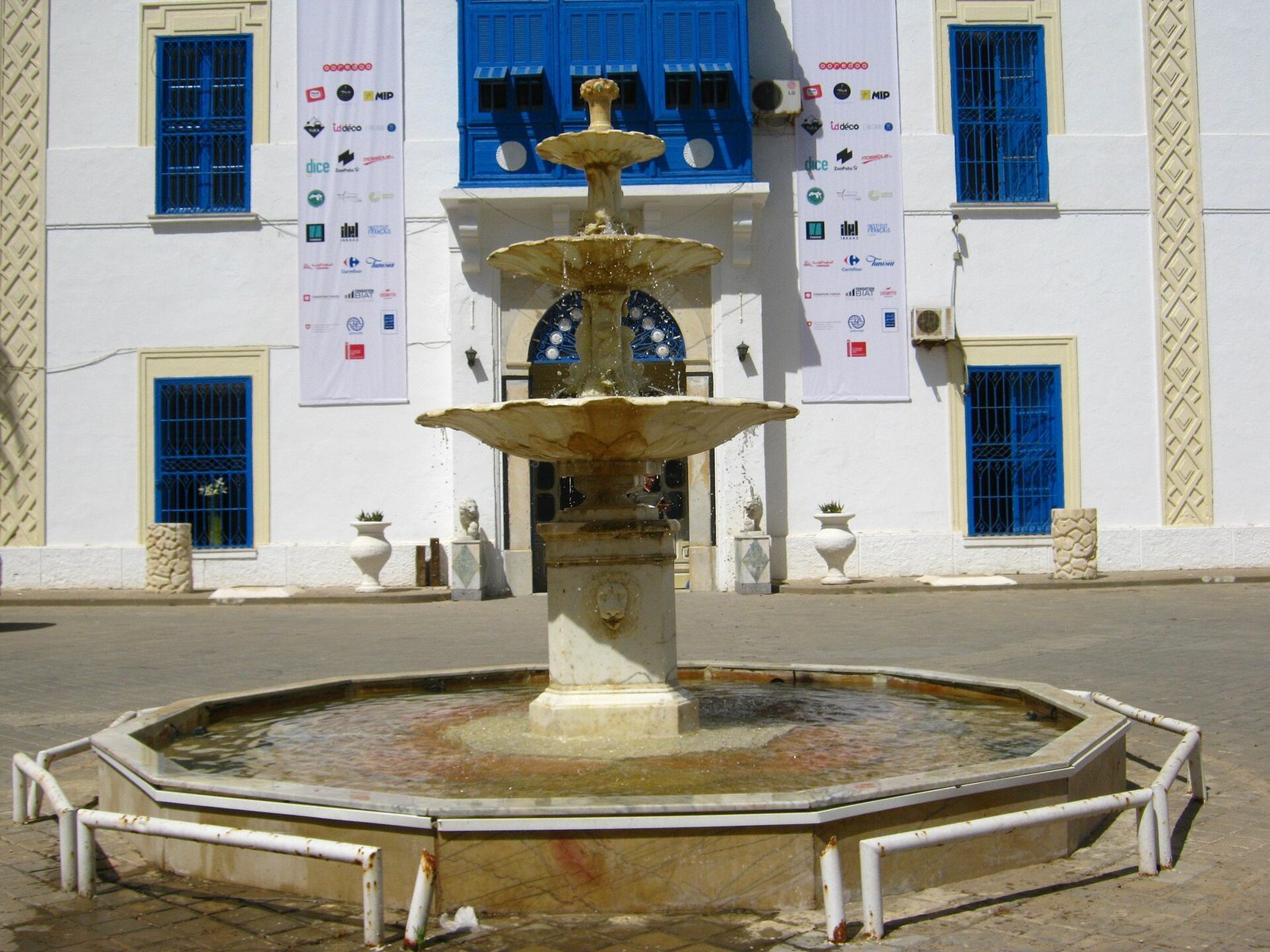
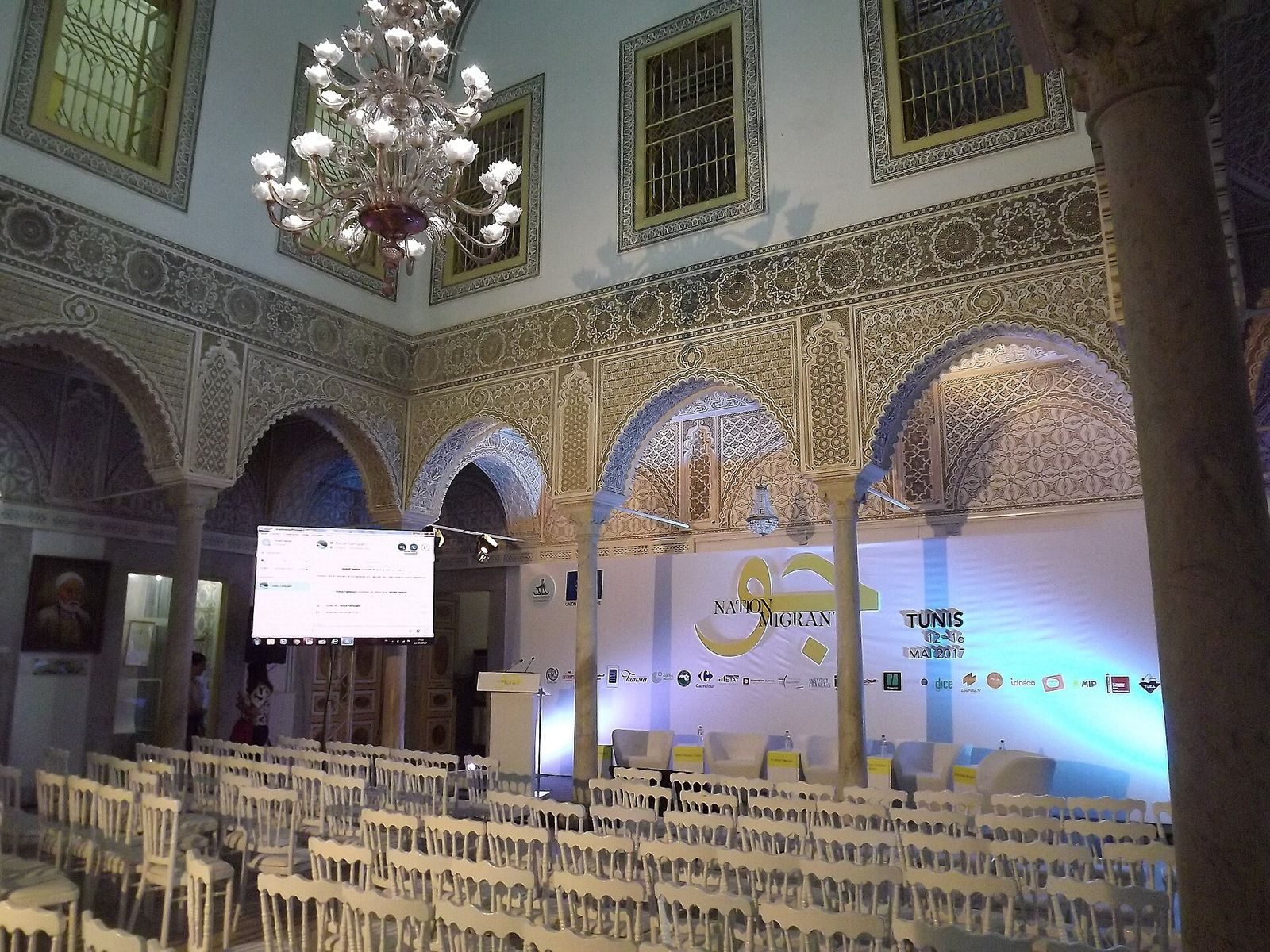
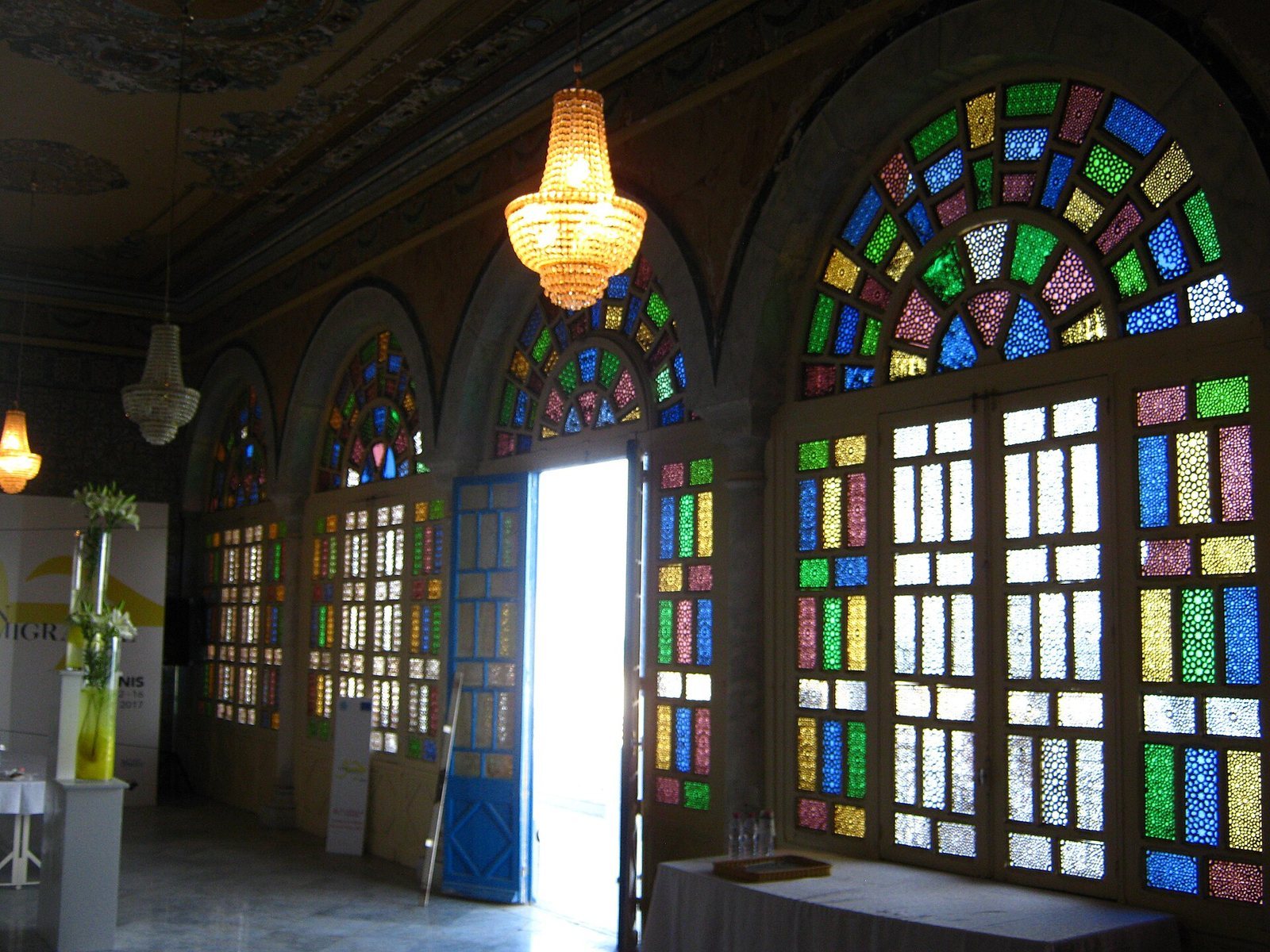
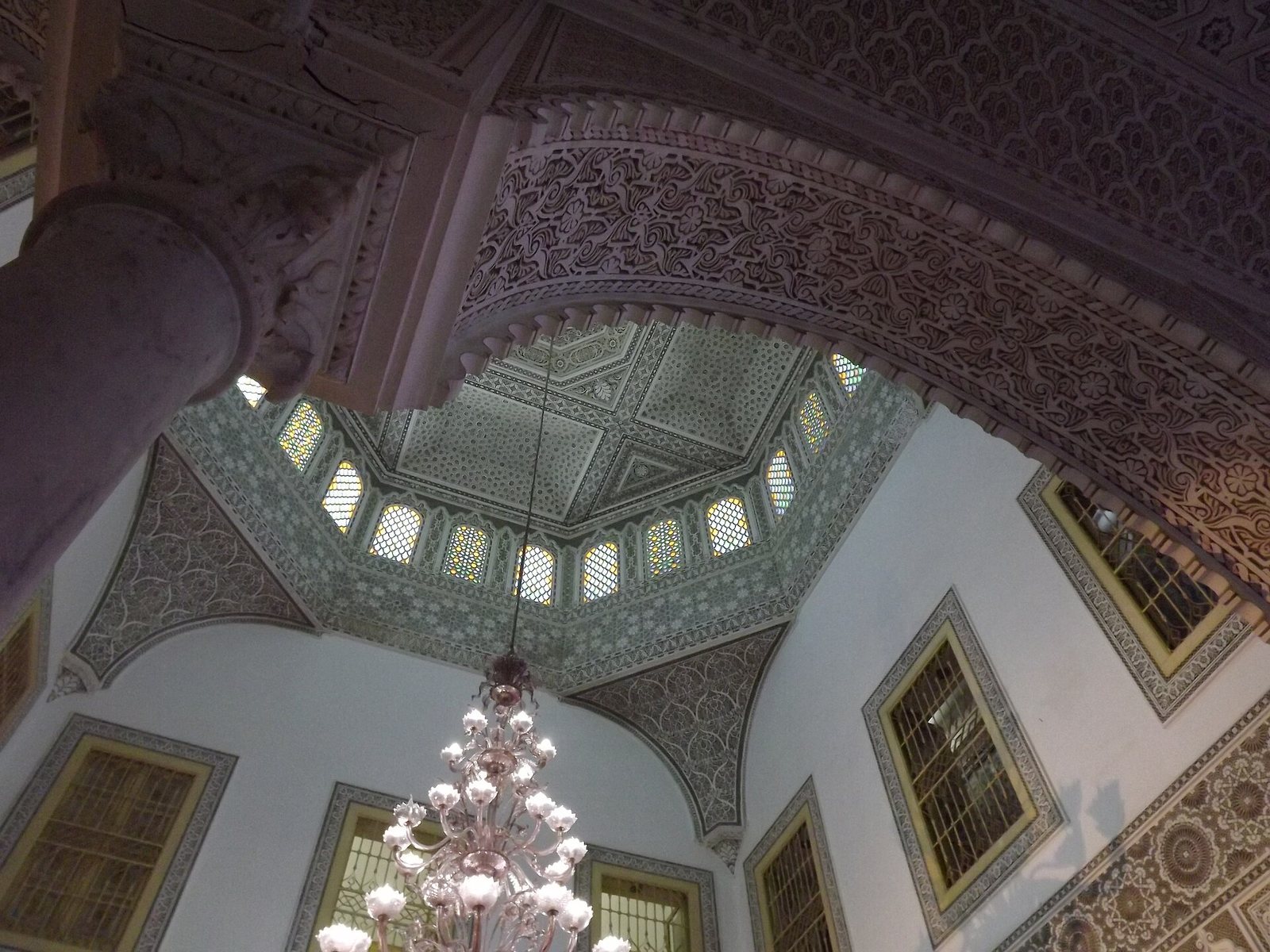
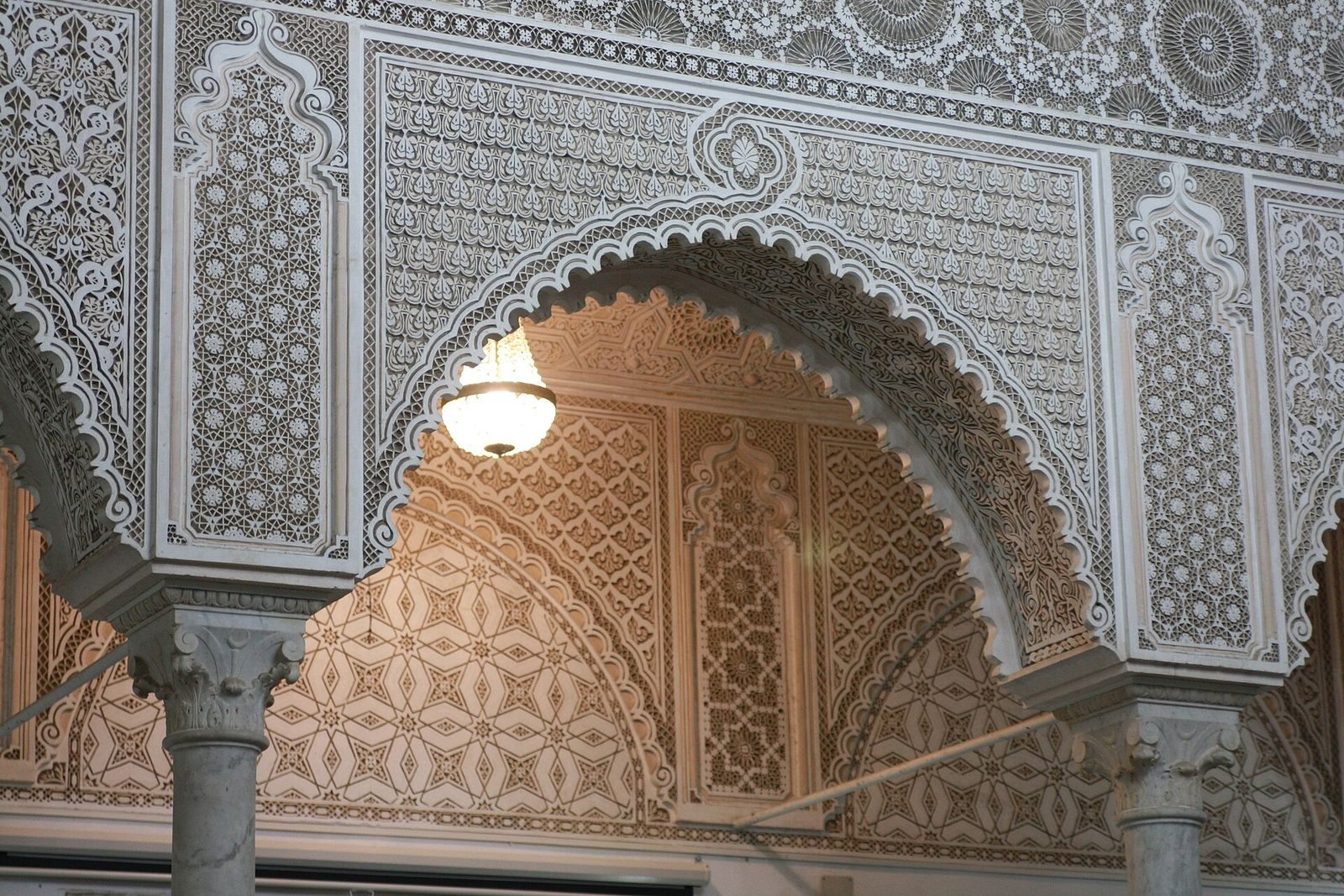
The palace combines Turkish, Arab, and Andalusian architectural styles. Zarrouk’s son later expanded the estate around the residence.