Kasbah of Le Kef: An Ottoman Fortress and Administrative Center
Site at a Glance
- Rating
- 4.1
- Popularity
- Very Low
- Country
- Tunisia
- Primary era
- Early Modern
- Eras represented
- Classical, Early Modern, Modern
- Civilizations
- Ottoman, Roman
- Site type
- Military
- Remains
- Citadel
On this page6 sections
History
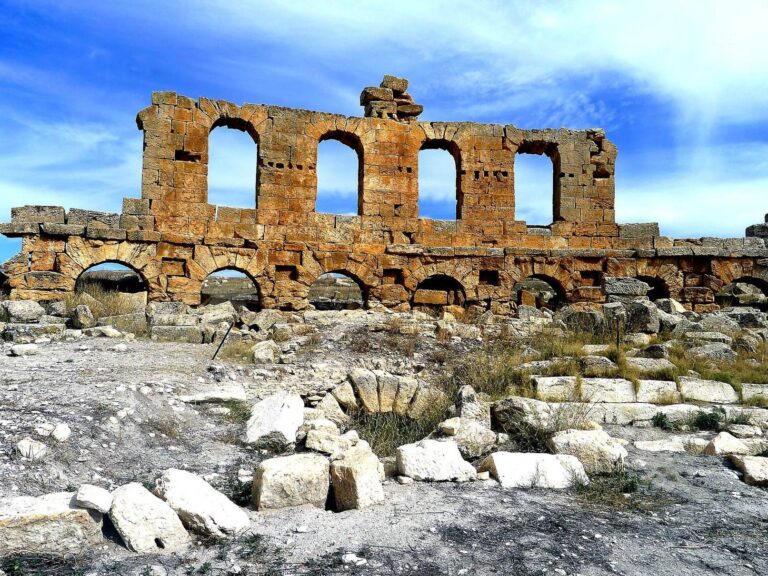
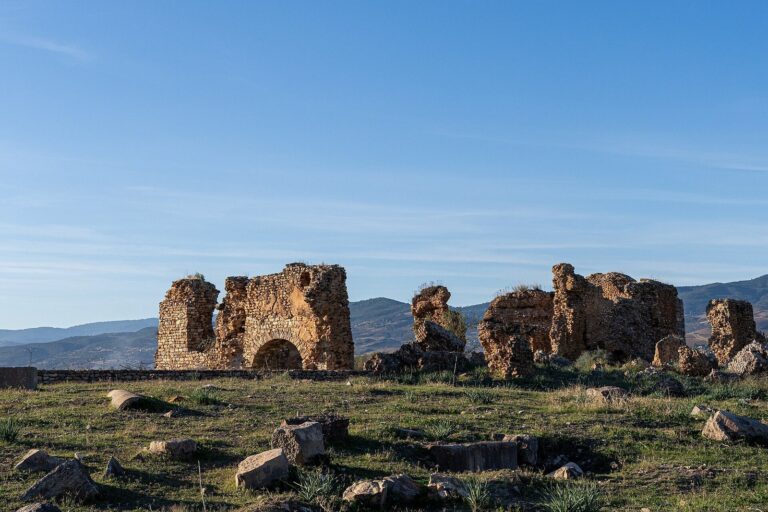
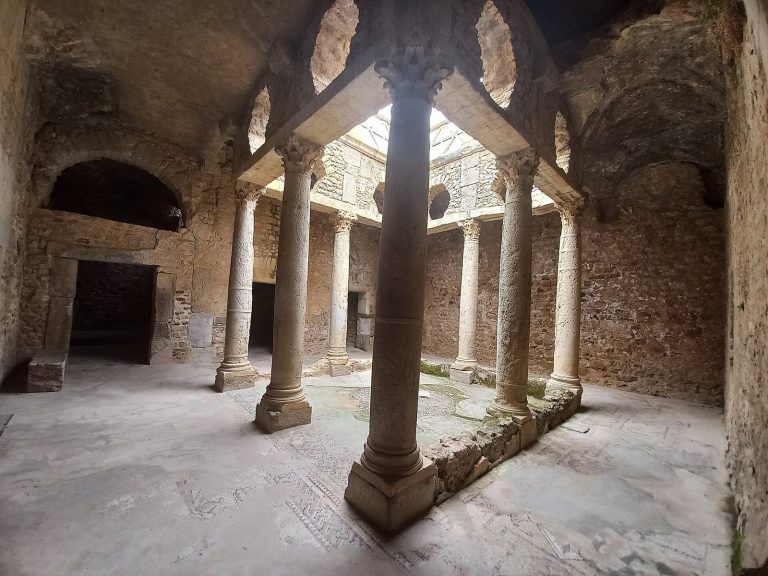
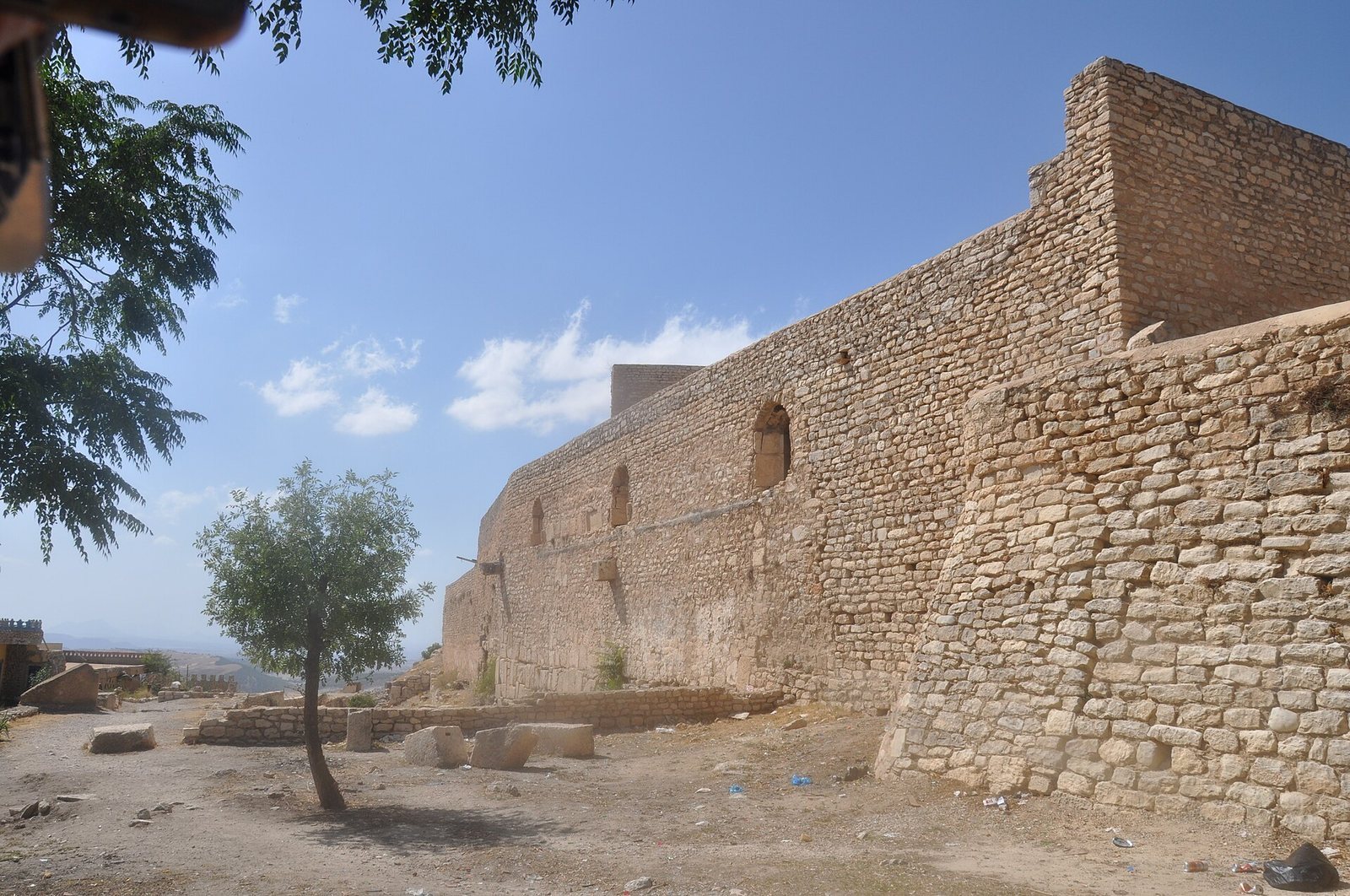
The Kasbah of Le Kef is a fortified citadel in Le Kef, Tunisia, established in 1600 under Ottoman rule. At the time, the Ottoman Empire governed Tunis and the surrounding region. Romans and Arabs had earlier used the site to defend the city, and texts, inscriptions, and ruins within the fort point to this earlier role.
Ottoman foundation and expansion
The kasbah was one of several forts intended to monitor the area as Ottoman authorities sought to control local tribes and borderlands. It helped defend the city and also served as an administrative center.
A renovation during the mid-17th century, under Hammuda Pasha, ruler of Tunis, added further fortifications.
Repairs and continuing use
In 1806, the fortifications were repaired by the Dutch military engineer Humbolt under the supervision of Arabi Zarouk. The work included the addition of towers.
The kasbah now serves as an open-air theater with space for 4,000 spectators and is also used for festivals.
Remains
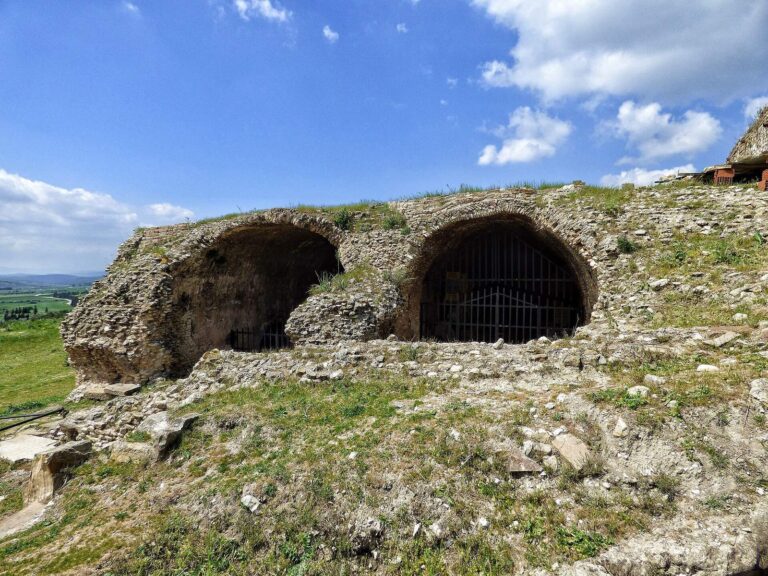
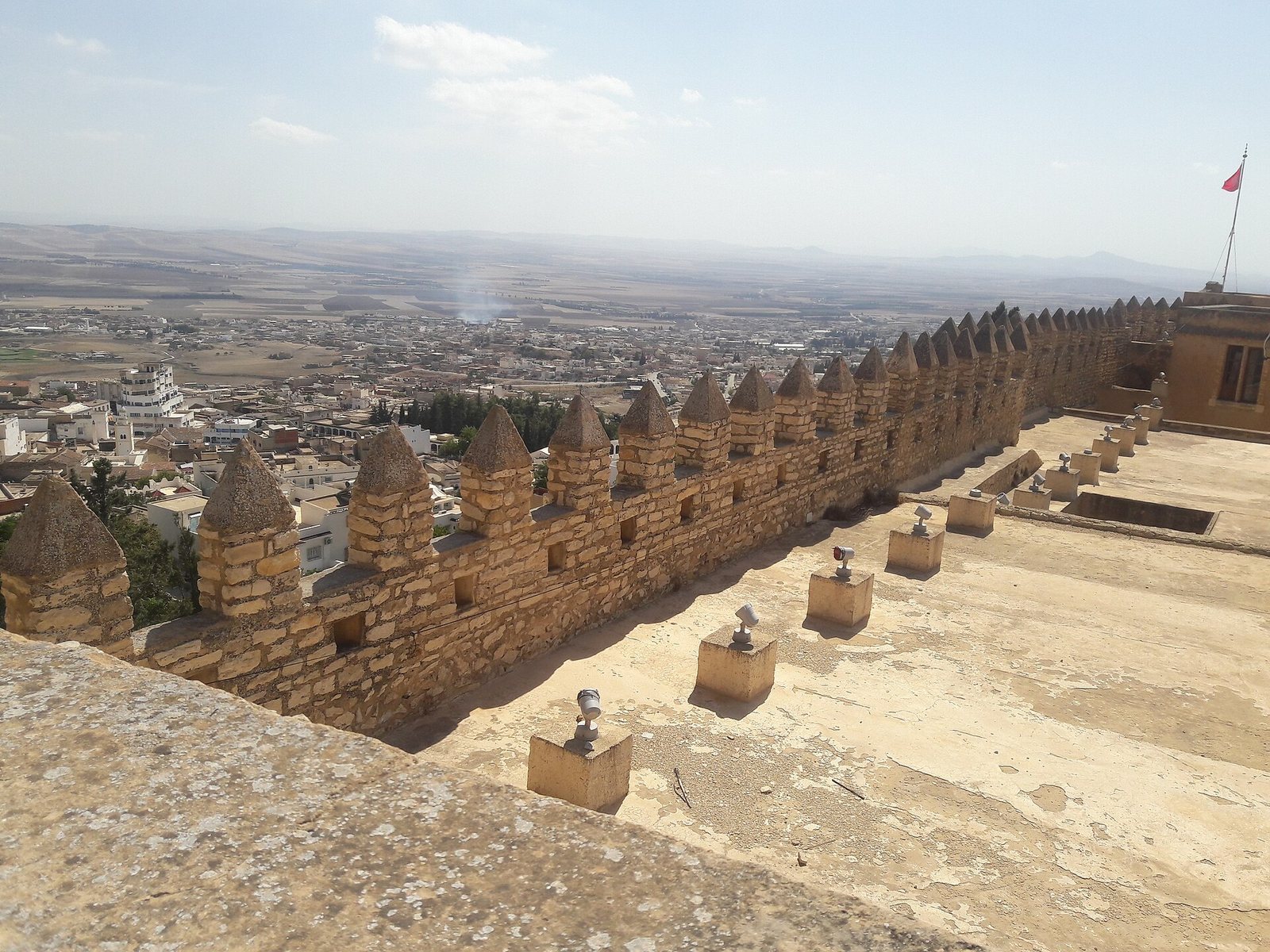
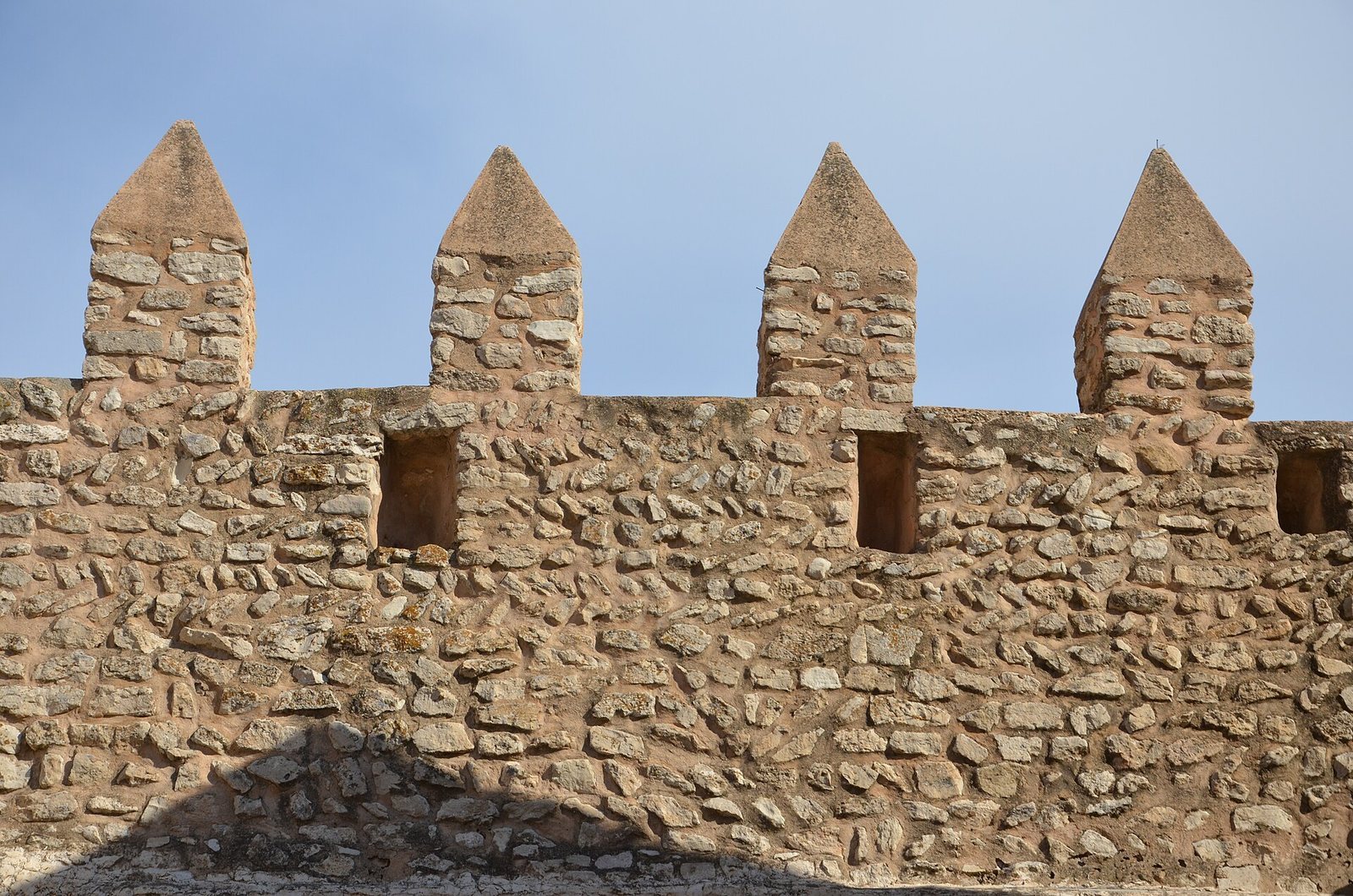
The complex consists of two distinct forts and overlooks much of the surrounding city. Their features include defensive structures, rooms for soldiers, religious space, and facilities for storing water and gunpowder.
Smaller fort
The smaller fort is the older of the two. It has four towers and rooms for soldiers, as well as a concealed escape door on its northwest side that opens to the outside.
Larger fort
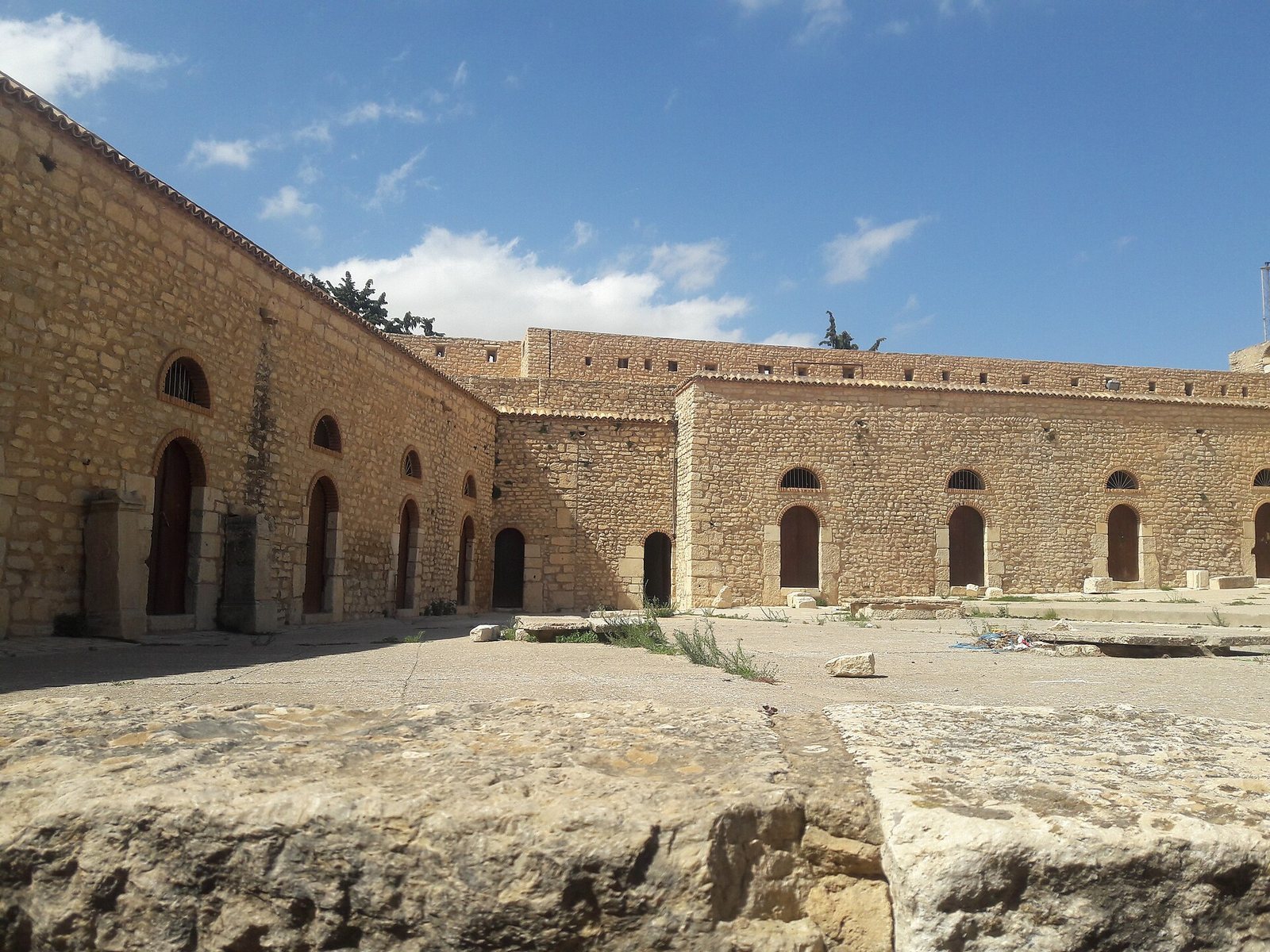
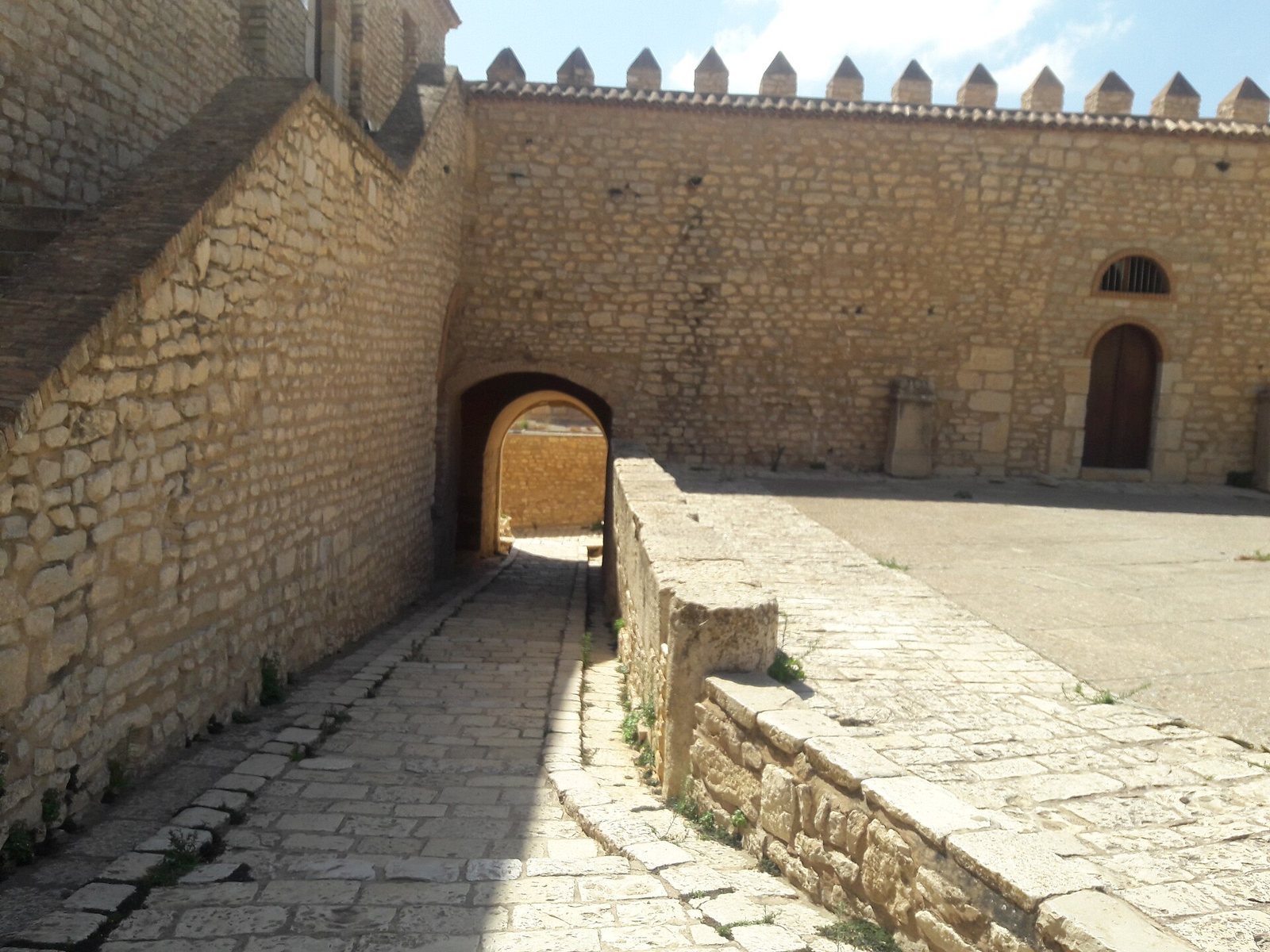
A bridge crosses a moat associated with the larger fort. Added during the 17th-century renovation, the moat extends toward the lower part of the medina, the city’s historic urban quarter. The fort includes a watchtower, a palace-like building, and a spacious courtyard bordered by rooms. It also contains a mosque, gunpowder stores, and cisterns for collecting rainwater.