Ulstrup Castle: A Renaissance Manor House in Denmark
Site at a Glance
- Rating
- 4.2
- Popularity
- Medium
- Country
- Denmark
- Primary era
- Early Modern
- Eras represented
- Early Modern
- Civilizations
- Danish
- Site type
- Domestic
- Remains
- Manor House
On this page8 sections
History
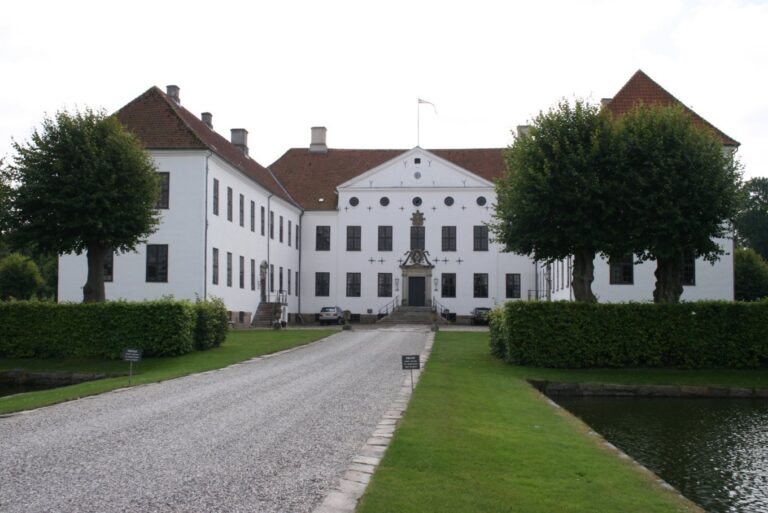
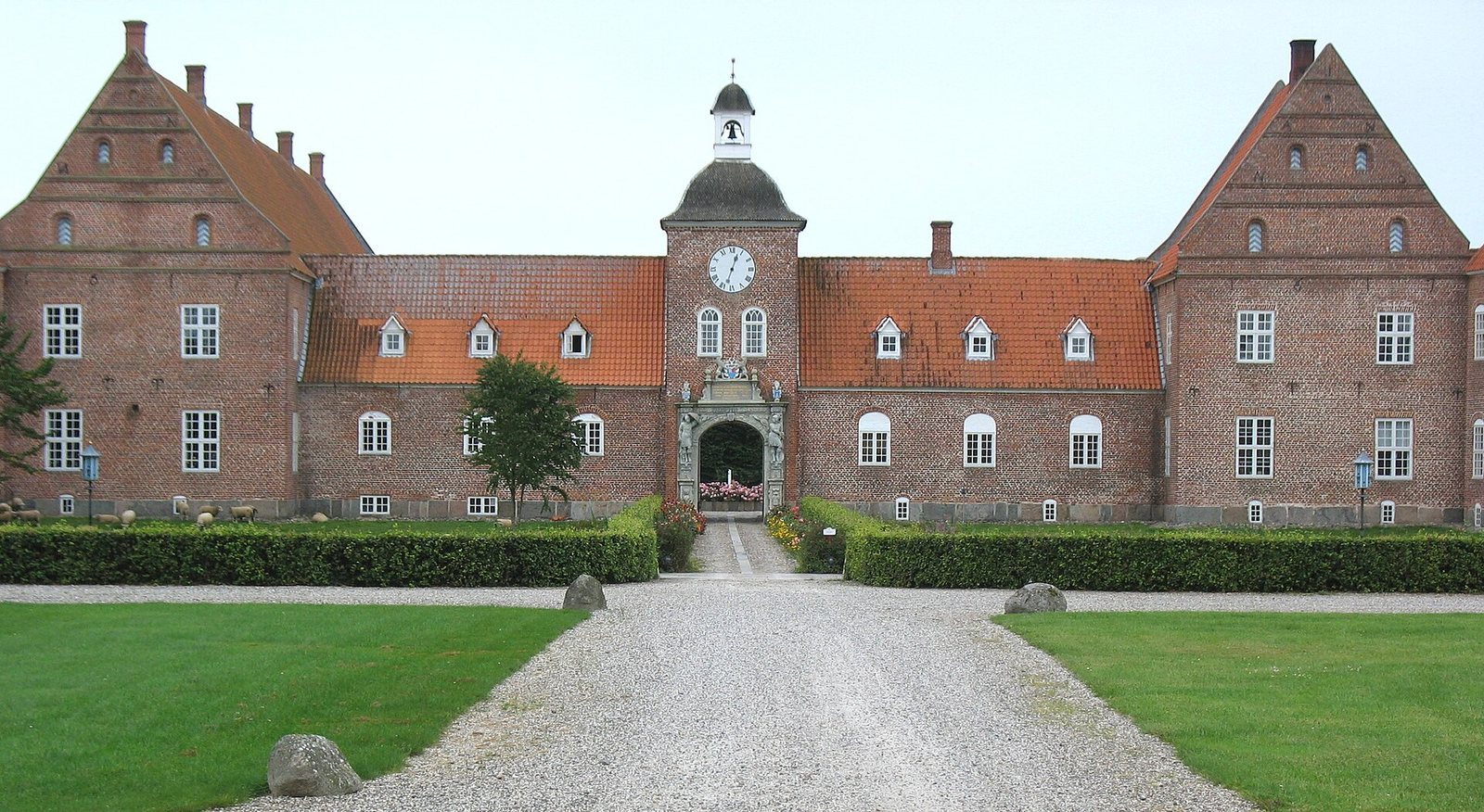
Ulstrup Castle is a Renaissance manor-house complex in Ulstrup, Denmark. Construction began in 1581, and the complex was completed in 1668. Renaissance architecture drew on renewed interest in classical forms and principles.
Early Ulstrup and the Skeel family
In the late 14th century, Ulstrup belonged to Jens Brandsen. Queen Margaret I, a Danish ruler who brought Denmark, Norway, and Sweden under her influence, later owned it. The original house disappeared, and Ulstrup continued as a village.
Christen Skeel, a Danish nobleman and privy councillor, or senior royal adviser, acquired Ulstrup in 1579 and cleared the site for a new manor house. The estate remained with the Skeel, also spelled Scheel, family until 1809.
Railway town and restored manor
Ulstrup later developed as a railway town after the Langå–Viborg line opened in 1863. In the 1920s, the estate was divided and most of its land sold in parcels. From 1951, the remaining grounds housed an amusement park and zoo. Since 1980, after much of the land was reacquired and the buildings extensively restored, the castle has again functioned as a manor house.
Remains
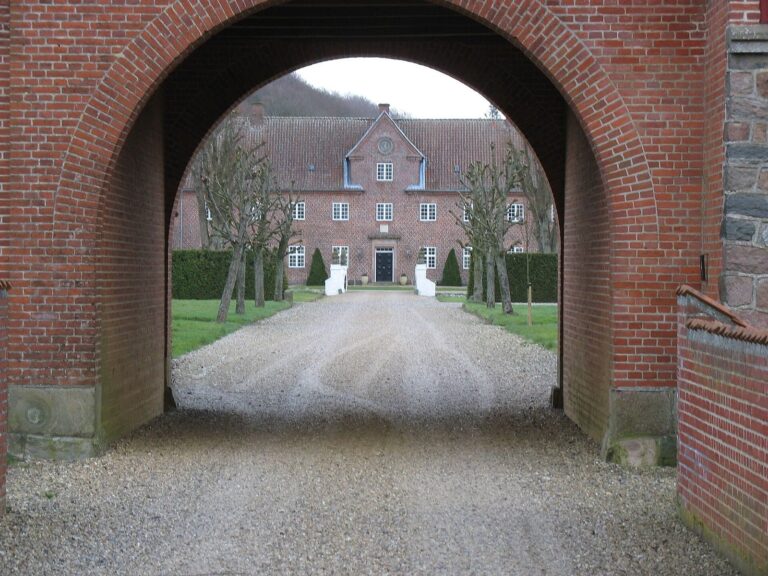
The surviving Renaissance complex consists of manor-house wings and an eastern gate wing, which enclosed the grounds. An agricultural building forms another part of the complex.
The manor-house complex
North, south, and west wings
The north wing incorporates Christen Skeel’s original house, built in 1591. Between 1615 and 1617, his son Jørgen added south and west wings. The west wing was demolished in 1755.
East gate wing
A lower gate wing on the east side later enclosed the complex. Two octagonal pavilions mark its corners, while a small tower topped by a lantern rises above the centre of the gate.
Agricultural building
An agricultural building was added in 1668, the year the wider complex was completed.