Kattenhorn Castle: A Former Moated Residence in Germany
Site at a Glance
- Rating
- 4.5
- Popularity
- Low
- Country
- Germany
- Primary era
- Medieval
- Eras represented
- Medieval, Early Modern, Modern
- Civilizations
- Grand Duchy of Baden, Holy Roman Empire
- Site type
- Domestic
- Remains
- Castle
On this page7 sections
History
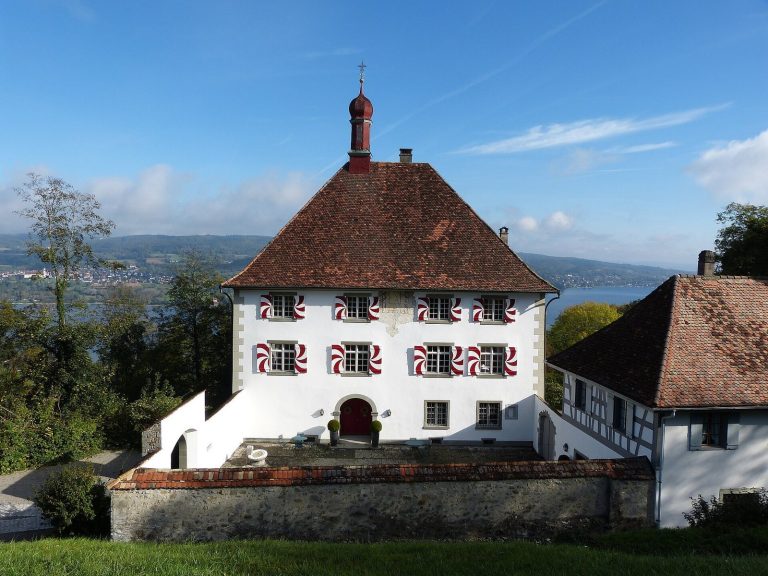
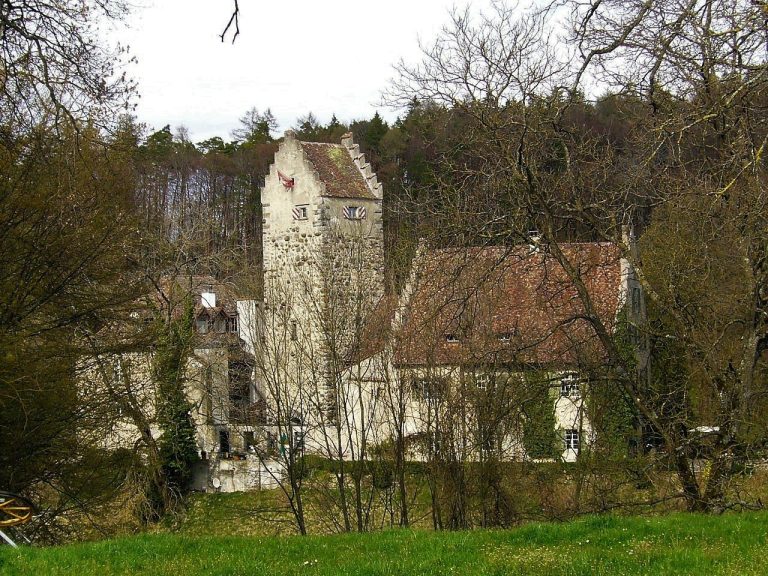
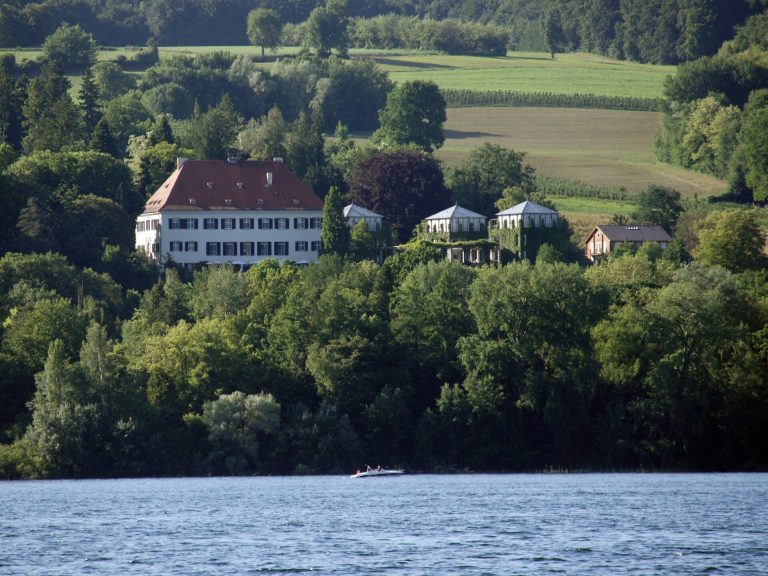
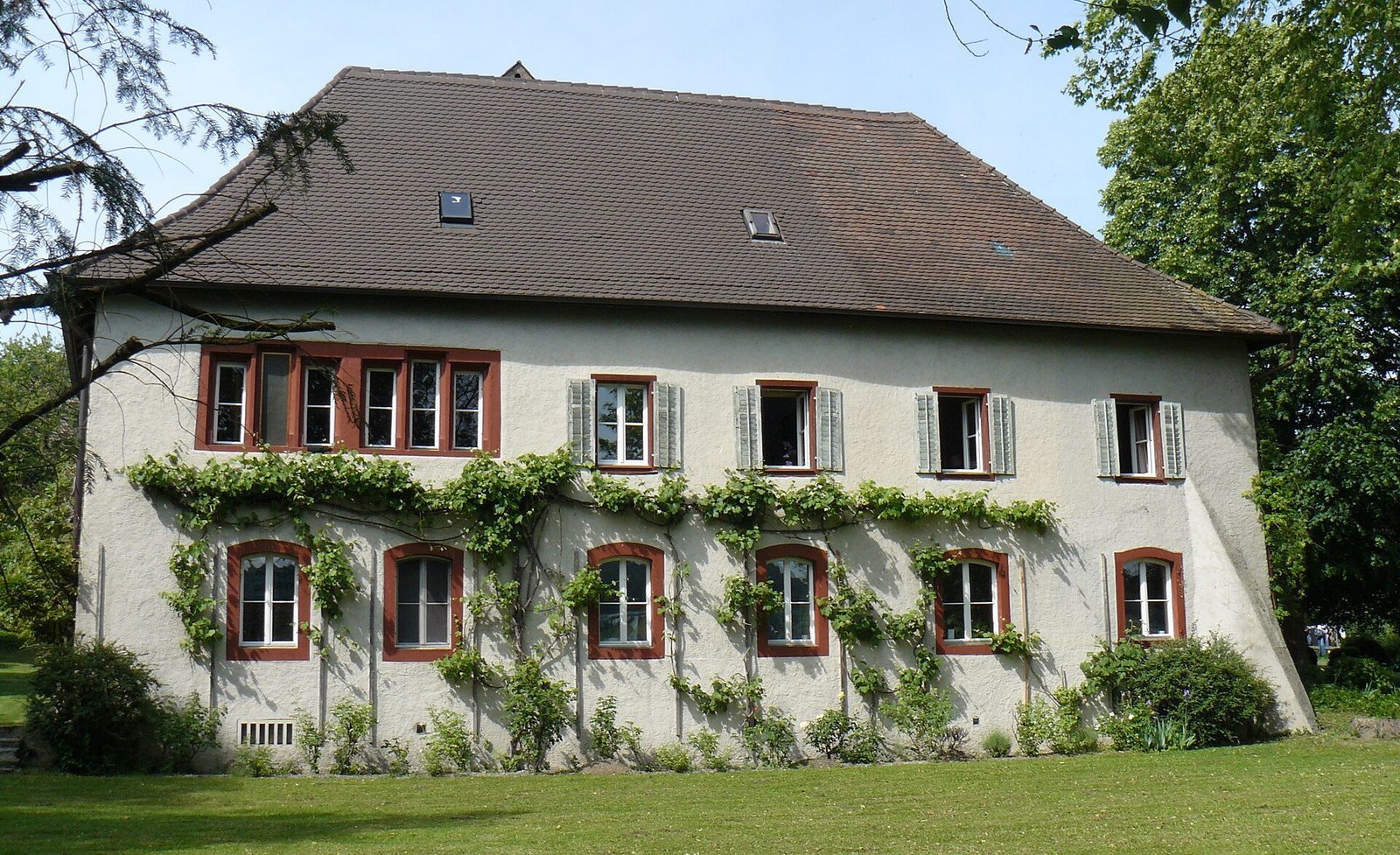
Kattenhorn Castle is a former moated residence in the hamlet of Kattenhorn, within Öhningen, Germany, on the Höri peninsula in Lake Constance. The fortified residence was probably built around the middle of the fourteenth century and first appears in a record in 1391.
Medieval References and Ownership
On 16 October 1166, Emperor Frederick I, known as Barbarossa, confirmed possessions of Öhningen Abbey that included Cattenhorn. Cattenhorn was also said to have been an imperial fief, land held under the emperor’s authority, associated with the medieval noble family of Hohenklingen. This reference concerns the locality, not a castle.
Hermann Kremlich, the castle’s first owner, came from a knightly family in Pfullendorf and was last mentioned in 1402. The property later passed by inheritance from the last of the Hohenklingen line to the Counts of Fürstenberg. After changing hands several times, it returned to Fürstenberg ownership.
Nineteenth-Century Changes
On 12 March 1867, the Counts of Fürstenberg sold the castle to Johann Heinrich Im Thurn, a nobleman from Schaffhausen. He extensively remodeled it in an effort to establish an agricultural enterprise, but the venture failed. After Im Thurn’s death, his widow sold the property to Hammer von Colmar, a retired artillery lieutenant. Following further alterations, Hammer von Colmar sold it to the physician Vollbeding. After additional changes of ownership, it returned to private ownership.
The Chapel and Its Tradition
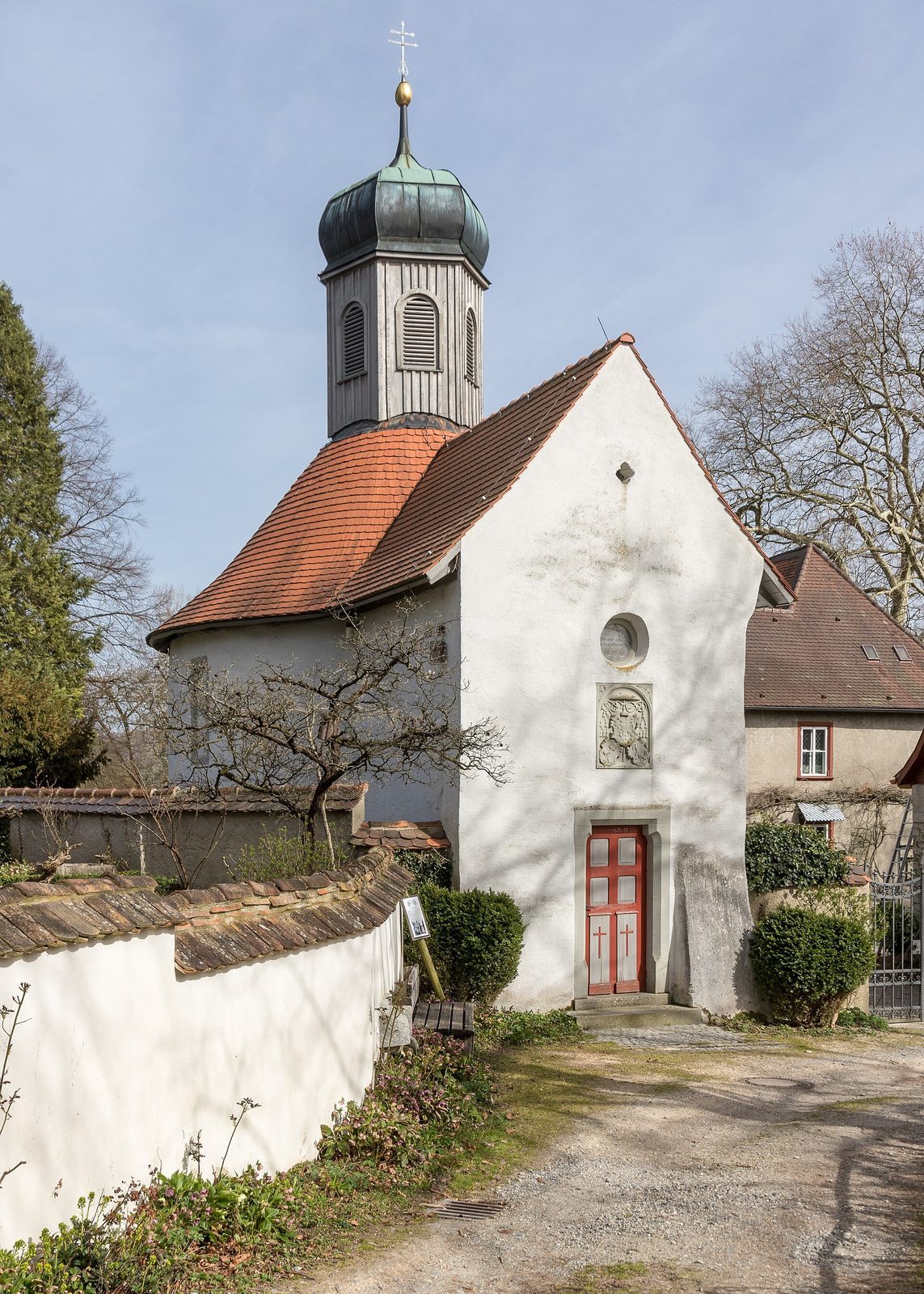
A local legend says that during sixteenth-century iconoclasm, the rejection or destruction of religious images, at Mammern, a statue of Saint Blaise was thrown into the lake and drifted ashore at Kattenhorn. Blaise, a Christian saint traditionally identified as a bishop and martyr, became the patron saint of Kattenhorn’s residents. Regular services are held in his chapel.
Remains
The surviving layout includes the preserved main building and a chapel attached to the former castle wall. The remains reflect the site’s earlier fortified arrangement and its later remodelling.
Castle and Grounds
The nineteenth-century remodeling removed the castle’s tower and moats, and the garden was laid out anew.
Chapel of St. Blaise
Built in 1520 in honor of Saint Blaise, the chapel was formerly inside the castle’s wall ring. It now forms an externally accessible annex to the wall, built against a round corner tower, with a coat of arms above its entrance. Two bells hang in the tower: one dates to the fourteenth century, and the other was made by Niklaus Oberacker in 1518.