Palacio de los Altamira: A Historic Palace in Spain
Site at a Glance
- Rating
- 4.2
- Popularity
- Medium
- Country
- Spain
- Primary era
- Medieval
- Eras represented
- Medieval, Early Modern
- Civilizations
- Unclassified
- Site type
- Domestic
- Remains
- Elite Residence
On this page7 sections
History
Late fifteenth-century foundation
The Palacio de los Altamira is a palace in Spain, built in the late fifteenth century over an earlier building. Its architectural history includes Gothic and classicist forms. From April to June 1496, it hosted Ferdinand II of Aragon and Isabella I of Castile, known as the Catholic Monarchs. Their dynastic union helped establish the Spanish monarchy.
Sixteenth-century changes
The palace underwent alterations during the sixteenth century, as its architecture developed beyond its older Gothic elements.
Recognition and damage
Spain designated the palace an Asset of Cultural Interest in the monument category in 1991. In September 2026, several collapses affected the building, including repeated collapses of its Gothic façade, despite warnings from municipal authorities.
Remains
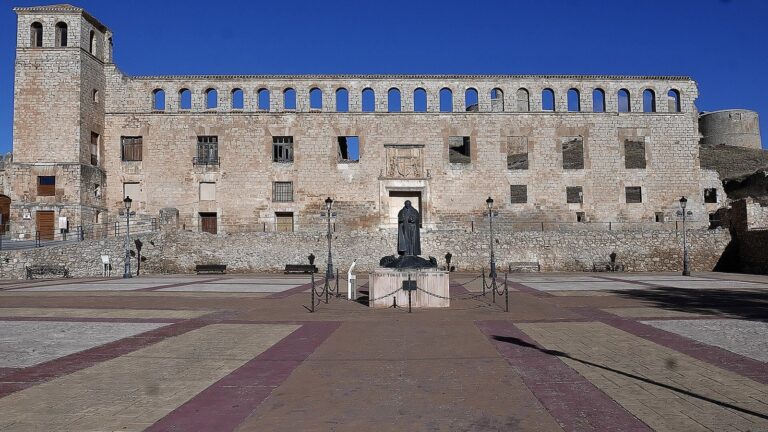
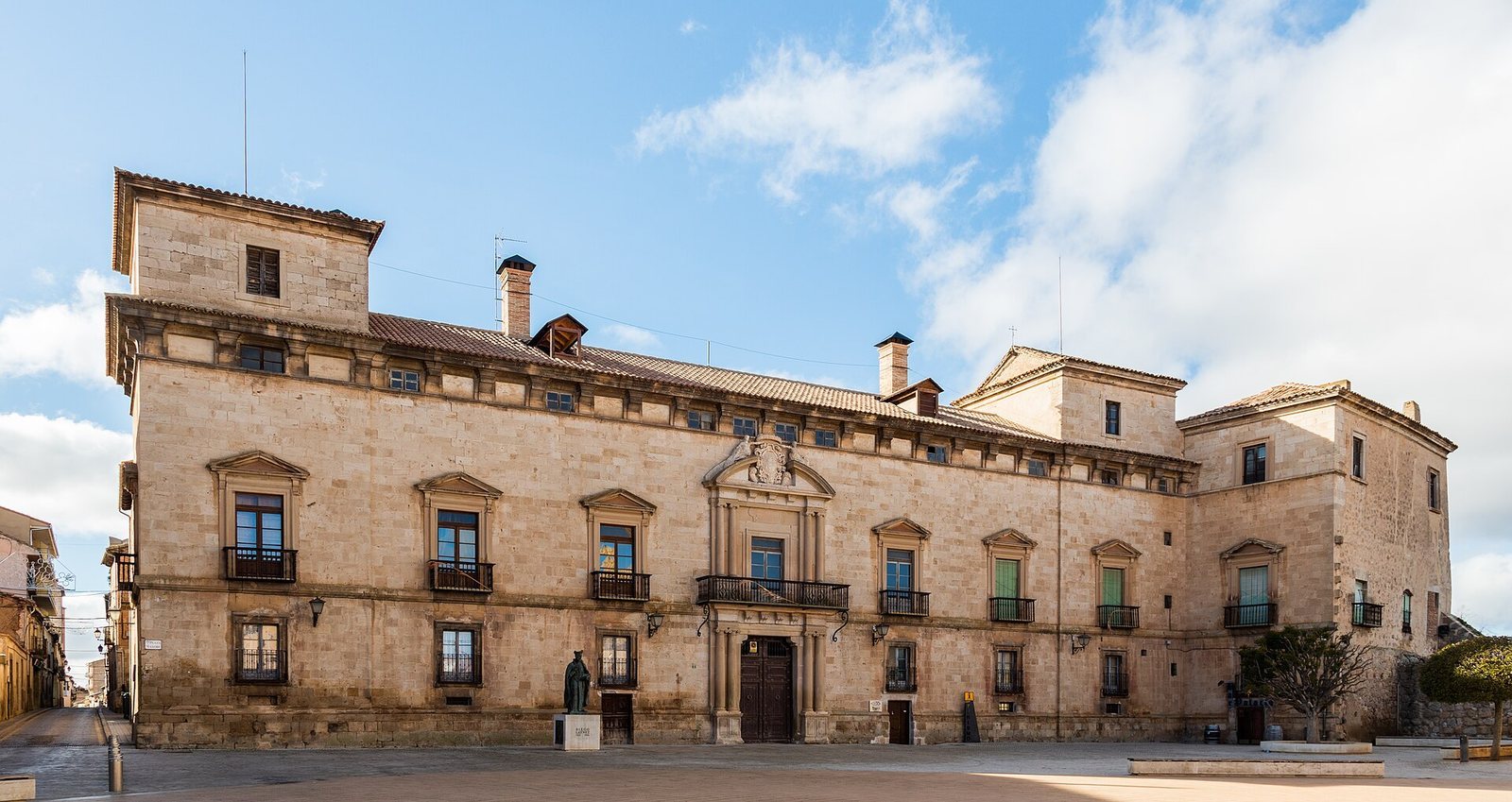
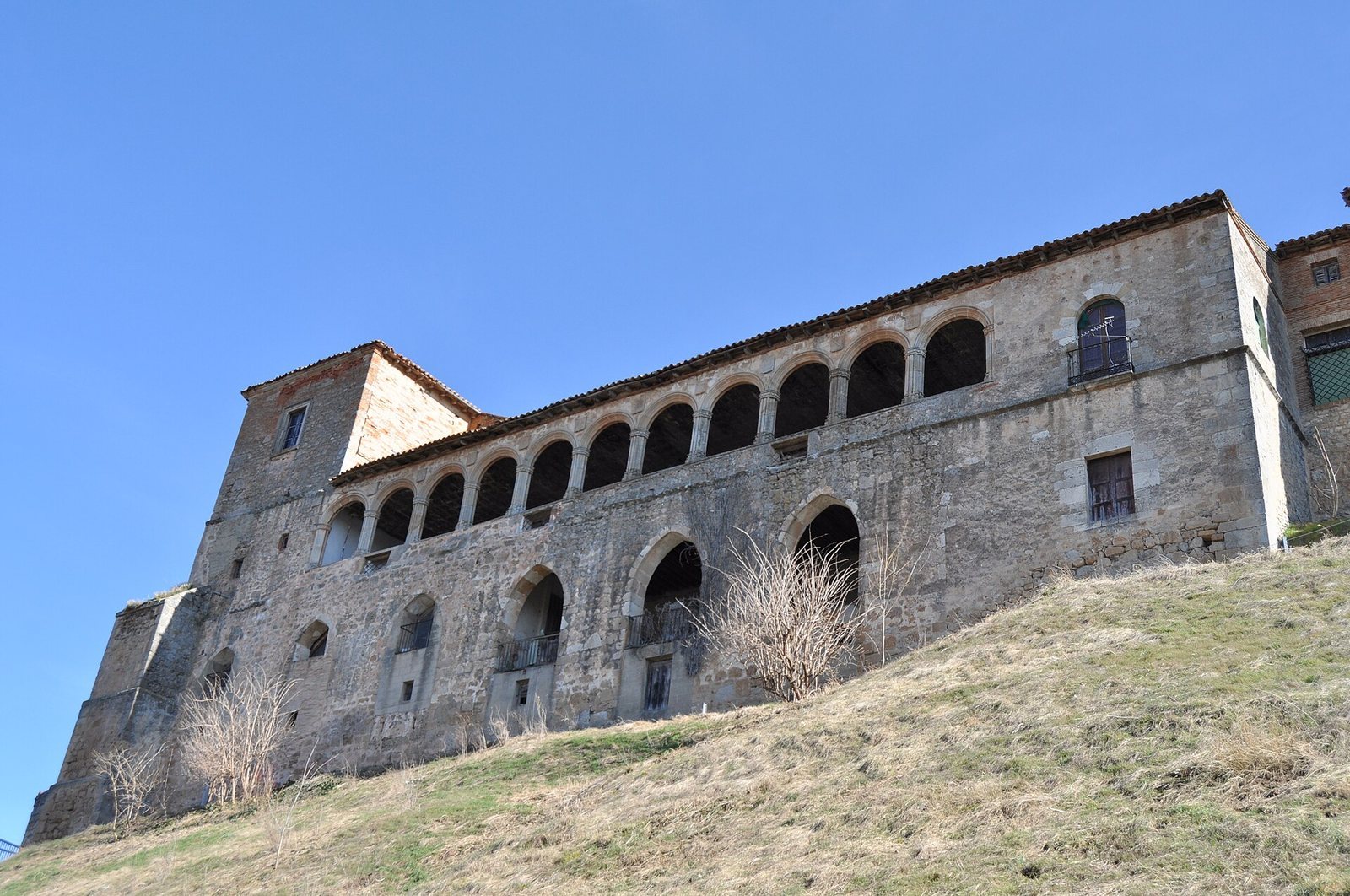
The palace has two principal façades with different orientations and architectural character. Its oldest façade faces the Duero River, while the main façade looks onto the town’s main square.
Riverside Gothic façade
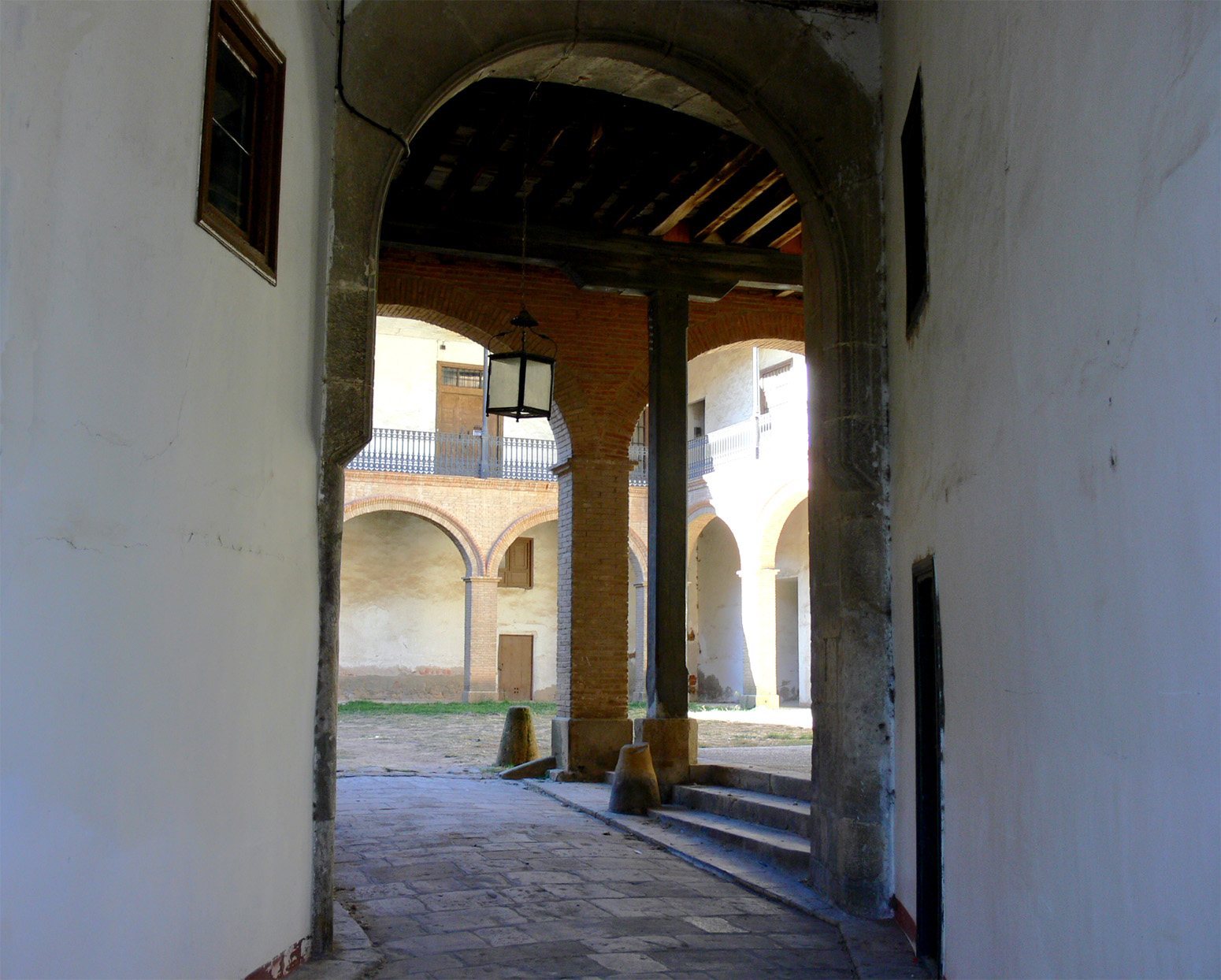
The oldest section is a façade in the Gothic style, a medieval architectural form. It features a gallery of semicircular arches, with coats of arms in the spandrels, the roughly triangular spaces between an arch and its surrounding frame. Above it is a roof of carved woodwork in the Mudéjar tradition, which adapted forms and craftsmanship associated with Islamic art for Christian settings.
Principal façade
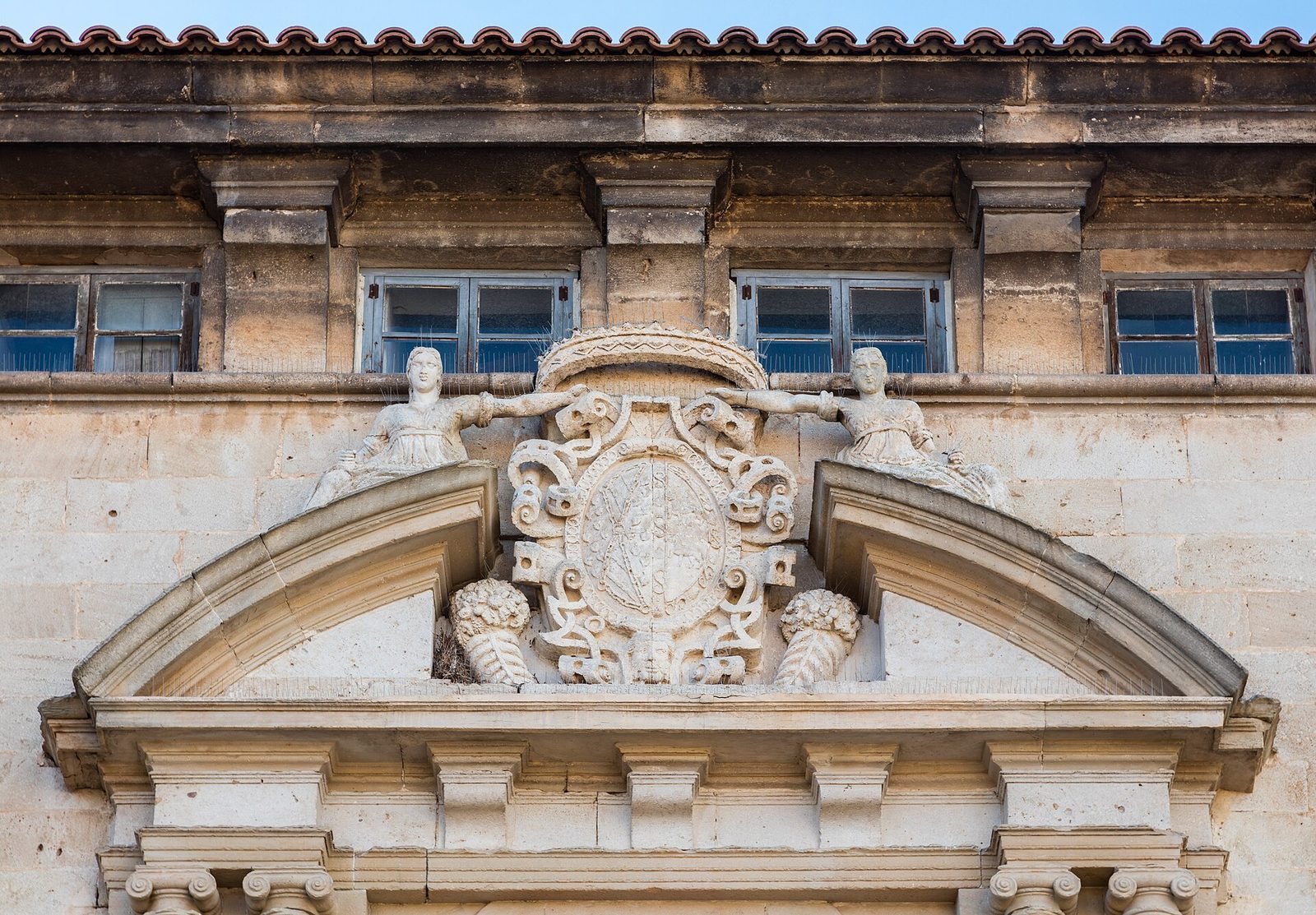
Dating to around 1575, the principal façade has a classicist design based on classical models. It rises across two storeys, with a tower at each end and a projecting section on the left. At its center, a Renaissance doorway and balcony are framed by paired Ionic columns, whose capitals have scroll-like forms. A broken pediment, with an interrupted upper outline, tops the composition and contains the noble coat of arms.