Ten Dorpe Castle: A Country House in Mortsel, Belgium
Site at a Glance
- Rating
- 4.6
- Popularity
- Low
- Country
- Belgium
- Primary era
- Medieval
- Eras represented
- Medieval, Early Modern, Modern
- Civilizations
- Belgian, Duchy of Brabant, Habsburg, Habsburg Austria, Holy Roman Empire
- Site type
- Domestic
- Remains
- Castle
On this page6 sections
History
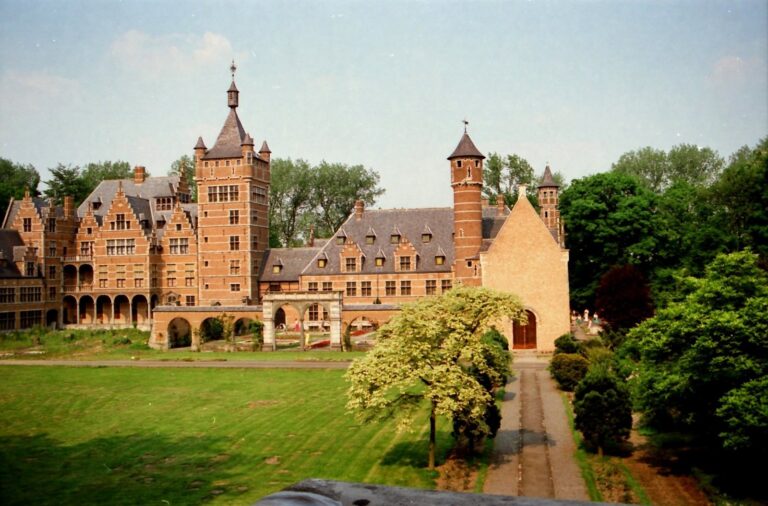
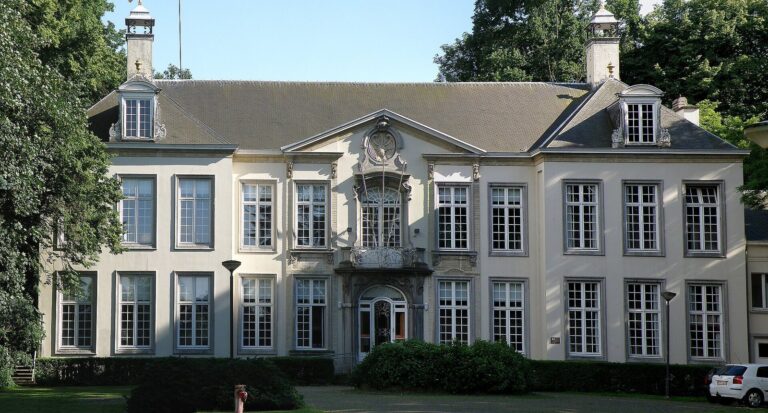
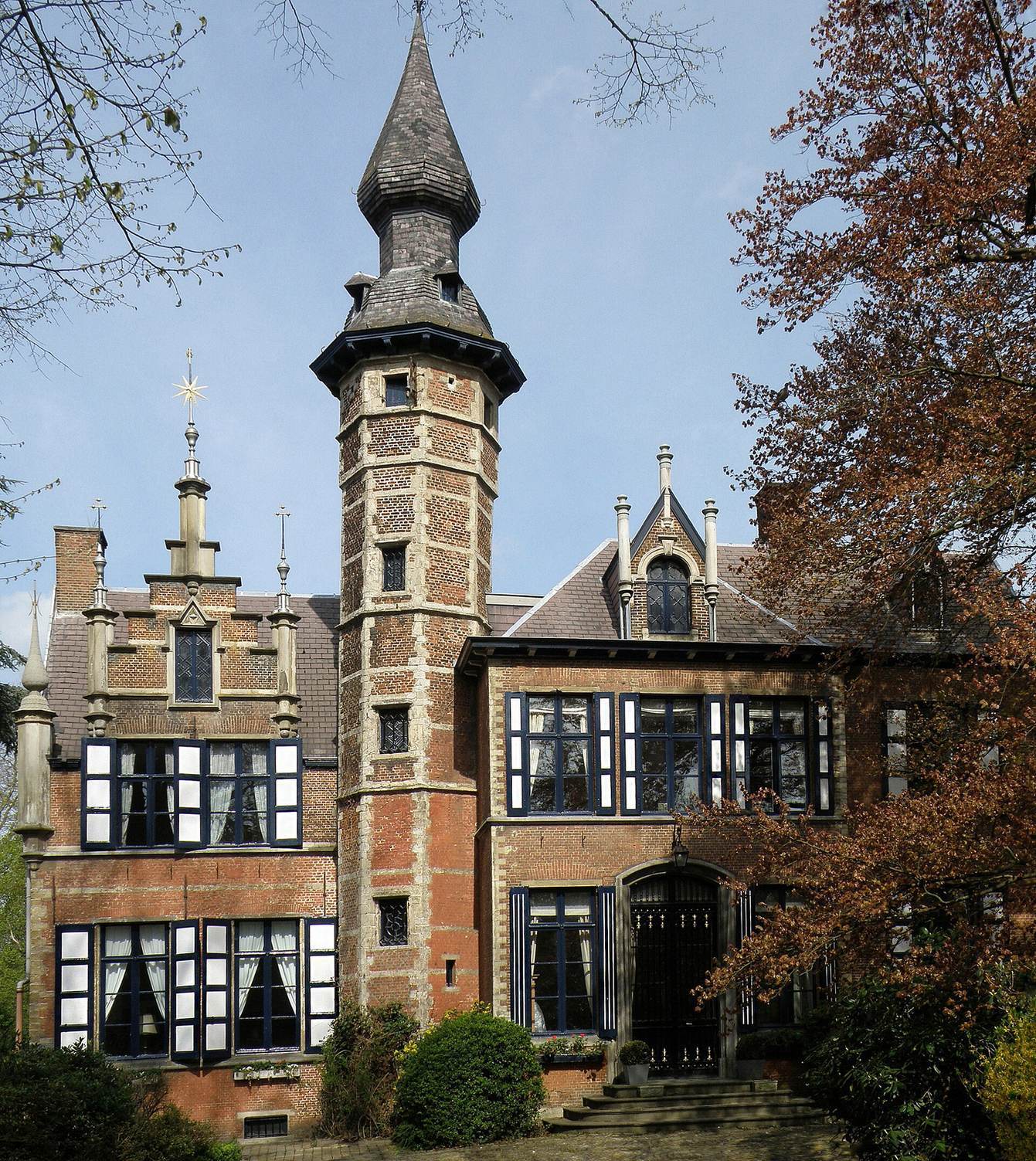
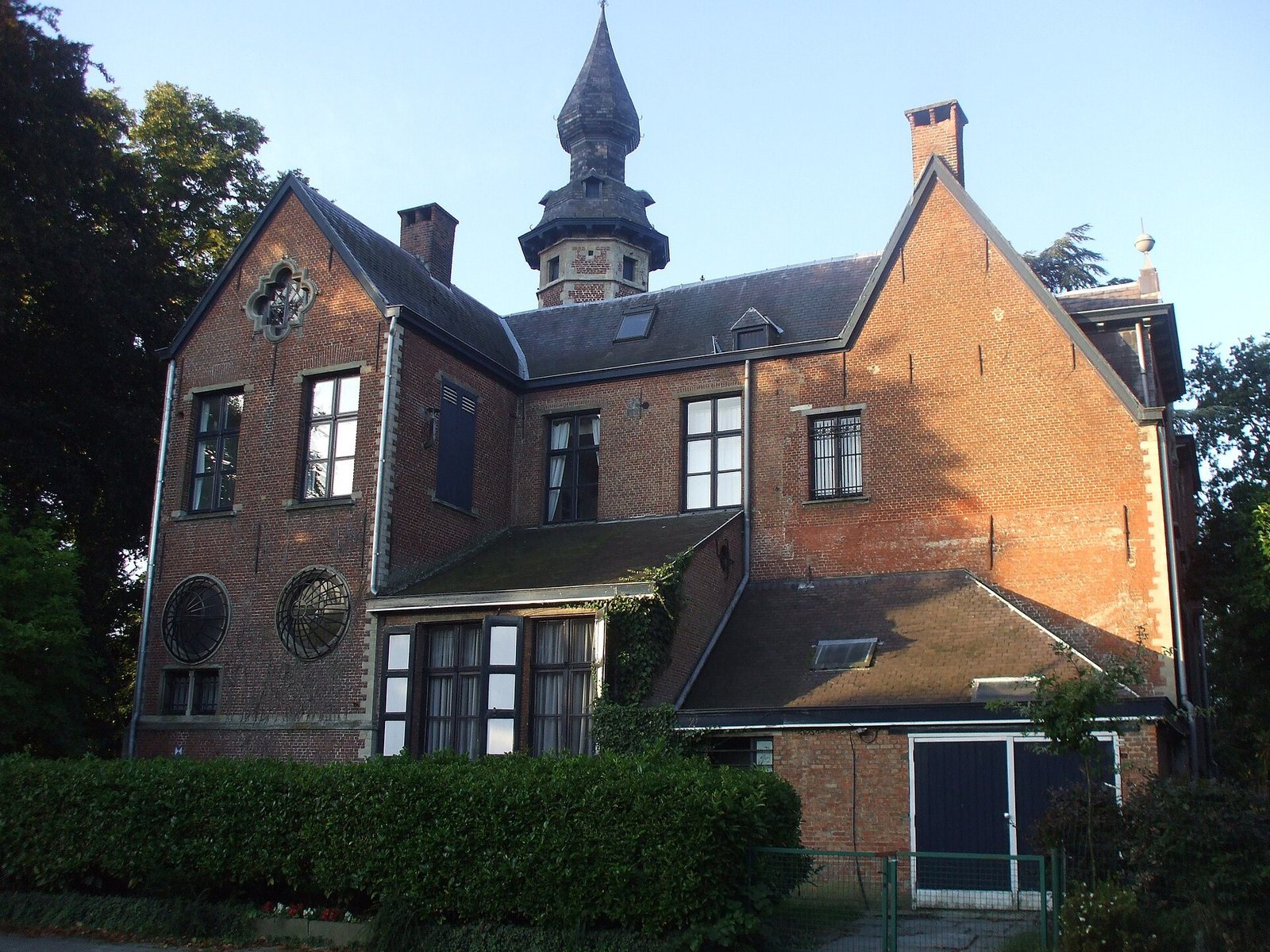
Ten Dorpe Castle is a country house in Mortsel, Antwerp, Belgium. Its facades and roof received Neo-Renaissance embellishment in the twentieth century.
Medieval estate and sixteenth-century upheaval
The earliest record of Hof ten Dorpe dates to 1289, when it was a fief of Castle Cântincrode. A fief was land held from a superior in return for obligations. In 1558, the knight Jan de Jonge sold the house to Antwerp merchant Manneart. On 5 August 1583, Antwerp residents burned it during the Dutch Revolt, the Netherlands’ sixteenth-century uprising against Spanish rule, leaving the house in ruins.
Restoration and later ownership
Flemish painter Peter Paul Rubens drew at the house in 1609. The Antwerp Goubau family restored it during the seventeenth century, and the Heideland farmstead was erected in 1746.
The De Toinct d’Oyevaersnest family lived at Hof ten Dorpe until 1830, when the father of future mayor Herman Ullens bought the house. Herman Ullens owned and lived there from 1859 to 1871.
Remains
House and entrance
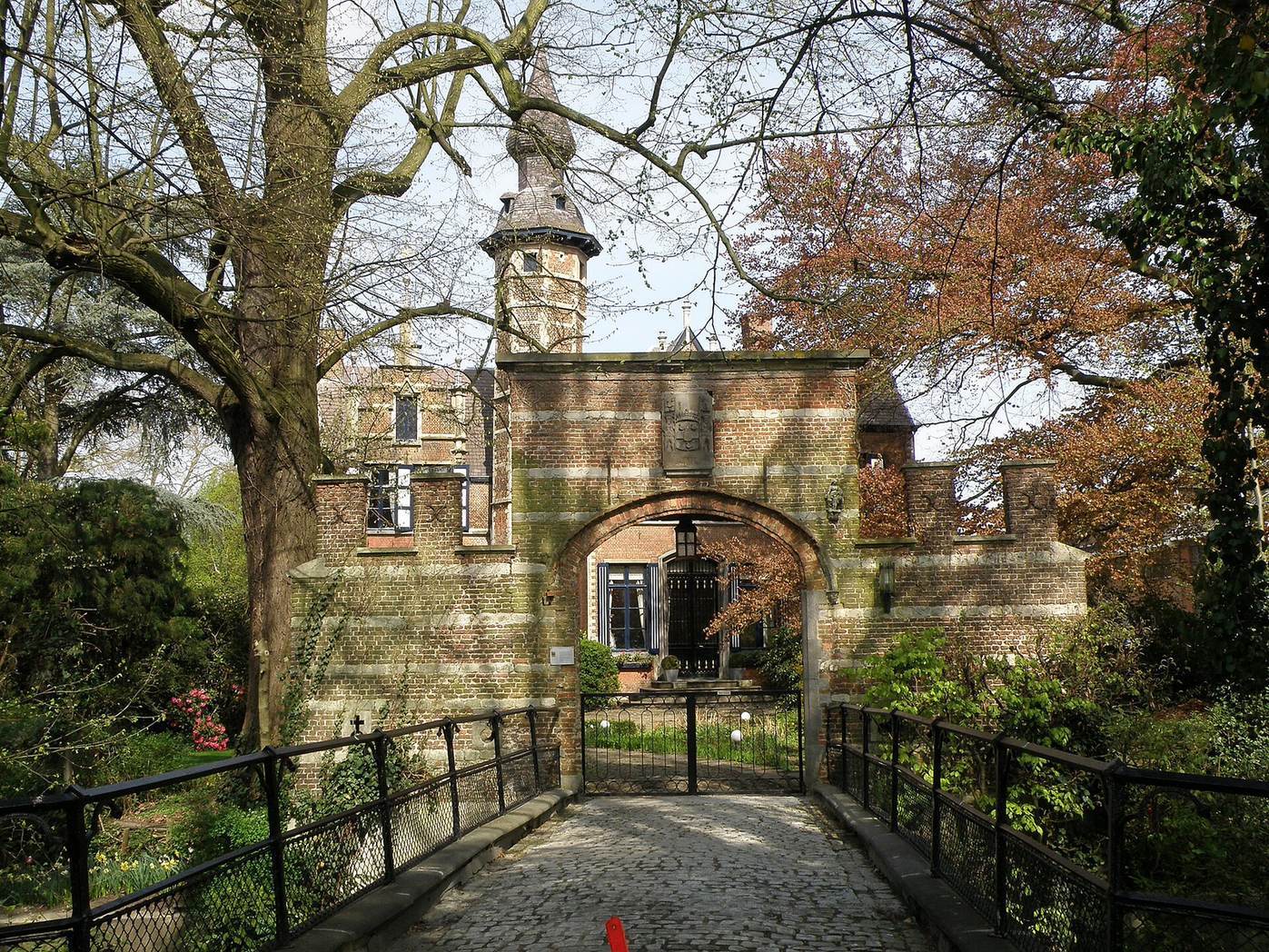
The foundations and surrounding fortifications date to the Middle Ages. A tower and gate were built around 1500. Above the entrance gate, a coat of arms belonged to the De Toinct d’Oyevaersnest family.
Heideland farmstead
The Heideland farmstead, erected in 1746, forms part of the site’s surviving built features.