Dampierre-en-Burly Castle: A French Noble Estate
Site at a Glance
- Popularity
- Medium
- Country
- France
- Primary era
- Early Modern
- Eras represented
- Early Modern
- Civilizations
- French
- Site type
- Domestic
- Remains
- Castle
On this page4 sections
History
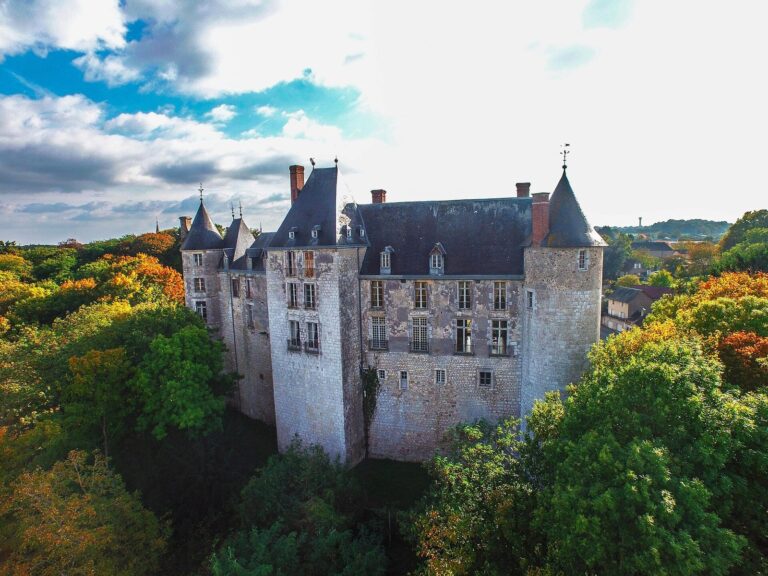
Dampierre-en-Burly Castle is a historic estate in France’s Loiret department. Construction began in the seventeenth century. The property belonged to the Cugnac family during the fifteenth and sixteenth centuries. In February 1598, letters raised it to a barony, a territorial noble title, for François II de Cugnac, making it the first barony in the County of Gien. François advised the king as a state councillor, held senior command in the Orléans military governorship, and held the senior military rank of marshal of the camp. He was also a companion of Henry IV, king of France from 1589 to 1610. In 1616, the estate became a marquisate, another territorial noble title, for Antoine IV de Cugnac.
Seventeenth-Century Ownership and Decoration
The estate was seized and sold in 1628. Jean-Jacques Delu, a royal councillor who advised the king, acquired it and sold it in 1645 to Louis Picard, treasurer of the King’s extraordinary finances. The painter Michel Dorigny (1616–1665) was among those who decorated the château.
Revolution and Nineteenth-Century Rebuilding
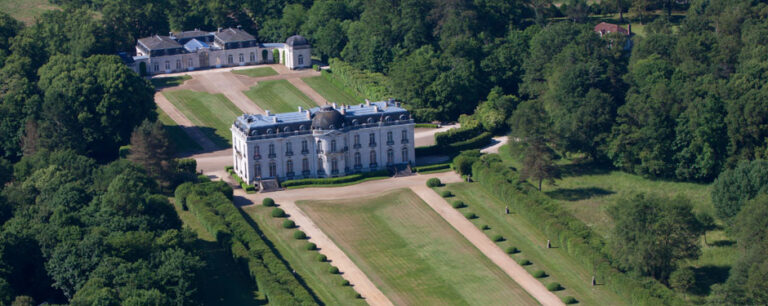
In the eighteenth century, the estate passed to Claude Feydeau de Marville, a French magistrate and administrator. The château was destroyed during the French Revolution, the period of political upheaval in France that began in 1789. A château was rebuilt on the site in the nineteenth century. In 1826, agricultural specialist Amédée de Béhague settled on the estate and established a 2,000-hectare property. It later passed by inheritance to the Ganay family.
In 1928, the château was registered as a historic monument. The protection covered its principal pavilion and four smaller pavilions at the entrance.
Remains
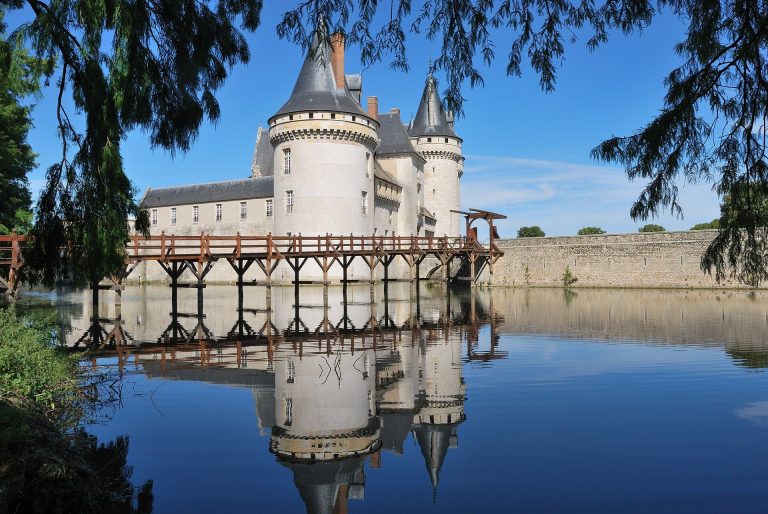
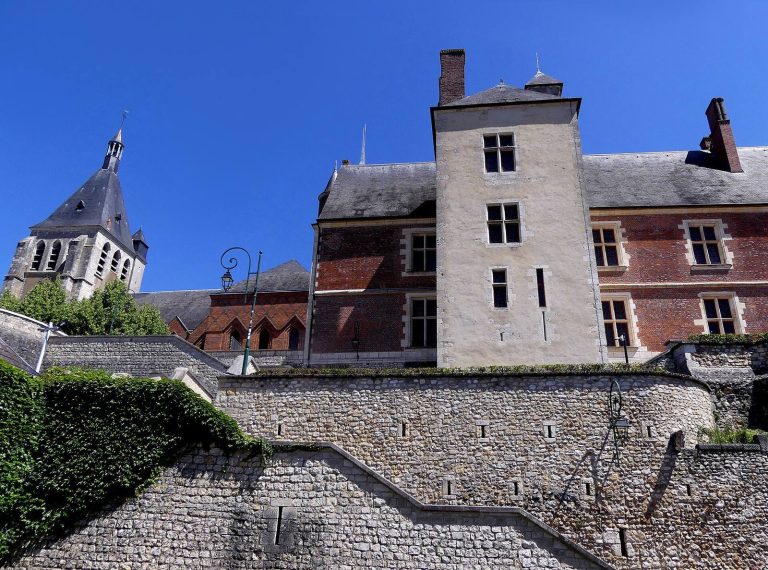
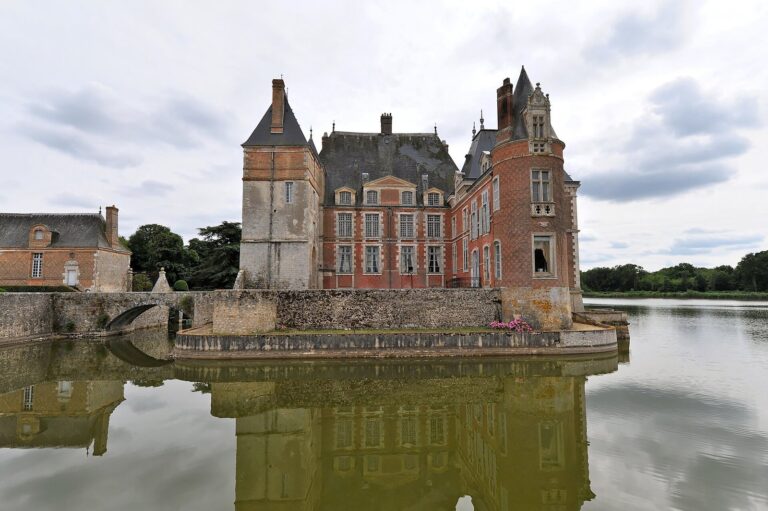
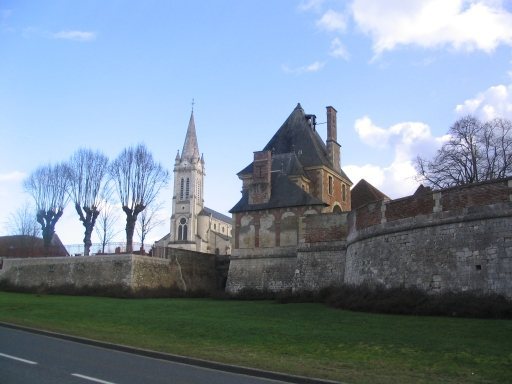
The castle stands in the center of Dampierre-en-Burly. Its entrance includes a principal pavilion and four smaller subsidiary pavilions. The clock pavilion, which serves as an entrance, is the sole remnant of the seventeenth-century château.