Thannhausen Castle: A Renaissance Residence in Styria
Site at a Glance
- Popularity
- Medium
- Country
- Austria
- Primary era
- Early Modern
- Eras represented
- Medieval, Early Modern
- Civilizations
- Duchy of Styria, Habsburg, Habsburg Austria, Holy Roman Empire
- Site type
- Domestic
- Remains
- Castle
On this page6 sections
History
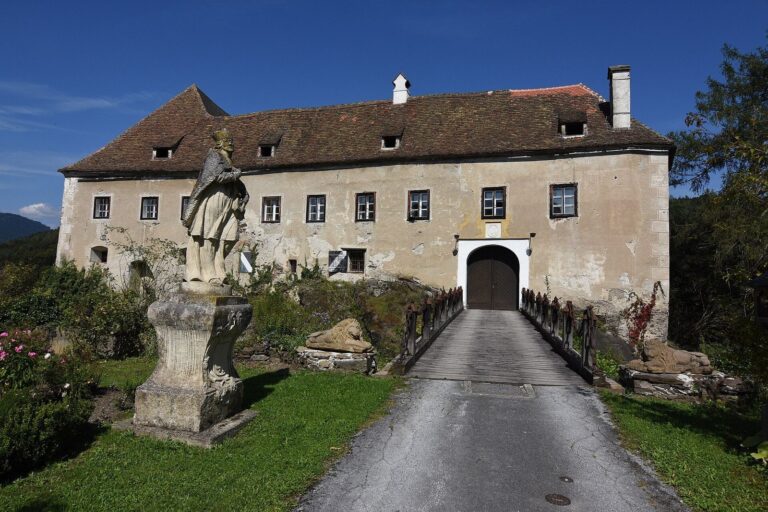
Thannhausen Castle is a Renaissance residence in Styria, Austria, built in the European artistic and architectural period that preceded the Baroque. A building inscription dated 1585 states that completion took place under Conrad, Baron von Thannhausen, and his wife, Dorothea von Teuffenbach.
The medieval estate
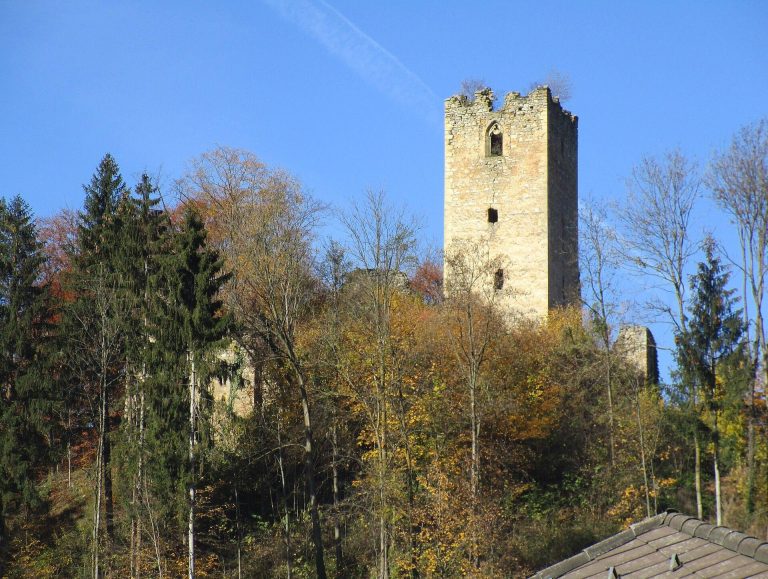
By 1177, a fortress known as Trennstein or Treunstein stood on the estate. The Kindberg zu Treunstein line, represented by Rudolf and Konrad, ended in 1190. Treunstein family members, including Ortolf and Wulfing, are known by 1240. Wulfing married Diemut, daughter of Ulrich von Liechtenstein, a medieval poet who composed courtly love songs. The estate passed to the Stubenberg family in 1345 or 1350 and was administered from Gutenberg.
Renaissance construction and later ownership
Johann von Teuffenbach built the castle on the site of a former Roman rural estate. After the Thannhausen family died out in 1686, ownership passed to the Khevenhüller and Wurmbrand-Stuppach families. Around 1720, the Wurmbrand-Stuppach family altered parts of the Renaissance building in the Baroque style, a later European artistic and architectural period. The Imperial Barons von Gudenus have owned the castle since 1806.
Remains
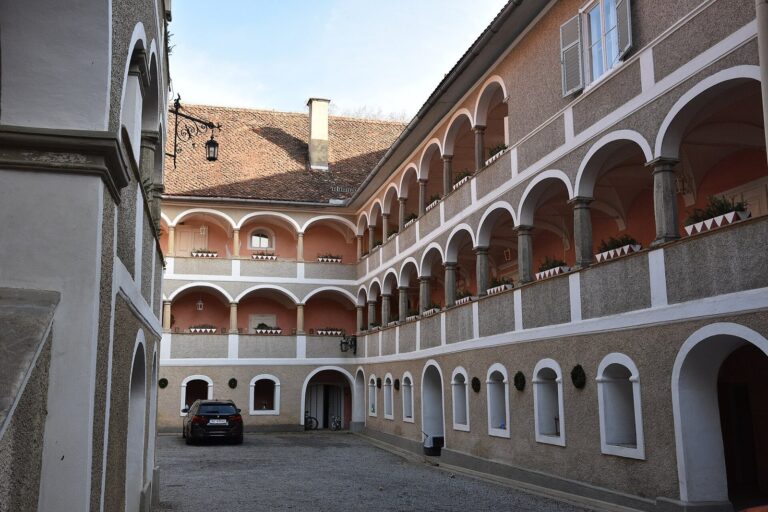
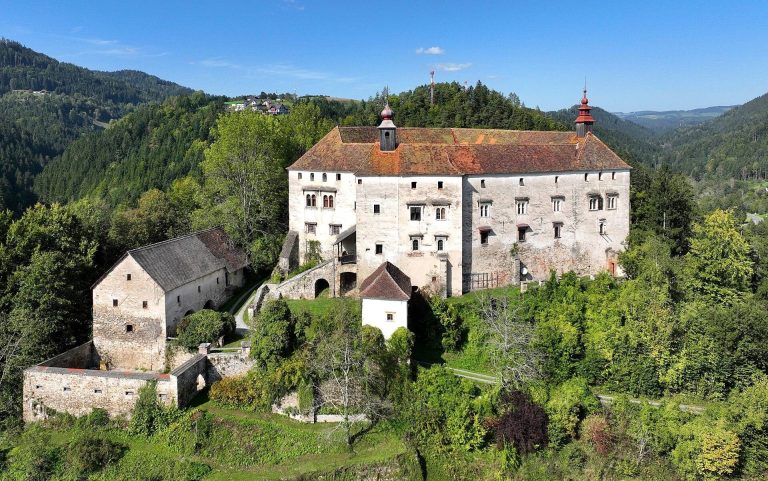
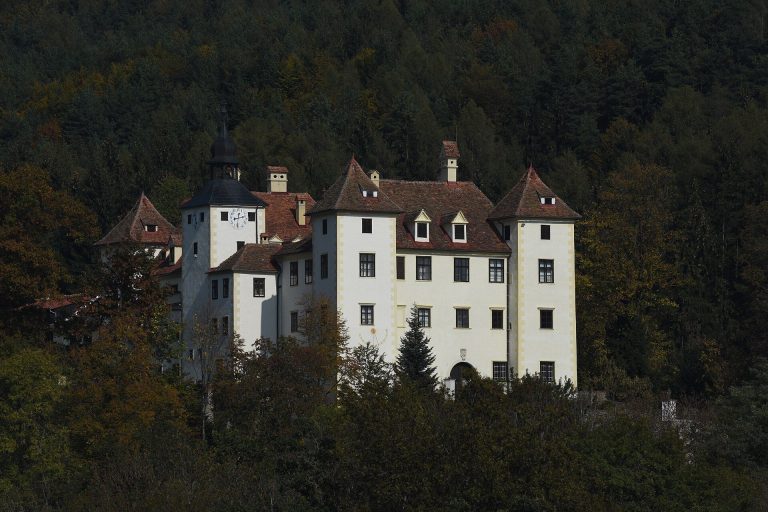
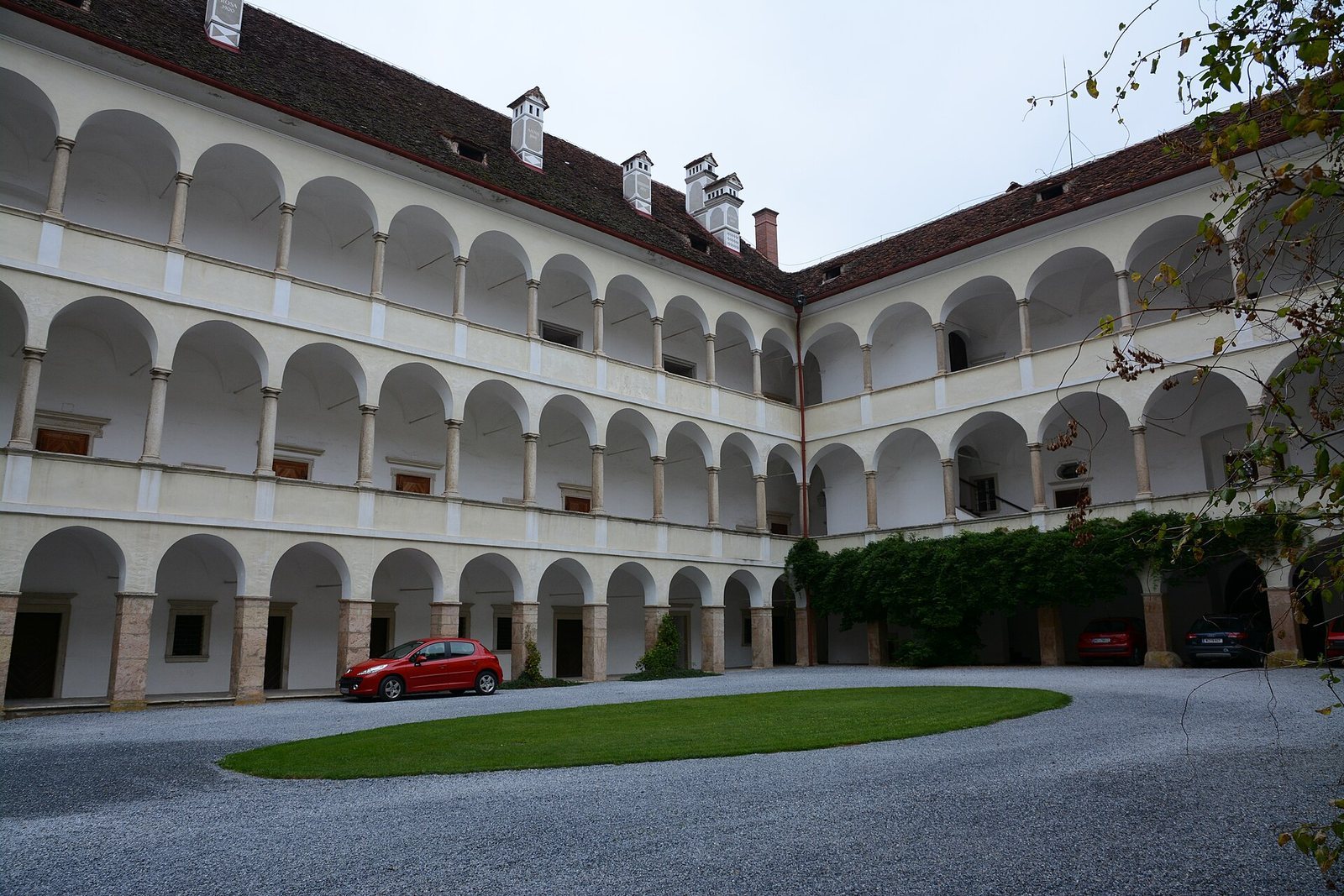
The surviving complex is a large, three-storey Renaissance building arranged in four wings around a spacious courtyard. It stands in a valley depression.
Courtyard and enclosing walls
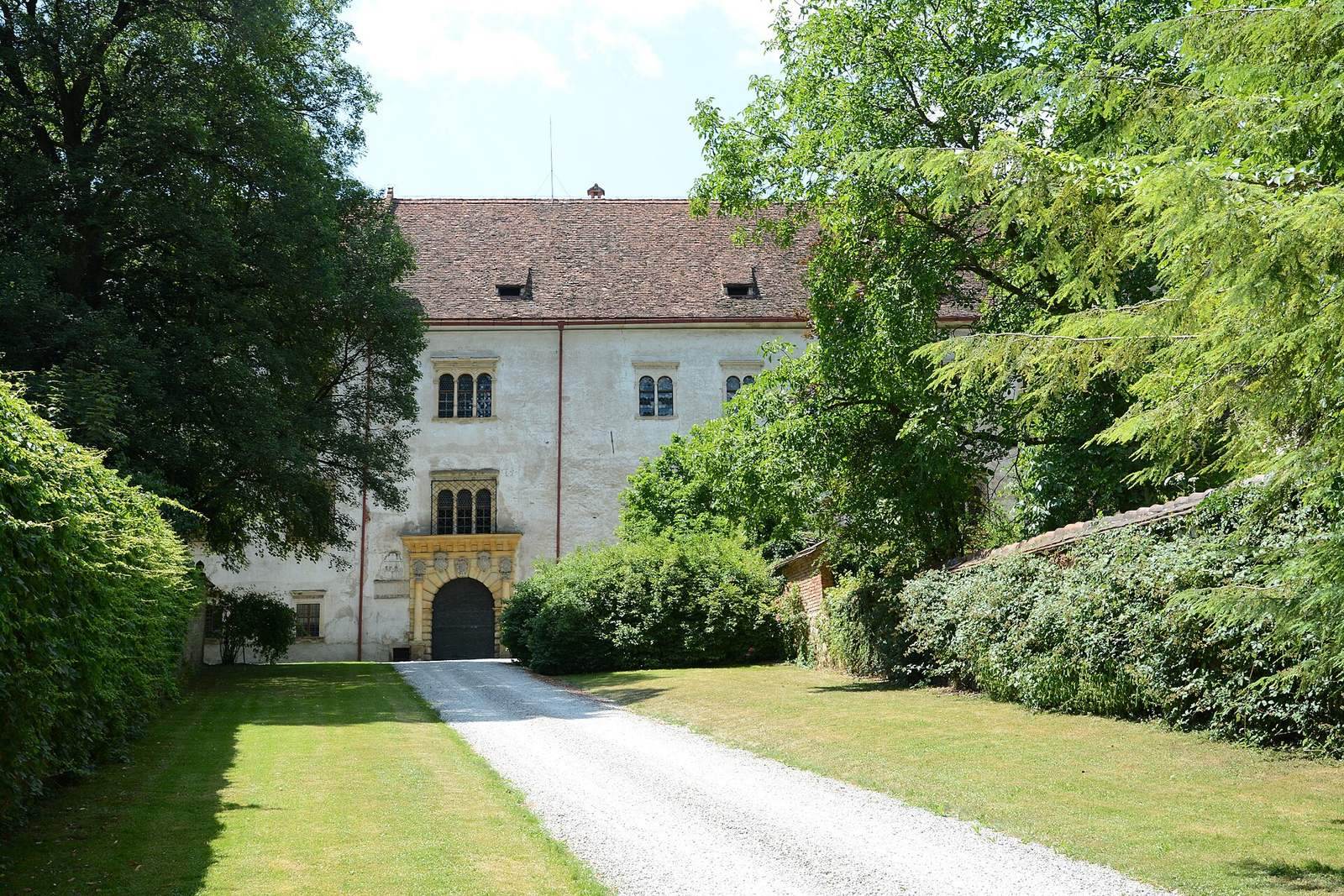
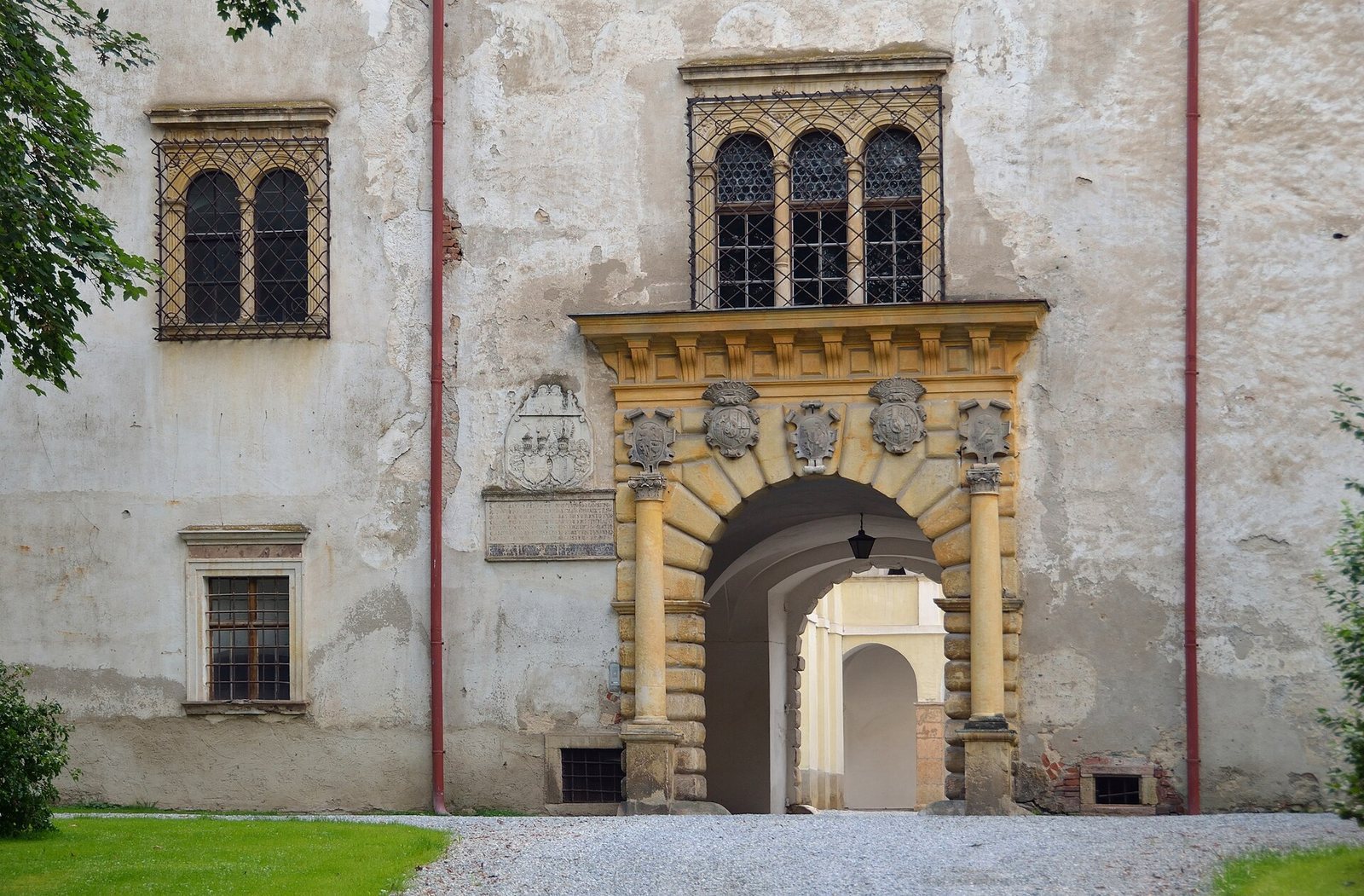
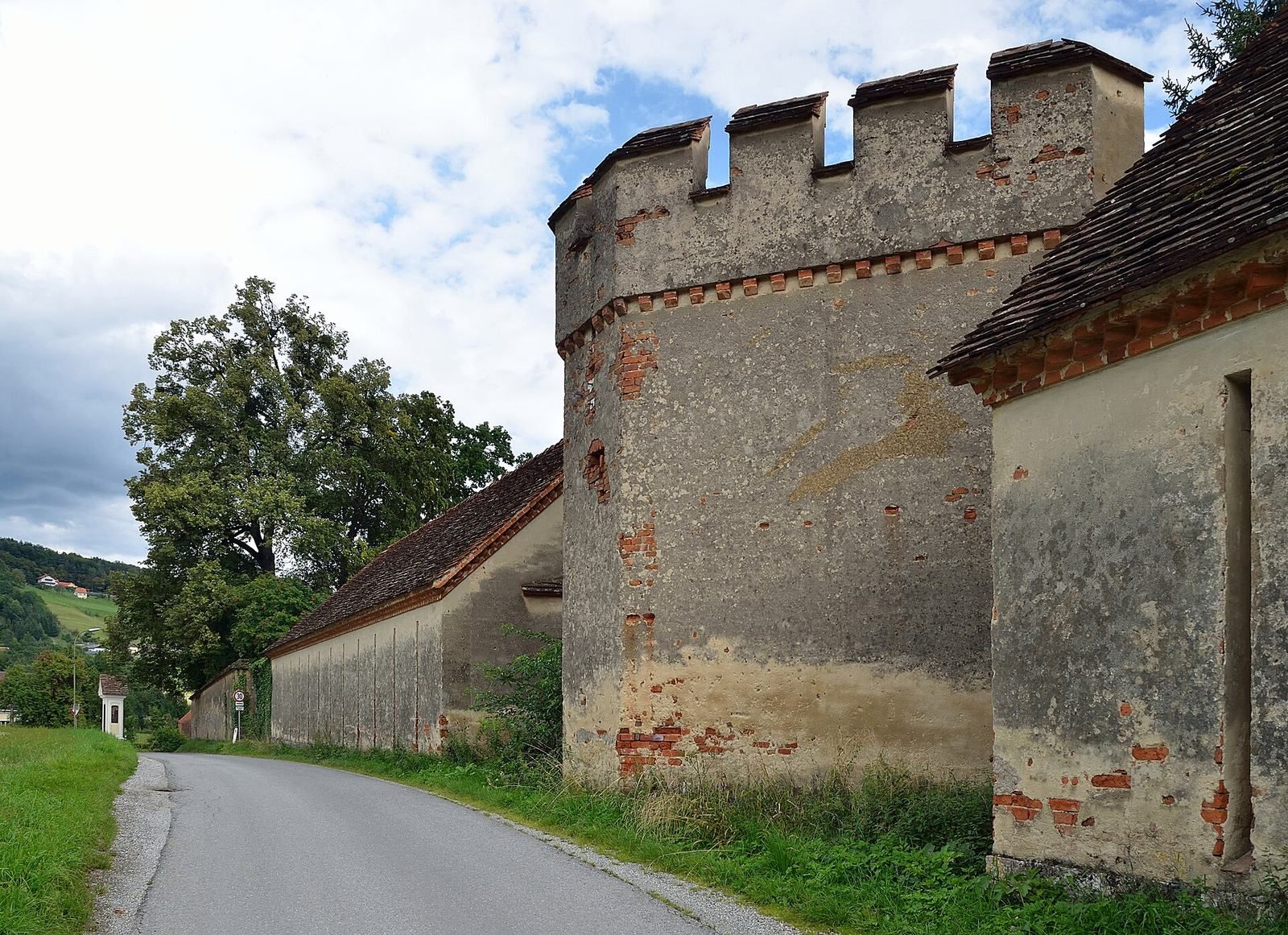
High wings enclose the courtyard on three sides, while a high wall closes it to the north and incorporates parts of the former fortress’s defensive works. Diamond-shaped towers extend only slightly beyond the walls at the corners. Rows of arches supported by pillars or columns run along all three storeys of the wall and continue along the west side. A building inscription is set beside the portal.
Earlier fortress remains
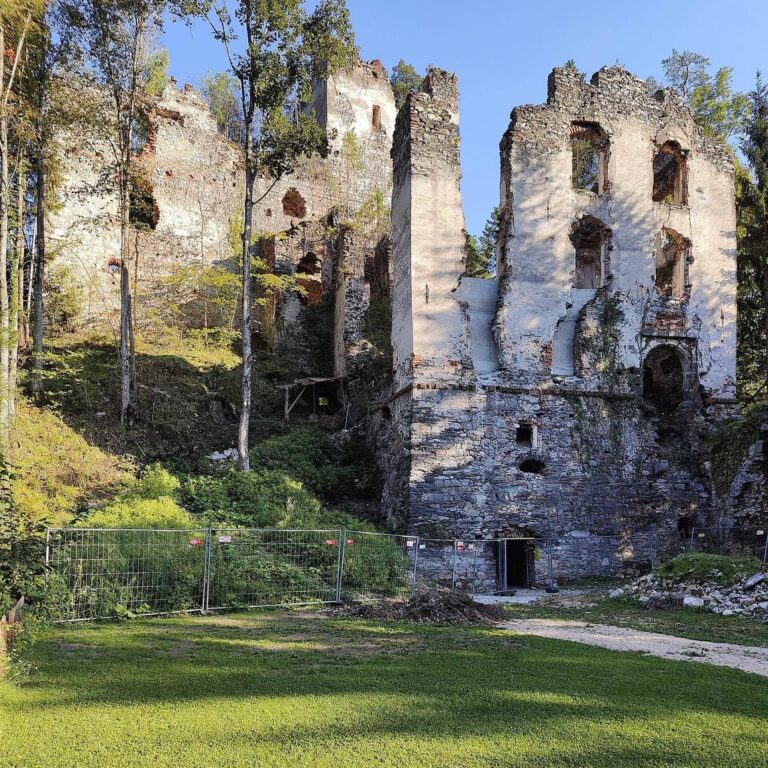
Remains of the old fortress’s cellar building survive at its former site.