Belvedere Palace: A Papal Pavilion and Courtyard in Vatican City
Site at a Glance
- Popularity
- Medium
- Country
- Vatican City
- Primary era
- Medieval
- Eras represented
- Medieval, Early Modern
- Civilizations
- Papal States
- Site type
- Religious
- Remains
- Palace
On this page6 sections
History
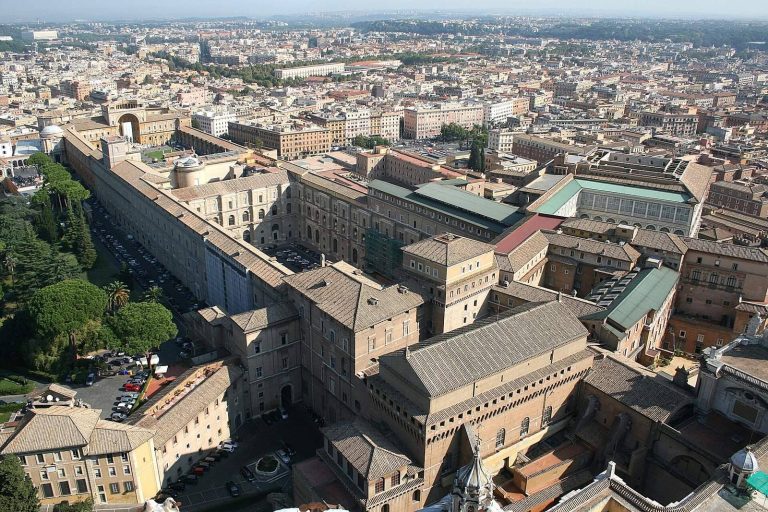
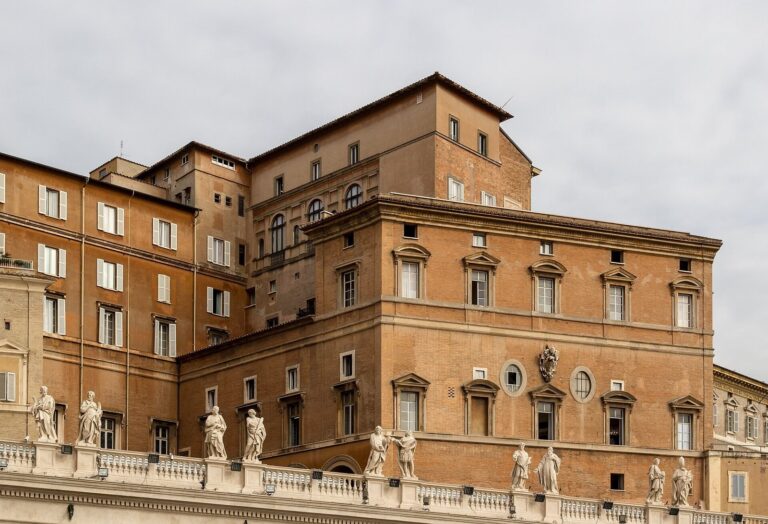
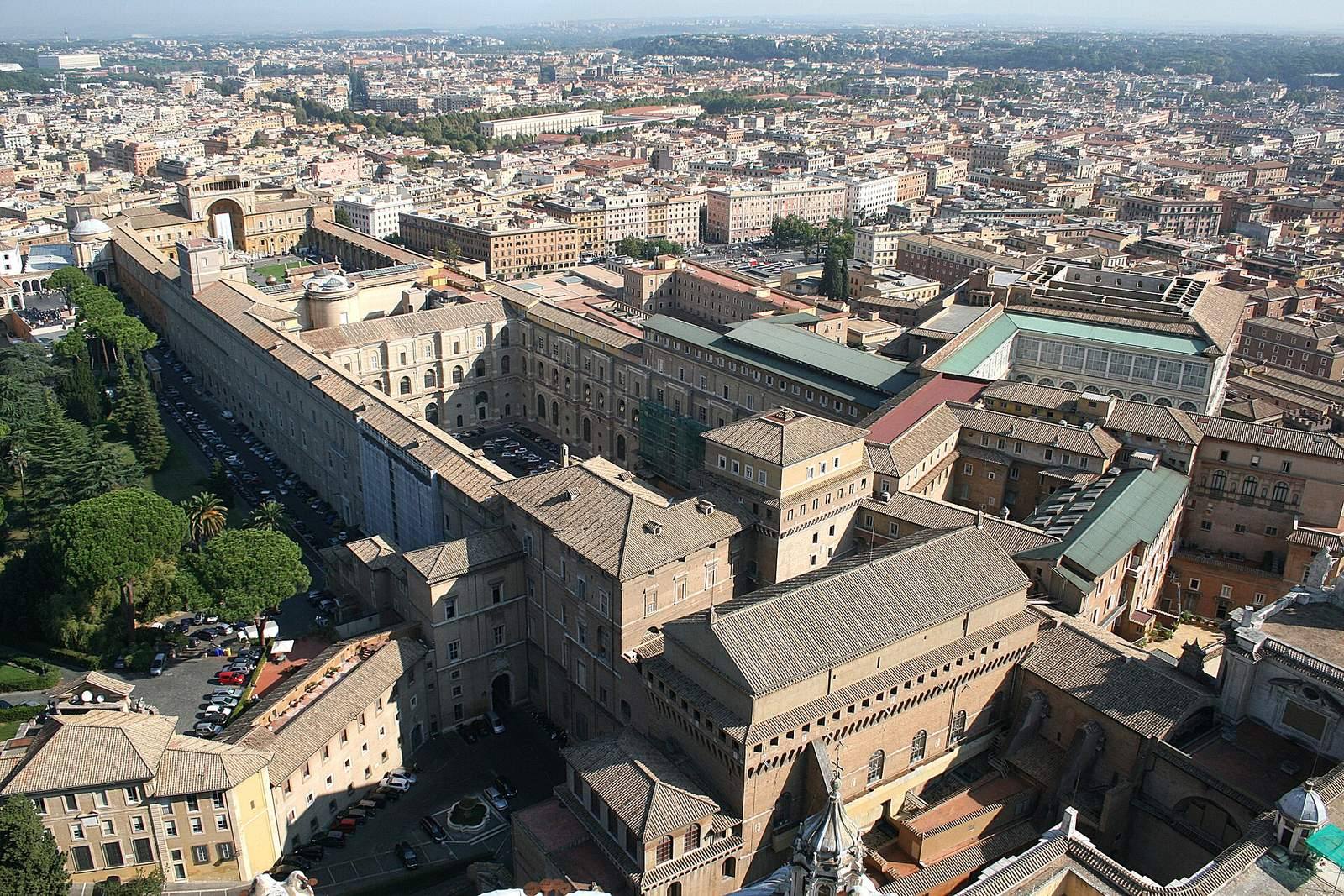
Belvedere Palace is a papal pavilion and courtyard complex in Vatican City, developed as part of the wider complex around the Apostolic Palace, the principal papal palace. Its construction began in 1482, when Antonio Pollaiuolo built a small pavilion for Pope Innocent VIII on the hill behind the Vatican Palace.
From pavilion to papal complex
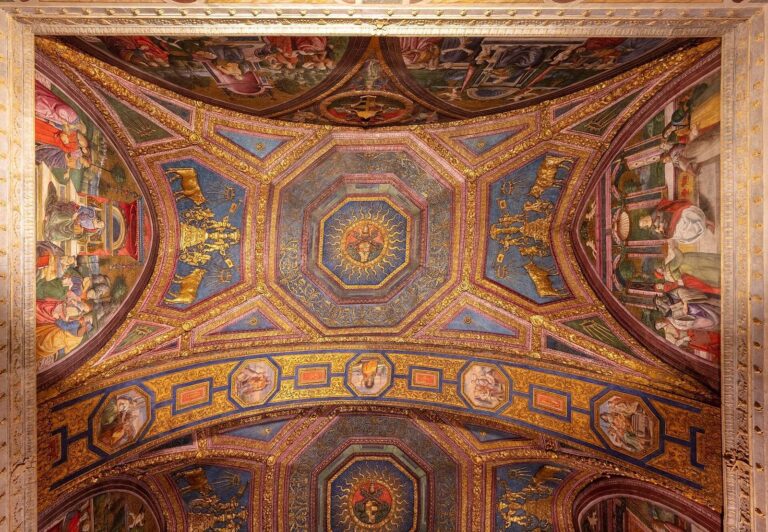
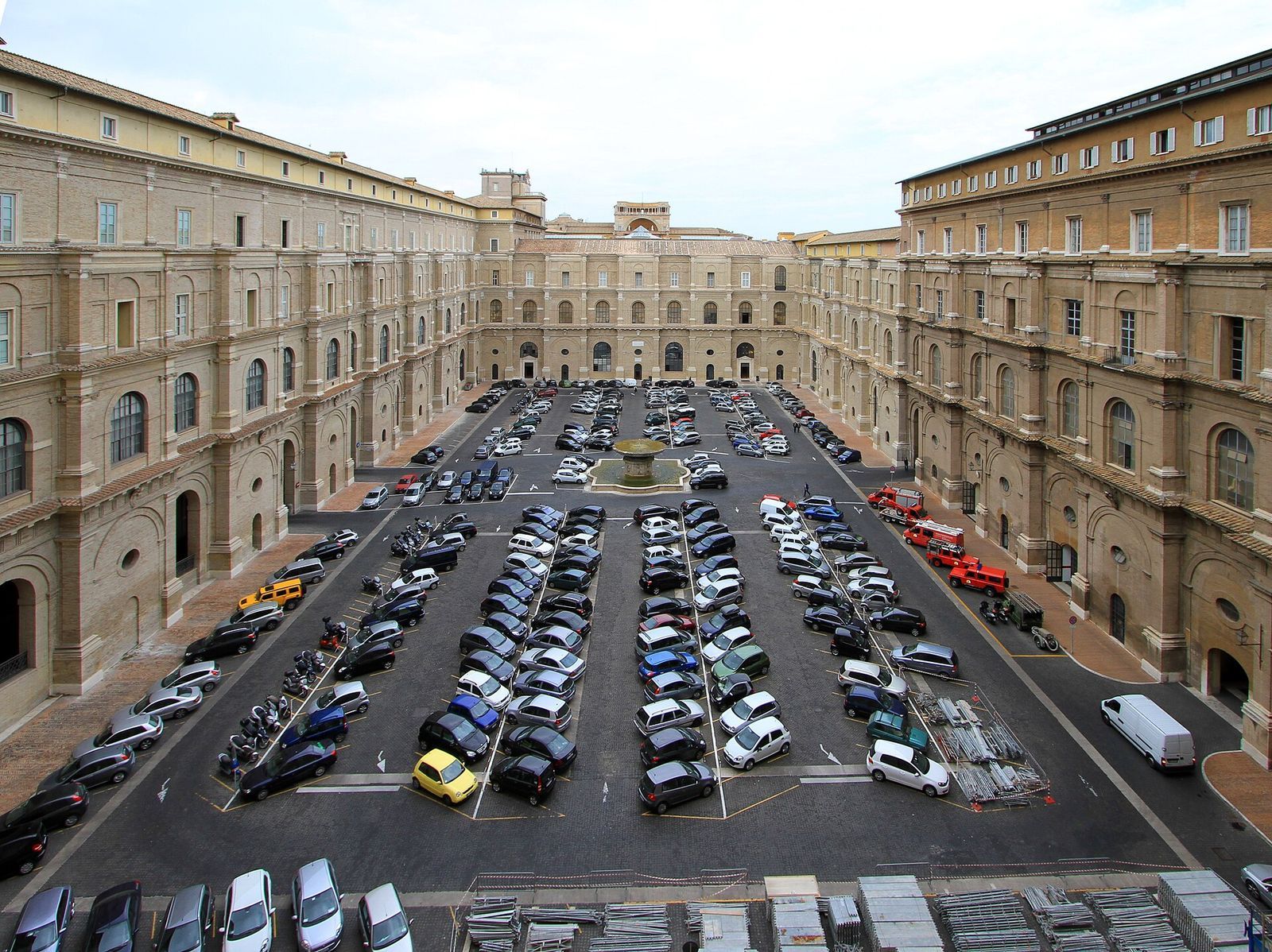
Innocent VIII commissioned the painter Andrea Mantegna to create a series of frescoes for the pavilion’s chapel. A few years later, Pope Julius II commissioned the architect Donato Bramante to connect the Belvedere with the Apostolic Palace, forming the Belvedere Courtyard. Its ancient sculptures helped kindle enthusiasm for the complex during the sixteenth century.
In 1522, Pope Adrian VI appointed the Dutch painter Jan van Scorel curator of the Belvedere’s papal collections. Adrian died the following year, and van Scorel then returned to Holland.
Remains
Belvedere layout
Original pavilion
The original Belvedere was a small pavilion on a hill behind the Vatican Palace. It contained a chapel decorated with a series of frescoes, which were destroyed in the seventeenth century.
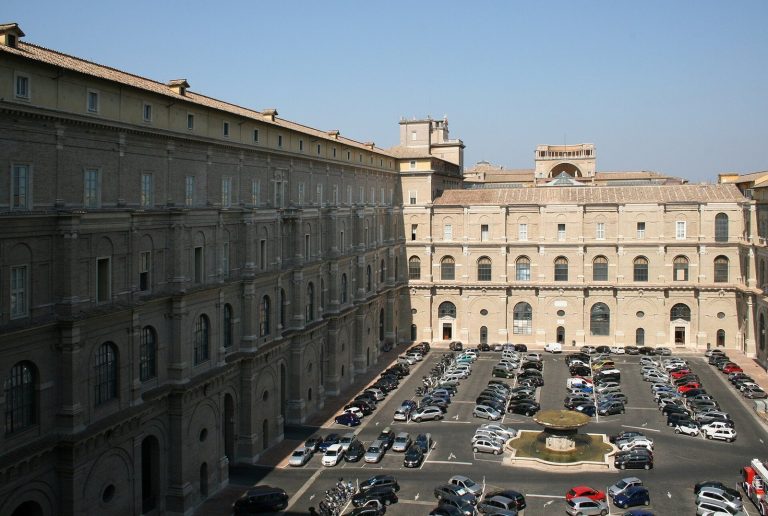
Belvedere Courtyard
The courtyard linked the Belvedere to the Apostolic Palace, with a fountain at its center. It contained the Apollo Belvedere, a celebrated ancient statue of Apollo, and the Belvedere Torso, a celebrated fragmentary ancient sculpture.