Gargonza Castle: A Medieval Fortified Settlement in Italy
Site at a Glance
- Popularity
- Medium
- Country
- Italy
- Primary era
- Medieval
- Eras represented
- Medieval
- Civilizations
- Unclassified
- Site type
- Military
- Remains
- Fortified Town
On this page7 sections
History
Gargonza Castle is a medieval fortified settlement in the municipality of Monte San Savino, in Italy’s Arezzo province. Construction began in the thirteenth century, the same century as its earliest recorded mentions.
Conflict and destruction
Gargonza’s strategic position drew it into the struggles between the Guelphs and Ghibellines, rival Italian political factions broadly associated with papal and imperial interests. In 1304, the settlement may have hosted the poet Dante Alighieri at a meeting between Florentine Ghibellines and people from Arezzo. Florentine forces besieged it a few years later.
In 1381, Gargonza passed to the Republic of Siena, a self-governing state centered on Siena, before Florentine troops occupied it again. A local revolt in 1433 was met with severe Florentine repression, and the settlement was razed.
Later ownership and restoration
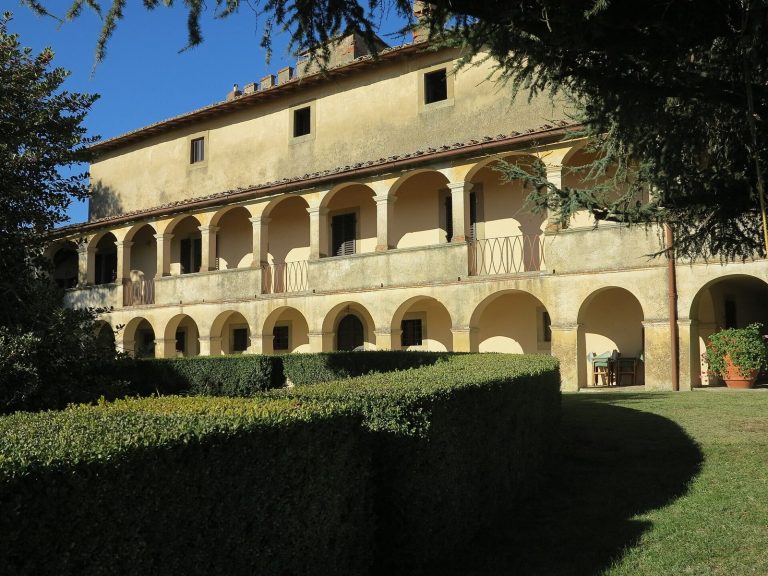
The Lotteringhi della Stufa, a Tuscan noble family, acquired the castle in 1546. In the eighteenth century, it became the property of the Corsi marquises, whose hereditary rank was that of marquess, and was converted into an agricultural estate. More than 500 people lived in the settlement during the first half of the nineteenth century.
After Gargonza became depopulated, Count Roberto Guicciardini Corsi Salviati arranged for its restoration in the second half of the twentieth century.
Remains
Settlement layout
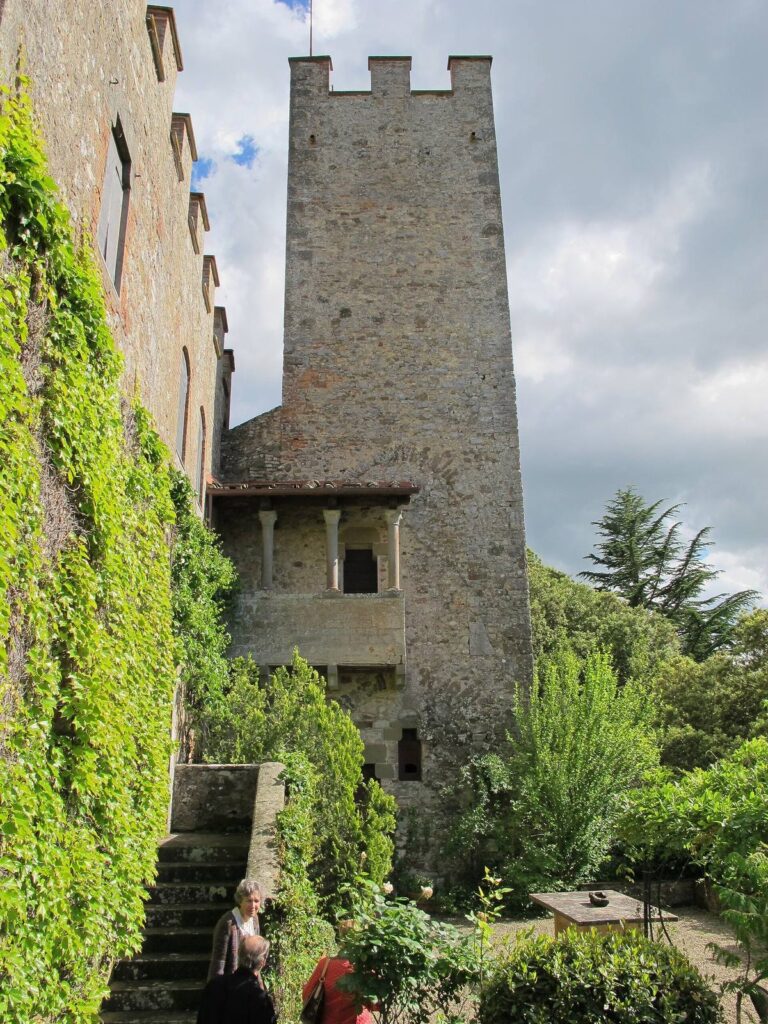
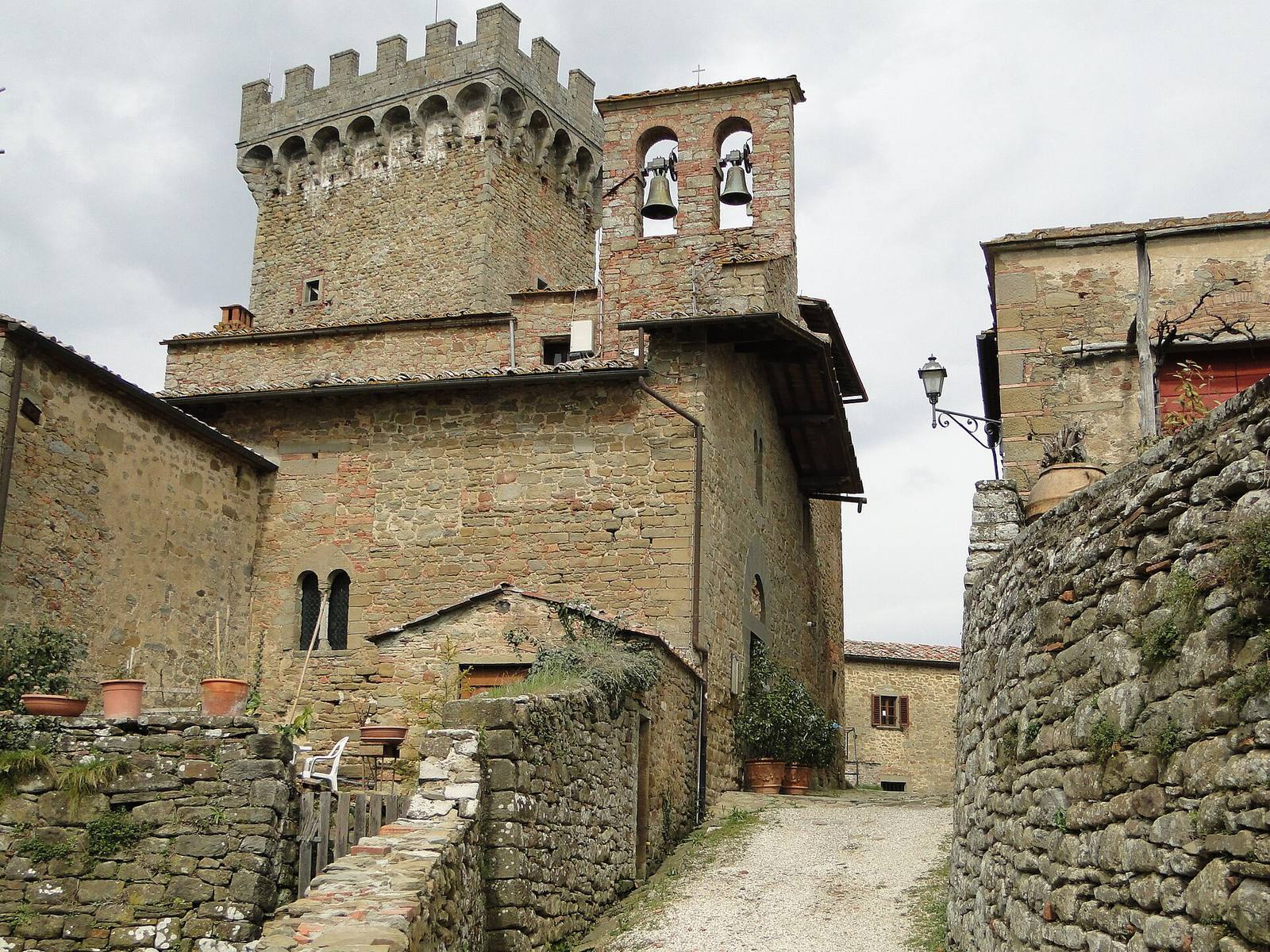
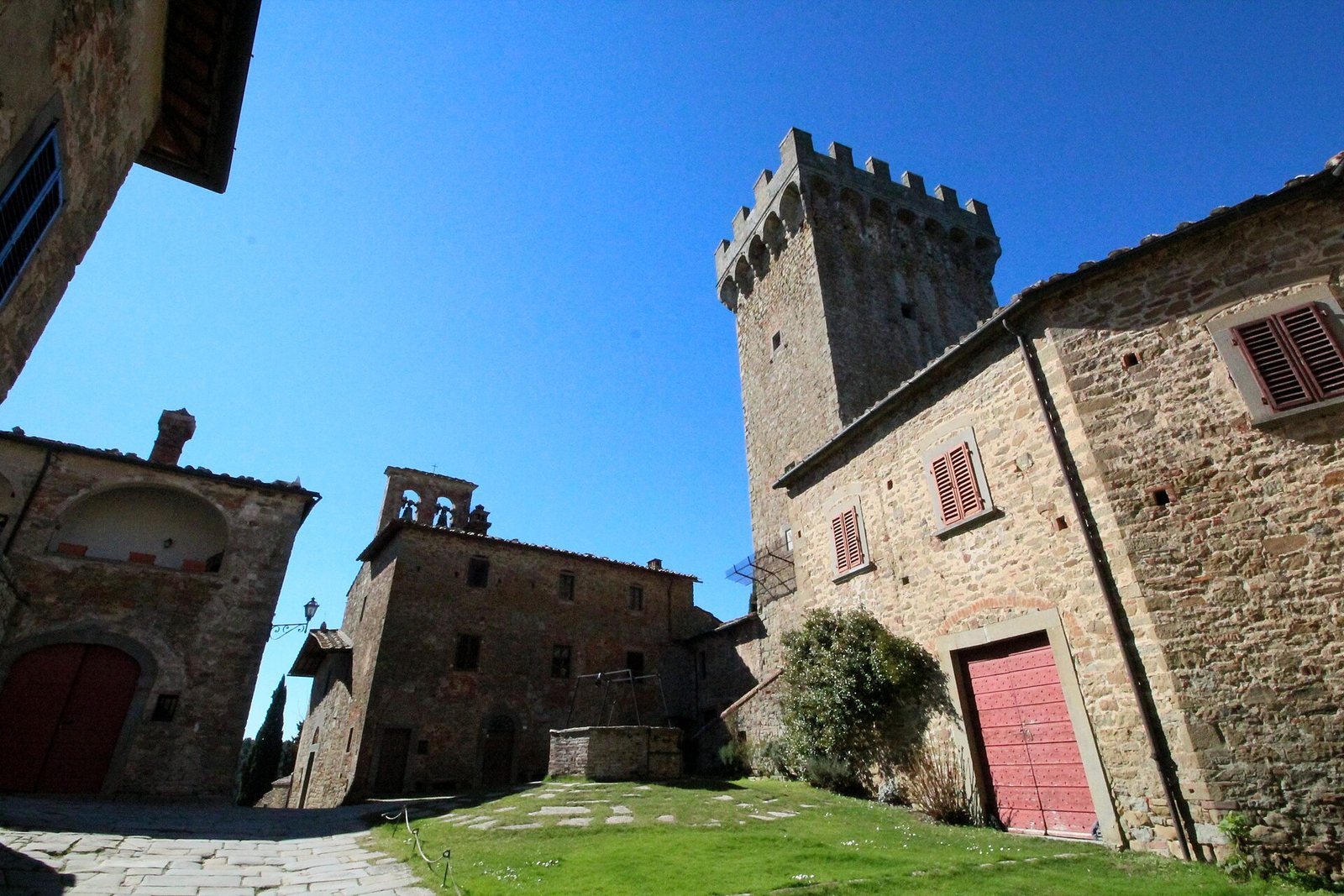
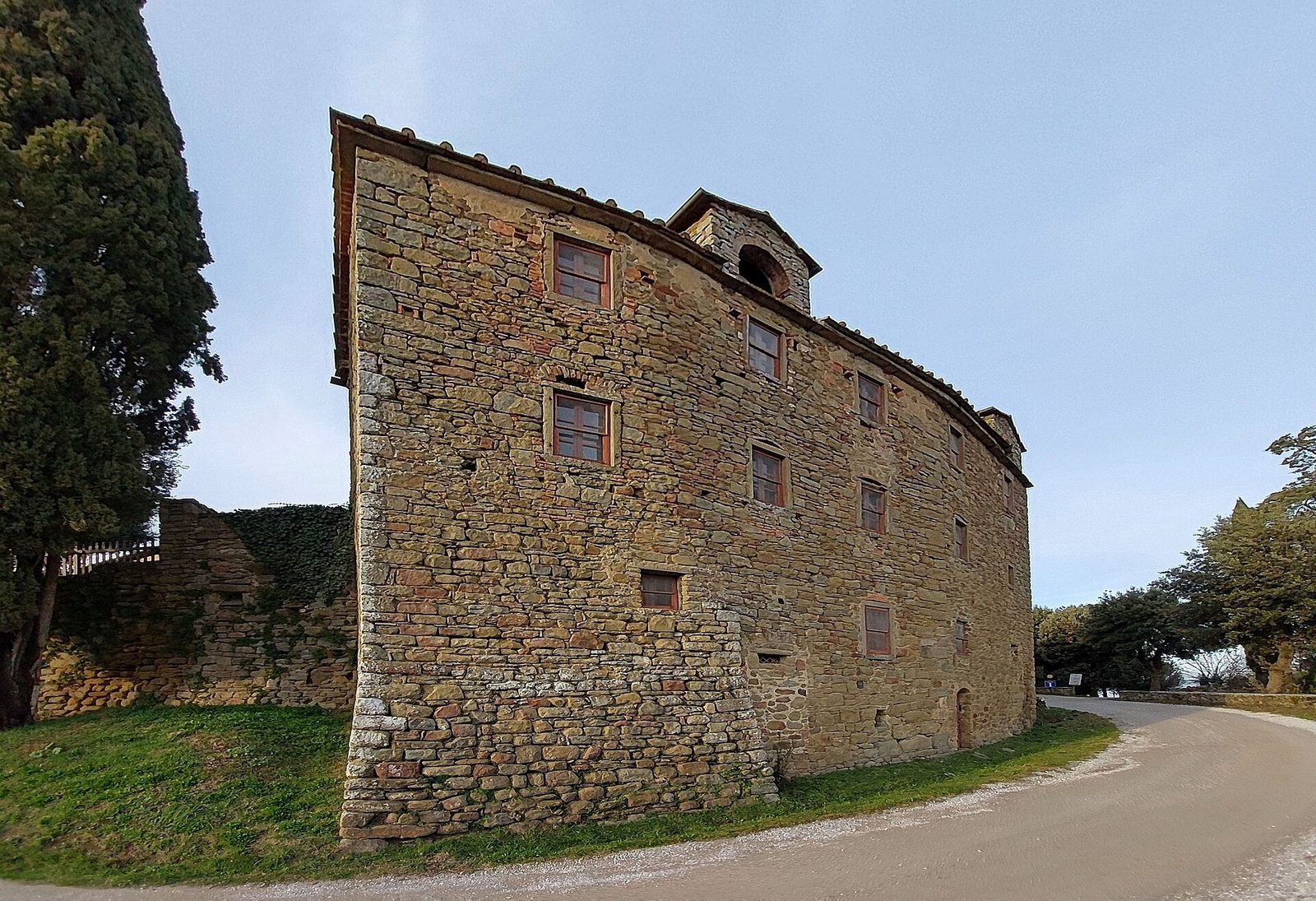
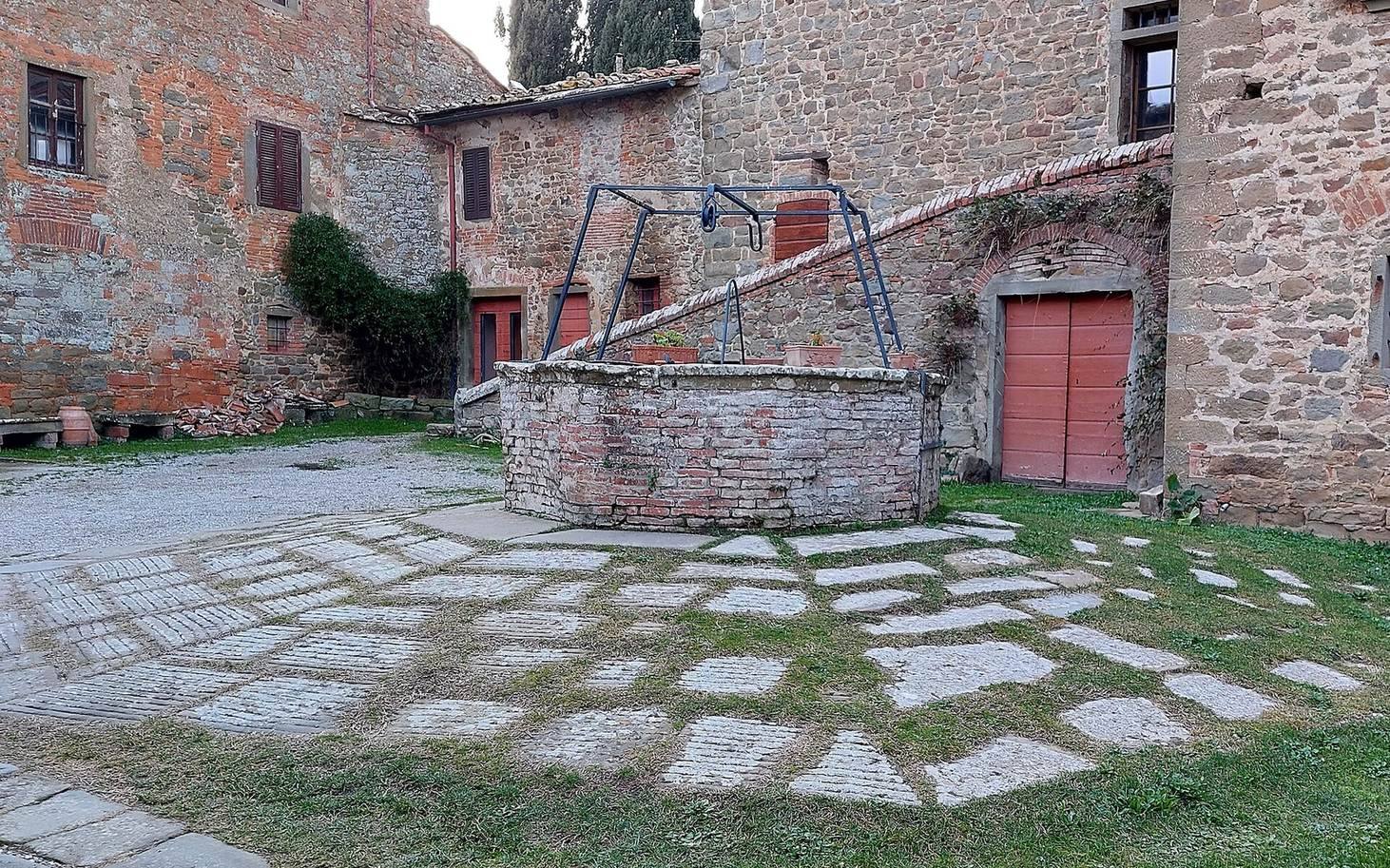
The restored fortified settlement occupies a hill. Its surviving features include a large tower at the summit, remains of its defenses, and a main square with a well and church nearby.
Tower and defenses
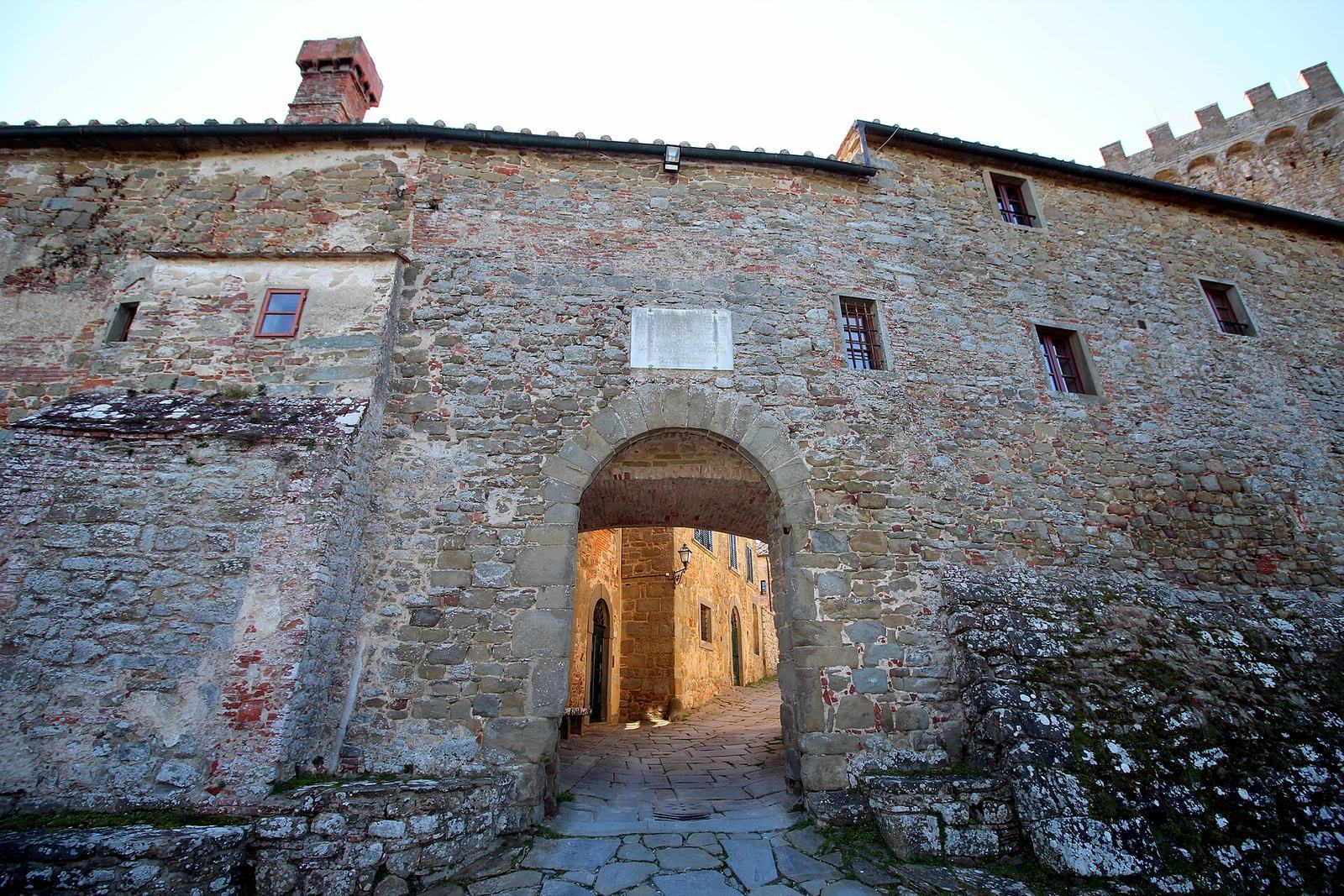
A large rectangular tower with a notched parapet stands at the settlement’s highest point. It was the only structure left standing after the destruction of 1433. Remnants of the older defensive system also survive, along with a thirteenth-century gate that opens onto the main square.
Main square and church
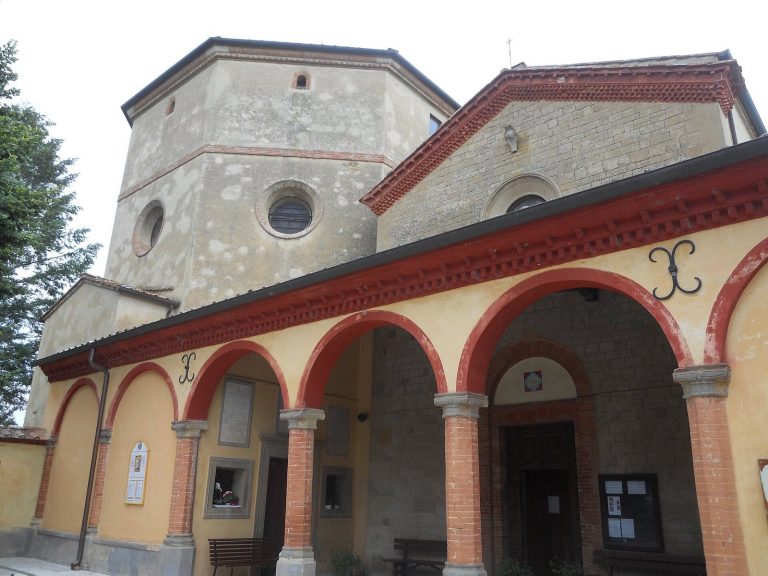
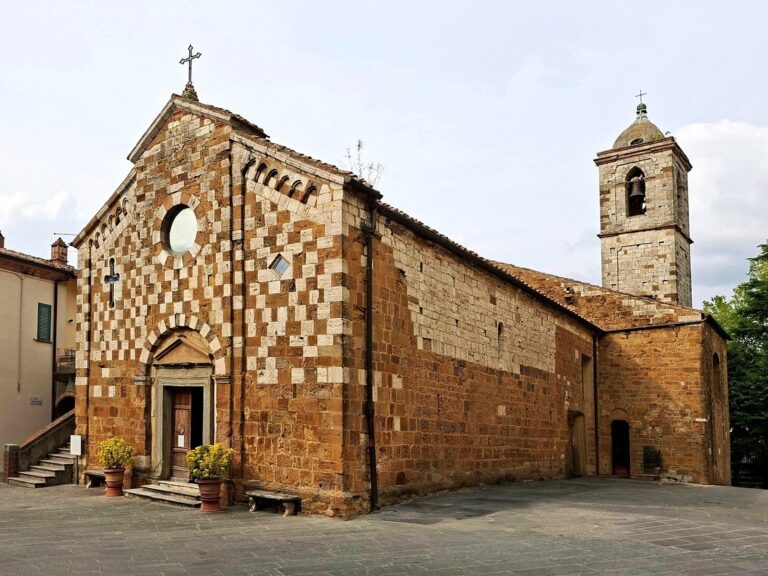
A well stands near the main square, with the Church of Saints Tiburtius and Susanna beyond it. The church dates to the thirteenth century and was restored in 1928 by the Italian architect Giuseppe Castellucci.