Moncé Castle: A Neo-Renaissance Building on the Site of Moncé Abbey
Site at a Glance
- Popularity
- Medium
- Country
- France
- Primary era
- Modern
- Eras represented
- Early Modern, Modern
- Civilizations
- French
- Site type
- Domestic
- Remains
- Elite Residence
On this page4 sections
History
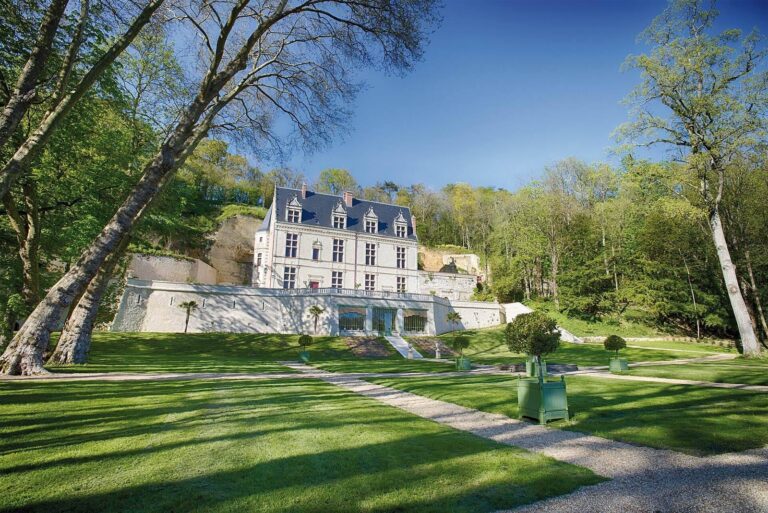
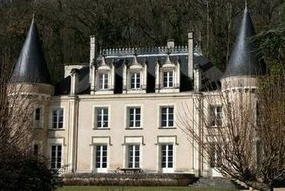
Moncé Castle is a nineteenth-century château in Limeray, France, constructed from 1845 to 1846 on the site of Moncé Abbey’s church.
The Cistercian abbey
Moncé Abbey was founded in 1209 by Sulpice III d’Amboise, with the approval of Jean de la Faye, archbishop of Tours from 1208 to 1228. It belonged to the Cistercian order, a Catholic monastic community whose members follow the Rule of Saint Benedict.
During the French Revolution, the political upheaval that began in 1789 and brought church properties into national ownership, the abbey was declared national property. It was destroyed between 1792 and 1798.
The château and garden
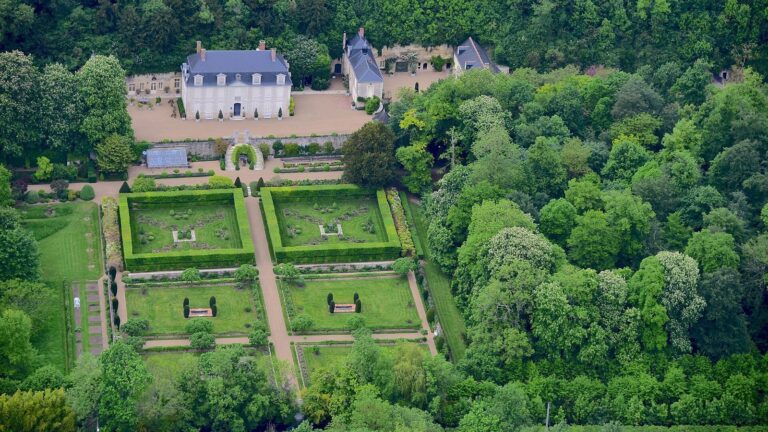
Charles Alphonse de Sain de Bois-le-Comte built the château. The garden was entered in the pre-inventory of remarkable gardens on 5 May 1984.
Remains
The surviving grounds bring together the château and garden with remains of the abbey. The château follows Neo-Renaissance design, a nineteenth-century revival of forms associated with Renaissance architecture. A seventeenth-century pavilion, once used as an infirmary, stands to the right of the château. The site also retains a dovecote and four columns serving as gate pillars on the west side. The garden dates from the mid-nineteenth century.