Chrysoroyiatissa Monastery: A Marian Monastery in Cyprus
Site at a Glance
- Popularity
- Medium
- Country
- Cyprus
- Primary era
- Early Modern
- Eras represented
- Early Modern, Modern
- Civilizations
- Ottoman
- Site type
- Religious
- Remains
- Monastery
On this page6 sections
History
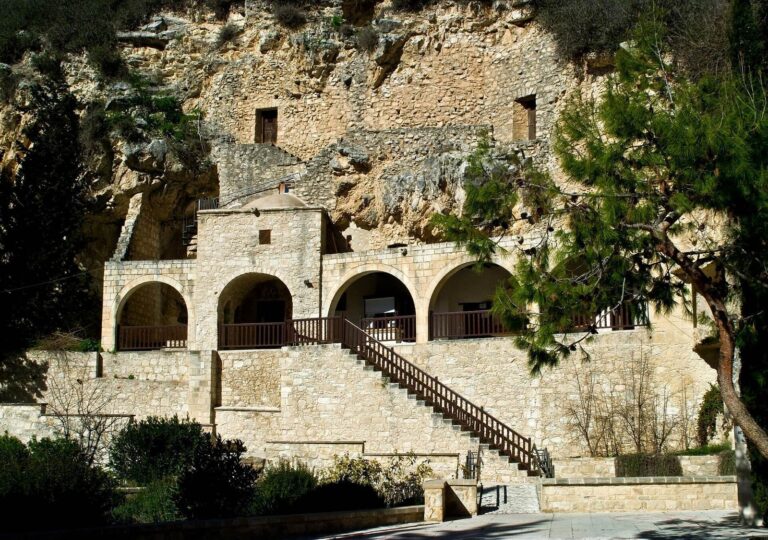
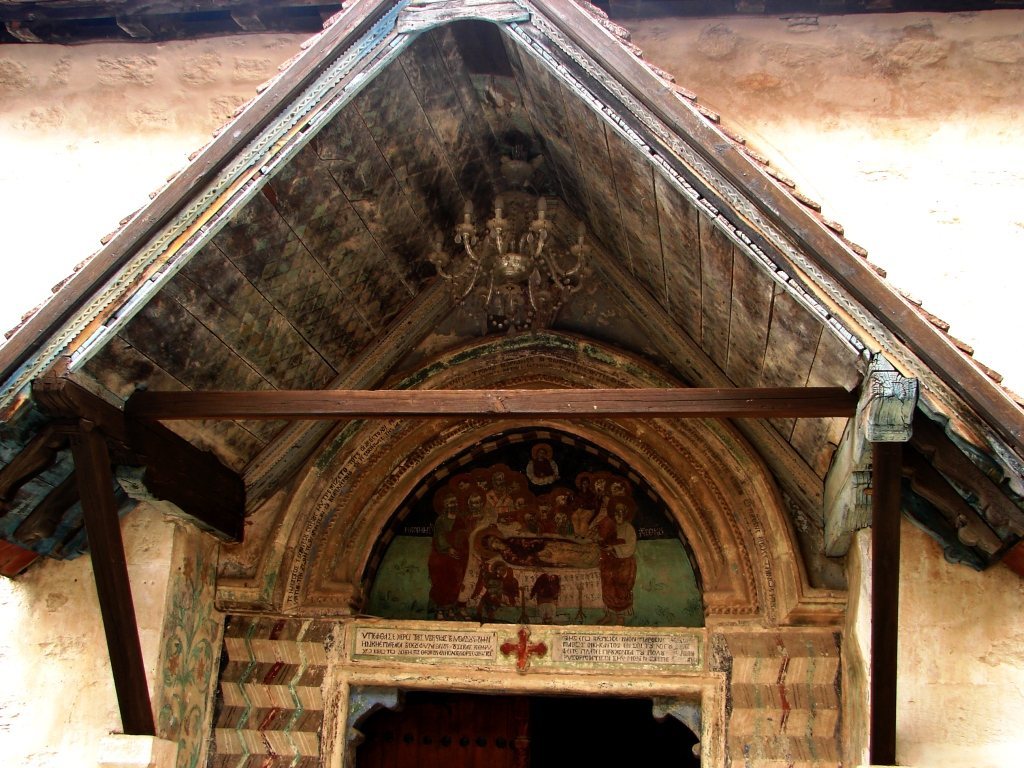
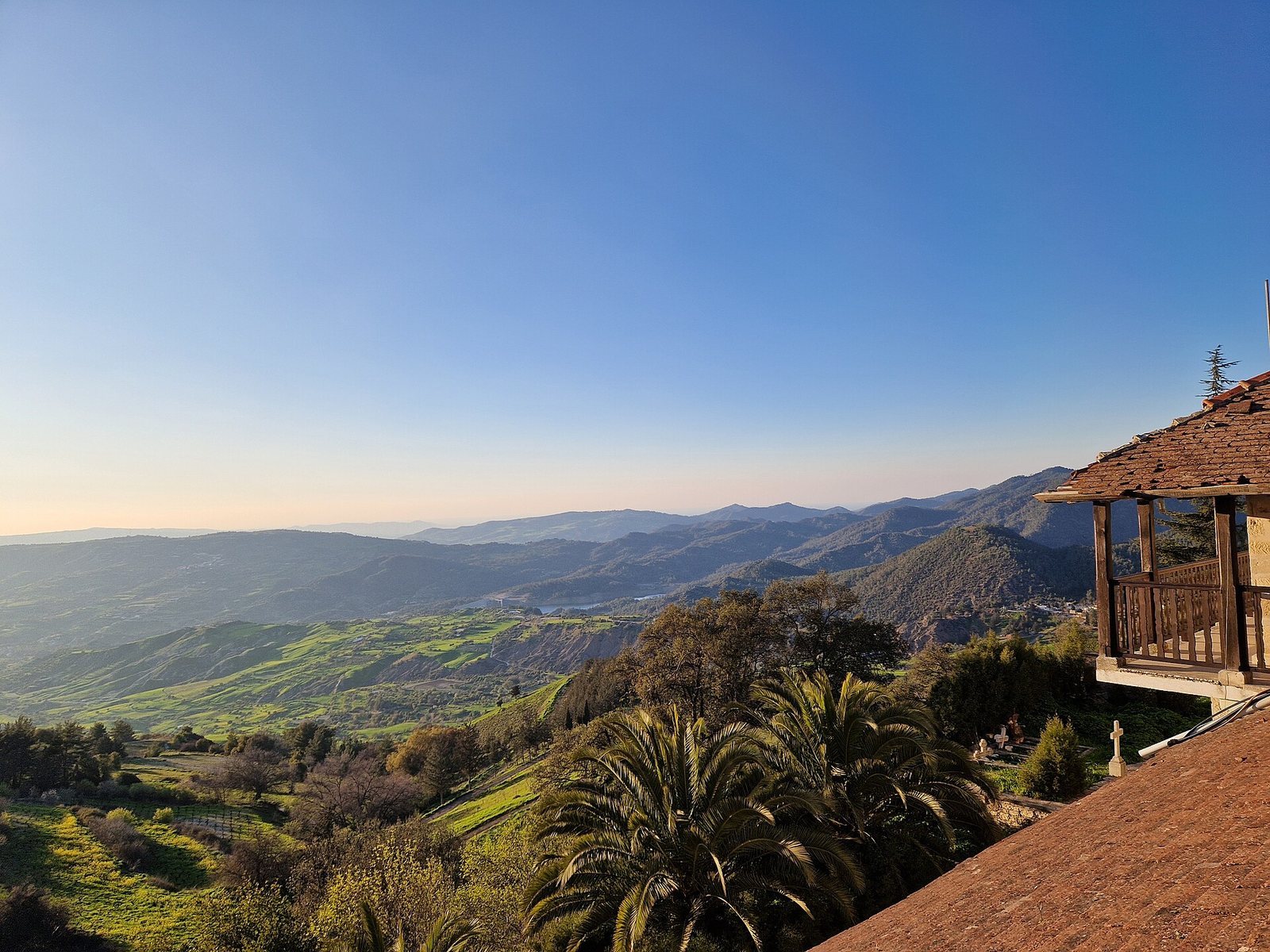
Chrysoroyiatissa Monastery is an active men’s monastery in the Troodos Mountains of Cyprus, founded in 1152 by the monk Ignatius, who lived as a hermit, a religious devotee in seclusion. Ignatius found the monastery’s principal icon of the Virgin Mary on the Mediterranean coast. The monastery is dedicated to Mary, revered there under the devotional title Our Lady of the Golden Pomegranate.
Destruction and rebuilding
Ottoman forces destroyed the monastery in the seventeenth century. Later rebuilding shaped its present appearance.
Support for Greek independence
During the Greek War of Independence, the 1821 revolt against Ottoman rule that led to the establishment of the modern Greek state, the monastery supported the rebels. Ottoman authorities arrested and executed its abbot, Joachim, the head of the monastery, in 1821 for that support.
Chrysoroyiatissa remains a men’s monastery of the Church of Cyprus, a self-governing Eastern Orthodox church, within the Metropolis of Paphos, one of its regional jurisdictions. Celebrations for the Virgin Mary take place each year on 15 August. Monks make wine from the monastery’s vineyards, and its old winery resumed commercial operation in the mid-1980s.
Remains
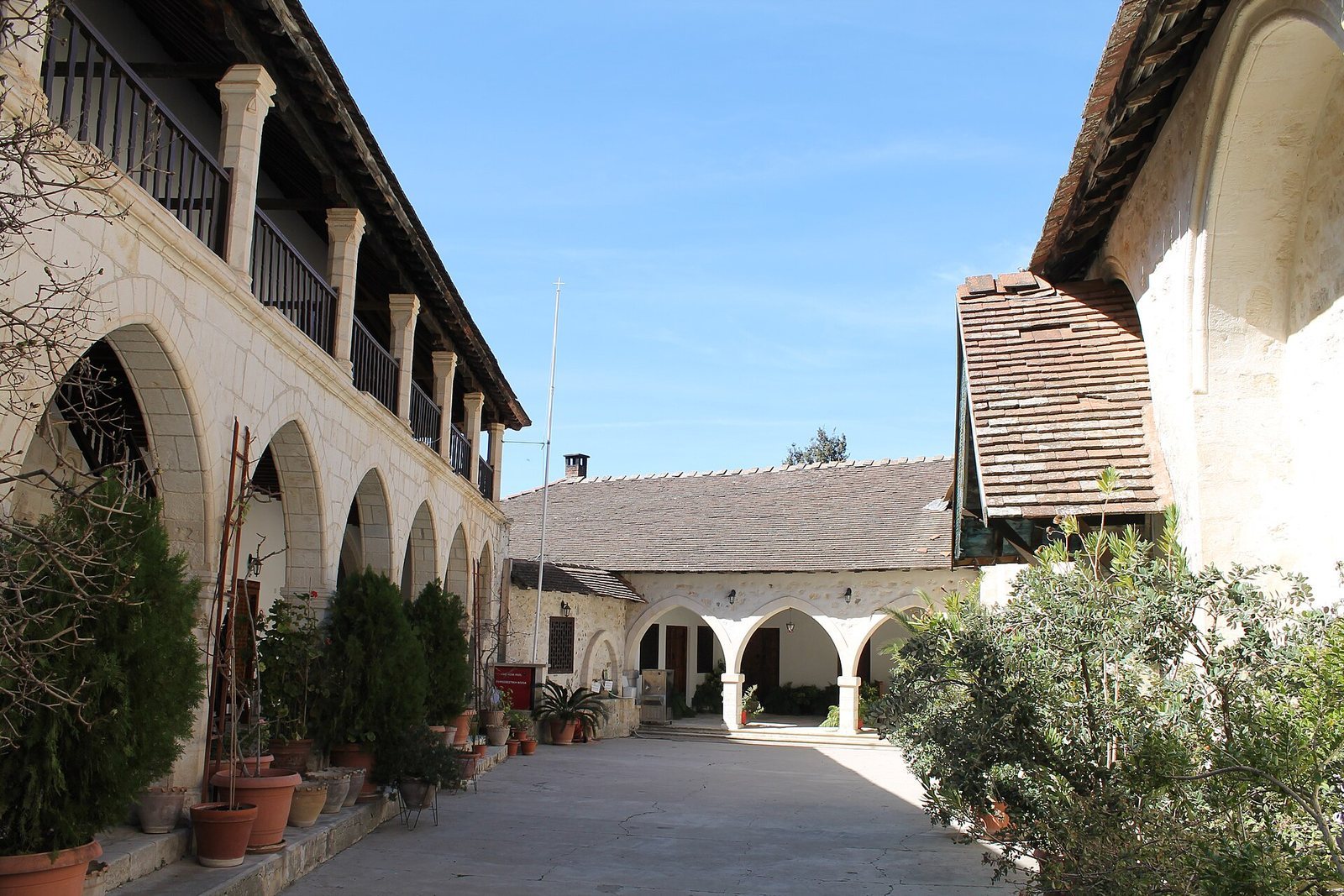
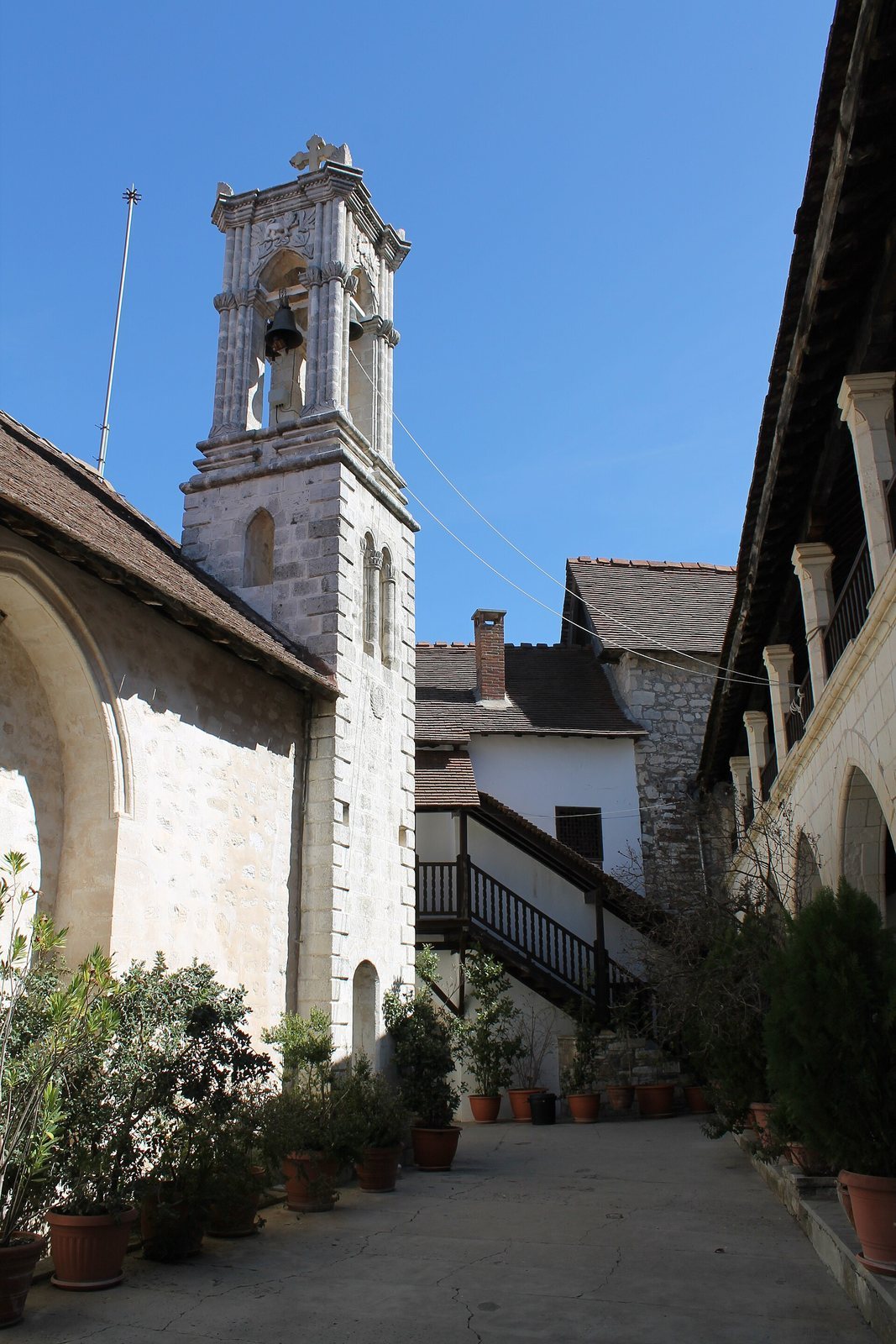
The monastery stands about 40 km northeast of Paphos and 1.5 km from the present-day village of Panagia. Its present buildings date to 1770. The monastery museum displays icons, liturgical vessels used in worship, and vestments dating from the seventeenth to the twentieth century.
Venerated objects
The monastery holds several venerated icons and a silver statue of the Virgin Mary. Its principal sacred object is the icon of Mary revered as Our Lady of the Golden Pomegranate.
Winery and vineyards
An old winery and vineyards form part of the monastery’s physical and working estate.