Hiltenburg: A High-Medieval Summit Castle in Germany
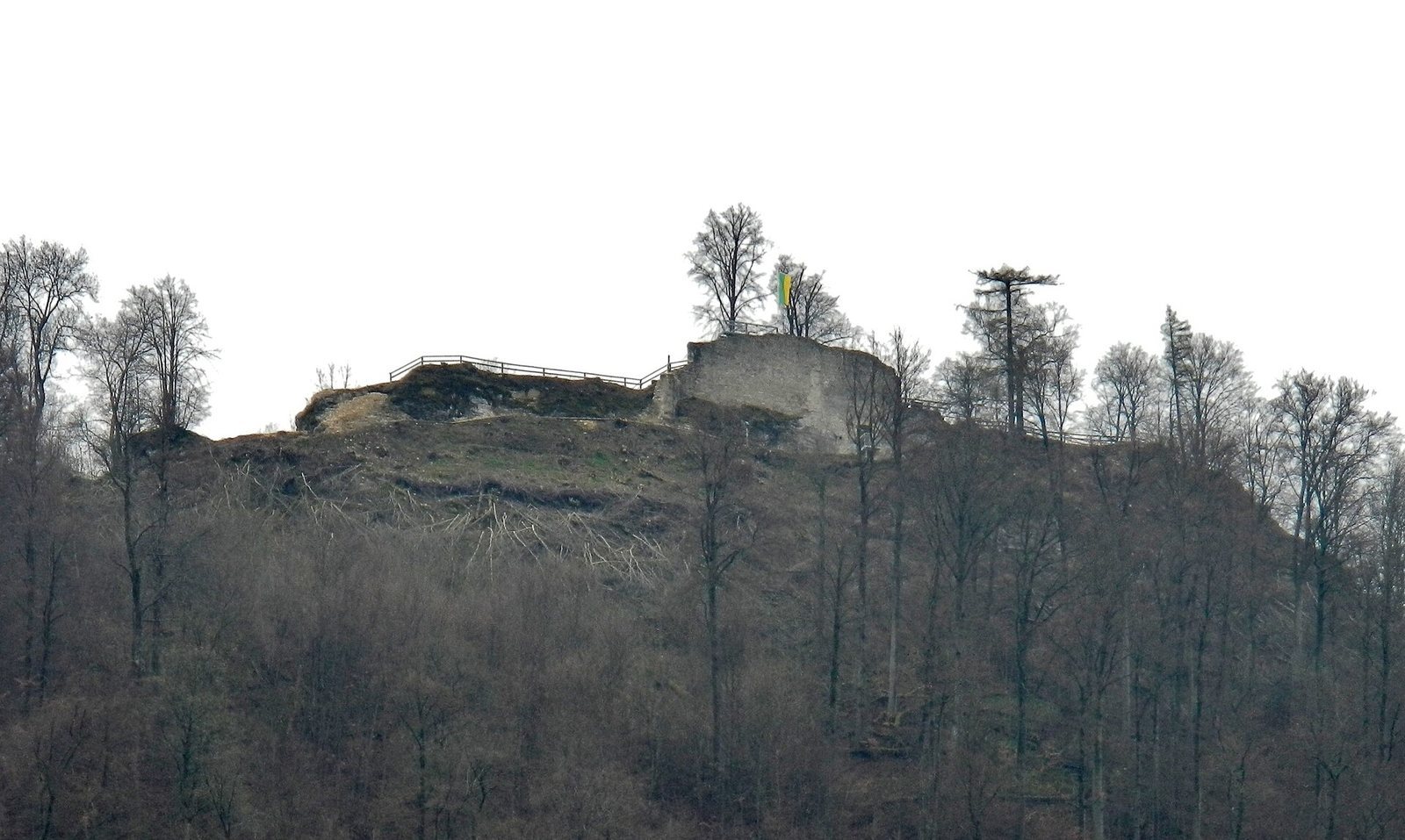
Site at a Glance
- Rating
- 4.7
- Popularity
- Medium
- Country
- Germany
- Primary era
- Medieval
- Eras represented
- Medieval, Modern
- Civilizations
- Holy Roman Empire
- Site type
- Military
- Remains
- Castle
On this page4 sections
History
Hiltenburg is a ruined summit castle from the High Middle Ages, roughly the 11th through 13th centuries, above Bad Ditzenbach in the Filstal valley of Germany. It was associated with the Counts of Helfenstein, a Swabian noble family.
Seat and residence of the Helfensteins
Hiltenburg was first mentioned in 1289 as the seat of an administrative official serving the Counts of Helfenstein. From 1356, the family’s older branch used it as a secondary residence. In 1396, it became the principal residence of the Helfensteiners. The castle was pledged to Württemberg from 1446 to 1482.
Destruction and later conservation
On 9 November 1516, Duke Ulrich of Württemberg ordered Hiltenburg destroyed. The castle was not rebuilt because of the expense, and the Helfensteiners moved their residence to Wiesensteig.
Between 1976 and 1979, the Stuttgart Forestry Directorate and the State Forestry Office of Weilheim/Teck secured the remaining masonry. Archaeological excavations by Göppingen District Archaeology took place during later restoration work.
Remains
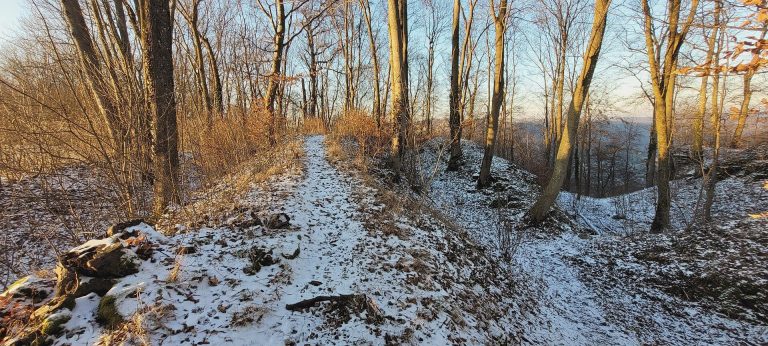
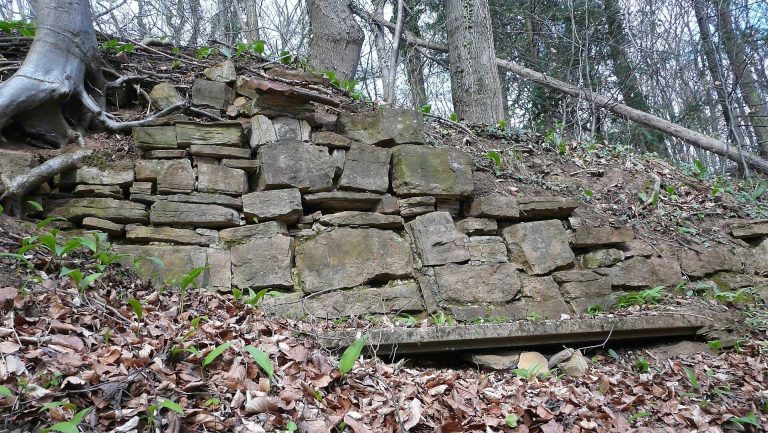
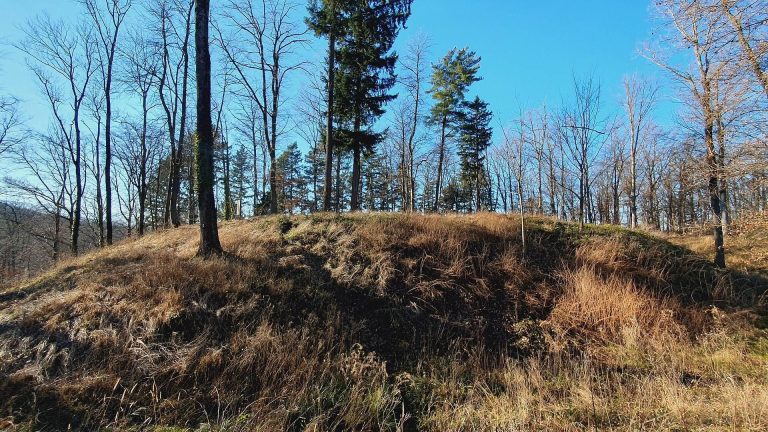
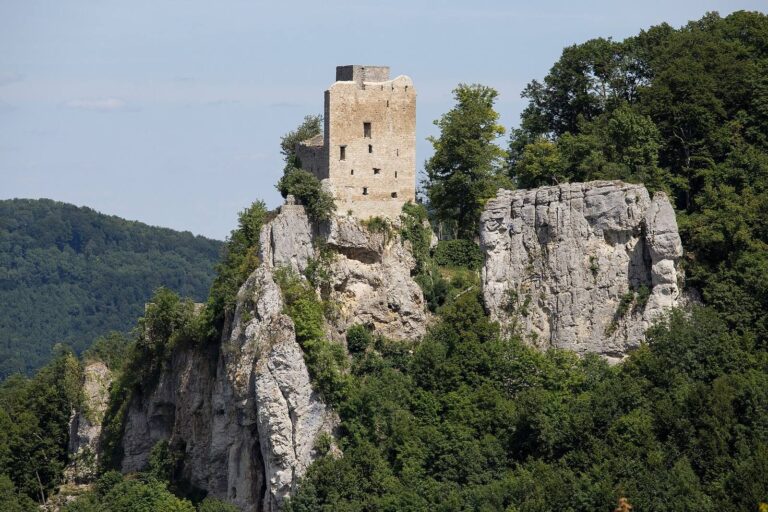
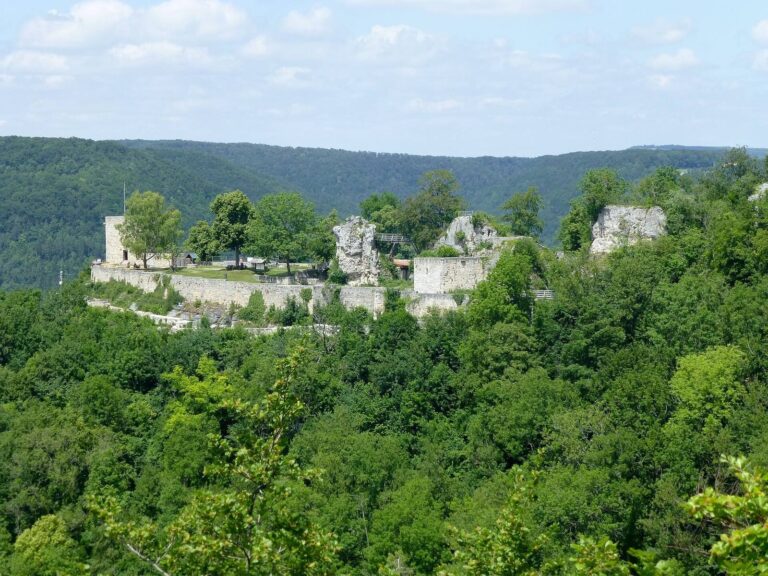
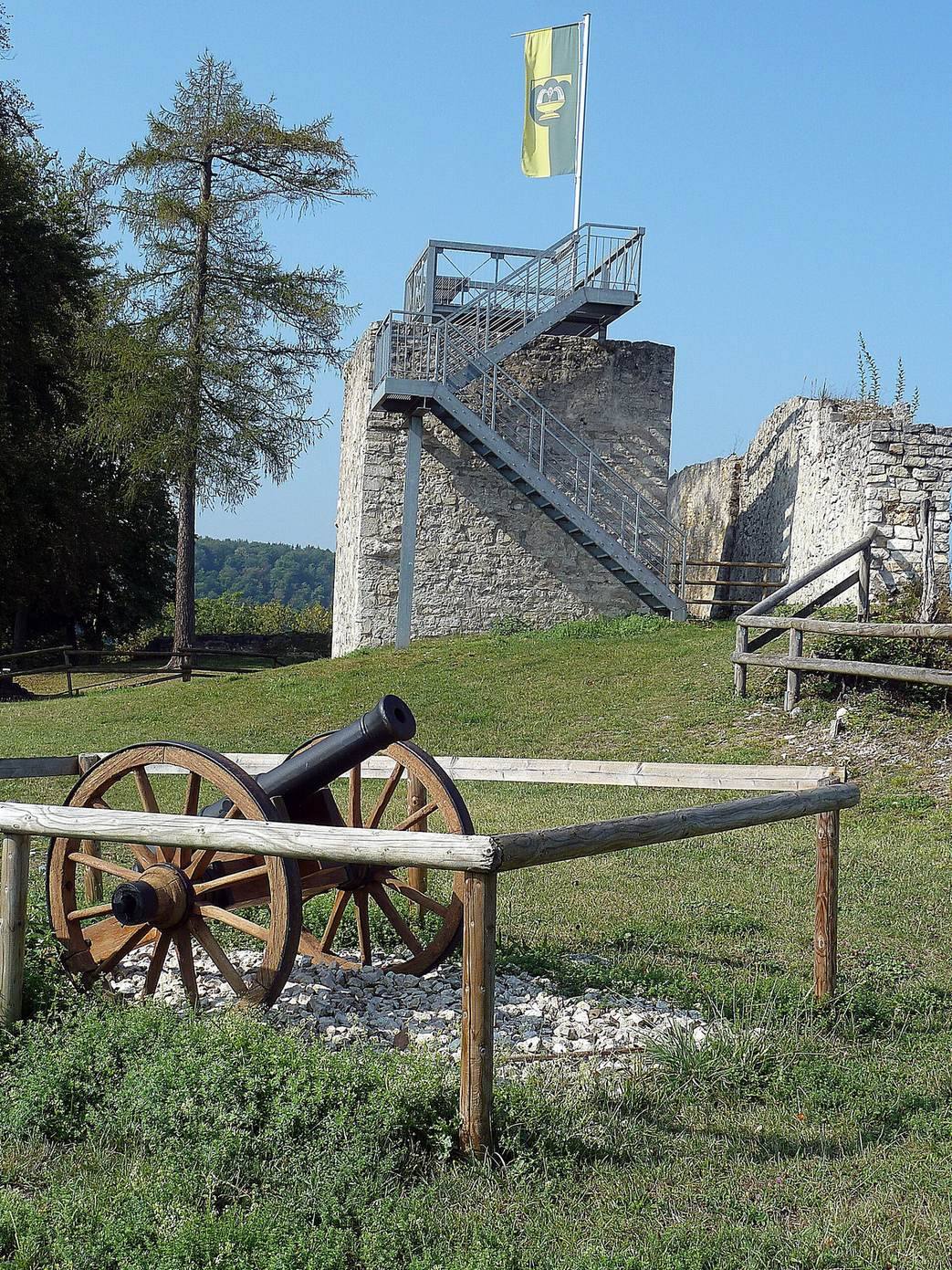
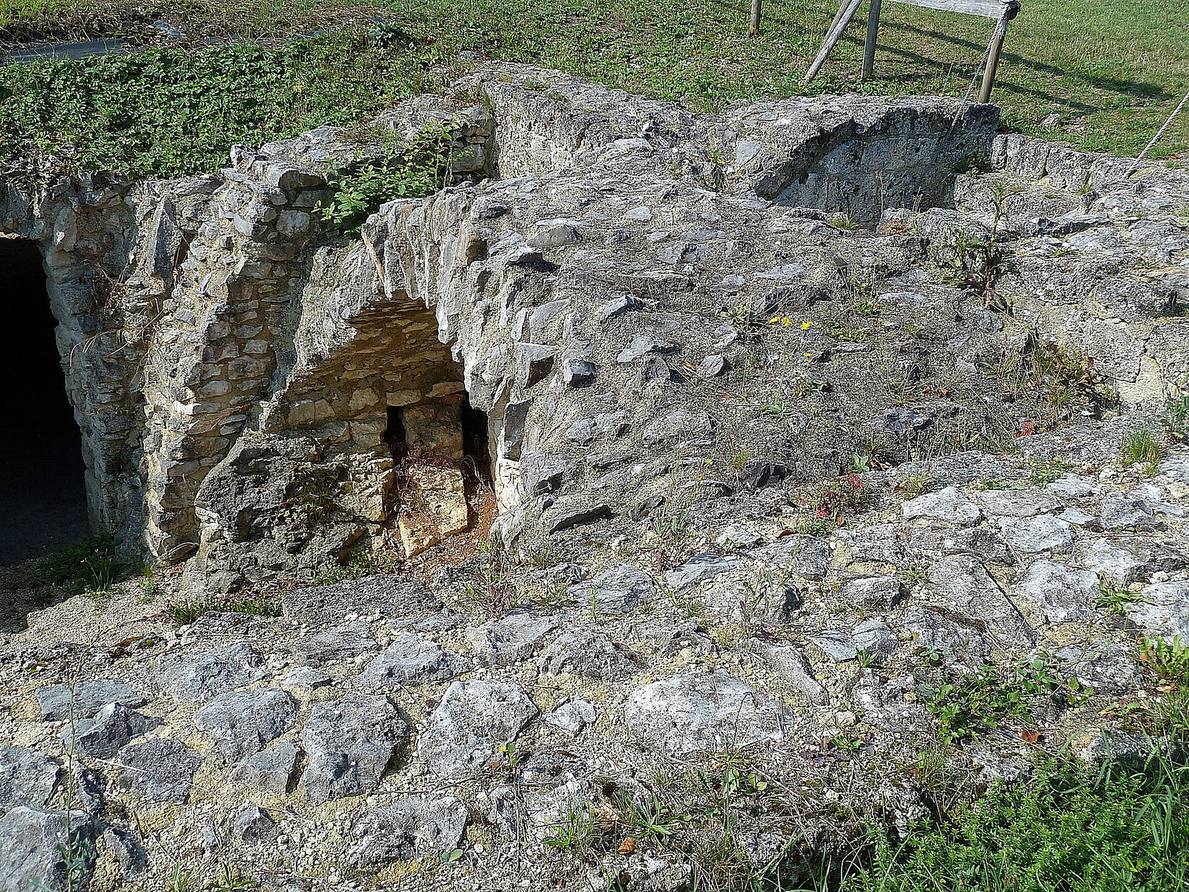
The castle occupies the summit of Schlossberg, which rises to 716.5 metres. Its surviving masonry includes carefully cut stone blocks, some with raised, roughly finished faces. An eastern defensive tower is associated with the site’s viewing platform, a newly built structure that offers wide views over Bad Ditzenbach and neighbouring settlements. A vaulted cellar and a board about the castle’s history are also present.