Rocca di Baiedo: A Medieval Fortress in Lombardy
Site at a Glance
- Popularity
- Medium
- Country
- Italy
- Primary era
- Medieval
- Eras represented
- Medieval
- Civilizations
- Holy Roman Empire
- Site type
- Military
- Remains
- Castle
On this page5 sections
History
Early references and changing lordship
Rocca di Baiedo is the ruined remains of a late-medieval stone fortress near the hamlet of Baiedo in Pasturo, Lombardy, Italy. Its position gave it a strategic role from antiquity, helping control movement through Valsassina, the valley in Lombardy, and contributing to the defense of the valley and control of the central lake. The rock may have been fortified in Roman times. Its first known written reference, from 975, calls it castrum qui dicitur Baliade, meaning “the castle called Baliade.”
By about 1000, the castle belonged to Ferlenda, Countess of Lecco. The Della Torre, a medieval noble family, held it from the 12th century until 1335. That year, Azzone Visconti, lord of Milan and a member of its ruling house, brought the fortress and the valley under his family’s control.
Venetian occupation
During the Venetian invasion of Valsassina in 1447, the valley’s inhabitants rebelled after Milanese troops broke the siege of Lecco. The Venetians took refuge in the Rocca and controlled traffic through the valley. Francesco Sforza, a military commander who later became Duke of Milan, drove them out in 1452 after a year-long siege.
Arrigoni’s expansion and the castle’s destruction
Leonardo da Vinci, the Italian Renaissance artist and engineer, proposed enlarging the castle. Simone Arrigoni carried out the expansion in the late 15th century. An entry in Leonardo’s Codex Atlanticus, a collection of his notebooks and drawings, describes Arrigoni di Baiedo as a noble knight. It says he received a mandate from Louis XII, king of France from 1498 to 1515, and gained the domains of Valsassina and Mandello del Lario. Arrigoni was condemned to death after seeking independent rule without the king’s allegiance and attempting to take Lierna; powerful, secretive Milanese envoys contributed to his death.
In 1513, a popular revolt against the French troops occupying the fortress destroyed the castle. The municipality of Pasturo is its present owner.
Remains
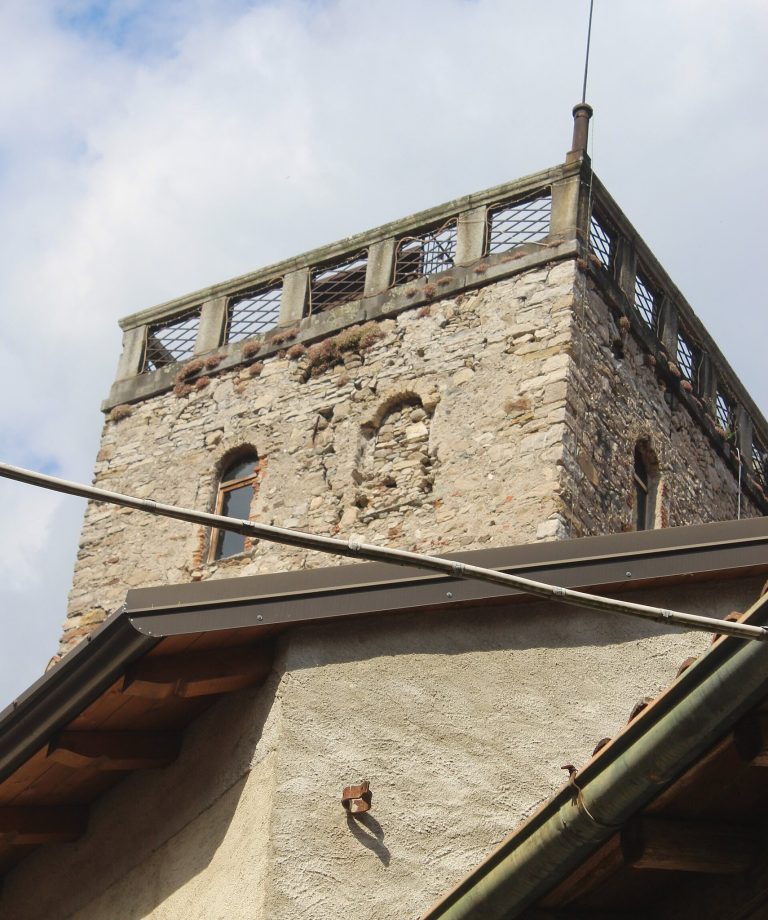
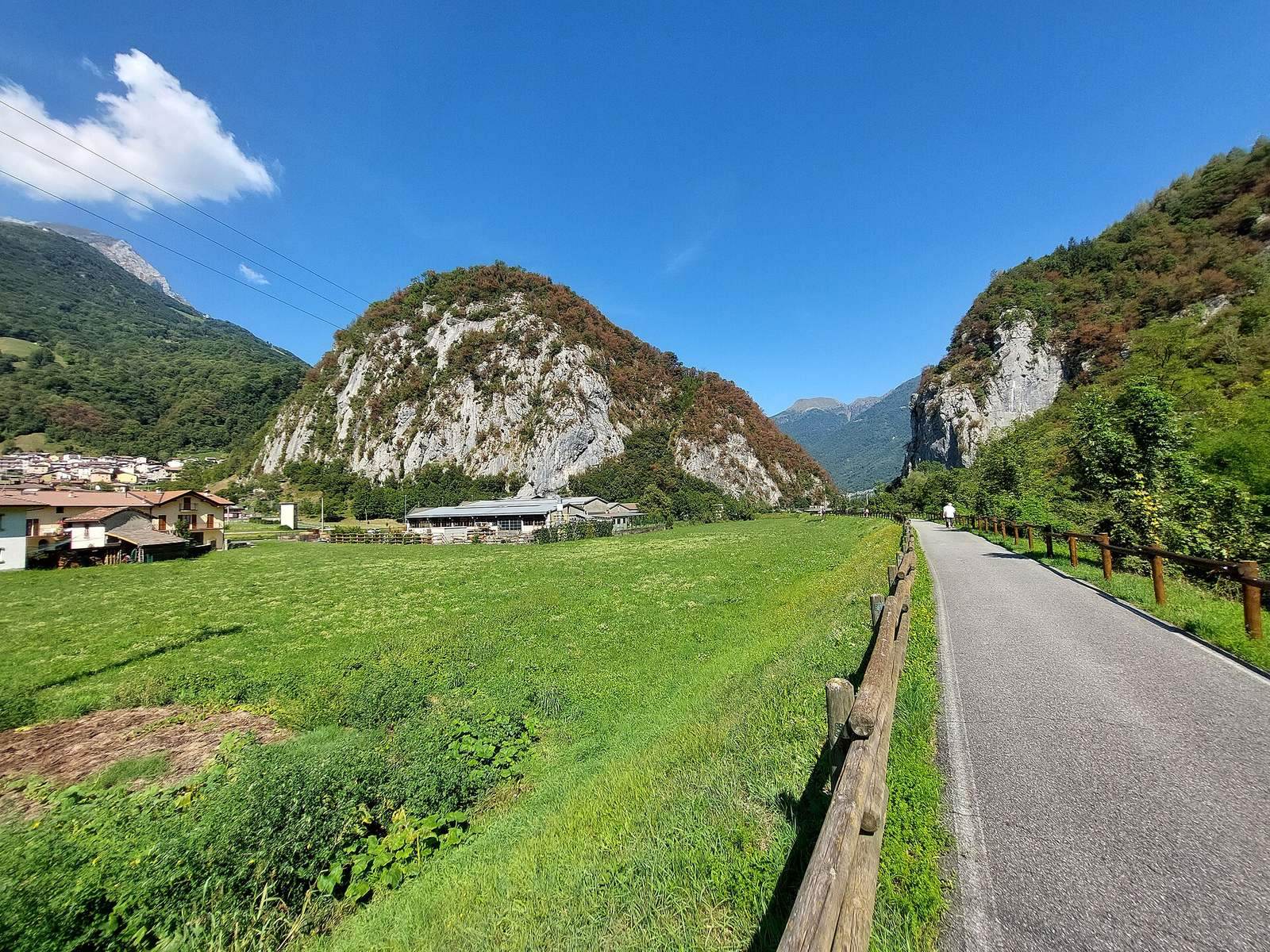
The ruins stand on a massive limestone formation near Baiedo. Together with the opposing Corna del Biscia, the rock formation narrows Valsassina. The surviving castle remains are built of stone and are described as late medieval. A rock face separates the summit from the valley floor and rises more than 100 metres; the tower is listed as 100 metres high.
From the 20th century, the rock face also became a climbing area. A rockfall in 1999 closed it to climbing until the routes were rebuilt in 2004. The named routes include Tuono, Solitudine, Folletto, Necropolis, Navajo, Baiedo, and Sperone.