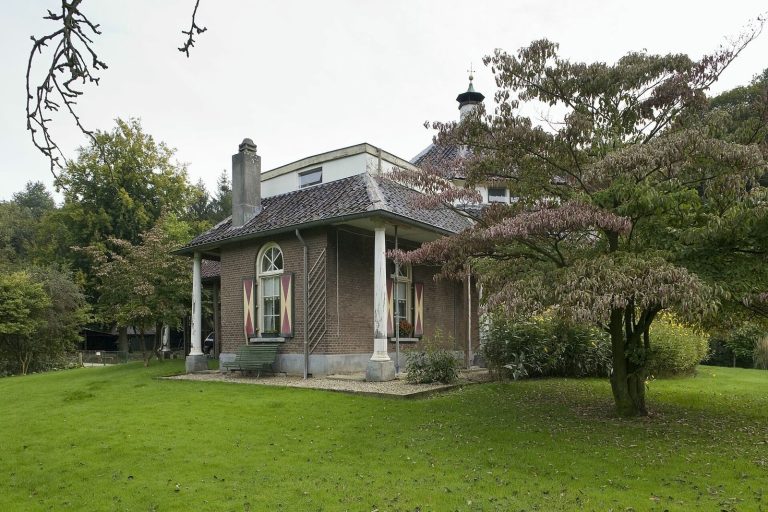
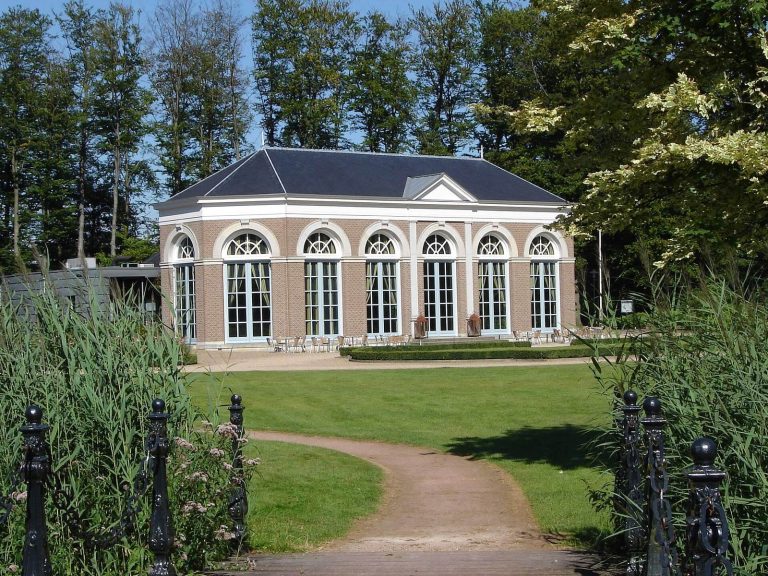
Hackfort Castle and Estate near Vorden, Netherlands
Site at a Glance
- Popularity
- Medium
- Country
- Netherlands
- Primary era
- Medieval
- Eras represented
- Medieval, Early Modern
- Civilizations
- Dutch, Holy Roman Empire
- Site type
- Domestic
- Remains
- Castle
On this page7 sections
History
Origins and medieval lordship
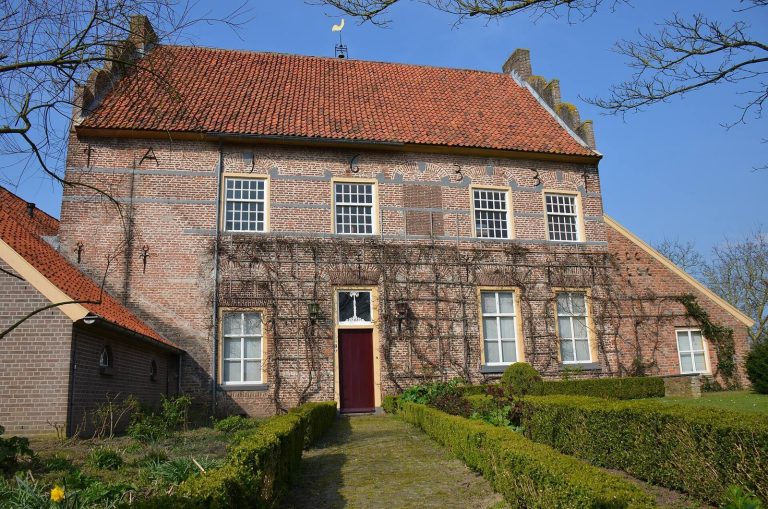
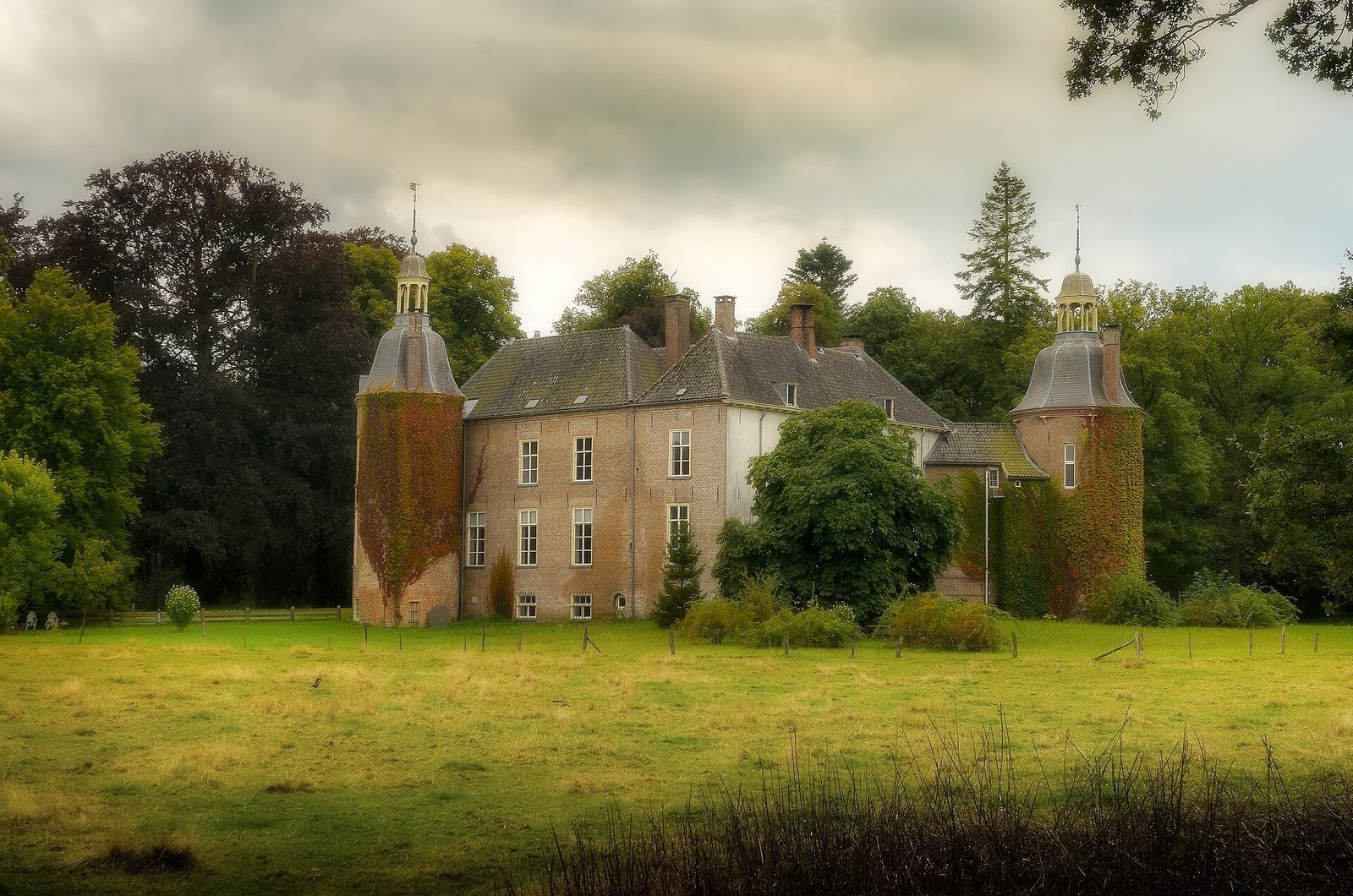
Hackfort is a brick castle at the core of an estate southwest of Vorden in the Netherlands, built by Gerrit van Hackfort between 1367 and 1376. Its history reaches back to 1324, when Willem van Bronckhorst sold property at Hacvorde, an early form of the name Hackfort, to Jacob van der Welle. Jacob subsequently adopted the name Van Hackfort. The Van Bronckhorsts remained superior lords over the fief and its vassals until 1702, even as the castle passed between other families.
War, rebuilding and remodelling
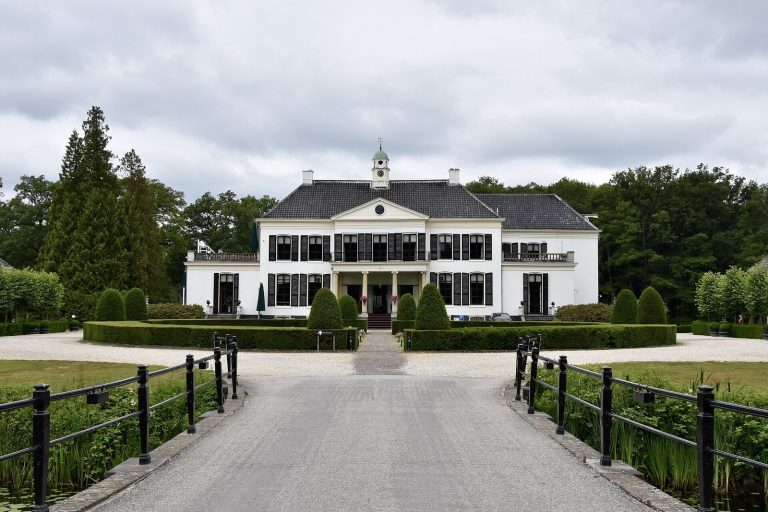
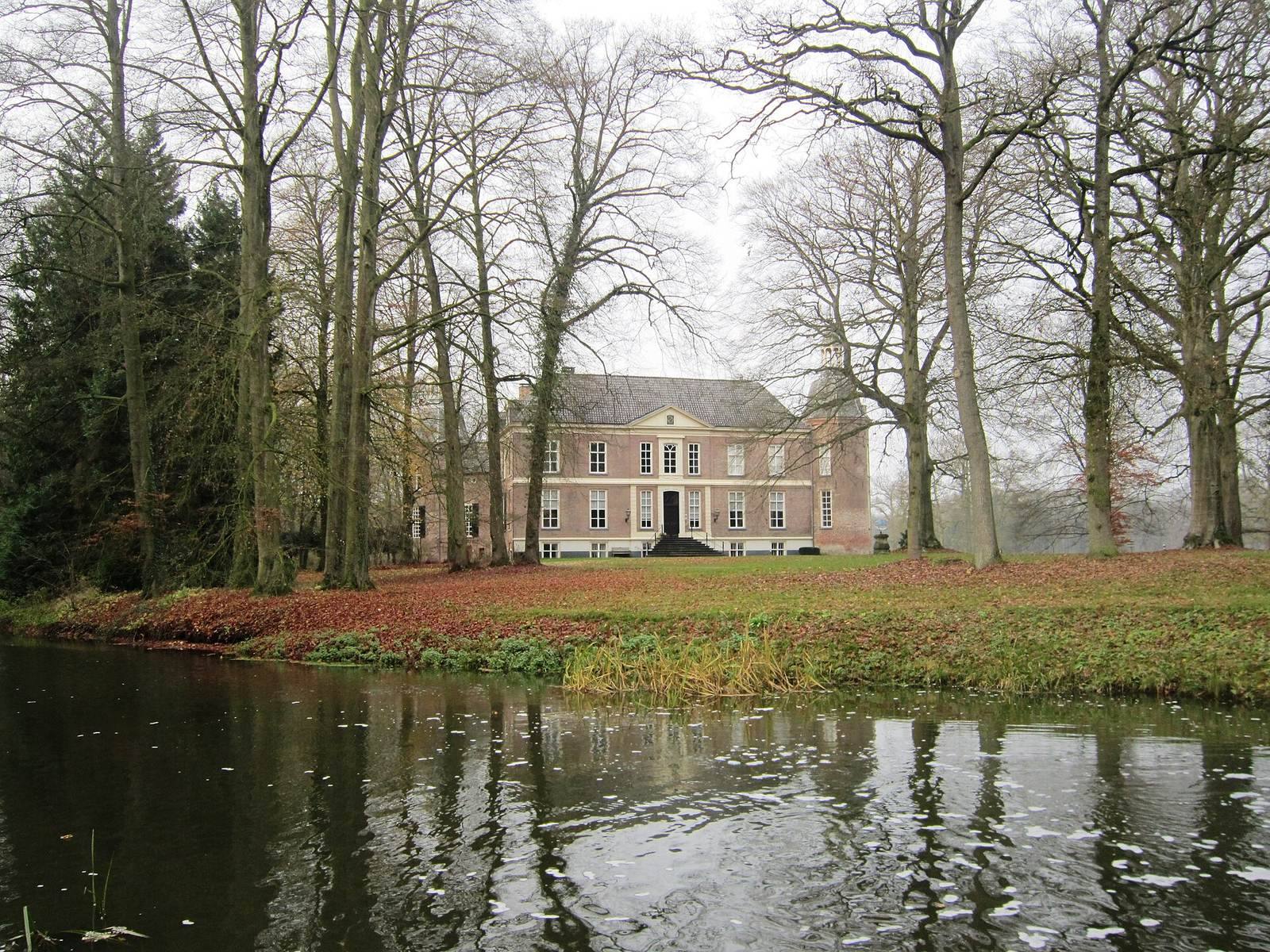
In 1581, the castle passed through heiress Jacoba van Hackfort to the Van Raesfelt family. Spanish troops largely destroyed it in 1586 during the Eighty Years’ War, the 1568–1648 conflict between the Dutch provinces and the Spanish Habsburg monarchy. Borchard van Westerholt rebuilt Hackfort in 1598. In 1602, the fief passed through the Van Raesfelts’ daughter Margarethe to her cousin Borchard, who had already rebuilt the castle. The Van Westerholt family held Hackfort for centuries. In 1788, Borchard Frederic Willem van Westerholt substantially remodelled it, removing the gatehouse and filling in the moats.
Family ownership and conservation
When Borchard Frederik Willem van Westerholt died in 1934, his five children inherited Hackfort. Clara was bought out in 1935, leaving her brother and three sisters with equal shares. In 1964, one sister left her share to Natuurmonumenten, a Dutch nature-conservation association, and her brother Arend made a will leaving his share to the association. Arend died in 1970 and his sister Emma in 1971; Sannie then managed the estate alone. After she died in 1981, Hackfort became wholly owned by Natuurmonumenten. The castle was designated a Dutch national monument, a protected historic site, on 12 September 2005. It is now used for apartments and by the Urtica Foundation’s live-work community.
The estate’s landscape came under pressure from intensified farming during the twentieth century, drying partly associated with construction of the Veengoot, and inadequate care of coppice woods, where trees are periodically cut back to encourage regrowth. Natuurmonumenten’s 2021 management vision for 2020–2040 proposes restoring natural groundwater and surface-water flows, retaining water, and bringing mineral-rich seepage to the surface where possible. It also proposes making the Baakse beek shallower and possibly removing the Veengoot. Agreements with farmers support nature-focused management on selected parcels, while the vision treats forty historic farmsteads as heritage and promotes farming that supports biodiversity and natural processes. Hackfort lies within the Gelderland Nature Network and the National Landscape of the Graafschap, where wind and solar parks cannot be built.
Remains
The castle
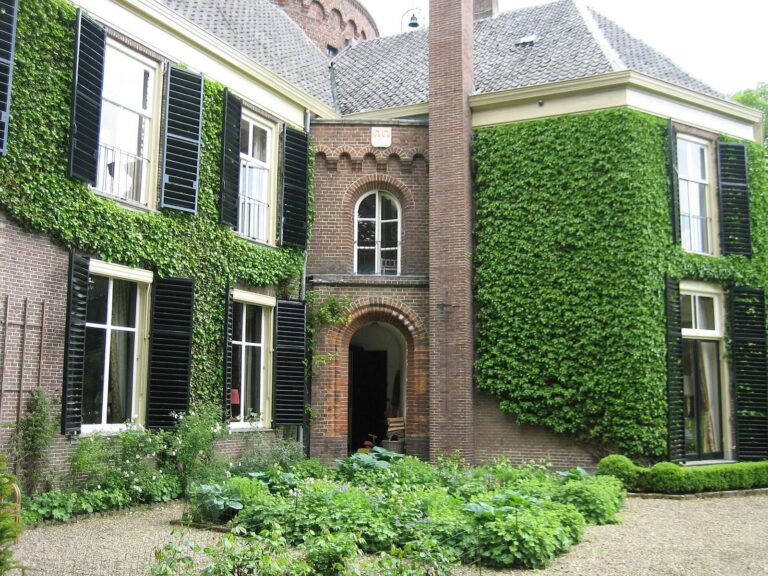
Hackfort began as a residential tower and was built of brick. A 1392 entry in the Bronckhorst feudal register, a record of landholdings and relationships, describes a house at Hacforden with an outer bailey, an enclosed area outside the castle’s main stronghold, and moats. The 1788 remodelling gave the front a more regular, symmetrical appearance and enlarged its windows. The earlier façade had projecting latrines and cross windows with lower shutters. Removing the gatehouse opened the view of the façade and the entrance landing.
The estate landscape and water system
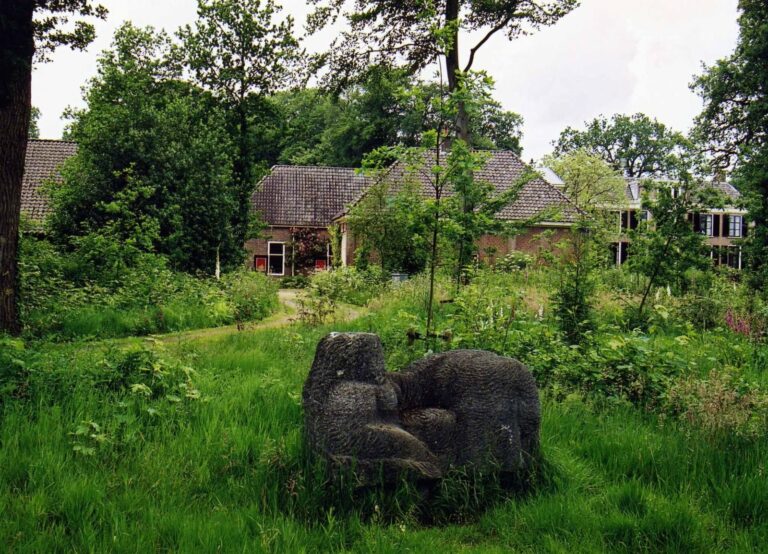
The castle stands amid woods and meadows, with the Hackfort watermill beside it. The roughly 735-hectare estate occupies the meeting point of the Achterhoek plateau, whose highest part is the East Netherlands plateau, and the IJssel valley. Its older, small-scale cultural landscape remains well preserved, with fields set among wooded features. Calcium-rich water rising in and around Hackfort contributes to the area’s natural value and has also supported agriculture. The Baakse beek, also known locally as the Hackfortse beek, and the Veengoot form part of the estate’s water system.