Tung Fort: A Watchtower Guarding the Route to Pune
Site at a Glance
- Popularity
- High
- Country
- India
- Primary era
- Early Modern
- Eras represented
- Early Modern
- Civilizations
- Unclassified
- Site type
- Military
- Remains
- Fort
On this page5 sections
History
Tung Fort, also known as Kathingad, stands in Pune District, Maharashtra, India. Kathingad means “difficult fort” in Marathi. The Adil Shahi dynasty, the ruling house of the Bijapur Sultanate in the Deccan, built the fort before 1600. Chhatrapati Shivaji Maharaj, the seventeenth-century Maratha ruler who founded the Maratha state, captured it later.
The fort could accommodate no more than 200 troops. Its form and position made it primarily a watchtower over the Maval region and the Pawna and Mulshi valleys, guarding the route to Pune. During invasions, it could distract attackers while the larger forts of Visapur and Lohagad prepared. The Dhamale family, regional hereditary officeholders known as Deshmukhs, was responsible for securing it.
Remains
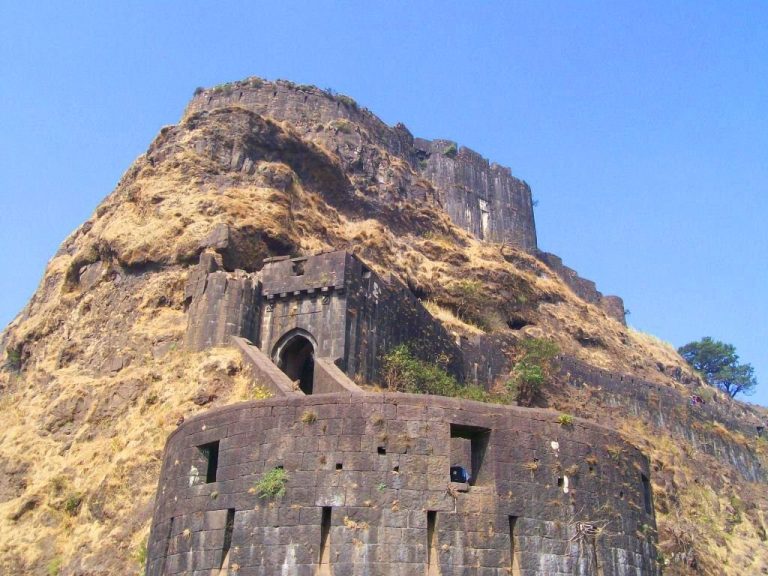
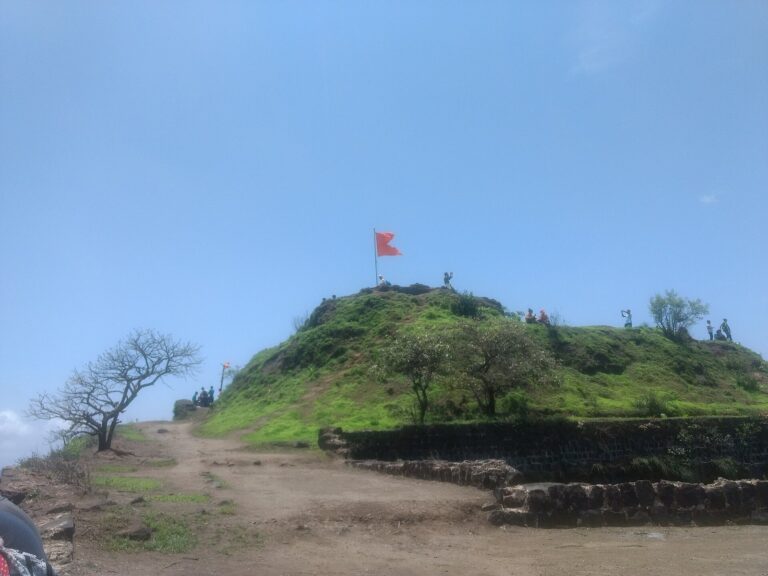
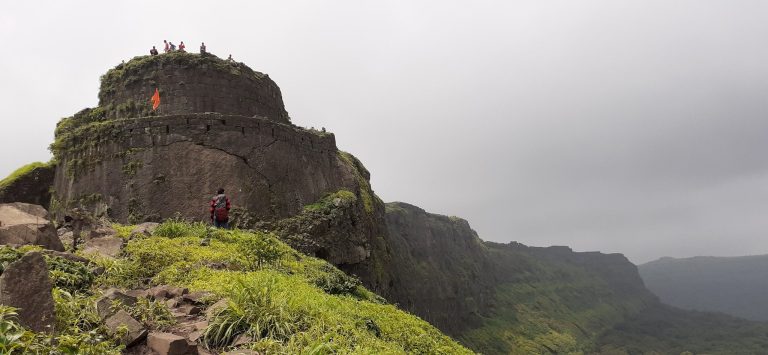
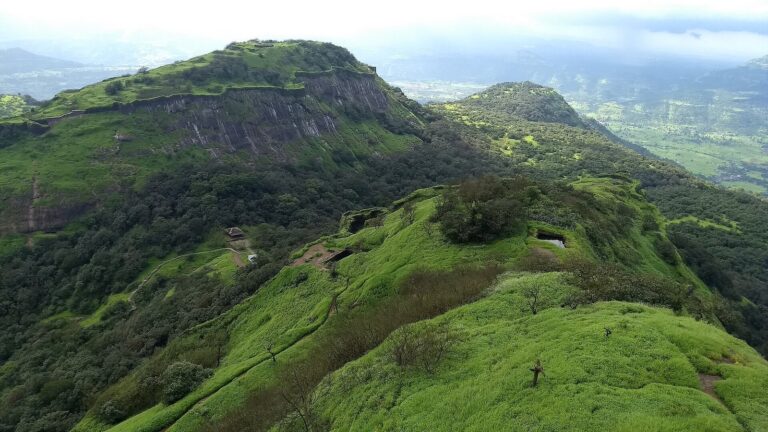
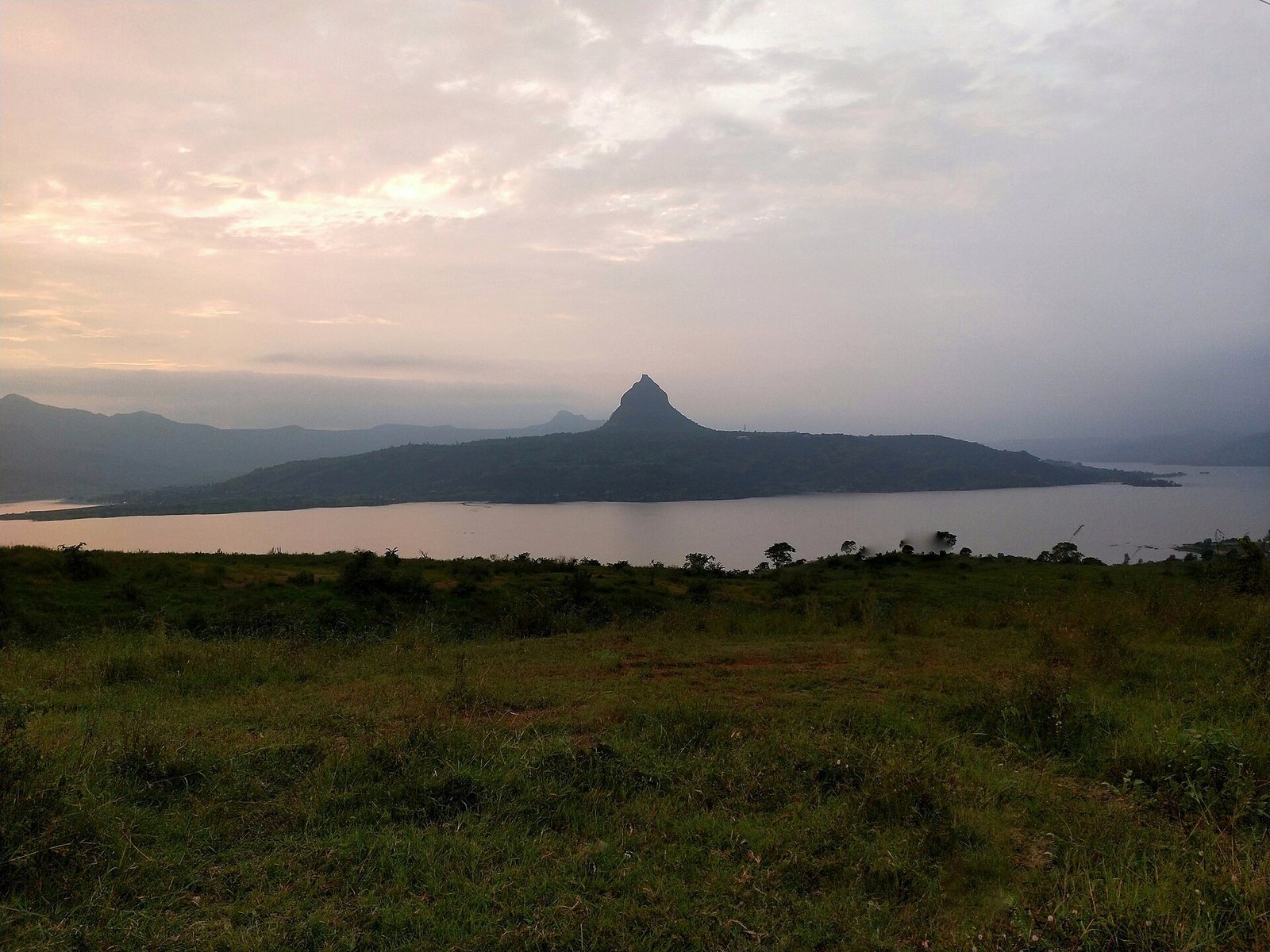
The fort stands at an elevation of 1,075 metres in the Western Ghats, the mountain range along western India. Its sharply conical peak and oval plan shape the site’s layout.
Defenses and Approach
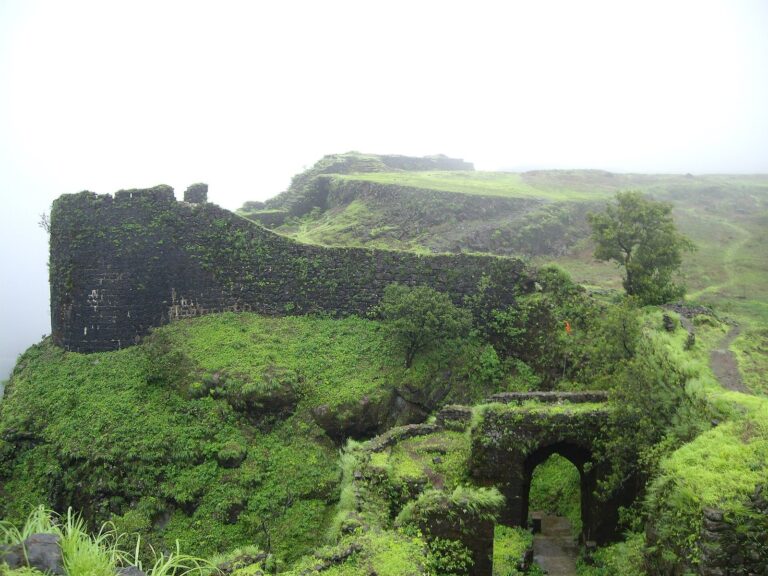
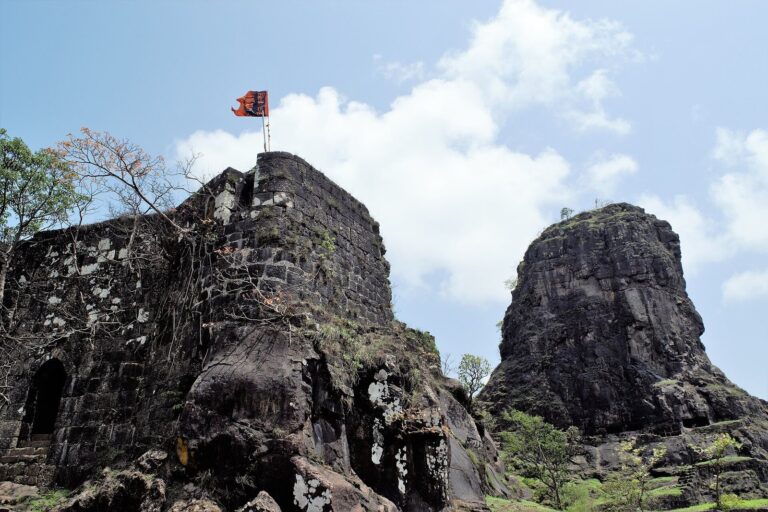
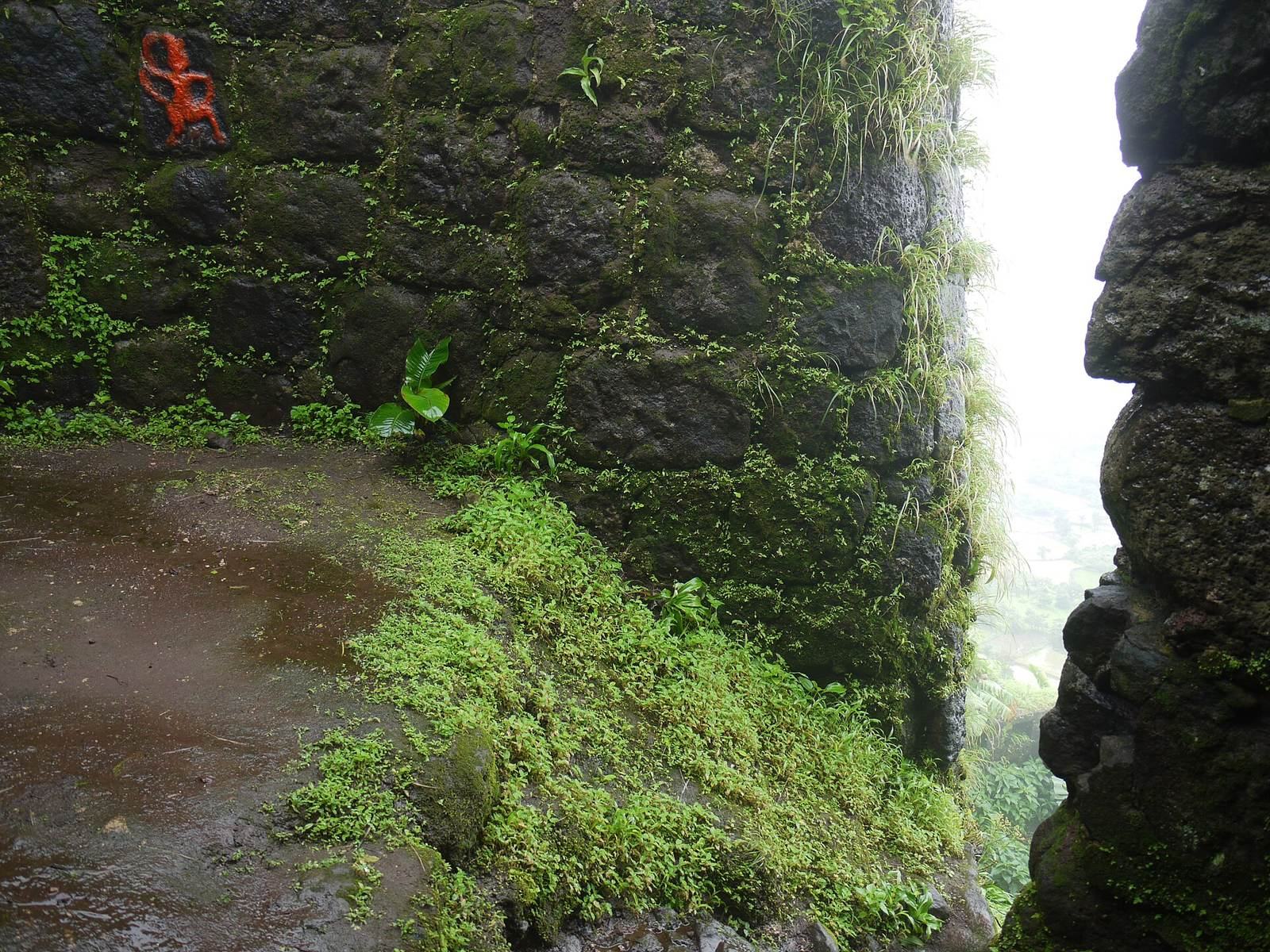
Thick walls and numerous bastions, projecting defensive structures, form the fortifications. A steep, narrow path follows the mountain’s edge, while grassy slopes rise toward the summit.
Summit Features
Ruins of a temple stand at the summit. A rocky staircase descends several feet to a water reservoir.
Water and Views
Since the construction of Pawna Dam, water has surrounded the fort on three sides. From the summit, Lohagad, Visapur, Tikona, and Korigad forts are visible.