Tullynally Castle: A Gothic Country House in Ireland
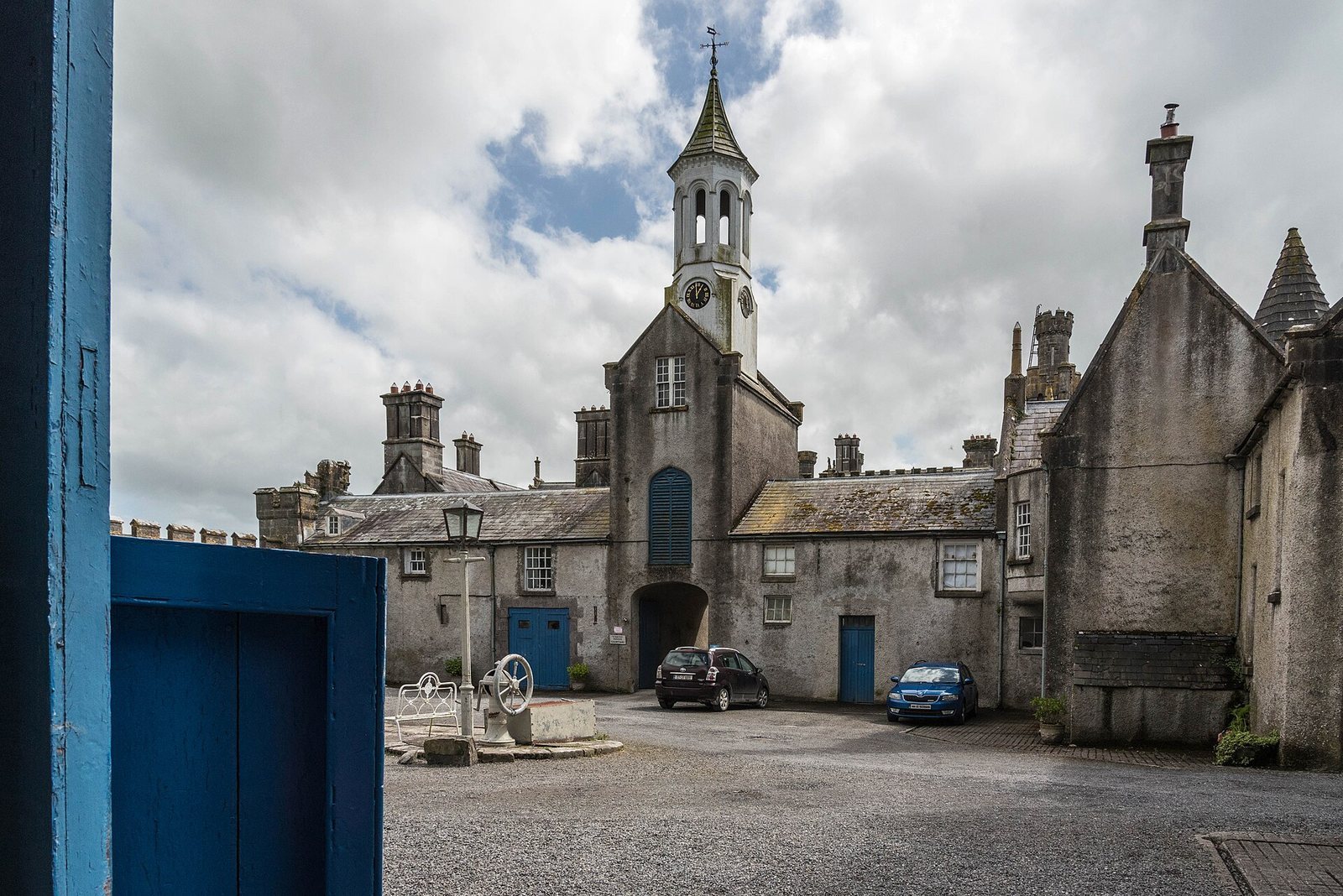
Site at a Glance
- Popularity
- High
- Country
- Ireland
- Primary era
- Modern
- Eras represented
- Early Modern, Modern
- Civilizations
- British, English, Irish
- Site type
- Domestic
- Remains
- Castle
On this page9 sections
History
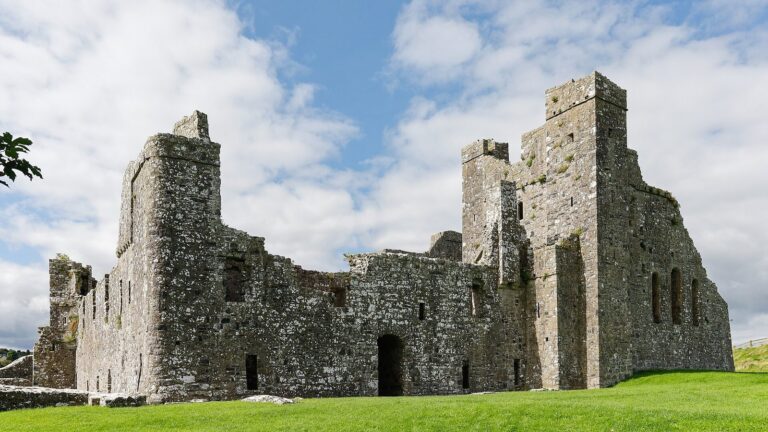
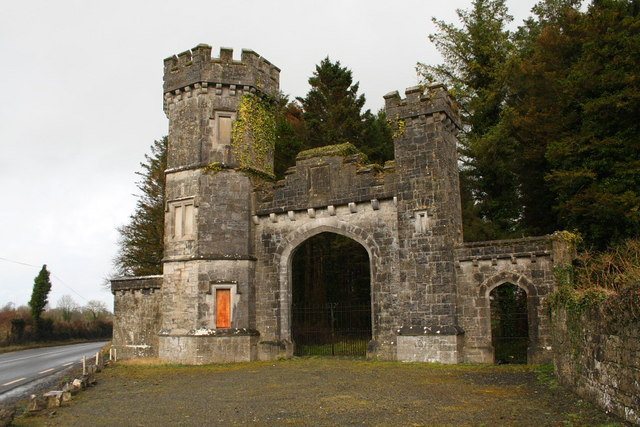
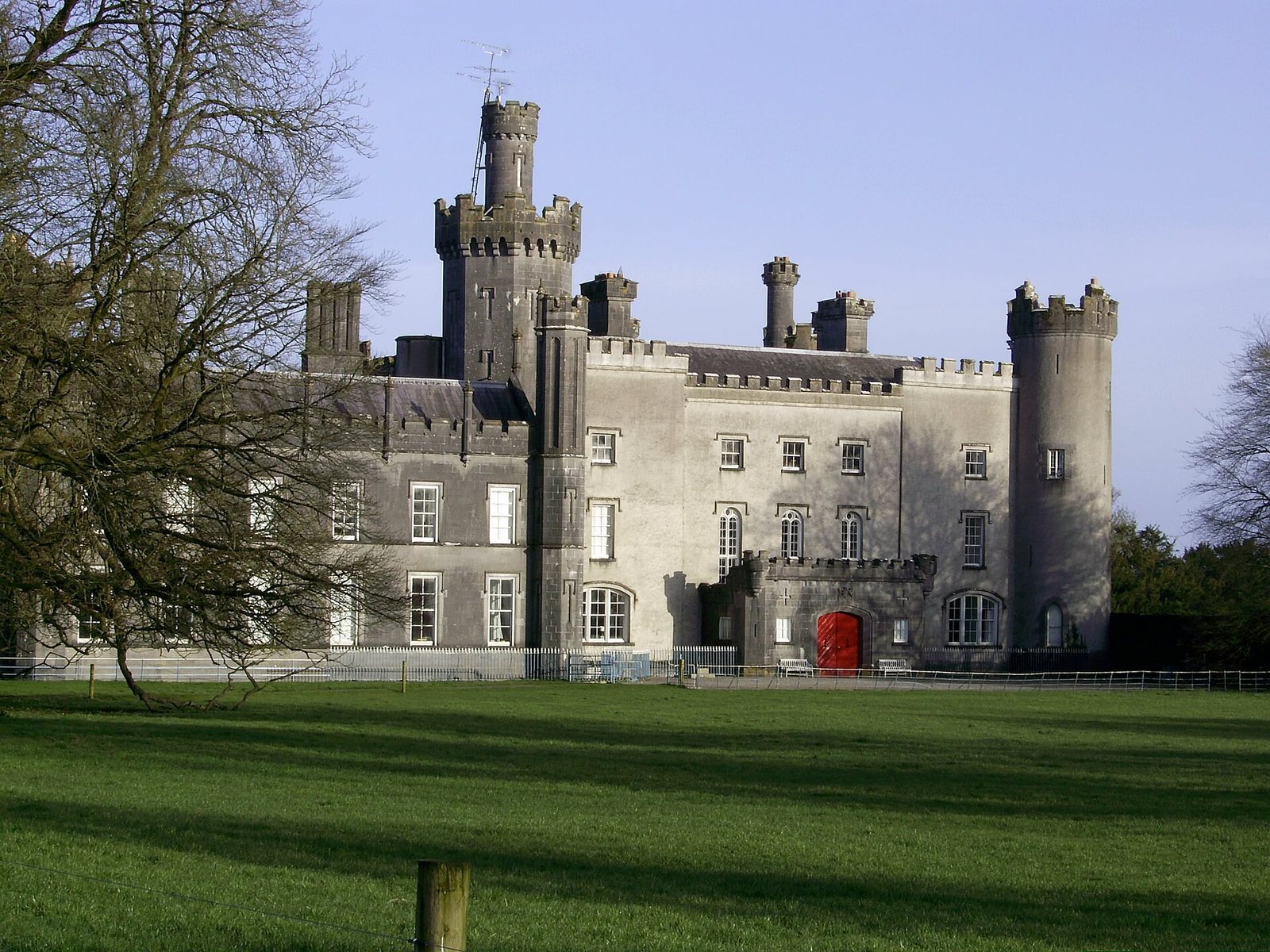
Tullynally Castle is a country house in County Westmeath, Ireland, about 2 km from Castlepollard. It stands on the site of a seventeenth-century fortified house and took on its Gothic Revival character during an early nineteenth-century remodelling.
Seventeenth-century origins
In 1665, Henry Pakenham received land that included Tullynally in settlement of pay arrears from his service as a captain in the Parliamentary Dragoons, mounted troops serving Parliament during the British Civil Wars.
Longford titles and remodelling
Henry’s grandson Thomas Pakenham became the 1st Baron Longford in 1756. A later Thomas Pakenham, grandson of the 1st Baron, became the 3rd Baron Longford. In January 1794, he inherited the title of 2nd Earl of Longford from his grandmother, the 1st Countess of Longford.
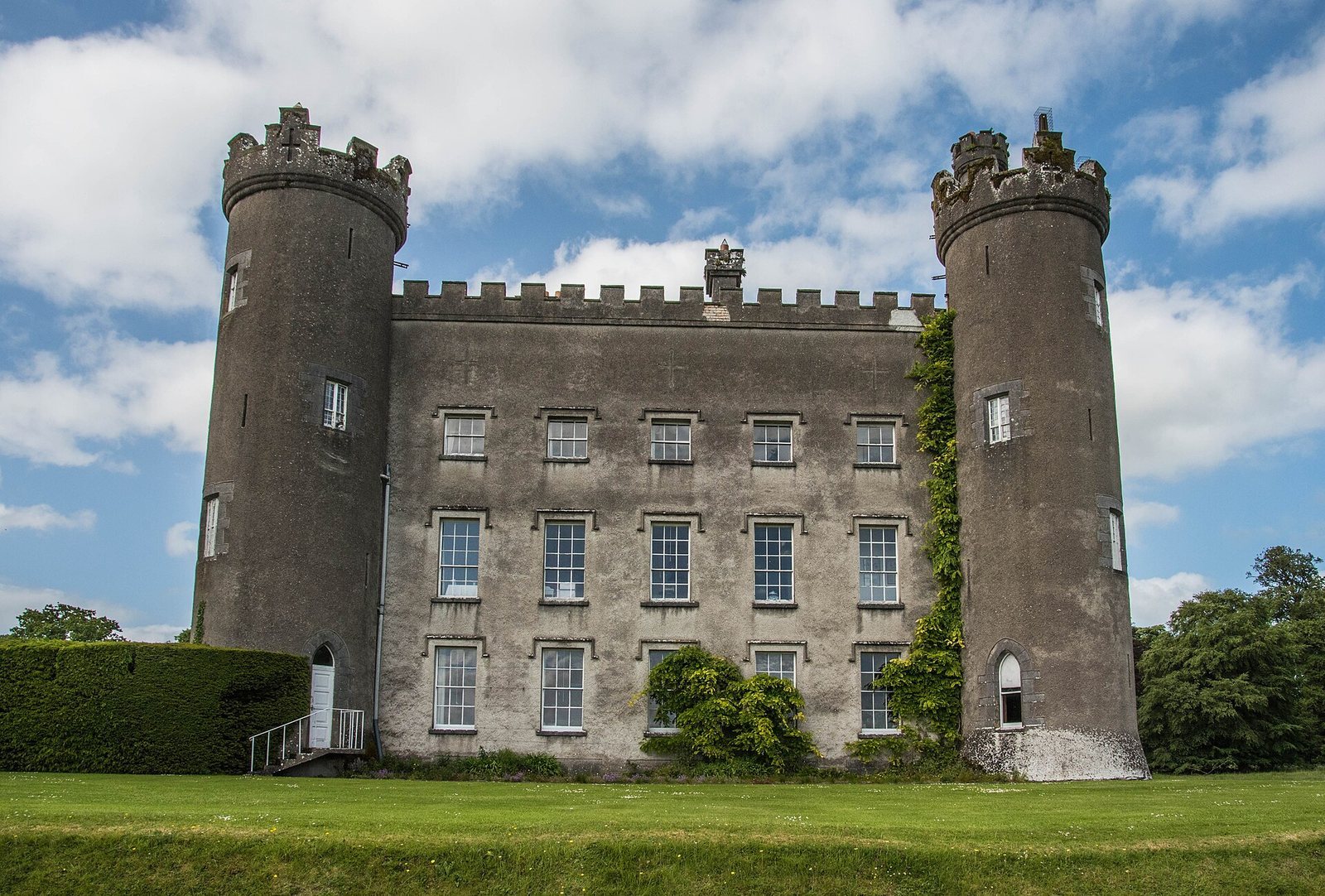
The 2nd Earl remodelled the earlier house in the Gothic Revival style, adding towers and a moat. At the time, it was larger than any other house in Ireland designed with castle-like features.
Family residence and later ownership
The Pakenhams lived at the house across successive generations, with a 32-year interruption in the early nineteenth century when it belonged to the Ryder family. General Sir Edward Pakenham was born and raised there. He later became a senior British Army commander and led British forces in the War of 1812.
Today, the house is owned by Thomas Pakenham, the 8th Earl of Longford. It is described as Ireland’s largest house in private ownership by one person.
Remains
The house and grounds
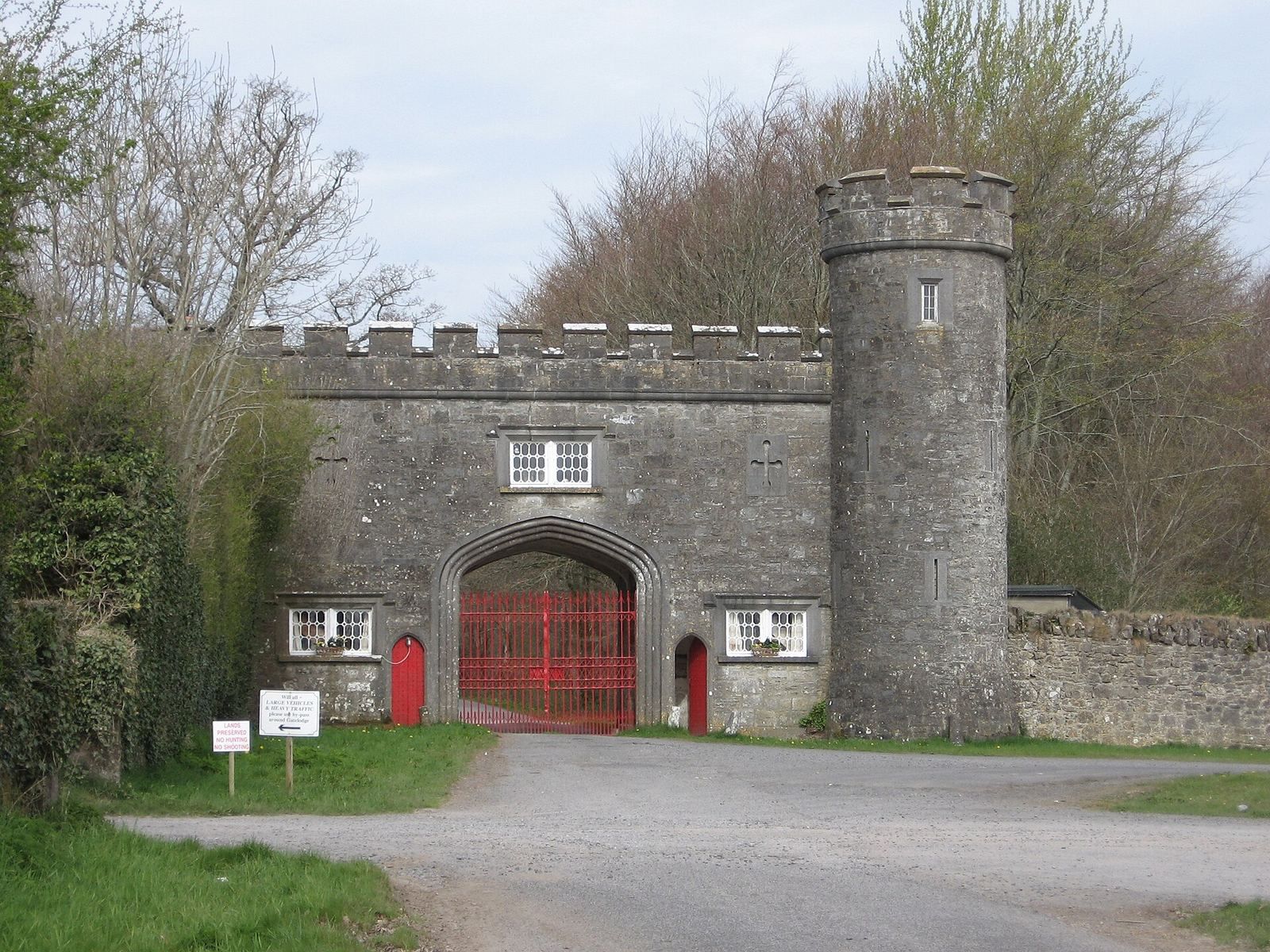
The Gothic country house contains more than 120 rooms and is surrounded by about 12 acres of parkland and gardens.
Parkland and gardens
Early nineteenth-century landscape
Woodland and walled gardens were laid out in the early nineteenth century. The grounds include a limestone grotto and ornamental lakes.
Later themed gardens
A Chinese garden with a pagoda and a Tibetan garden featuring waterfalls and streams were added in the twenty-first century.