Palazzo delle Stelline: A Former Convent and Cultural Venue in Milan
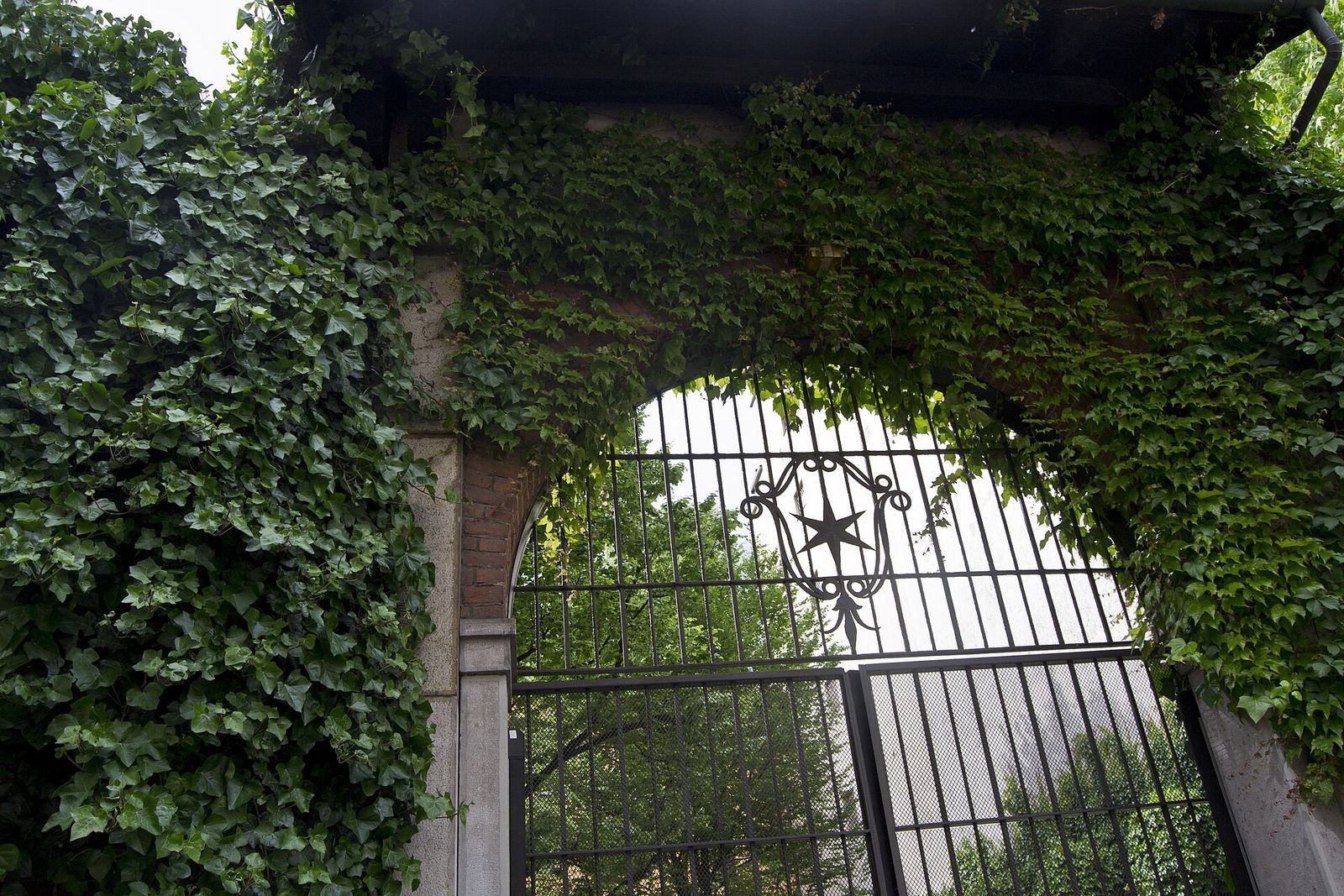
Site at a Glance
- Popularity
- Medium
- Country
- Italy
- Primary era
- Unclassified
- Eras represented
- Unclassified
- Civilizations
- Unclassified
- Site type
- Religious
- Remains
- Monastery
On this page8 sections
History
Palazzo delle Stelline is a historic convent complex in Milan, Italy, later used for charitable care, theatre education and cultural activity.
Nunnery and orphanage
The complex began as a convent of Benedictine nuns, members of a Catholic monastic order, dedicated to Santa Maria della Stella. From the seventeenth century, it housed the Stelline orphanage, established at the initiative of Saint Charles Borromeo, a cardinal and archbishop of Milan prominent in the Catholic reform movement.
Theatre education and cultural stewardship
In 1951, theatre impresario and cultural administrator Paolo Grassi and theatre director Giorgio Strehler founded a drama school in the palazzo. Part of the complex later housed the School of Piccolo Teatro, a Milan theatre company and performance venue; the school subsequently became the Paolo Grassi Drama School.
The City of Milan later acquired the building with the intention of establishing the International Institute for Technology Management there. In 1986, the city and the Lombardy Region created Fondazione Stelline to preserve the palazzo and promote initiatives of national and international reach in social and economic affairs and culture, especially contemporary and twentieth-century art.
The City owns the complex, and Fondazione Stelline manages it as a public venue for major international conferences. Its current occupants include the Institut Français de Milan, a French cultural institute, a hotel, the Paolo Grassi Drama School, and offices for the European Commission’s diplomatic representation in Italy, the European Parliament and the Italian Trade Agency, which promotes Italian businesses abroad and supports their international expansion.
Remains
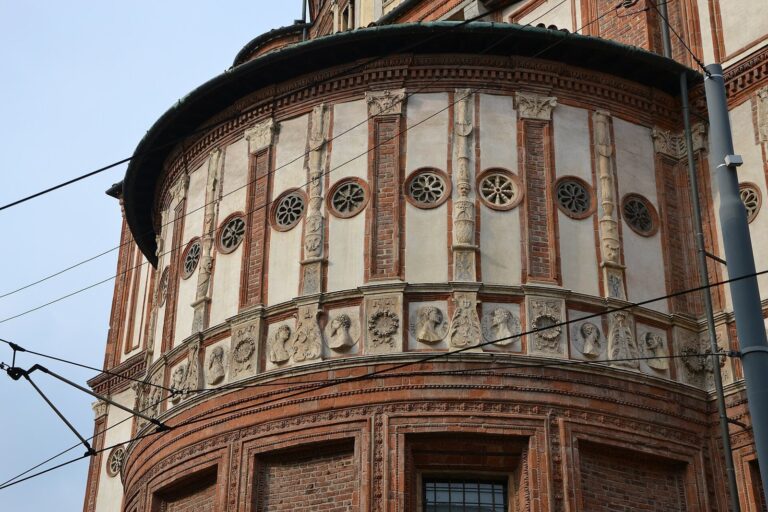
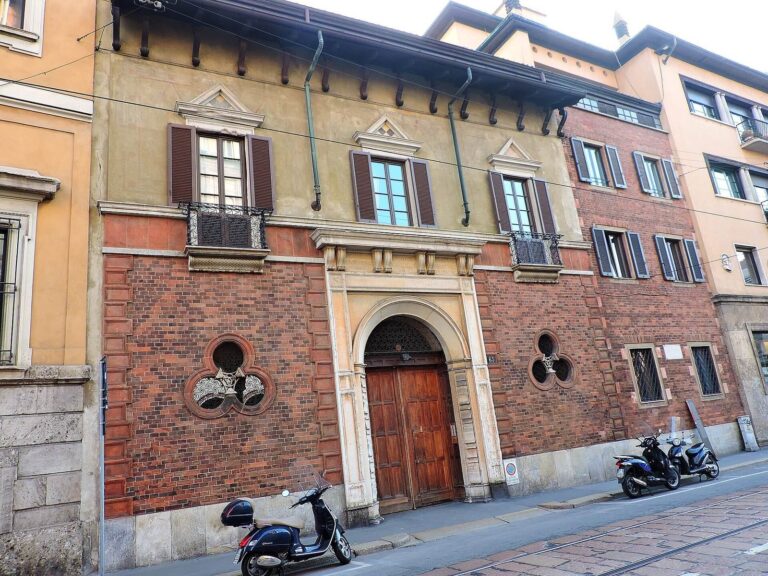
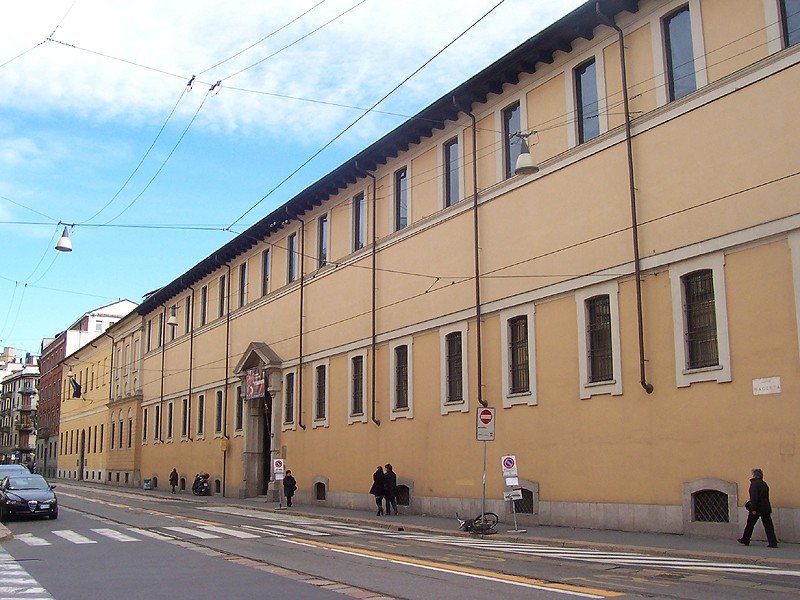
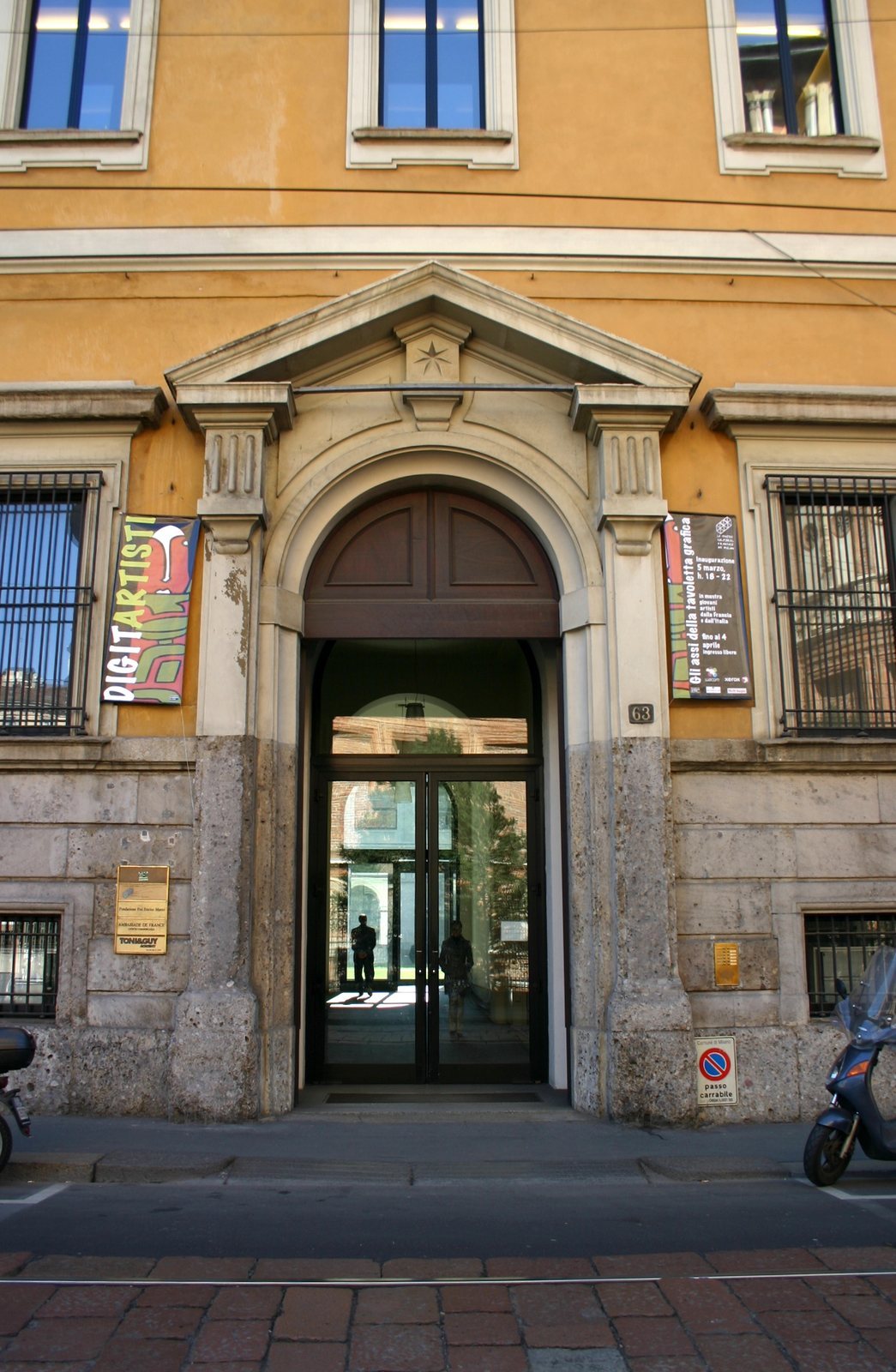
The complex stands on Corso Magenta, opposite the church of Santa Maria delle Grazie. Its component spaces include a cloister at No. 59, a section at No. 61 and a former convent dining hall.
Buildings and spaces
Cloister at No. 59
A cloister, a covered walkway around an enclosed courtyard, forms part of the complex at No. 59. It houses offices for the European Commission’s diplomatic representation in Italy, the European Parliament and the Italian Trade Agency.
Section at No. 61
The section at No. 61 was renovated during the 1970s to a design by architect Jan Battistoni.
Former convent dining hall
The former convent dining hall contains an exhibition gallery associated with a private bank now known as Crédit Agricole Italia.