Barmoor Castle: A Gothic Revival Mansion on a Medieval Site
Site at a Glance
- Popularity
- Medium
- Country
- United Kingdom
- Primary era
- Modern
- Eras represented
- Modern
- Civilizations
- Unclassified
- Site type
- Domestic
- Remains
- Castle
On this page6 sections
History
Medieval origins
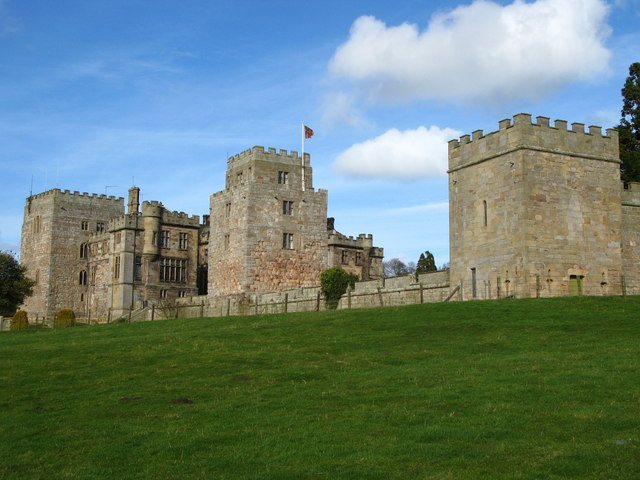
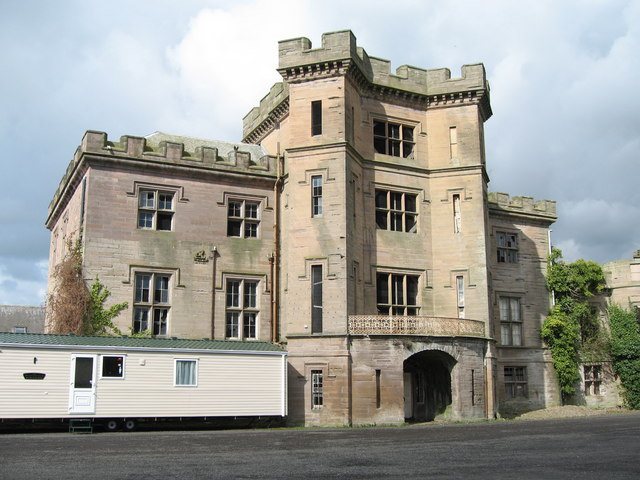
Barmoor Castle is a substantial mansion in the United Kingdom, completed in 1801 in the Gothic Revival style, which revived forms associated with medieval Gothic buildings. Its history began after the Norman Conquest, the Norman takeover of England in 1066. The Manor of Barmoor, an estate held under the medieval system of land tenure, was granted to the Muschamp family, who built a tower house, a fortified residence organized around a tower. On 17 May 1341, Edward III granted formal permission to add battlements to the house.
Decay, repair, and transfer
A survey in 1541 described the house as close to ruin after a period of inadequate maintenance. Repairs and improvements followed in 1584. When George Muschamp died in 1649, the estate was sold to William Carr of Etal to meet claims from creditors.
The present house and later residents
The estate passed through several owners after 1702. Francis Hurt Sitwell inherited it in 1791 and commissioned architect John Paterson of Edinburgh to design the present house, completed in 1801. In the early 1890s, William Henry Sitwell directed further improvements and extensions. Banker and local historian Thomas Hodgkin rented the castle as his home from 1899 to 1913.
Recent ownership and protection
The Lamb family acquired the house and 200 acres in the 1980s and became its owner-occupiers. Barmoor Castle is Grade II* listed, a classification for buildings of particular importance. In 2008, it was included on English Heritage’s Buildings at Risk Register, which identifies historic buildings considered at risk.
Remains
The surviving building is a substantial mansion with battlements, built in the Gothic Revival style. It occupies the site of the earlier tower house, and some stonework from that building was incorporated into the later structure. The mansion was completed in 1801 and subsequently altered through the improvements and extensions overseen in the early 1890s. In 2008, the building was described as decaying.