Palace and Monastery of Puchheim: A Renaissance Palace and Pilgrimage Complex
Site at a Glance
- Popularity
- Medium
- Country
- Austria
- Primary era
- Early Modern
- Eras represented
- Early Modern, Modern
- Civilizations
- Austria-Hungary, Habsburg, Habsburg Austria, Holy Roman Empire
- Site type
- Domestic
- Remains
- Elite Residence
On this page9 sections
History
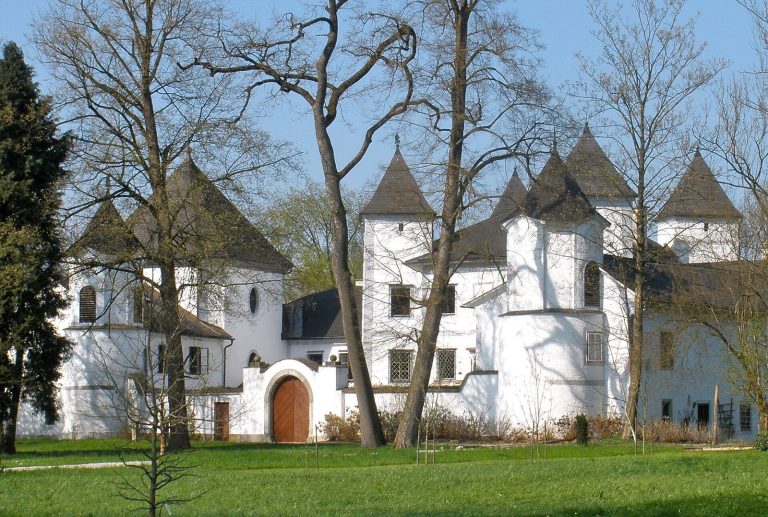
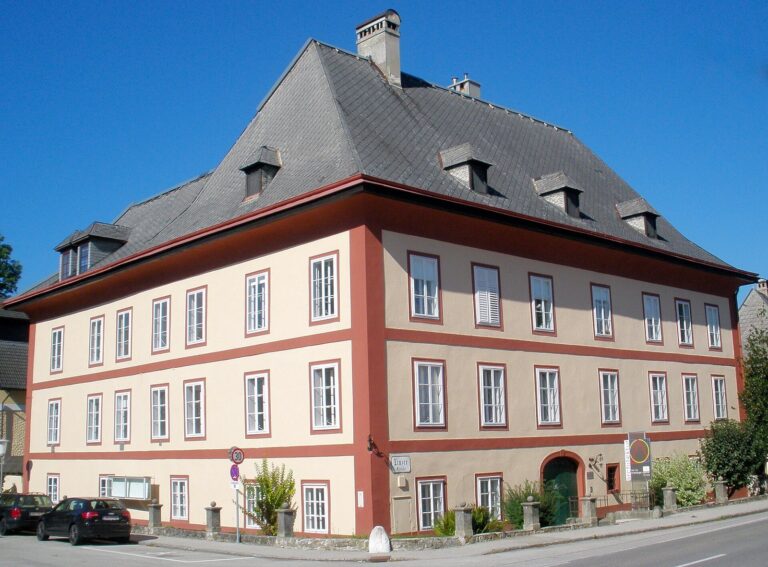
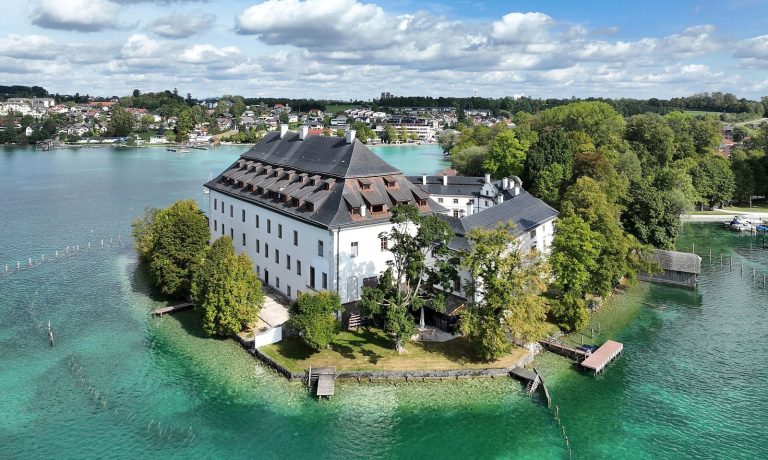
The Palace and Monastery of Puchheim is a historic palace and religious complex in Puchheim, a district of Attnang-Puchheim in Upper Austria, Austria. After a fire destroyed the medieval fortress in 1585, the Polheimer family built a palace in the Renaissance style, inspired by classical art and architecture. The present complex also includes a pilgrimage church designated a basilica and an outer service courtyard.
Medieval fortress and noble ownership
The predecessor fortress was first recorded in 1130 and served as the ancestral seat of the Puchheim knightly family, one of Austria’s old noble houses. The family was traditionally counted among the “Apostolic lineages of Austria,” a label for long-established aristocratic families. In 1348, Albrecht von Puchheim transferred his Upper Austrian possessions to Duke Albert II of Austria and received Litschau and Heidenreichstein as granted estates. Duke Albert VI sold the castle in 1462, and by 1551 it belonged to the Polheimer family.
The Polheimers and later owners
During the Counter-Reformation, a period of Catholic reform and efforts to respond to Protestantism, an uprising broke out in Upper Austria. After it was suppressed, Count Adam von Herberstorff, the Bavarian governor of Upper Austria, confiscated the Polheimers’ possessions in 1627 because the family had supported the rebellion. The Salburg family owned the property from 1636 to 1767, followed by the Counts of Fuchs until 1838. In 1839 it passed to Archduke Maximilian Joseph of Austria-Este, a grandson of the eighteenth-century Habsburg ruler Maria Theresa.
Religious use and later history
At Maximilian Joseph’s initiative, Jesuits, members of a Catholic religious order, came to Puchheim in 1847 to provide pastoral care. They left during the Revolution of 1848–49, when their order was abolished in Austria. Redemptorists, another Catholic order, arrived from Altötting in 1851. The main palace and basilica are now in their possession.
The outer palace belonged to the Bourbon dynasty from 1892 to 1993, most recently to its Bourbon-Parma branch. It is now owned by the City of Attnang-Puchheim and the Diocese of Linz. During the Nazi period, a home for children of forced laborers operated in the palace’s old hall. Children were born and died there.
Remains
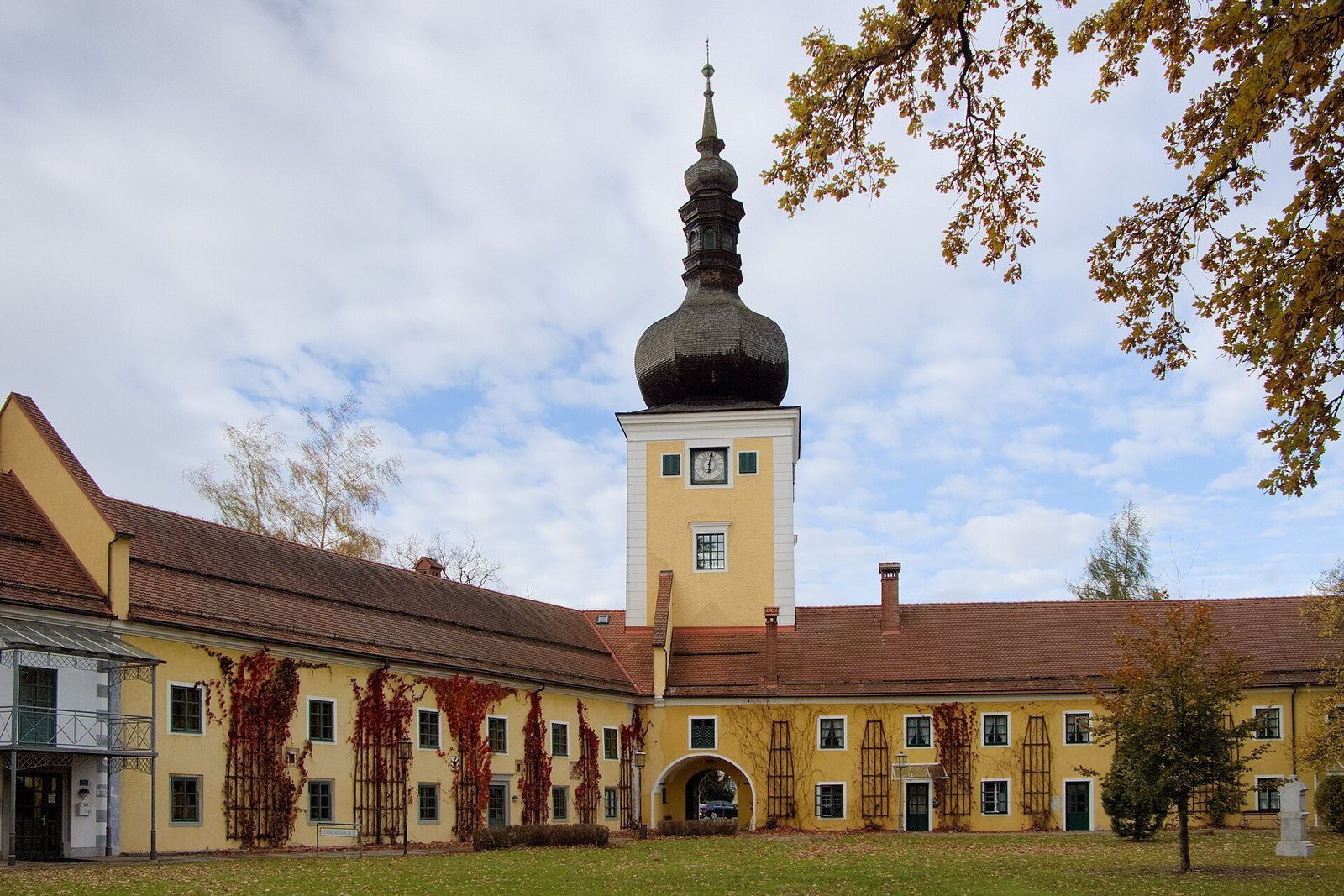
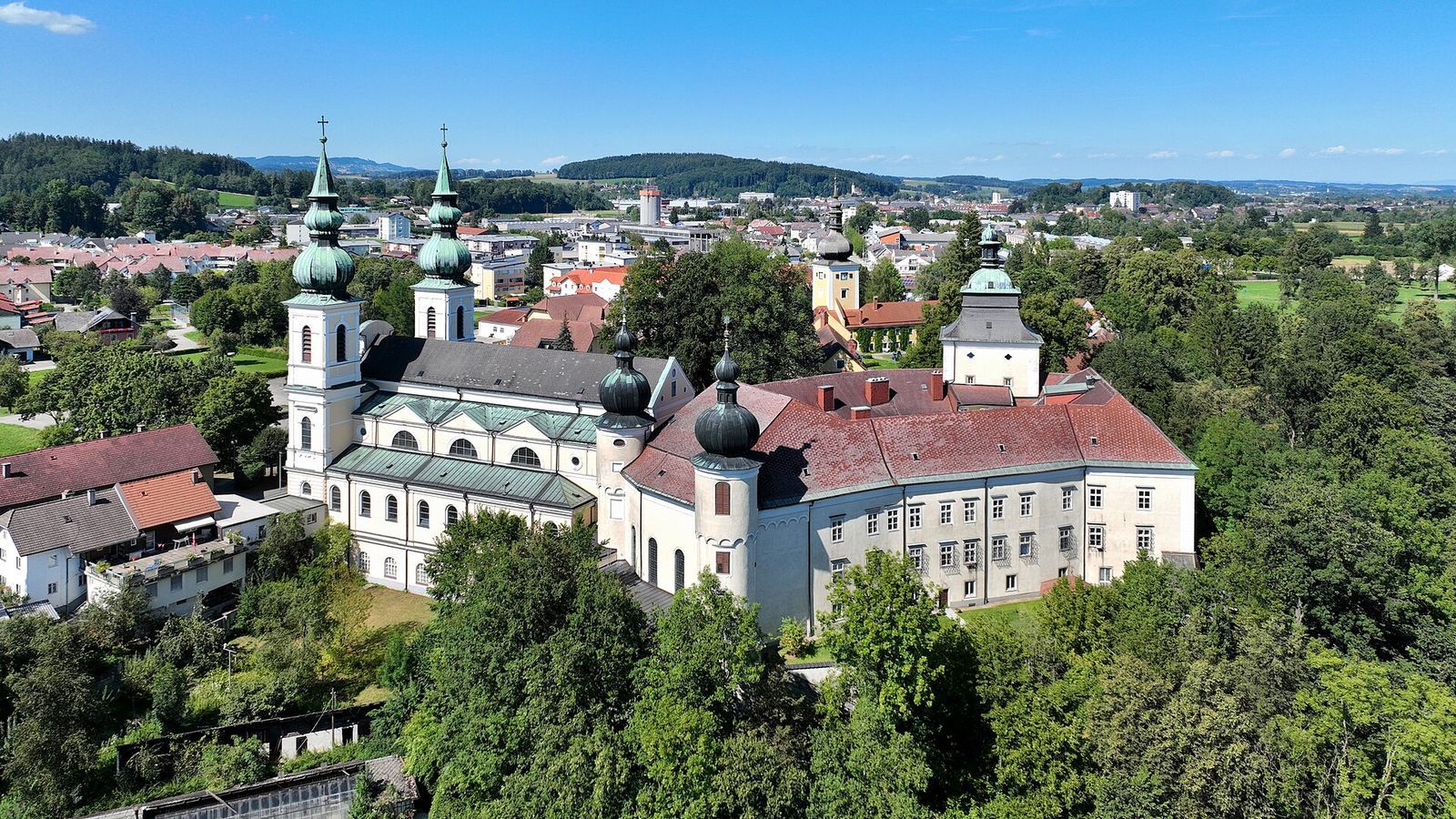
The complex comprises a main palace, the Maria Puchheim pilgrimage church, and an outer palace that serves as a service courtyard. The church stands on the west side of the palace, while a gate tower forms part of the palace group.
Principal buildings and courtyard
Main palace
The palace is a four-wing building on the site of the predecessor fortress. Its gate tower is part of the complex, and the palace includes an old hall also known as the Orangery.
Maria Puchheim Basilica
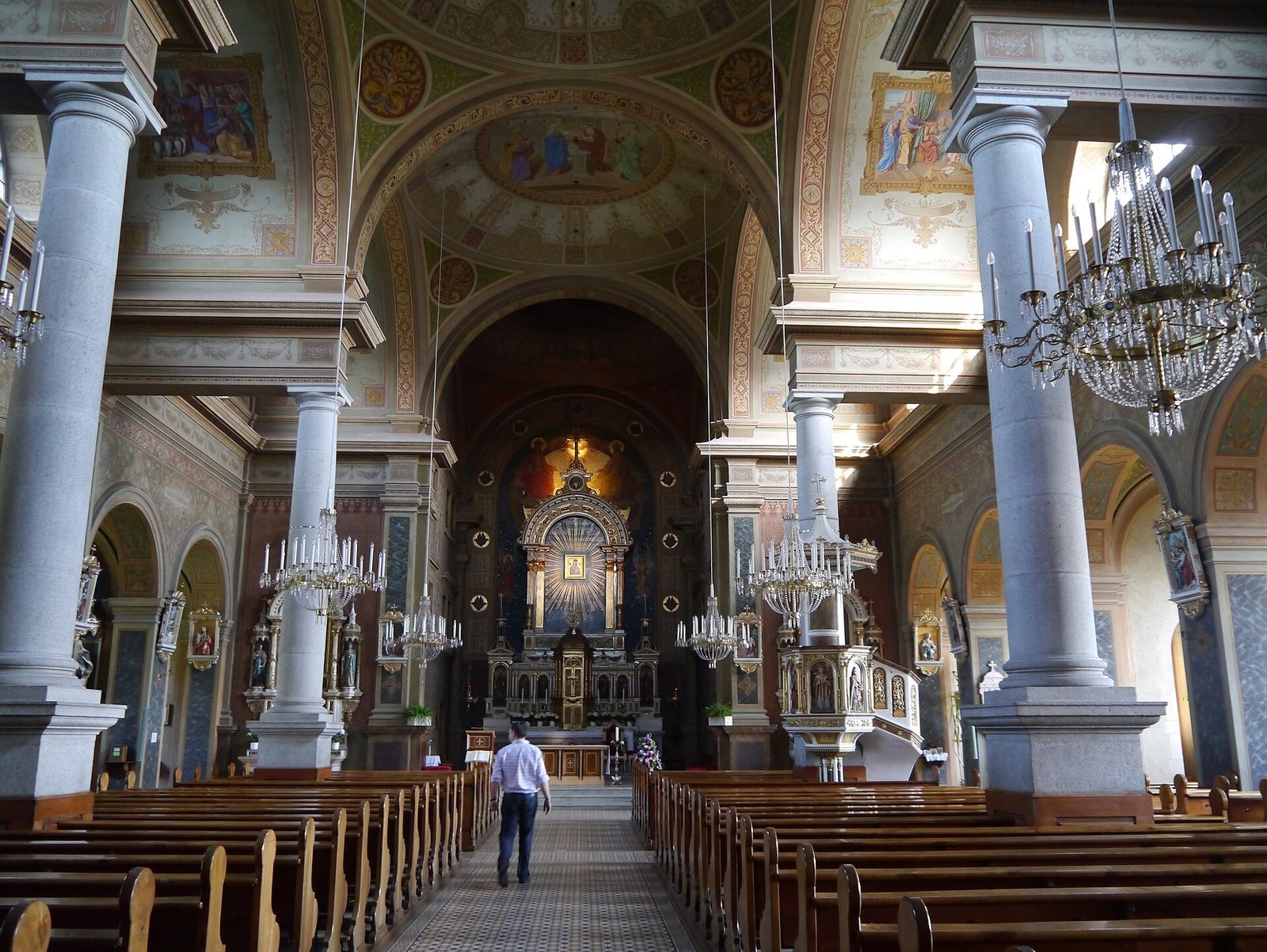
Built in 1890 on the west side of the palace, the pilgrimage church has five naves, the long sections running through its interior.
Outer palace courtyard
A blood beech stood in the outer palace courtyard. A storm on the night of 18–19 August 2017 largely destroyed the tree.