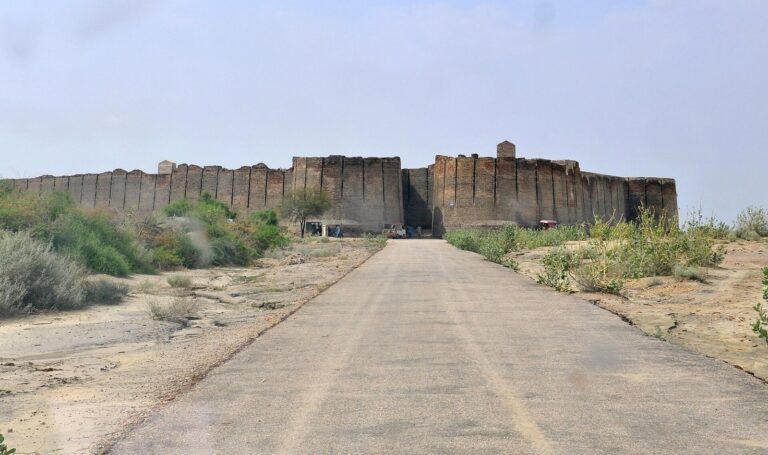
Umarkot Fort: A Rajput Fortification in Pakistan
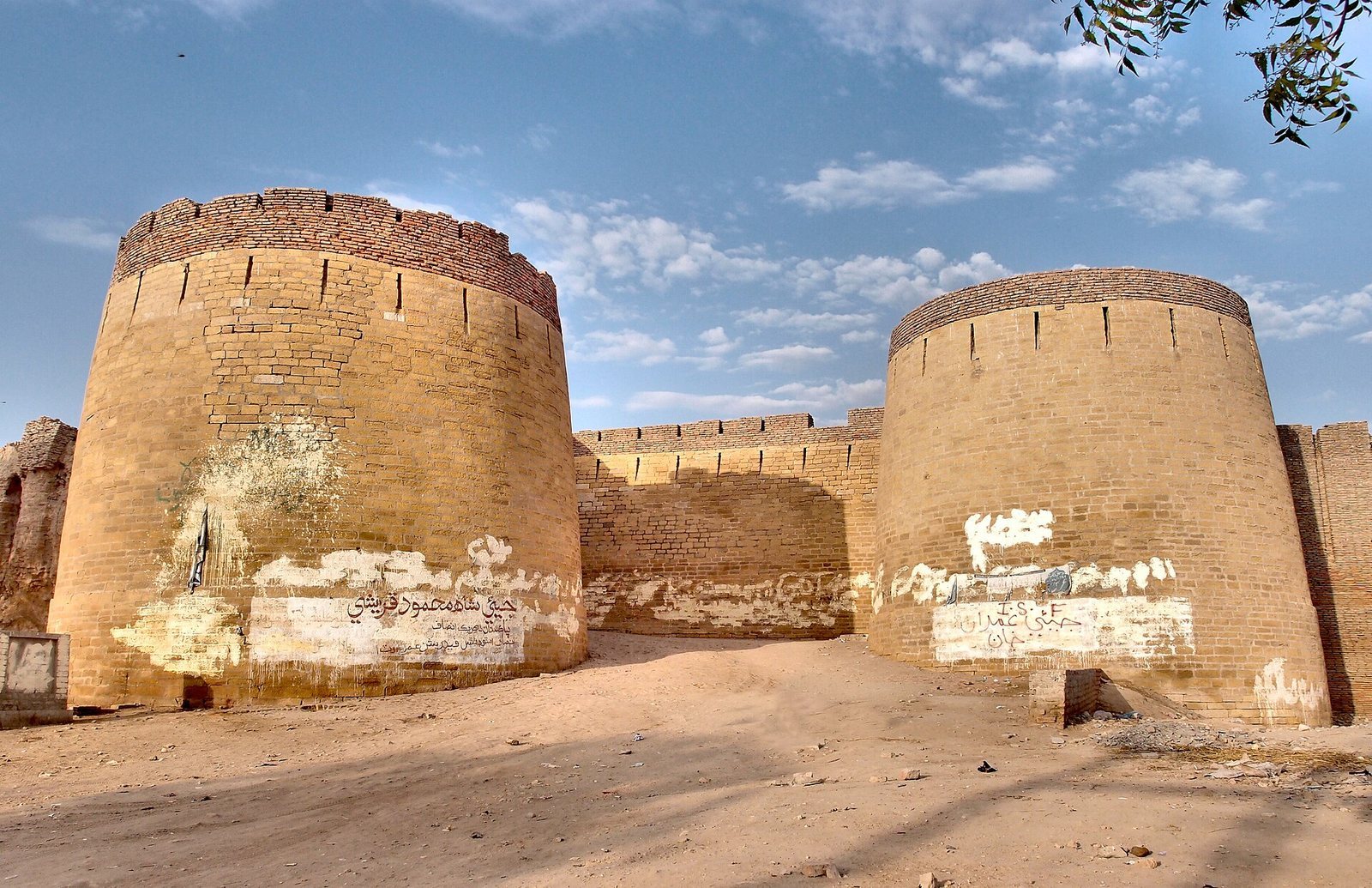
Site at a Glance
- Popularity
- High
- Country
- Pakistan
- Primary era
- Medieval
- Eras represented
- Medieval
- Civilizations
- Rajput
- Site type
- Military
- Remains
- Fort
On this page5 sections
History
Umarkot Fort is an 11th-century desert fortification in Umerkot, Sindh, Pakistan, built by Rana Amar Singh in the Rajput architectural style.
Foundation and Sodha rule
The Sodhas, a Rajput lineage, controlled the fort until 1947. Their rule connected the site to the Ranas of Umerkot, as Rana is a title used by some Rajput rulers and chiefs.
Akbar’s birth and the 1746 fort
On 15 October 1542, Akbar was born at Umarkot while his father, Mughal emperor Humayun, was fleeing military defeats by Sher Shah Suri, an Afghan ruler who had displaced him from power in northern India. Rana Prasad Singh Sodha gave Humayun refuge, and Hamida Bano Begum, Humayun’s wife, gave birth to Akbar there. Akbar later succeeded his father as emperor.
In 1746, Noor Mohammad Kalhoro, a Kalhora ruler serving as a provincial governor in the Mughal administrative system, built a fort at the place associated with Akbar’s birth. The British later took control of that area.
Local tradition and political change
Local folklore tells of Marvi, a young woman from the Thar region, whom Umar, a ruler in the tale, abducted because he wanted to marry her. After she refused, he imprisoned her in Umarkot Fort for many years before releasing her. Marvi is locally remembered as an example of courage.
After Pakistan was formed in 1947, the Pakistani government took control of the fort. The Rana family retained a jagir, a landholding or grant, 16 kilometres away, while Rana Megraj served as the fort’s governor. Umarkot Fort is a protected monument.
Remains
Umarkot Fort is a desert fortification in the Rajput architectural style, and a tower forms part of the fort. Open land near the fort is associated with Akbar’s birthplace.