Ventimiglia Castle: A Medieval Fortress and Civic Museum in Castelbuono
Site at a Glance
- Popularity
- Medium
- Country
- Italy
- Primary era
- Medieval
- Eras represented
- Medieval
- Civilizations
- Kingdom of Sicily
- Site type
- Military
- Remains
- Castle
On this page9 sections
History
Foundation and religious use
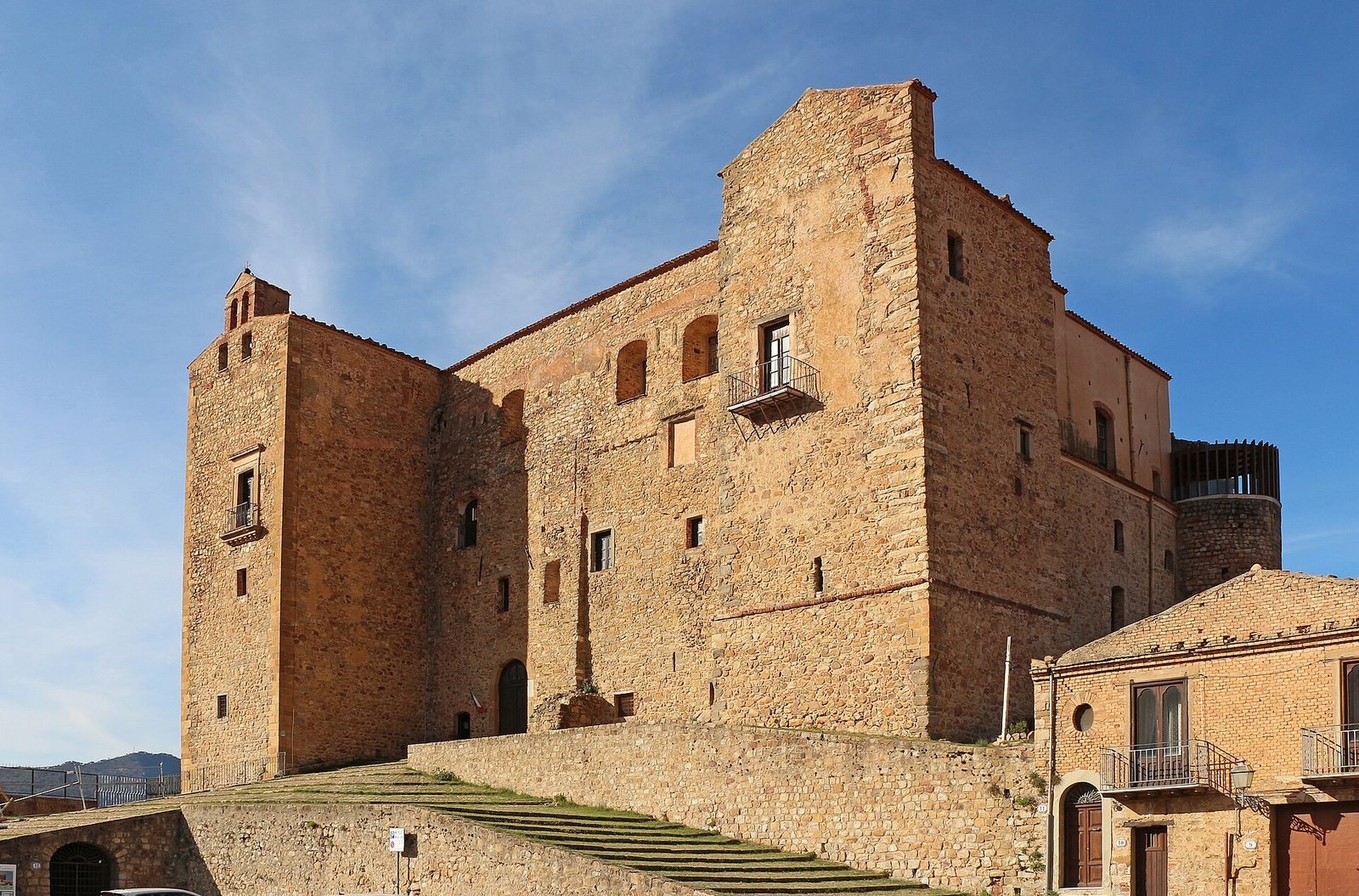
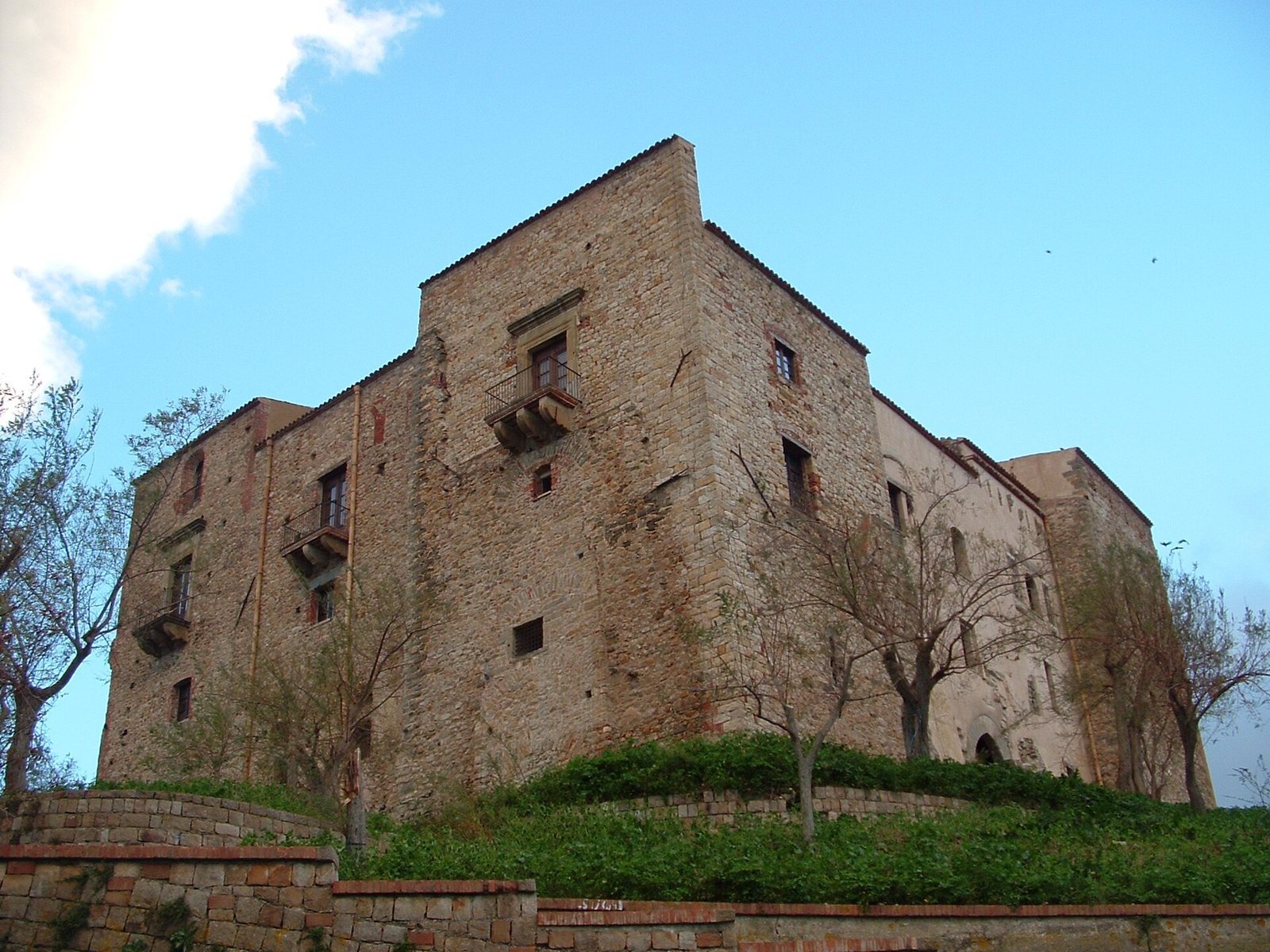
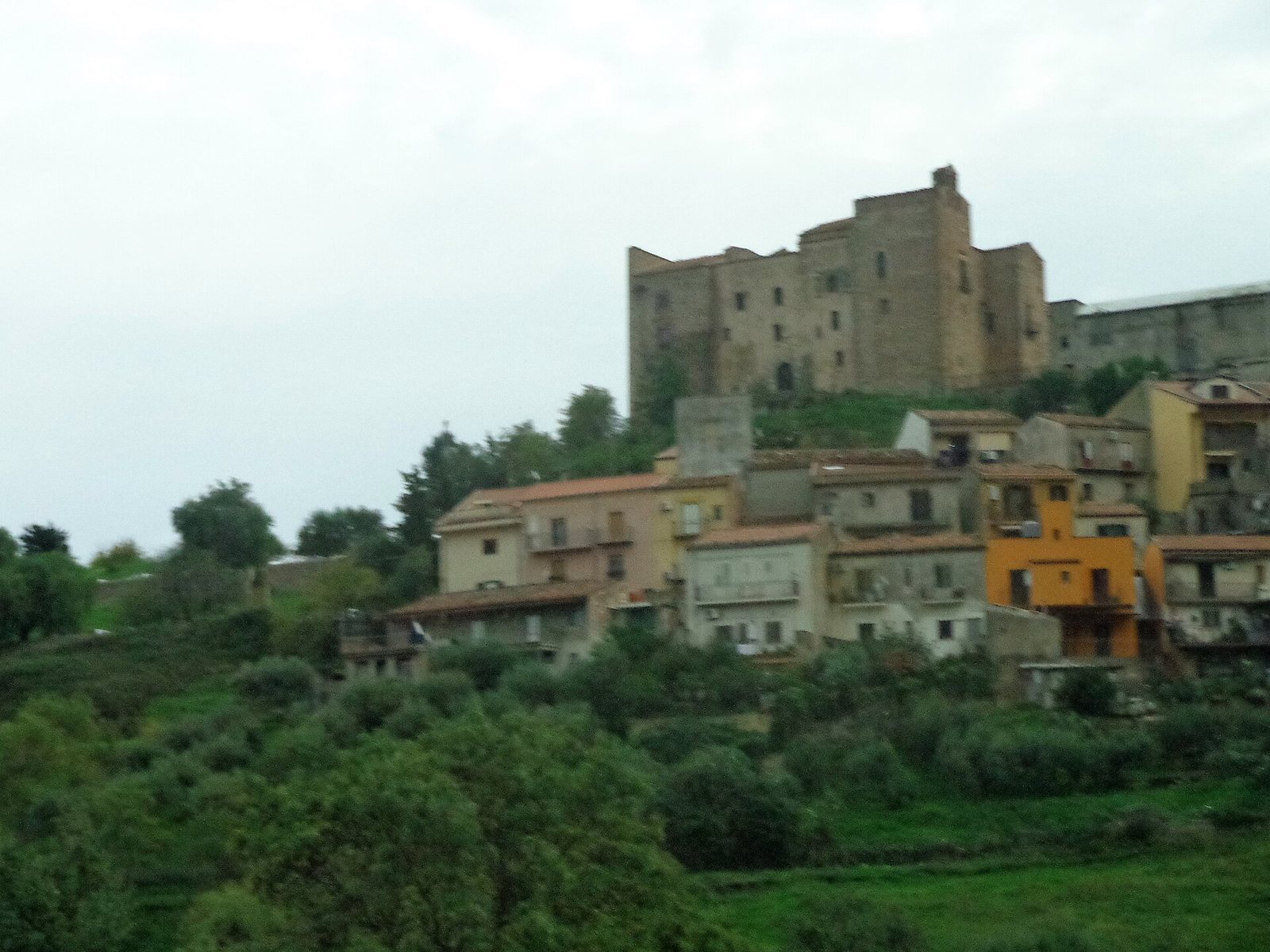
Ventimiglia Castle is a medieval castle in Castelbuono, in the metropolitan city of Palermo, Italy. Count Francesco I Ventimiglia commissioned it in 1317. Its architecture brings together Norman and Swabian influences that shaped building in Sicily during the period. Repeated rebuilding and alterations have made the castle’s original appearance difficult to reconstruct.
The first renovations took place in the 15th century, after a relic of Saint Anne was transferred to the castle. Saint Anne, revered in Christian tradition as Mary’s mother, was later proclaimed patroness of Castelbuono. The castle’s original court chapel was eventually used first as a warehouse and then as a theater.
Ownership and public use
The castle passed into the ownership of Baron Fraccia before being transferred to the municipality of Castelbuono in 1920. It now houses the Civic Museum.
Remains
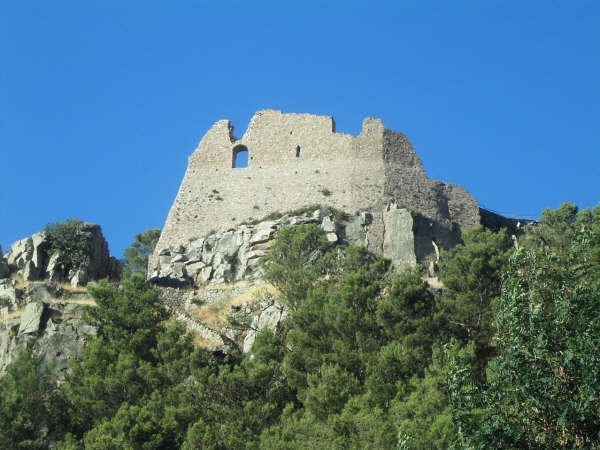
The castle has a four-sided plan and a cubic mass, with square towers at its corners and a round tower. Its exterior combines forms associated with Norman and Swabian traditions. The square towers and cubic shape echo Norman architecture, while the round tower reflects Swabian military construction.
Exterior and archaeological remains
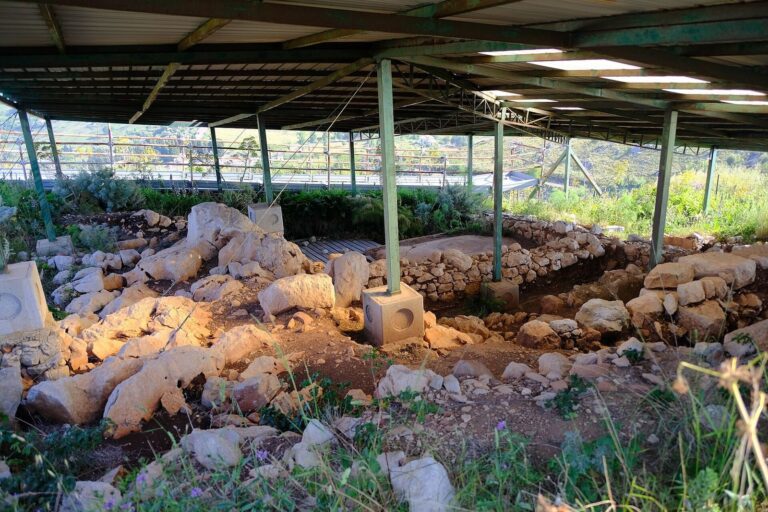
The castle’s battlements had a distinctive swallowtail outline. An earthquake in the early 19th century destroyed the battlements and left the enclosing walls, towers, and arches in ruins. Some defensive structures from the 13th century and rooms from the 14th century survive intact. Restoration work in 1997 uncovered the remains of a building that predates the castle of the Geraci family.
Interior
Decorated halls
The interior includes richly decorated halls, coffered ceilings divided into recessed panels, carved projecting supports, and Gothic-style windows and doorways. In the Sala Magna, a decorated wooden ceiling dating to the 15th century rests on carved supports.
Palatine Chapel stucco decoration
The Palatine Chapel, a chapel associated with a palace or court, is covered with stucco commissioned by Francesco Rodrigo Ventimiglia and made by the Sicilian sculptors Giuseppe and Giacomo Serpotta. Its ornament includes male figures, putti, or childlike figures often shown with wings, angels, flowers, and sacred and mythological imagery. Four allegorical subjects appear in the decoration: the Presentation of Mary in the Temple, the marriage of Joseph and Mary, Paganism, and Christianity. Giuseppe’s work is more weighty and archaic in character, while Giacomo’s figures are more agile and realistic.
Chapel furnishings and paintings
The choir stalls carry busts of Ventimiglia lords and figures from the Old Testament. The chapel also preserves a reliquary urn dated to 1521, shaped as a bust and decorated with reliefs showing episodes from the lives of Saint Anne and Saint Joachim and the birth of Mary. Paintings displayed on the side altars include a Descent of Christ, copied from a work by Peter Paul Rubens, and The Ecstasy of Saint Liborius by the 19th-century painter Mariano Galbo of Castelbuono. Saint Liborius was a fourth-century bishop later venerated as a saint.