Nisida Castle: A Coastal Fortress and Prison in Naples
Site at a Glance
- Popularity
- Medium
- Country
- Italy
- Primary era
- Medieval
- Eras represented
- Medieval
- Civilizations
- Kingdom of Naples
- Site type
- Military
- Remains
- Castle
On this page7 sections
History
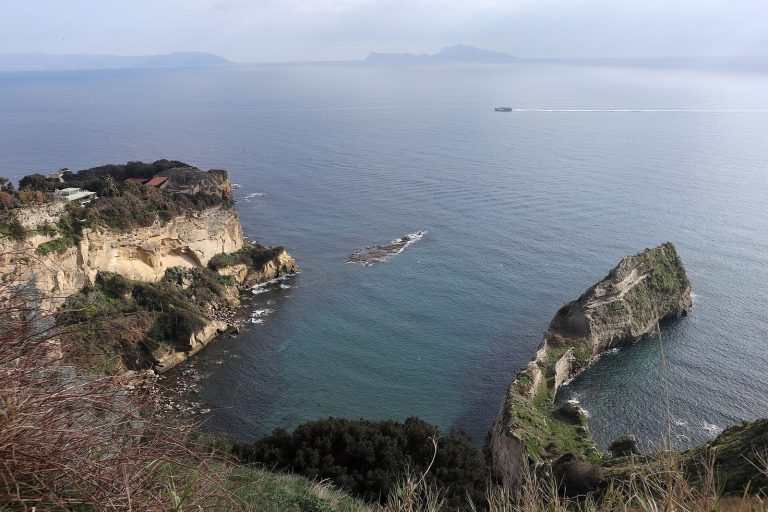
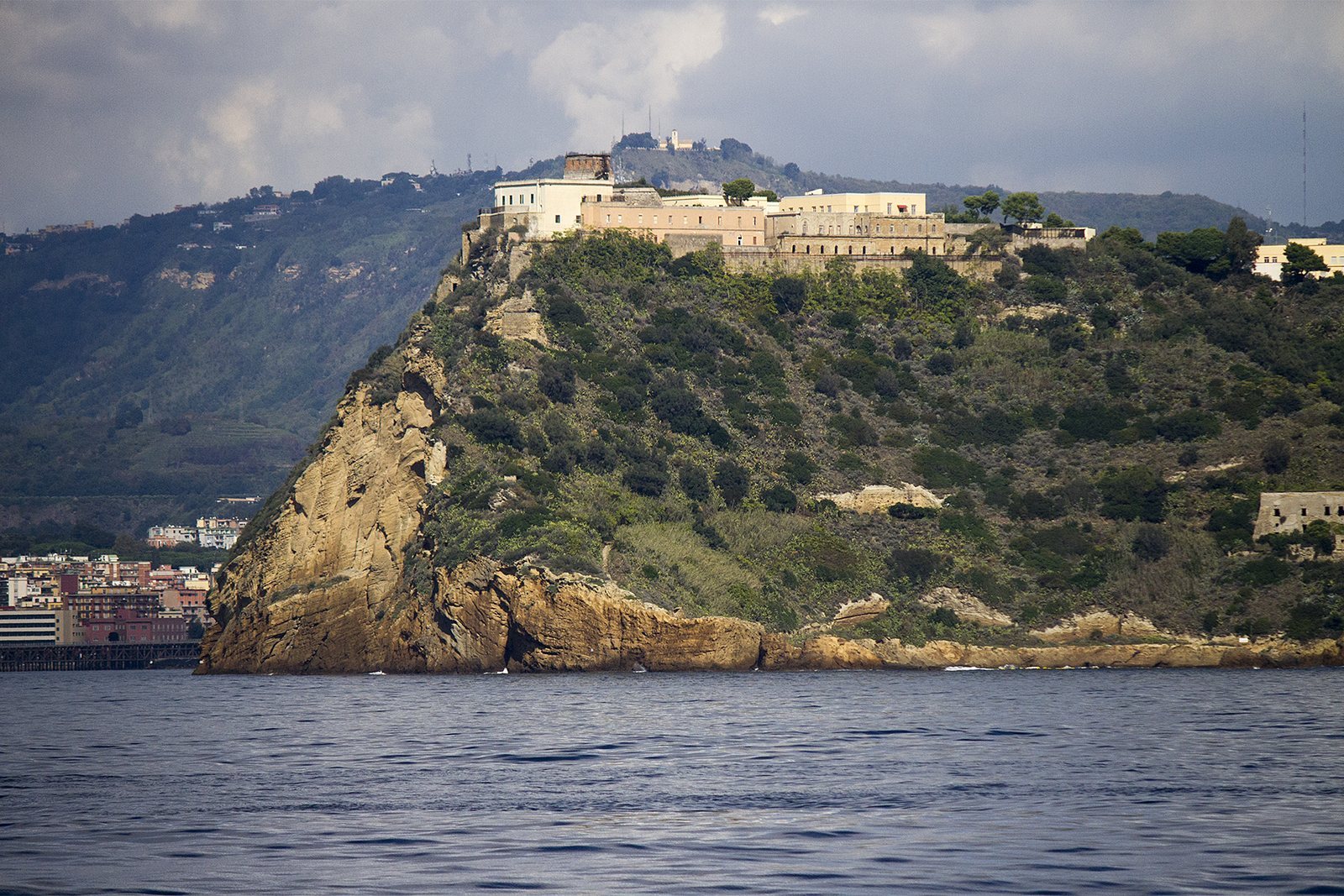
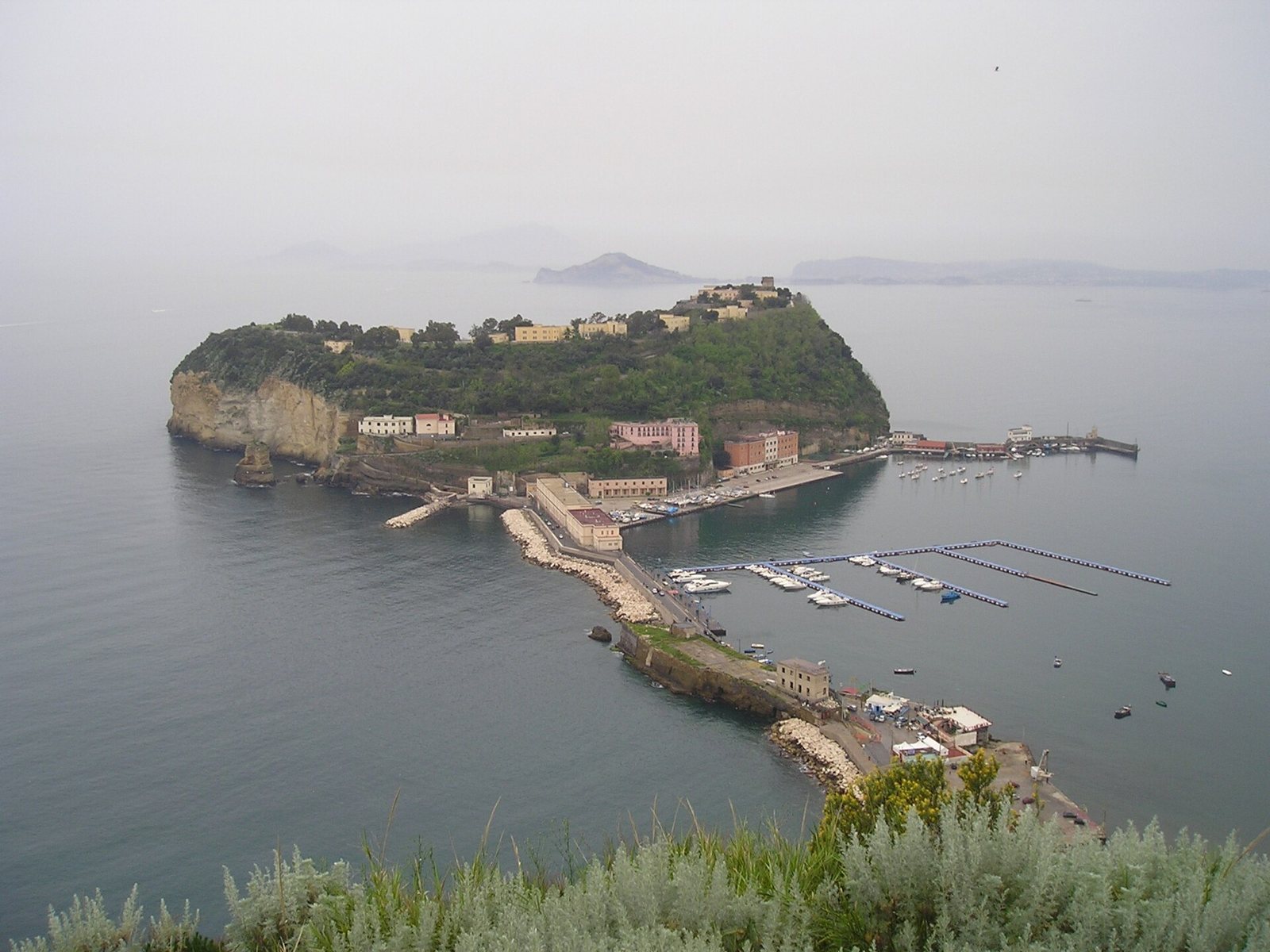
Nisida Castle is a Renaissance-style fortress on the island of Nisida in Naples, Italy. Its origins may date to the late Angevin period, when the House of Anjou ruled the Kingdom of Naples, around the beginning of the fifteenth century. In the sixteenth century, Naples’s viceroy, a governor acting for the monarch, Don Pedro Álvarez de Toledo adapted it as a fortified position in the city’s planned defences.
Coastal defence
Raids by the Ottoman naval commander Khayr ad-Din Barbarossa on the coasts of Calabria and the islands of Ischia and Procida prompted the castle’s use against piracy. It served as a coastal artillery post under the Kingdom of Naples, the short-lived Parthenopean Republic of 1799, and the Kingdom of the Two Sicilies, a Bourbon monarchy established in 1816. The Neapolitan Macedonio family, dukes of Grottolella, owned the castle and the entire island.
Quarantine and political imprisonment
In 1656, during a severe plague epidemic, viceroy Antonio Álvarez de Toledo y Beaumont ordered the castle to serve as a lazaretto, an isolation facility for people with infectious diseases. It gathered plague victims. During the Bourbon period, changing strategic conditions and a strengthened military fleet led to its use as a place of internment for political prisoners. In 1851, the British statesman William Ewart Gladstone denounced the inhumane conditions they endured.
After Italian unification
Following Italian unification, the castle held former Bourbon officials as part of a purge of the public administration initiated by the House of Savoy, the dynasty that ruled the new Kingdom of Italy. The old, unsafe tower was later demolished. In 1933, rooms beneath it were adapted for an observation unit with cells, alongside an infirmary and sanitary quarantine rooms. The complex now houses Naples’s juvenile detention institution and belongs to Italy’s Ministry of Justice.
Remains
The prison complex includes the inlet of Porto Paone. The castle is Renaissance in style, built from yellow Campanian tuff, a volcanic rock, and stands 97 metres above sea level.
Upper floors
The upper floors contain administrative offices and accommodation for the prison director and guards.
Prison grounds
A broad avenue runs in front of the building entrance. Pavilions along its sides hold sleeping quarters, a school, and a dining hall, with flowerbeds and playgrounds nearby. A large sports field occupies a lower level, and the Factory of the Arts, an arts facility, is also part of the complex.