Bargy Castle: A Norman-Style Fortress in County Wexford
Site at a Glance
- Popularity
- High
- Country
- Ireland
- Primary era
- Medieval
- Eras represented
- Medieval, Early Modern
- Civilizations
- English, Norman
- Site type
- Military
- Remains
- Castle
On this page5 sections
History
Rossiter ownership and confiscation
Bargy Castle is a Norman-style fortress near Tomhaggard in County Wexford, Ireland; the Rossiters erected it about 1400. Norman describes a medieval architectural and military tradition associated with the Normans. The castle’s name, like that of the nearby village, comes from Uí Bhairrche, a local Irish tribe.
The Rossiters occupied Bargy from the fifteenth century until 1667. That year, the castle was confiscated because the family had supported an Irish independence rebellion and helped defend Wexford during Oliver Cromwell’s conquest of Ireland. Cromwell was an English military and political leader who later became Lord Protector.
Harvey ownership and the 1798 rebellion
After the confiscation, the castle was granted to William Ivory, who sold it to the Harvey family. Beauchamp Bagenal Harvey inherited it from his father in 1792. He later commanded Wexford insurgents in the Irish Rebellion of 1798, an uprising against British rule that sought Irish independence. After the rebellion was suppressed, Harvey was executed on Wexford Bridge. The castle was confiscated again and used as barracks until 1808.
Restoration and later owners
In 1808, the castle returned to James Harvey, Bagenal’s brother. James lived in London and allowed the building to deteriorate. After his death, it passed to Councillor John Harvey, who restored it. John died in 1880, and the castle was later leased to Mr Leared, who repaired its roof and improved the building.
James and Henrietta Harvey were the last members of the family to own the castle. Their daughter Antoinette was born there in 1945. Charles Davison bought Bargy in 1960 and moved in on 1 December with his wife, Maeve, and her father, General Sir Eric de Burgh. In July 1961, Maeve received a licence to operate the castle as a hotel, which she ran with her husband and father.
Remains
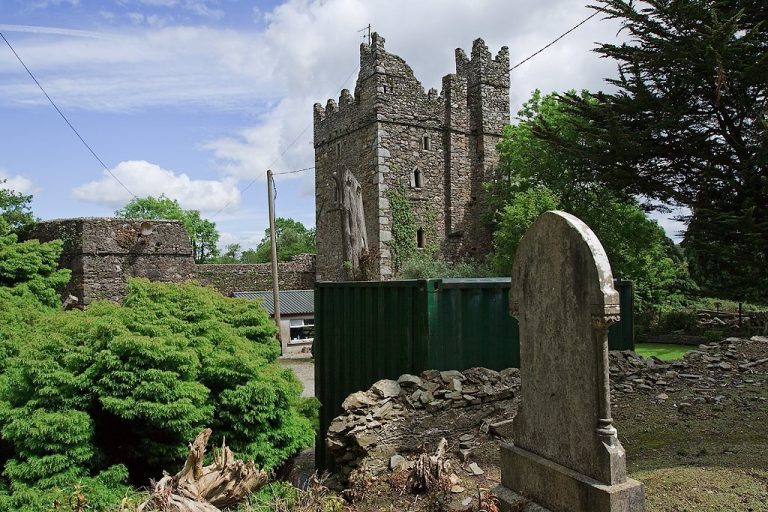
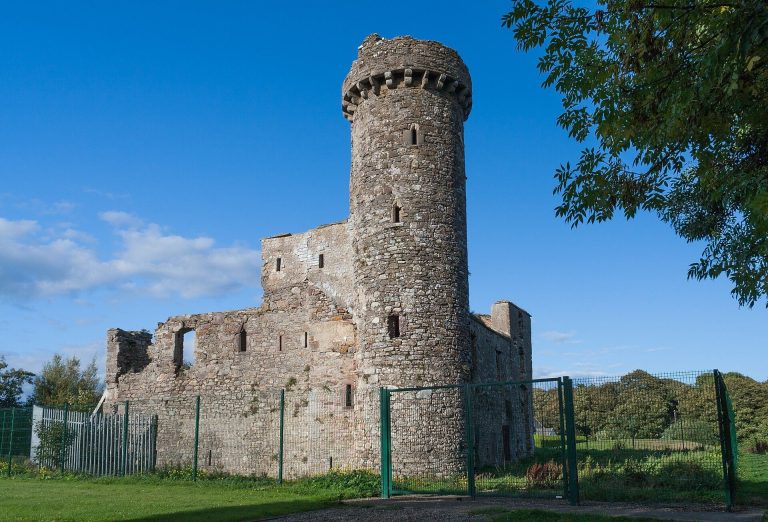
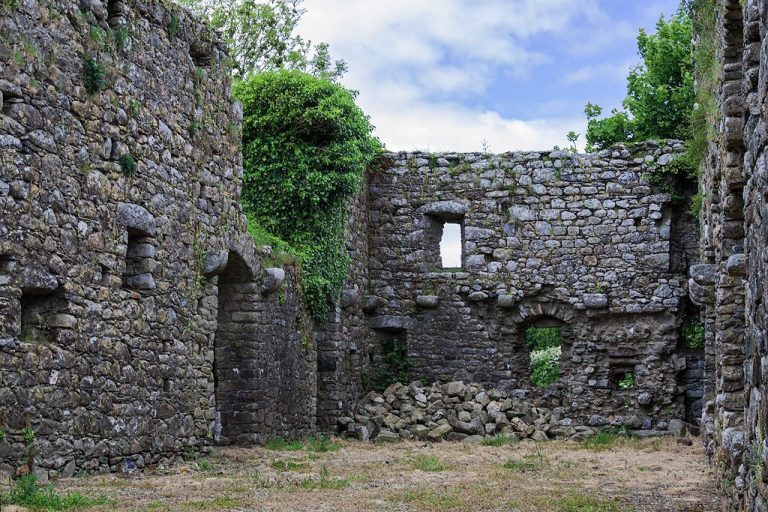
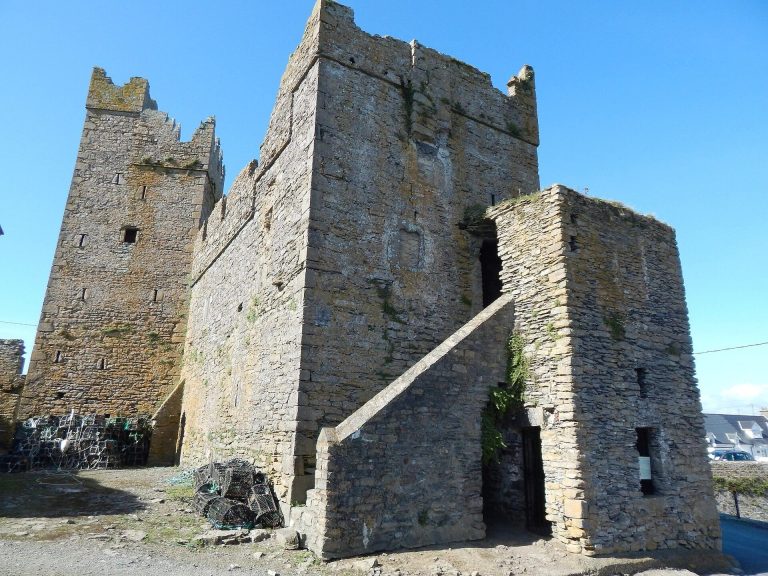
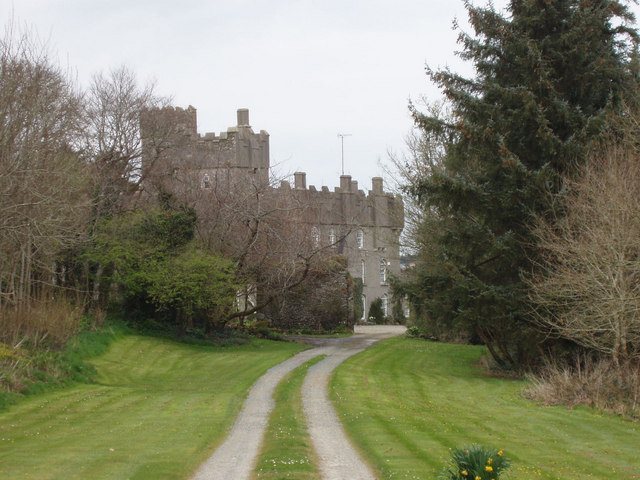
The principal structure is a square rubble-stone keep, the castle’s main fortified tower. Two wings were attached to it at right angles, in the fifteenth century and again in the seventeenth. The keep is in good condition and has been renovated several times.
A tower within the castle contains a concealed passage. On 18 December 1960, Chris and Richard Davison found sticks of gelignite, a blasting explosive, and gunpowder in the passage. Charles Davison judged from the gelignite’s wrapping that it had been made in Glasgow in 1880.
The grounds contain a mausoleum in front of the hall door. John Harvey was buried there.