Château Olivier: A Medieval Wine Estate in Léognan
Site at a Glance
- Popularity
- Medium
- Country
- France
- Primary era
- Unclassified
- Eras represented
- Unclassified
- Civilizations
- Unclassified
- Site type
- Domestic
- Remains
- Elite Residence
On this page6 sections
History
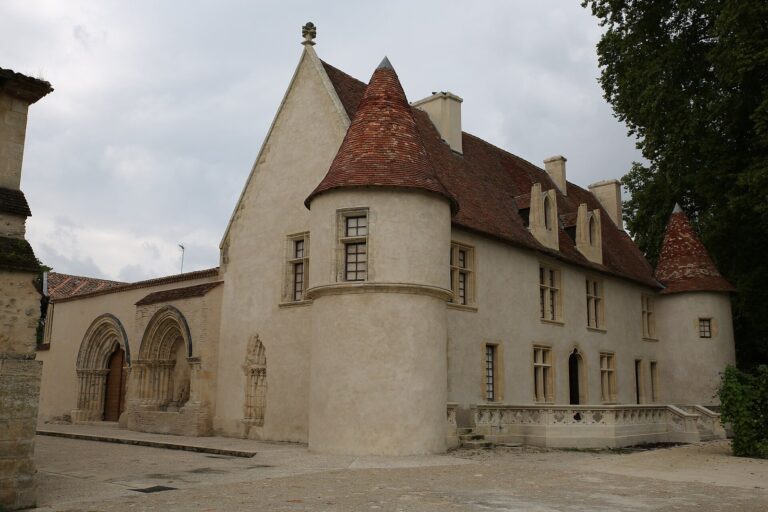
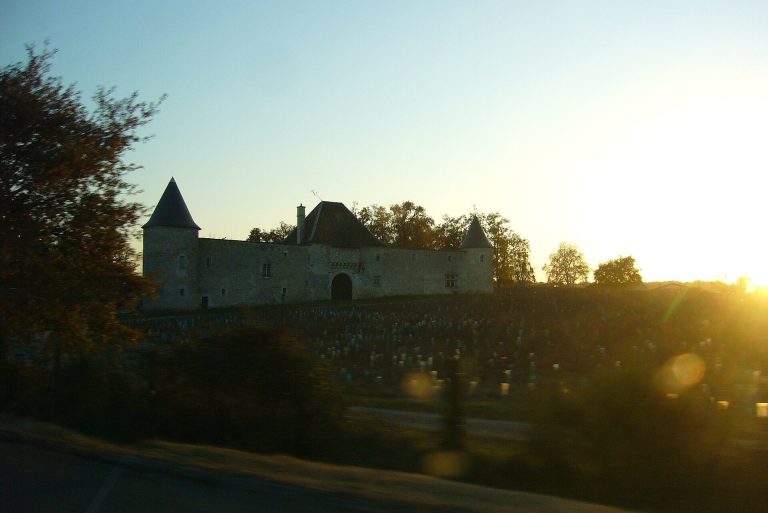
Château Olivier is a medieval château and wine estate in Léognan, Gironde, France, south of Bordeaux, with a history reaching at least the 14th century. It was an estate associated with a lordship and was occupied by the d’Olivey family, who are linked to a record from 1350. By the later 15th century, it belonged to Rostand d’Olivey, a local nobleman.
Medieval and early modern estate
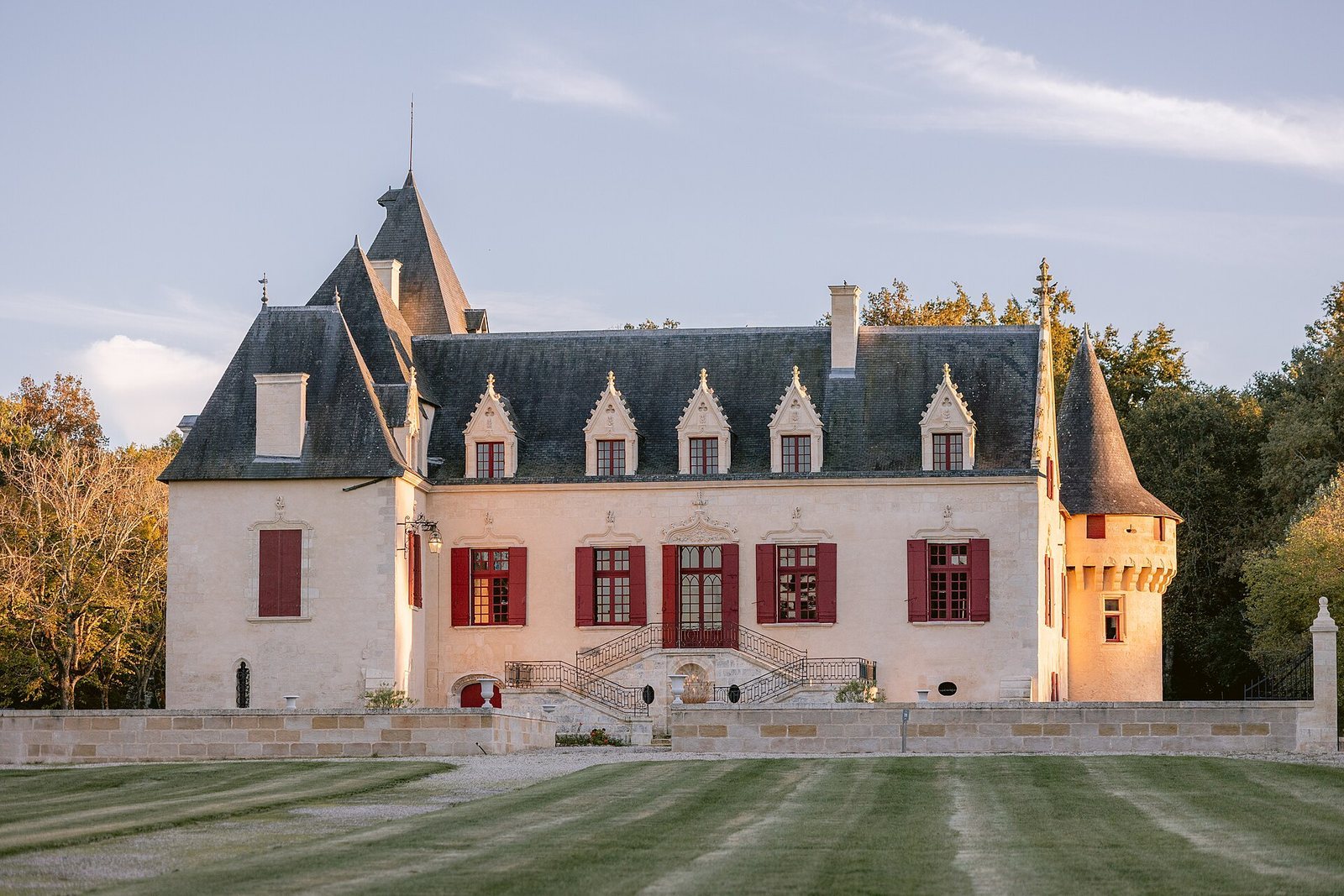
The château was remodeled in the 15th and 17th centuries. Tradition says that Edward of Woodstock, known as the Black Prince and a leading English commander, and Bertrand du Guesclin, a French commander in the Hundred Years’ War (1337–1453), stayed there.
Vineyard and later ownership
Viticulture began in 1846, when the estate passed to Count Charles-Joseph Maurice d’Etchegoyen. Ownership later passed through the Bousset-Salvat family and Alexandre Watcher. By the early 20th century, the estate had come under the de Bethmann family through the marriage of Agnew Watcher and Jacques de Bethmann. The family, originally from Germany, had been established in Bordeaux since the 18th century.
Classification and vineyard development
The red and dry white wines were included in the Crus Classés de Graves, the Graves wine classification, in 1953 and 1959. Château Olivier is within the Pessac-Léognan appellation, a French wine designation for the area. The château was partly listed as a French historic monument, a designation for protected historic buildings and sites, by decree on 11 March 1963. It was also one of only two Léognan estates given the “Château” prefix in the first French edition of Cocks & Féret, a reference work on Bordeaux wine estates.
A detailed geological survey led to new vineyard plantings that returned the planted area to the extent shown in 18th-century land-parcel records; vines in lower-quality plots were removed. In 2008, Château Olivier joined 16 other Bordeaux estates in a project to propagate Sémillon, a white-wine grape, as genetically identical lines from selected vines, responding to dwindling supplies of planting material.
Remains
Estate and vineyard landscape
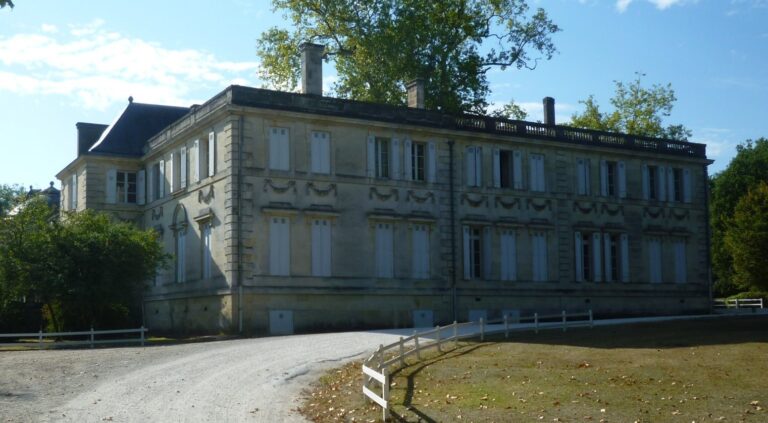
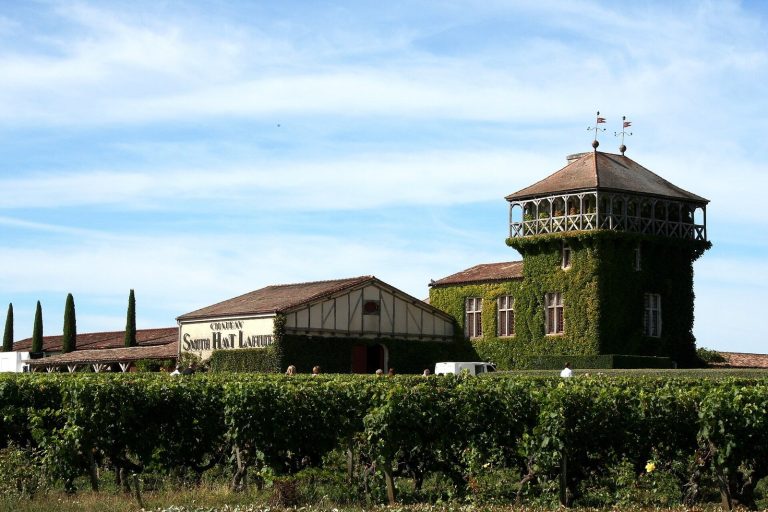
The 220-hectare property includes the château building and a wider landscape of vineyards, forest, grain fields, and areas used for forestry and livestock. About 50–60 hectares are planted with vines. Vineyard soils include deep, compact gravel, gravel over marl, compact gravel at Bel Air, and marl and limestone from the Miocene epoch, about 23 to 5.3 million years ago. Red-wine plantings comprise 45% Cabernet Sauvignon, 45% Merlot, and 10% Cabernet Franc; white-wine plantings comprise 55% Sémillon, 40% Sauvignon blanc, and 5% Muscadelle. Average vine age is about 20 years for red varieties and 30 years for white varieties, with planting density of 7,000–10,000 vines per hectare.