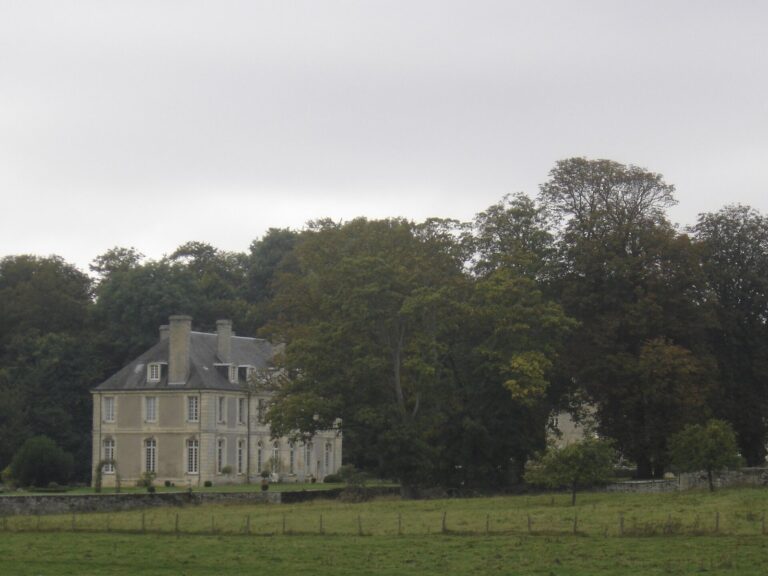
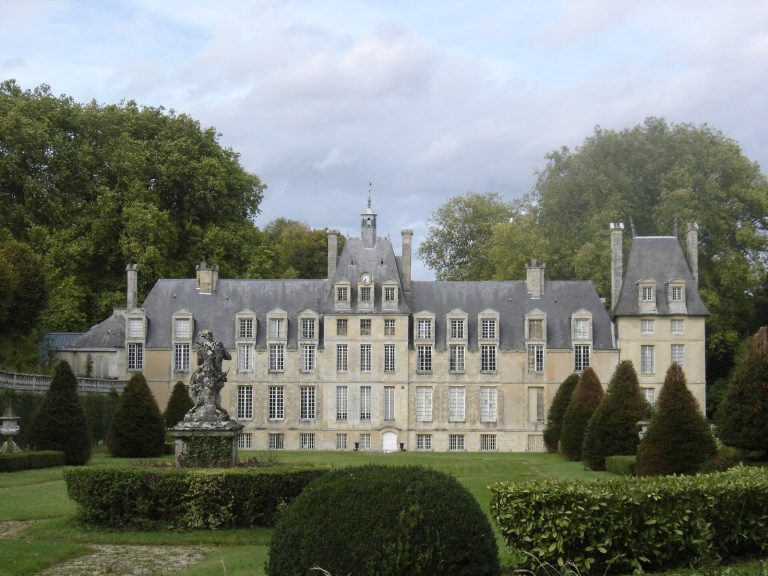
Courseulles Castle: A Former Seigneury and Noble Residence
Site at a Glance
- Popularity
- Medium
- Country
- France
- Primary era
- Early Modern
- Eras represented
- Medieval, Early Modern
- Civilizations
- French, Norman
- Site type
- Domestic
- Remains
- Castle
On this page5 sections
History
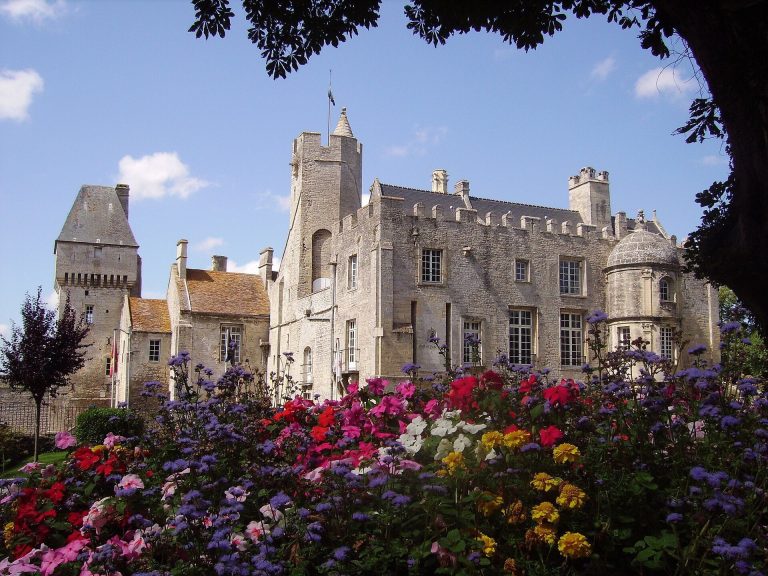
Courseulles Castle stands west of Courseulles-sur-Mer in France. Dated broadly from the 12th to the 17th century, it served as the seat of a seigneury, a lordship and its associated estate. Ownership passed among noble families, and the castle later became a summer residence and part of a sugar factory complex.
Medieval lordship
Raoul de Courseulles is tentatively identified as the earliest lord, in the ninth century. The estate was reportedly confiscated for a century before returning to Jacques de Courseulles, identified as Raoul’s grandson. In 1204, the king confiscated the fief, land held under feudal obligations. It passed to the Meullent family in 1255 and later to the Montalais family.
In 1419, Henry V, king of England, besieged the castle. The fief passed to Perrine de Meullent in 1450. Her marriage to Guillaume de Rosnyvinen brought the estate into his family. Later in the 15th century, Françoise de Rosenivinen married Jean de Montalais, and their son Mathurin inherited the castle. After Mathurin’s death, the barony was sold to François de Marcillac, president of the Parlement of Rouen, a high court.
Rebuilding and changing ownership
The Marcillac family held the estate until 1584, when it was sold to François d’O, a French noble and royal official. He rebuilt the castle as a summer residence. Anne de Joyeuse, a French nobleman and military commander, acquired it in 1586 but died the following year. Because the purchase price remained unpaid, the castle returned to François d’O.
The barony was placed under sequestration in 1605, meaning it was temporarily seized or administered by an authority. Thomas II Morant acquired the fief in 1630. Around 1672, Marguerite de Laigue, the Marquise de Leuville, altered the castle. Jacques de Bellemare acquired it in 1712 and made it the seat of a marquisate. His grandson Philippe de la Rivière inherited it in 1733, and the family retained it until 1834.
Revolution and later owners
During the French Revolution, the Marchioness of Courseulles fled to Germany. The castle was occupied and used for a time as infantry barracks. In 1834 it passed by inheritance to the Savignac family, who held it until 1860. Hector de Saint Clair bought it that year, and the Lepeltier family acquired it in 1869.
The castle was sold to the Société sucrière du Calvados on 16 September 1918. A sugar refinery opened below it in 1920, and the castle housed factory administration offices and seasonal workers. Fire ravaged the building on 6 June 1944. From 1945 to 1950, factory director Robert Bouchon and the director of the Calvados historic monuments service oversaw its restoration.
The sugar factory closed in 1965, and its buildings were demolished in 1970. The company Viking acquired the castle in 1999; a couple bought it in 2005 and converted it into a bed-and-breakfast. It remains privately owned and is used as a residence and bed-and-breakfast. Part of the castle was classified as a historic monument under a 1910 order, a formal heritage-protection designation.
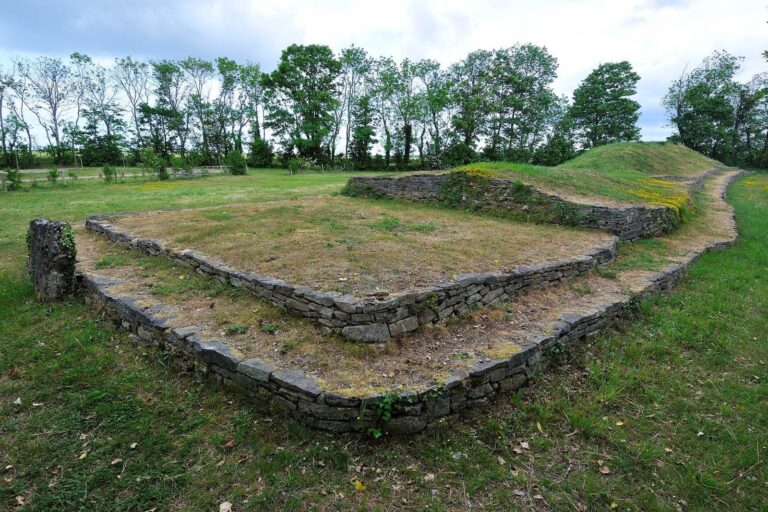
Remains
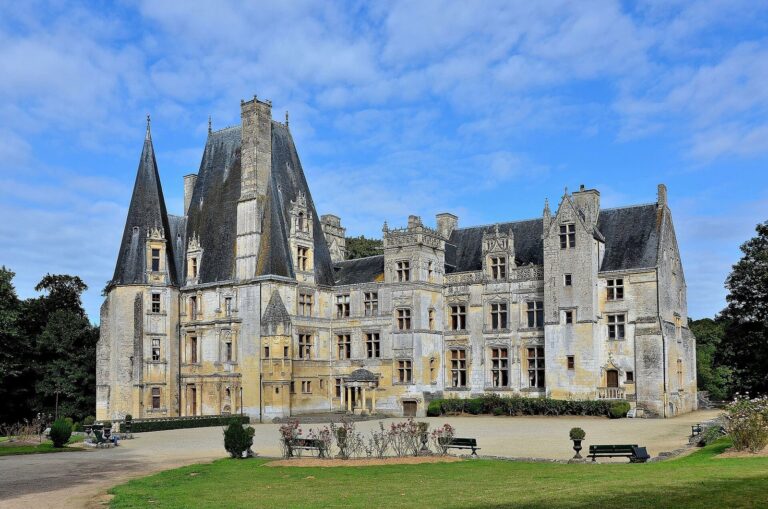
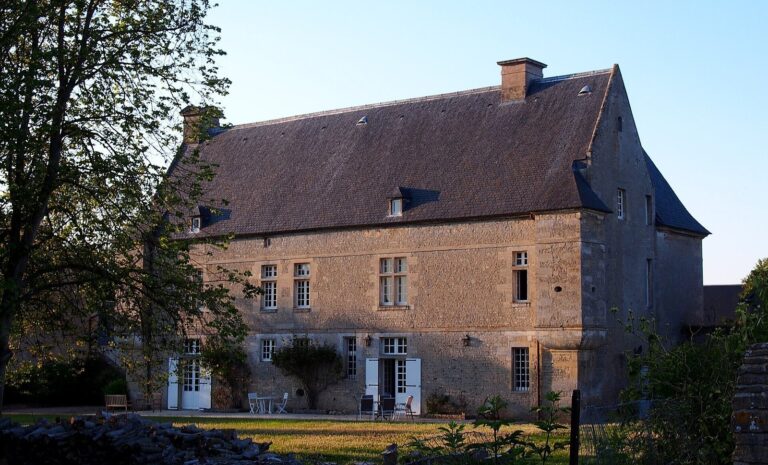
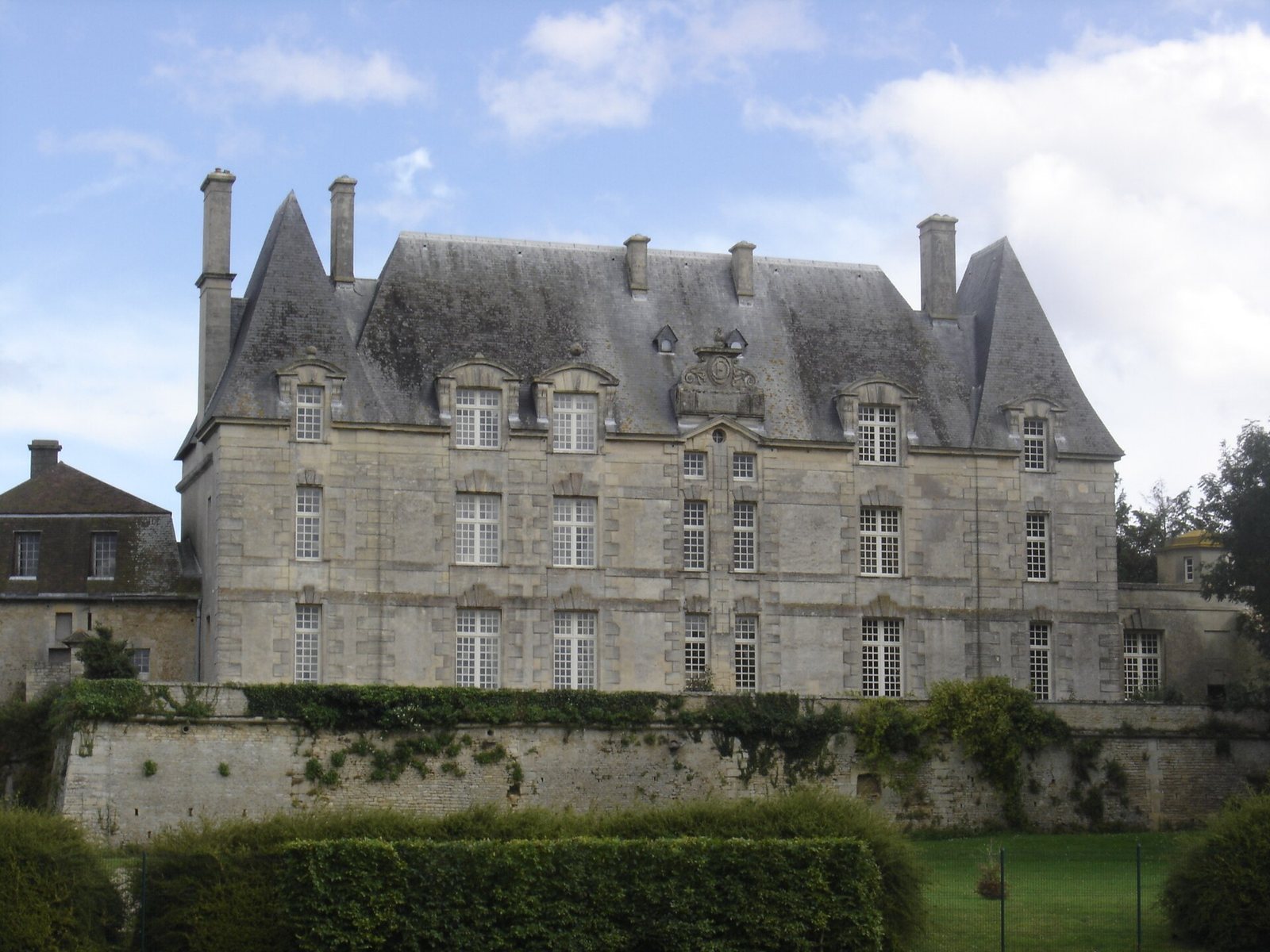
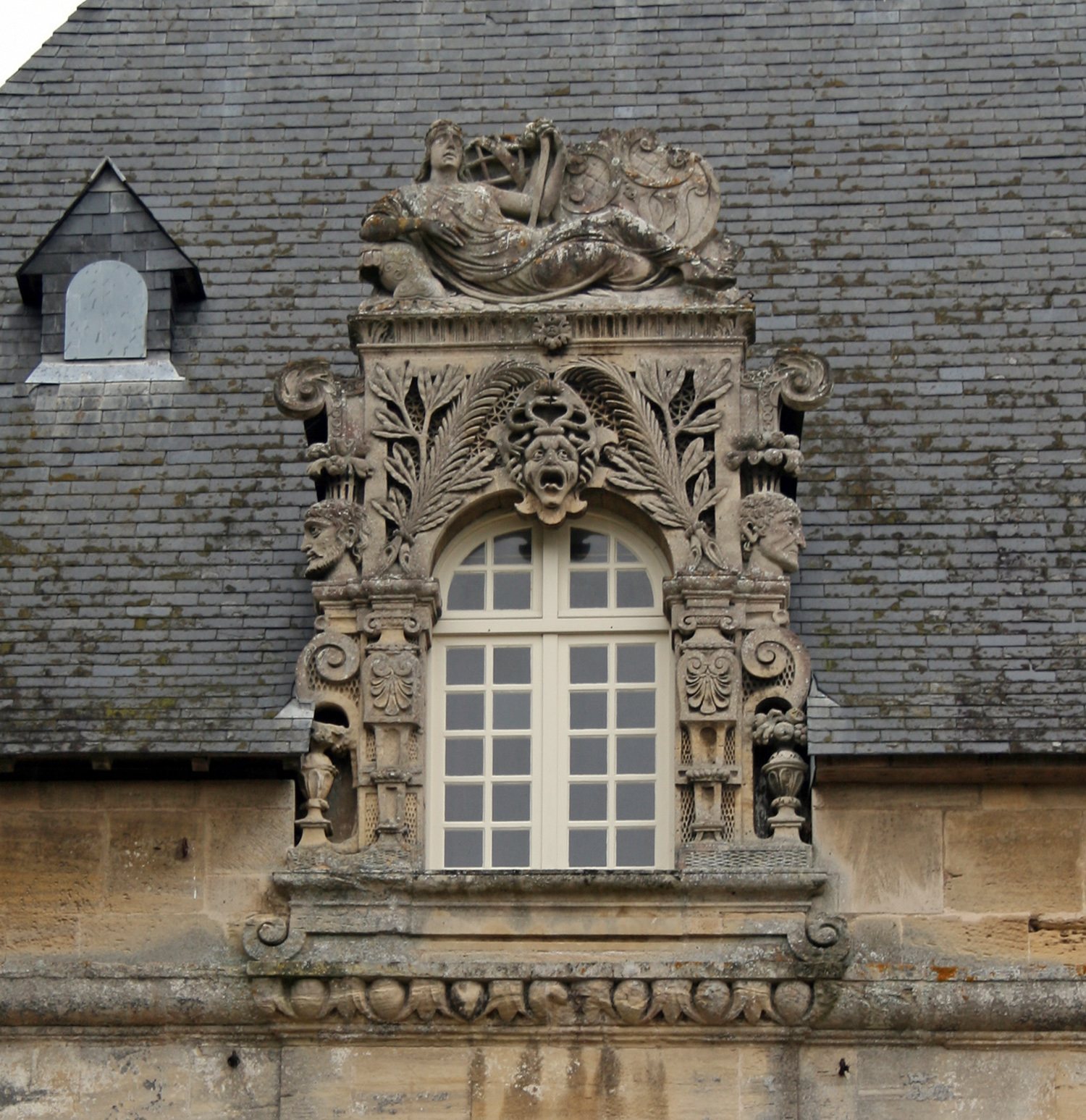
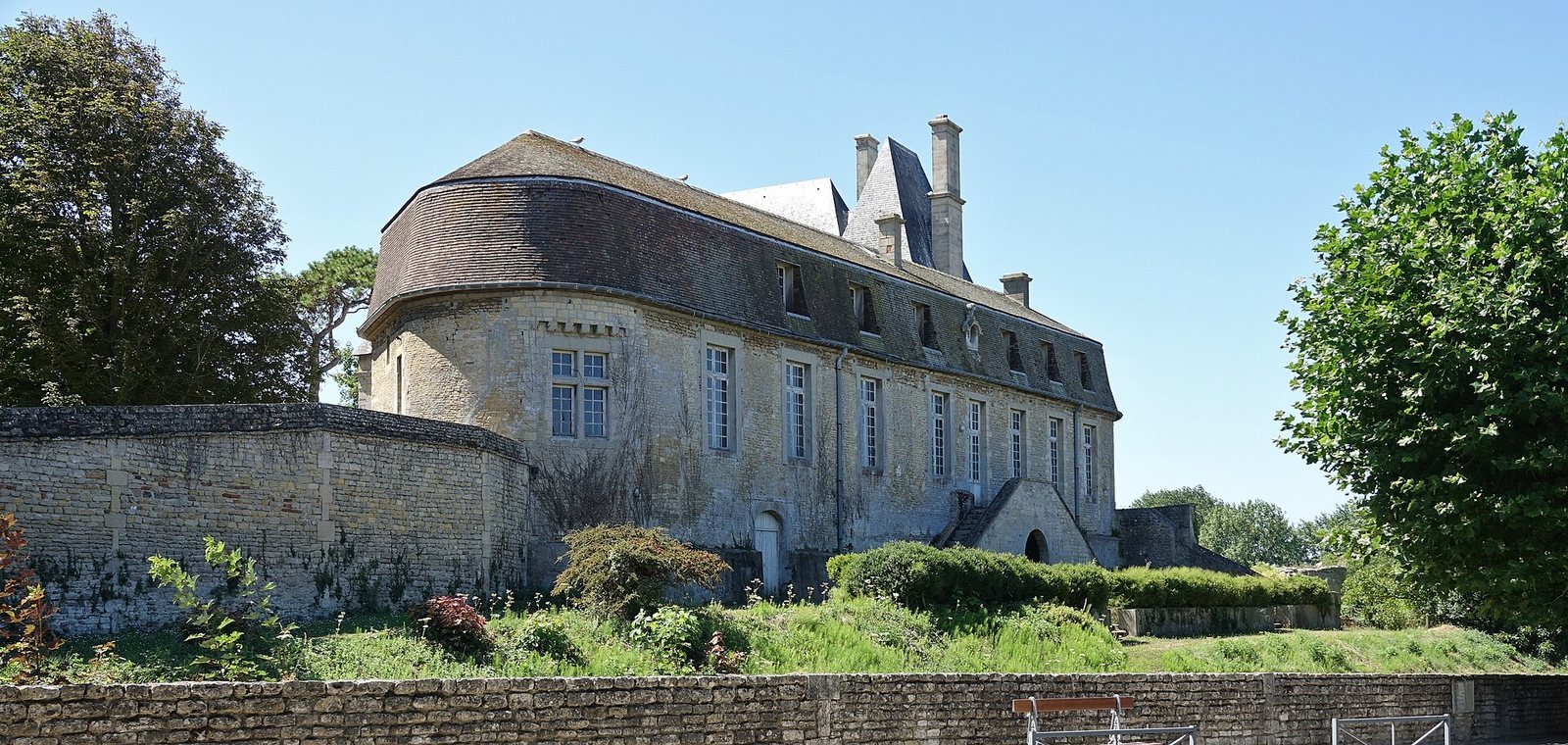
The castle occupies a promontory commanding the mouth of the Seulles. Its western façade is identified, and its architecture is described as restrained, with carved decoration on the dormers, windows that project from the sloping roof.
The principal residential block includes a fireplace on the first floor of the right-hand pavilion, a distinct block within the larger building. A south wing was demolished around 1824, and its materials were sold to a mason in Amblie.