Tamagusuku Castle: A Ryūkyūan Fortification and Sacred Site
Site at a Glance
- Popularity
- Medium
- Country
- Japan
- Primary era
- Unclassified
- Eras represented
- Unclassified
- Civilizations
- Unclassified
- Site type
- Military
- Remains
- Castle
On this page7 sections
History
Tamagusuku Castle is a Ryūkyūan gusuku, meaning a castle or fortified site, in Nanjō, Okinawa Prefecture, Japan. It is regarded as the oldest castle on Okinawa Island, although its construction date is uncertain.
Traditional origins and roles
The Chūzan Seikan, a history of the Ryūkyū Islands, credits the castle’s construction to Amamikyu, the creation goddess of the indigenous Ryūkyūan religion. The chronicle also associates the site with King Tamagusuku, the fourth ruler in the Eiso royal line of Ryūkyūan tradition. He is said to have lived at the castle and renovated and enlarged it.
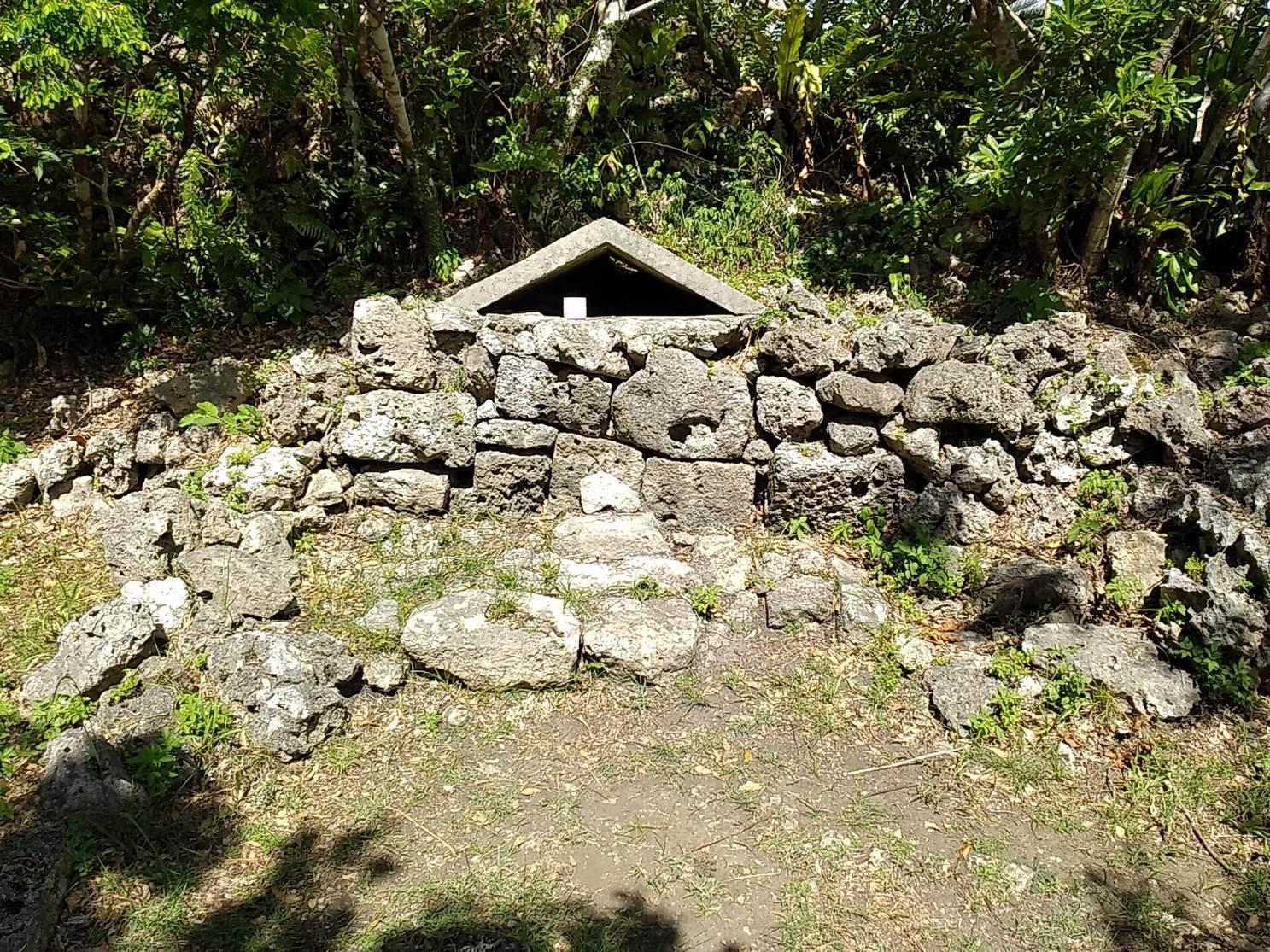
The castle served as the residence of the aji, or local lord, of Tamagusuku magiri, an administrative district in the Ryūkyūan realm. Its defensive function accompanied a religious role. An important utaki, a sacred place in the Ryūkyūan tradition, at the main citadel serves as a pilgrimage site.
A legend linked to Tamagusuku tells that Gihon, third king of the Shunten dynasty, a royal line in Ryūkyūan tradition, was to be executed there for misrule. Ame-do Tenji, a legendary figure associated with rain, sent rain that put out the fire and saved him. Gihon then escaped and wandered north.
After the Second World War, during U.S. military rule, castle walls were taken apart and reused as building material. This was linked to the site’s proximity to the Chinen Supply Area, also called Camp Chinen, a secret CIA-operated logistics base under U.S. Army cover. Tamagusuku Castle has been protected as a National Historic Site of Japan since 1987.
Remains
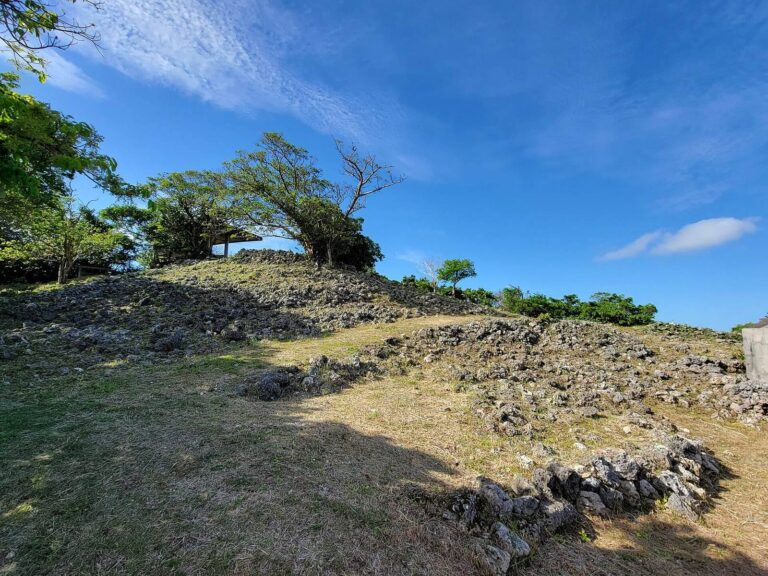
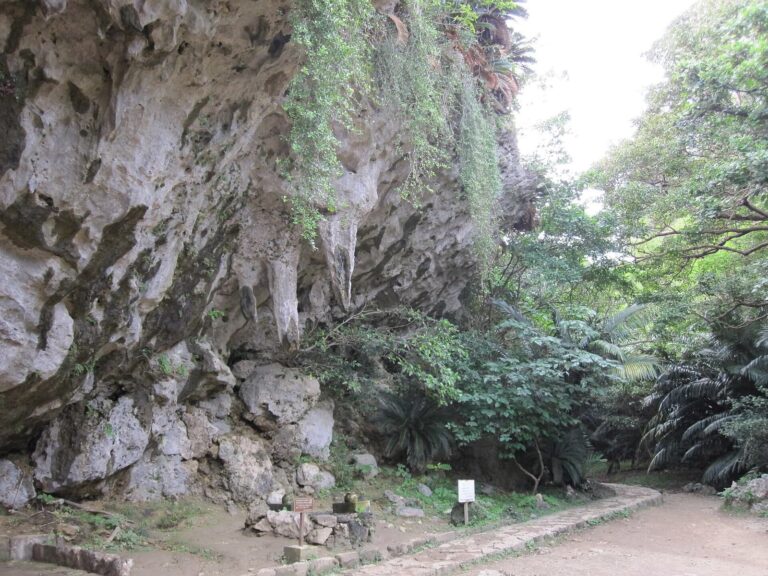
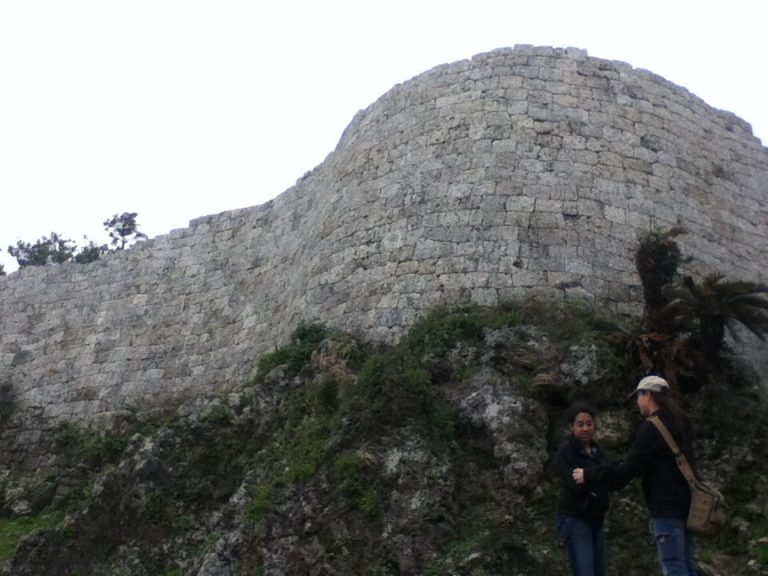
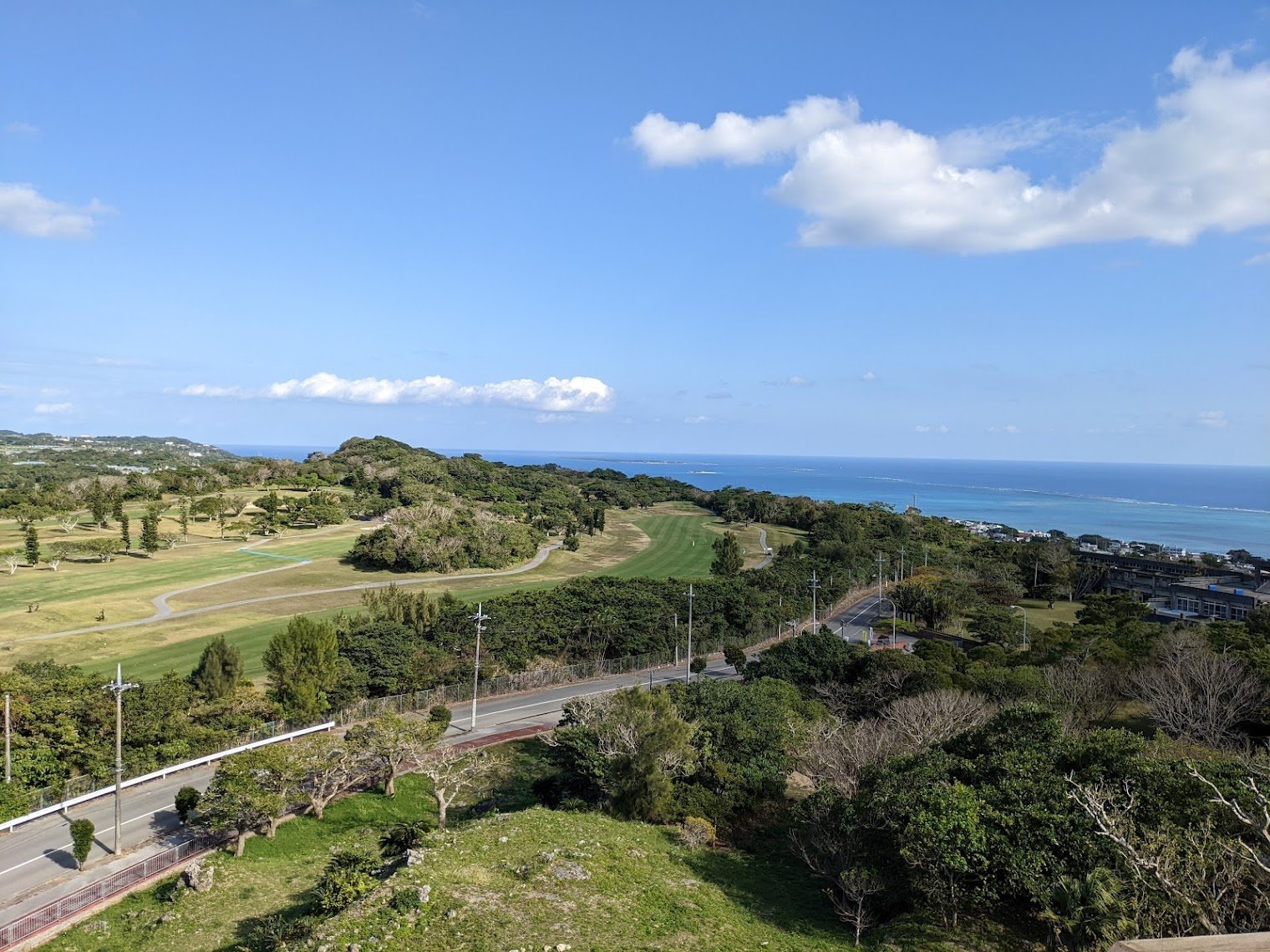
The castle occupies a natural cliff, with a cliff to the northwest and high stone walls following the eastern slope. Its first, second, and third baileys, or enclosed castle areas, were arranged in descending tiers. Ryūkyūan limestone and wood were used in its construction.
Castle layout and structures
Baileys and walls
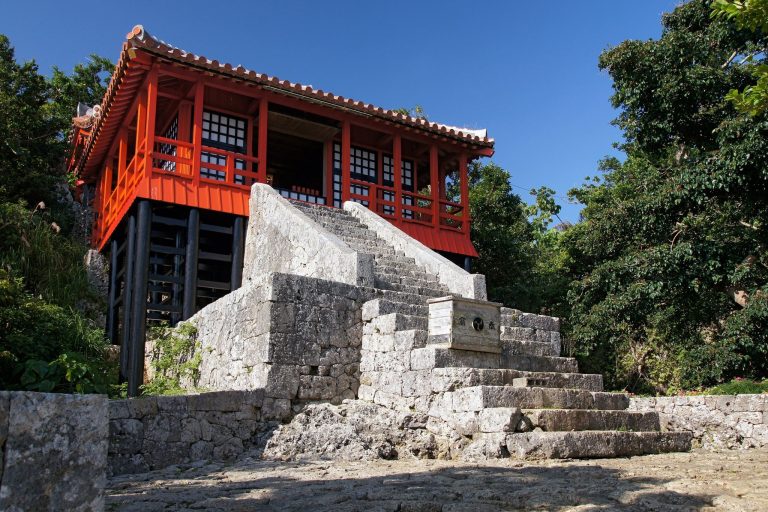
The main bailey is the principal surviving part of the castle, with stone paving and walls that remain nearly intact. The walls of the second and third baileys do not survive.
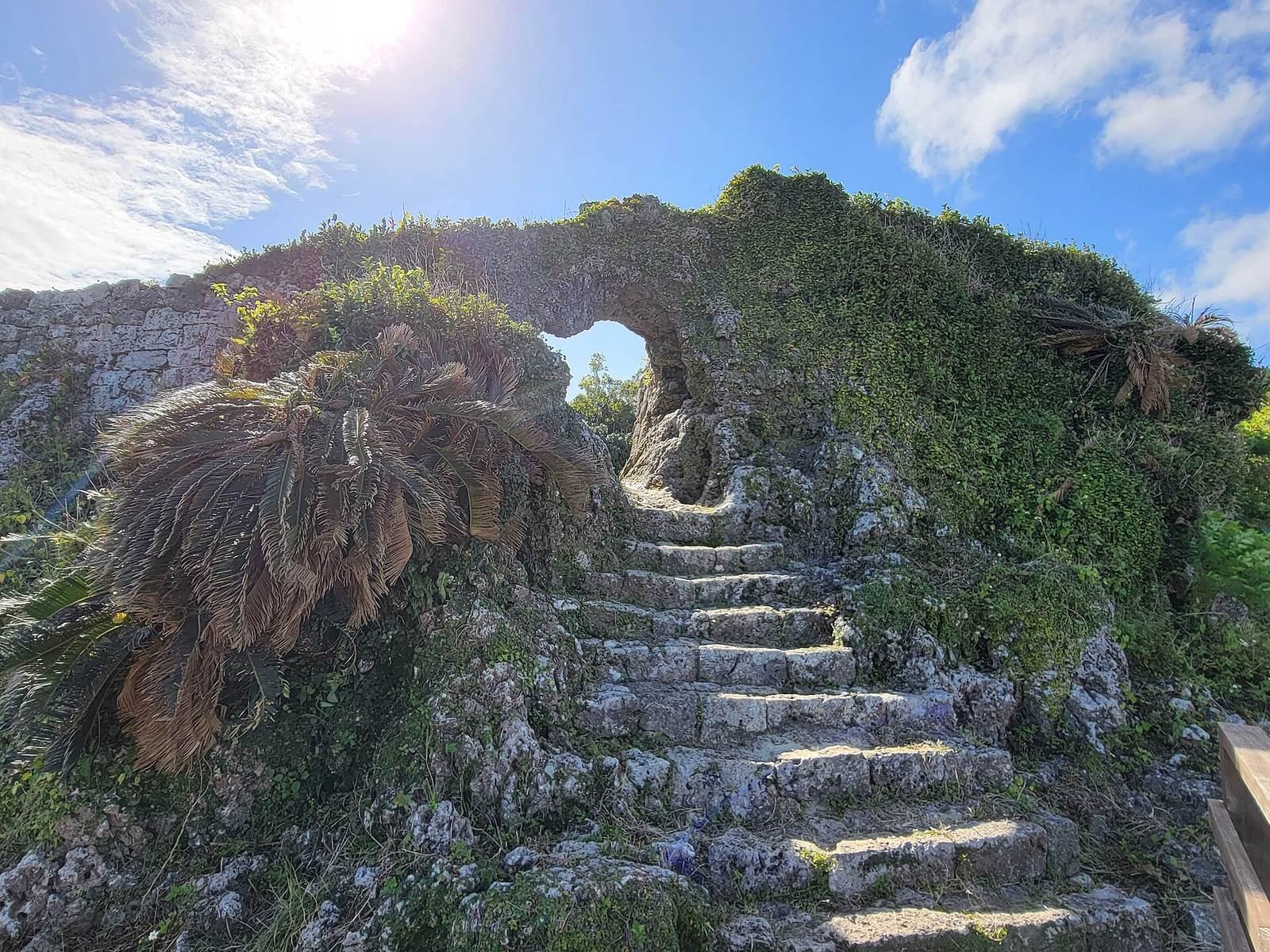
Gate
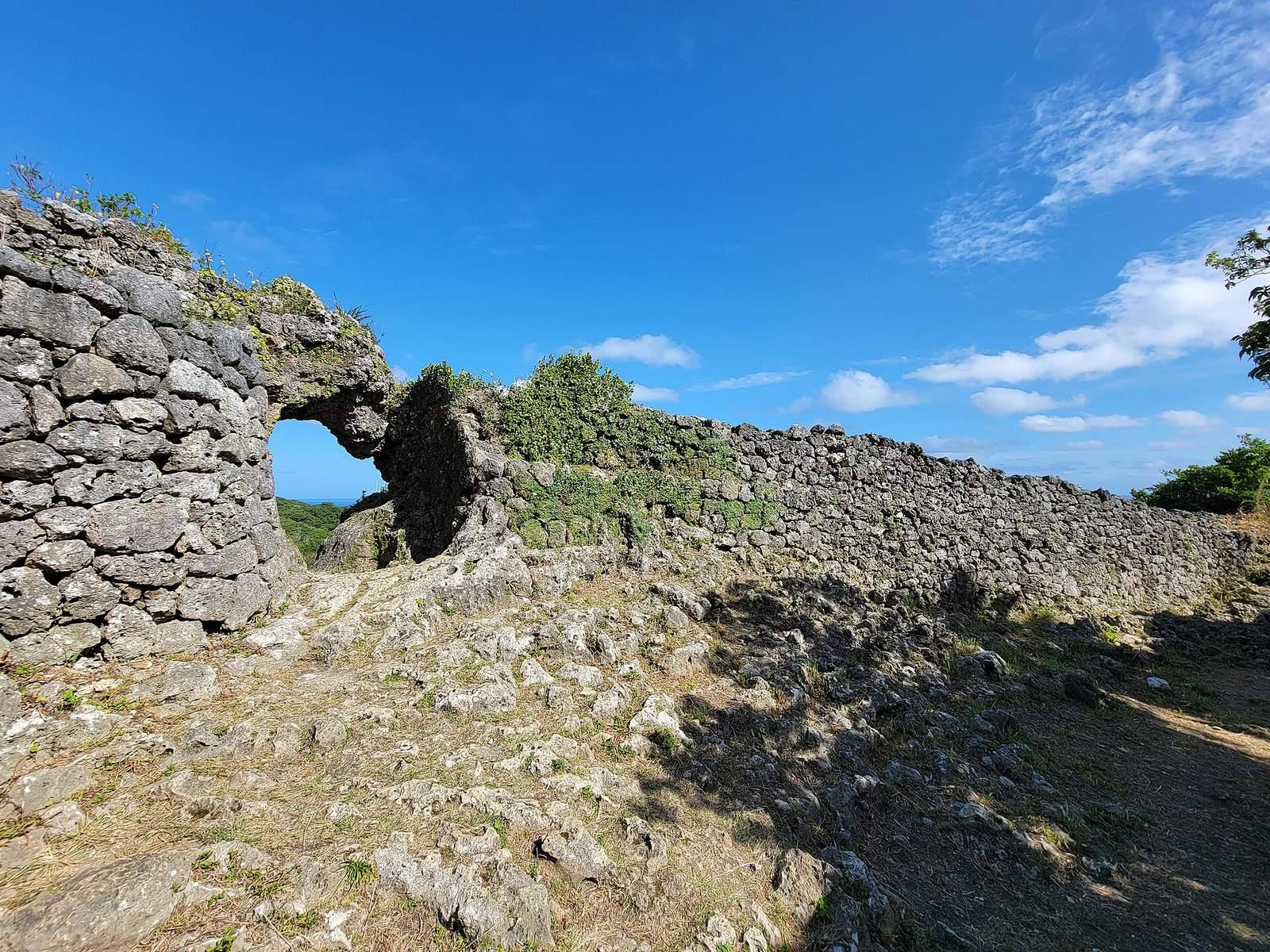
The castle gate is carved from a single natural rock.
Sacred place
The main-citadel area includes an important utaki.