Palazzo Gradenigo: A Baroque Residence in Venice
Site at a Glance
- Popularity
- Medium
- Country
- Italy
- Primary era
- Early Modern
- Eras represented
- Early Modern
- Civilizations
- Venetian
- Site type
- Domestic
- Remains
- Elite Residence
On this page8 sections
History
Construction and family residence
Palazzo Gradenigo is a Baroque residence in Venice’s Santa Croce district, Italy, built in the late seventeenth century for the Gradenigo family, one of Venice’s prominent patrician, or aristocratic, families. The architect Domenico Margutti, a pupil of leading Venetian Baroque architect Baldassare Longhena, designed the palace as a grand family home.
The palace and its garden
Over several centuries, the palace garden hosted grand celebrations and remained a source of family pride. Until the early twentieth century, it ranked among Venice’s largest and most lavish gardens. In the early 1900s, the poet and novelist Gabriele D’Annunzio drew on it for scenes in Il Fuoco and described its neglected state in his notebooks. In 1920, houses for railway workers and a street were constructed nearby, reducing the garden.
During the nineteenth century, Archduke Frederick of Austria, a member of the ruling Habsburg dynasty, lived in the palace and died there.
Restoration and present use
The palace was restored in 1999 and remains in good condition. It continues to serve as a residence and is partly owned by the Gradenigo family.
Remains
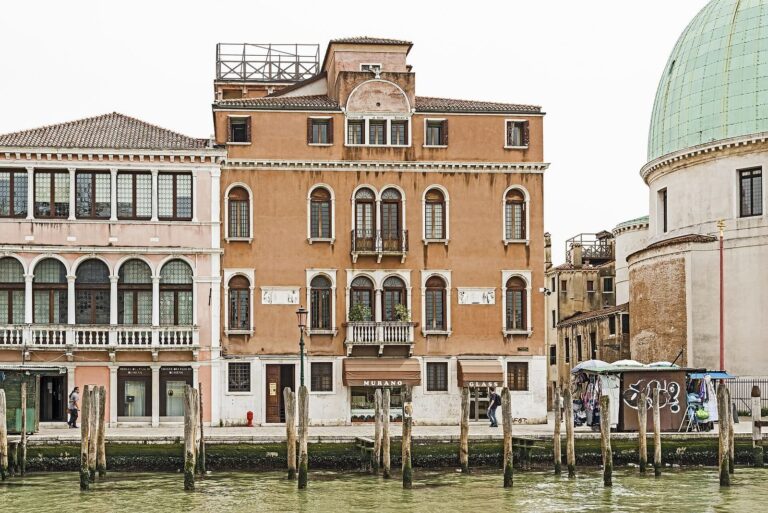
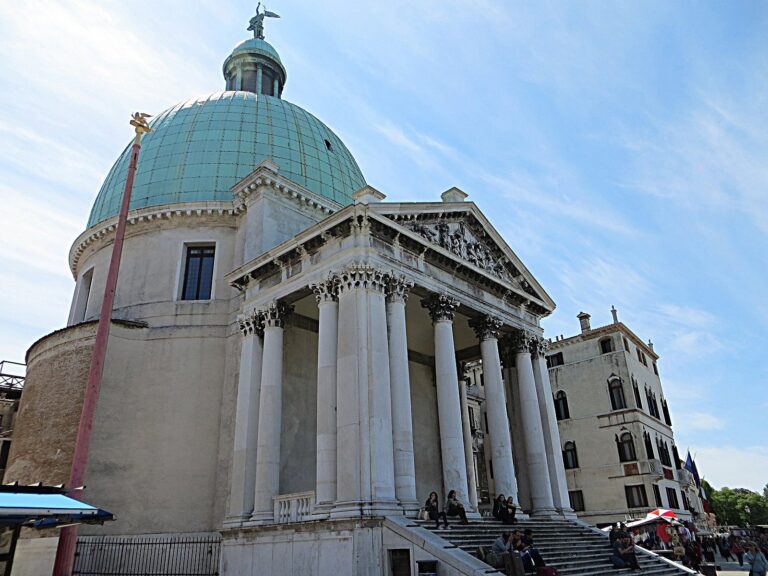
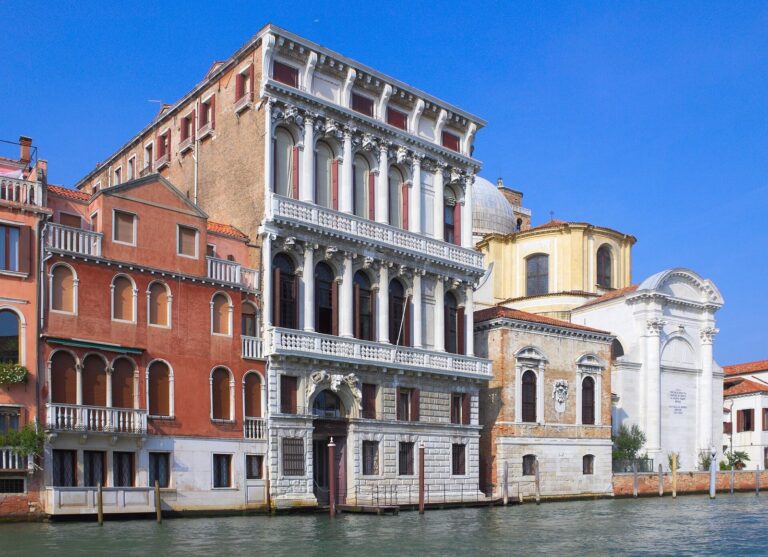
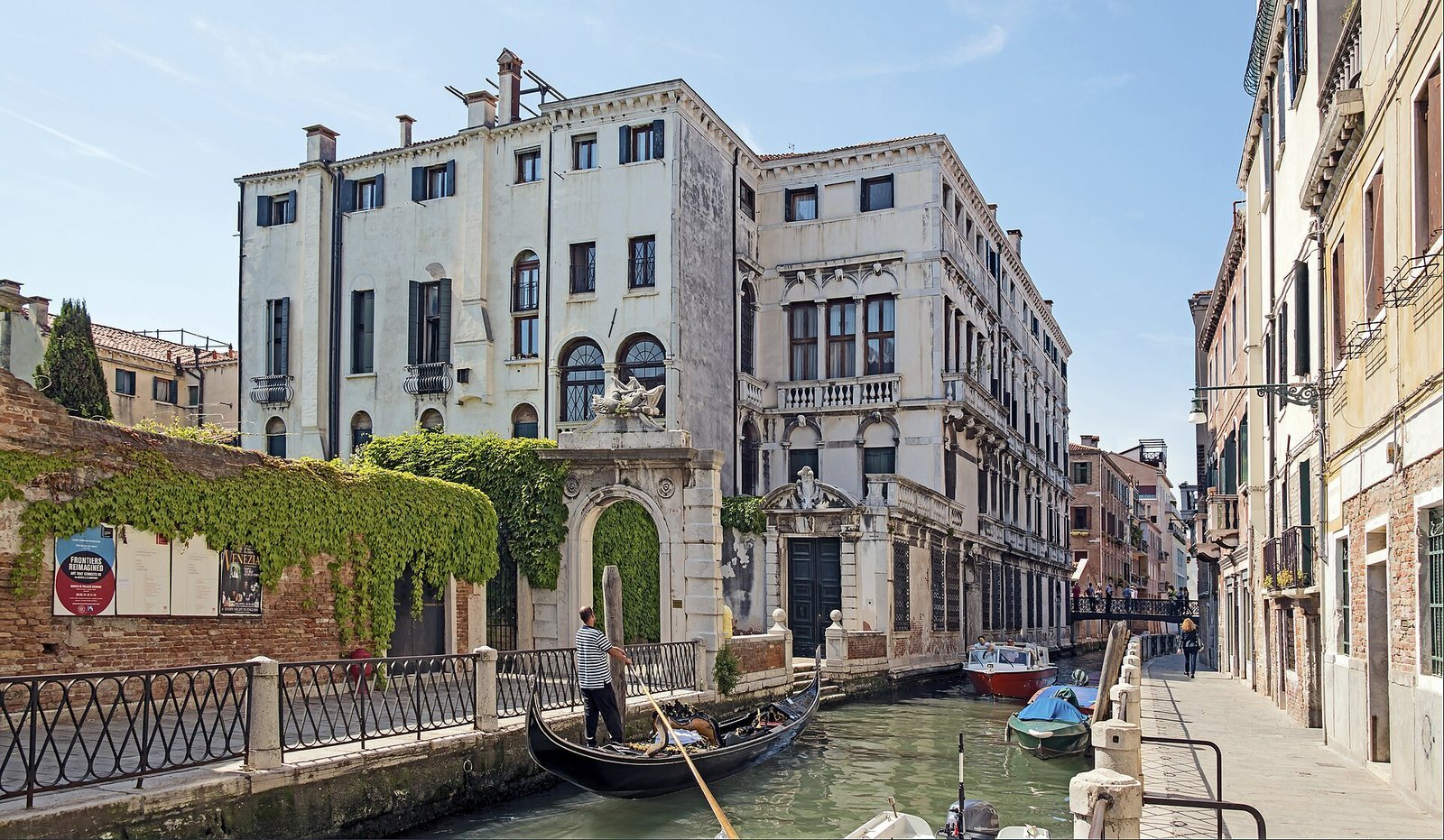
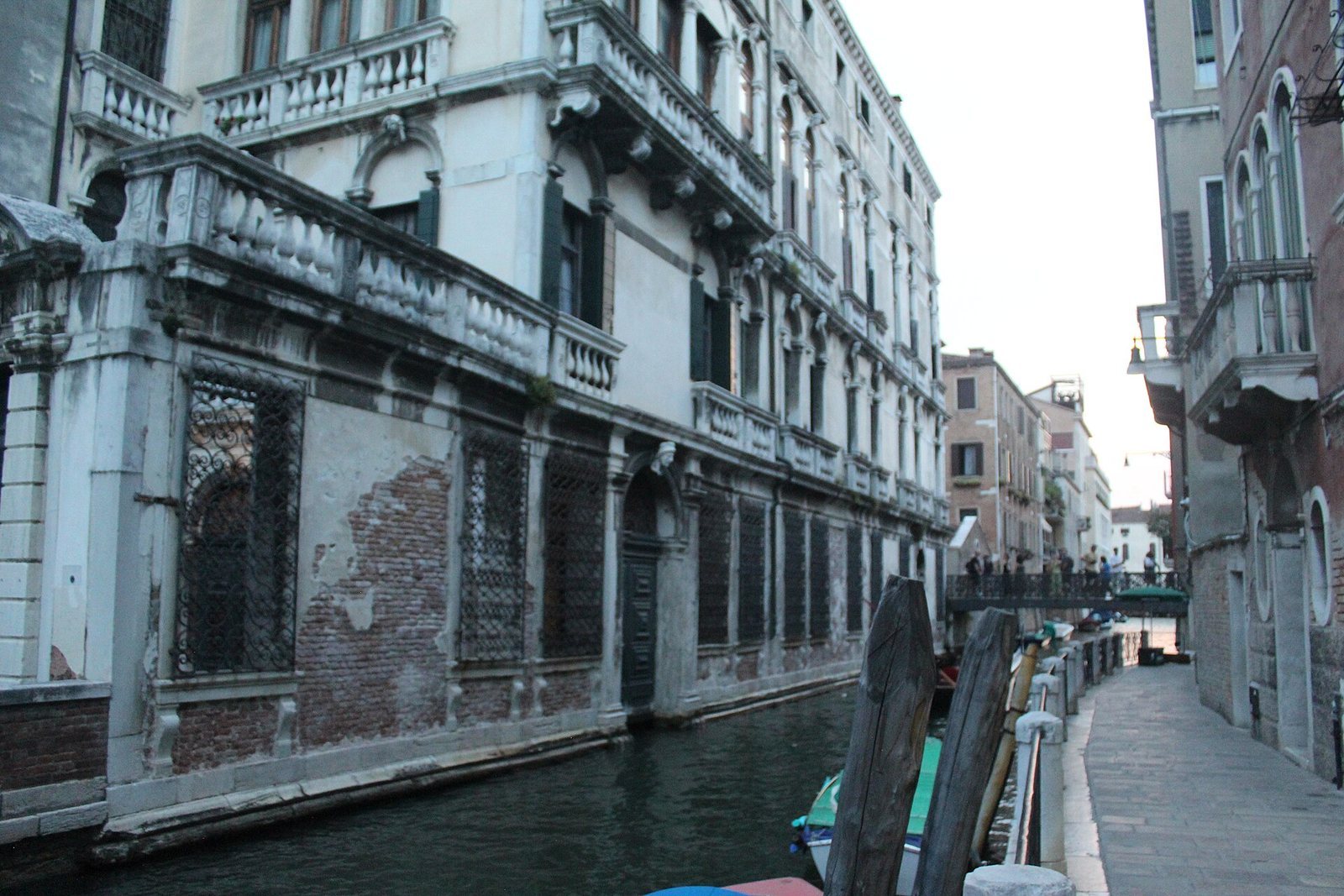
The palace stands beside the Rio Marin, near Palazzo Soranzo Cappello and the church of San Simeone Profeta. Its Baroque canal façade rises from a ground floor through two principal storeys to an attic level, while the surviving garden occupies a small area behind the building.
Canal façade and roof
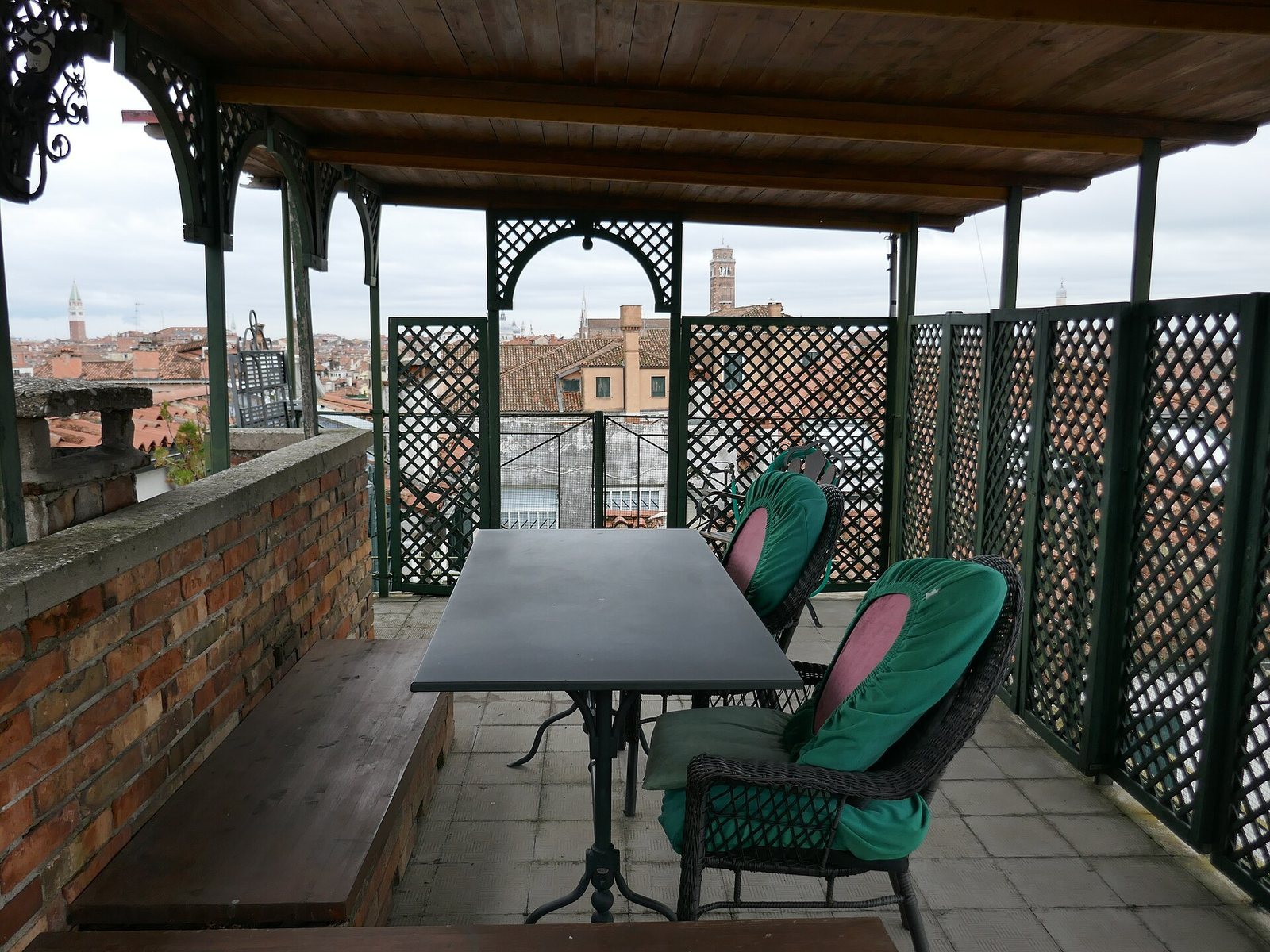
Two ground-floor portals open toward the water. The upper storeys are arranged asymmetrically: one has ten round-arched windows, each with a single opening and a balustrade, while the other has larger windows decorated with mask-shaped ornaments. The far-left opening on one level forms a broad four-part window, matched by a three-part window on the garden-facing façade. Roof additions accumulated over time, and a terrace at the top overlooks Venice’s rooftops.
Interior decoration
Surviving decoration includes stucco work from the seventeenth century and frescoes from the eighteenth century attributed to Venetian painter Jacopo Guarana.
Garden and courtyard
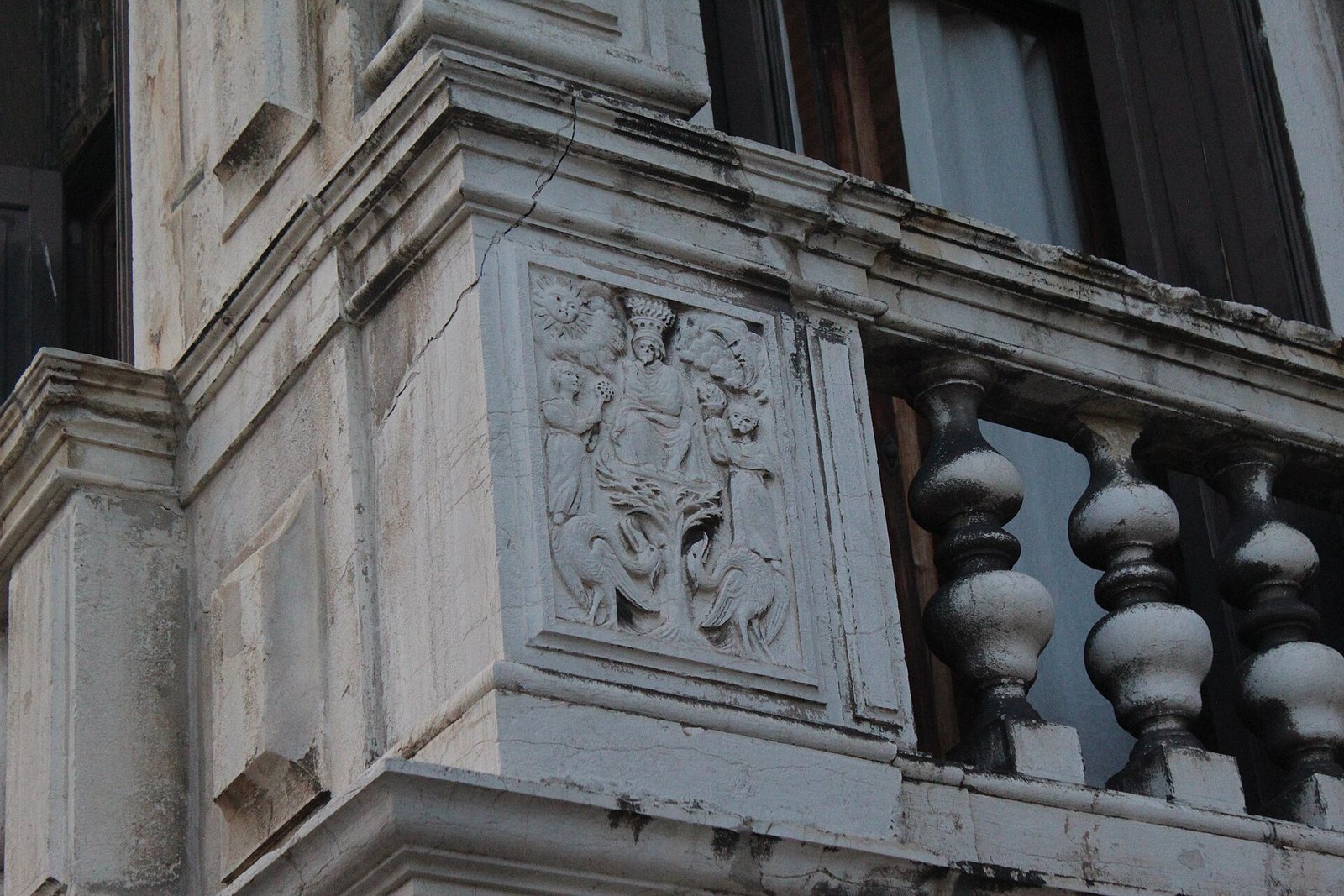
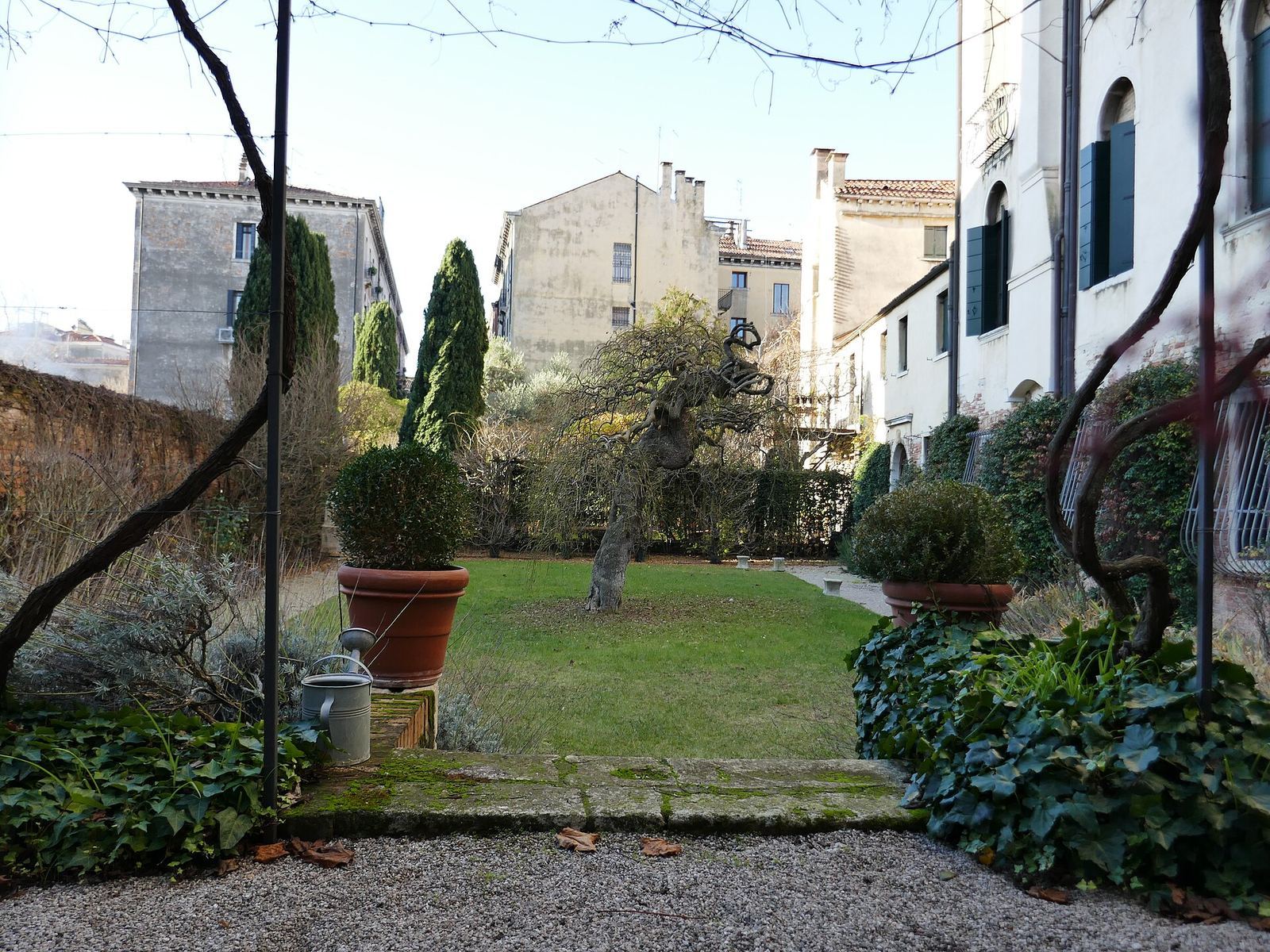
A remnant of the former garden lies behind a wall facing the canal, with lattice windows and a covering vine. A wrought-iron gate connects it to the palace stairwell. At the garden’s center stands a weeping Japanese pagoda tree, probably planted in 1922. The courtyard bears the Gradenigo family coat of arms.