Prokuplje Fortress: A Medieval Defensive Stronghold in Serbia
Site at a Glance
- Popularity
- Medium
- Country
- Serbia
- Primary era
- Medieval
- Eras represented
- Classical, Medieval
- Civilizations
- Roman, Serbian
- Site type
- Military
- Remains
- Citadel
On this page9 sections
History
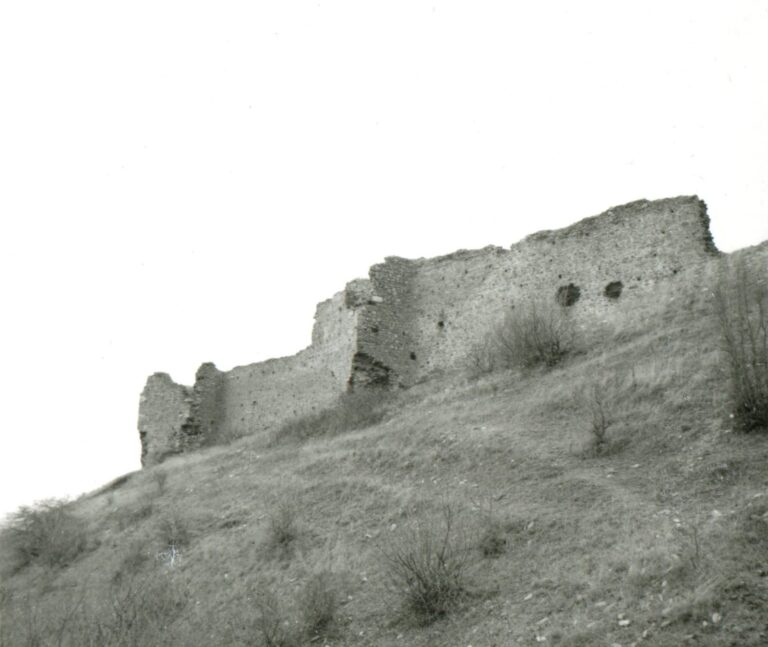
Prokuplje Fortress is a medieval fortification above modern Prokuplje, Serbia. Its surviving walls date to the late 14th century, when the fortress was built during the rule of Prince Lazar Hrebeljanović as a defense against Ottoman invasion.
Settlement before the fortress
The settlement existed before its medieval defenses. It was called Hammeum under Roman rule, Complos under Byzantine rule, and Toplica during the early period of Serbian rule. The Byzantine Empire was the eastern continuation of the Roman Empire.
A fortified town and trading centre
The fortified town became known as the City of St. Procopius, or Prokuplje, referring to the Christian saint whose relics had been kept there since 1386. Under Lazar and his son Stefan Lazarević, Prokuplje held a status comparable to Kruševac, Stalać, Bovan, Petrus, and Leskovac. It developed as an important trading town on routes toward the Adriatic coast and Ragusa, the historic name for Dubrovnik. Its wine-making industry produced wine from the Prokupac grape.
Merchants from Dubrovnik enjoyed favorable status in the town. Its old-town core included a Latin church used by those merchants and a Serbian Orthodox church.
Ottoman occupation and later preservation
Ottoman forces temporarily occupied Prokuplje in 1440 and conquered it in 1454, during their expansion into the Balkans and invasion of the Serbian Despotate, a medieval Serbian polity. They repaired the damaged citadel and stationed a garrison there, while Ottoman civilians lived in the lower districts. The fortress also became known as Hisar, a Turkish word for “fortress.”
Prokuplje Fortress is designated a Serbian Cultural Monument of Great Importance. A reconstruction and restoration project has begun at the site.
Remains
Citadel and lower defenses
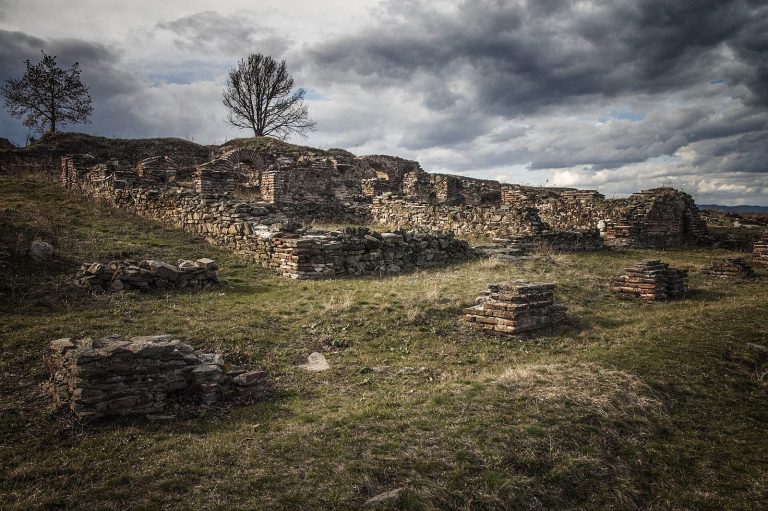
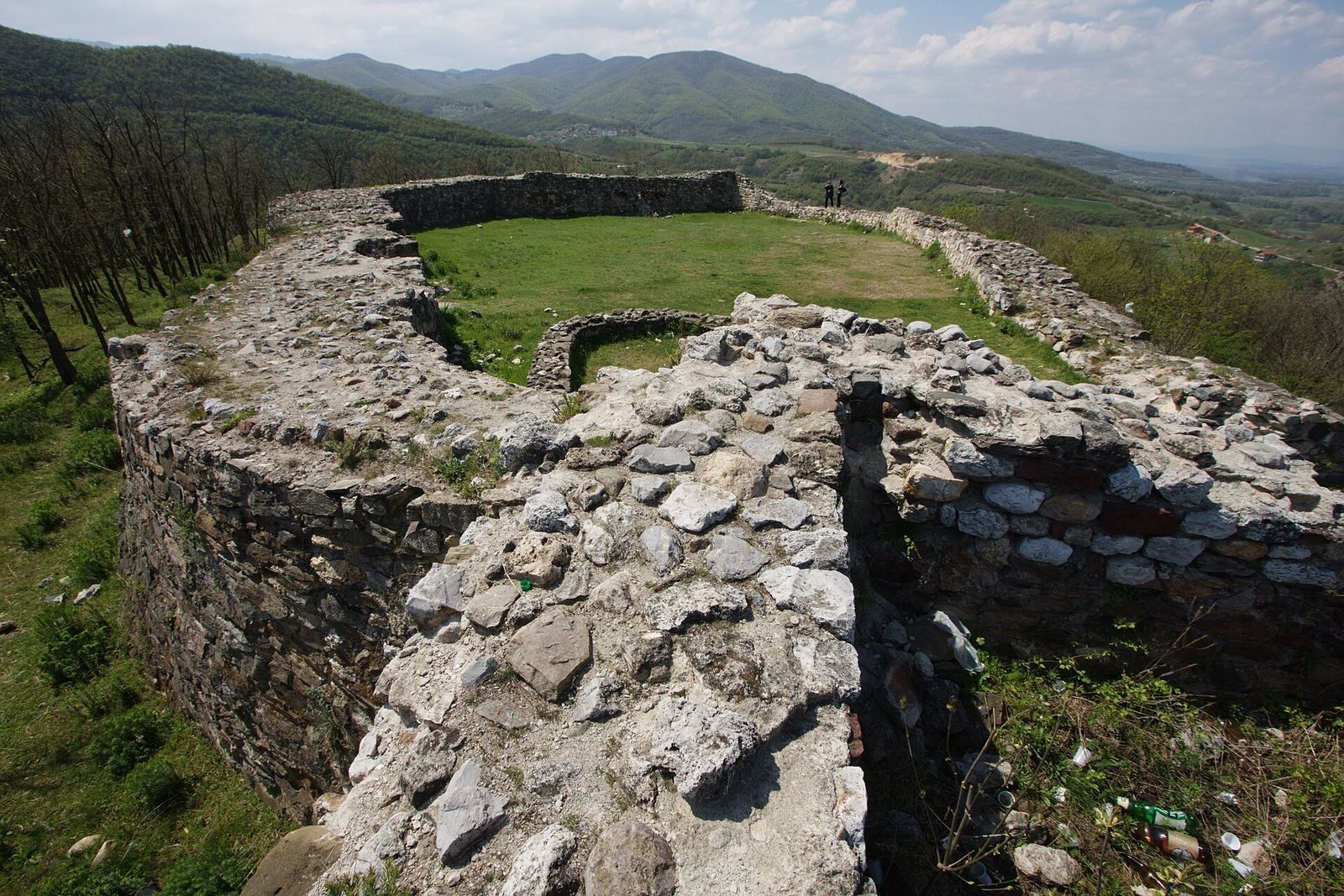
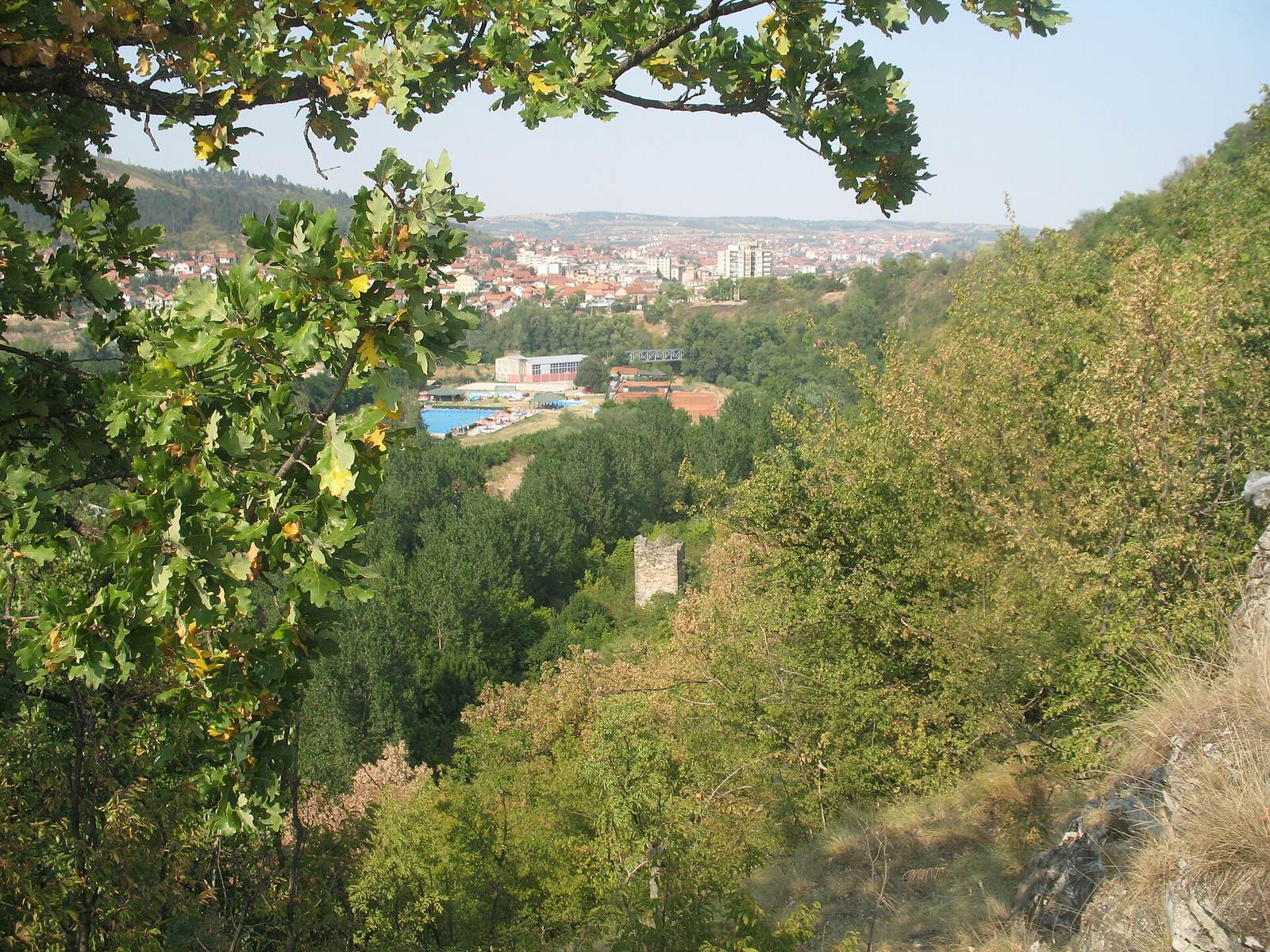
The stone fortress occupies a loop of the Toplica River, which borders the site on three sides. Its citadel, the fortified inner stronghold, has an oval plan and occupies the highest plateau. Two concentric ramparts, defensive walls or embankments, descend from it to enclose lower districts on accessible parts of the hillside. The citadel’s interior covered about 500 square metres and had its own water supply from a large cistern, a built reservoir for storing water.
Jug Bogdan Tower
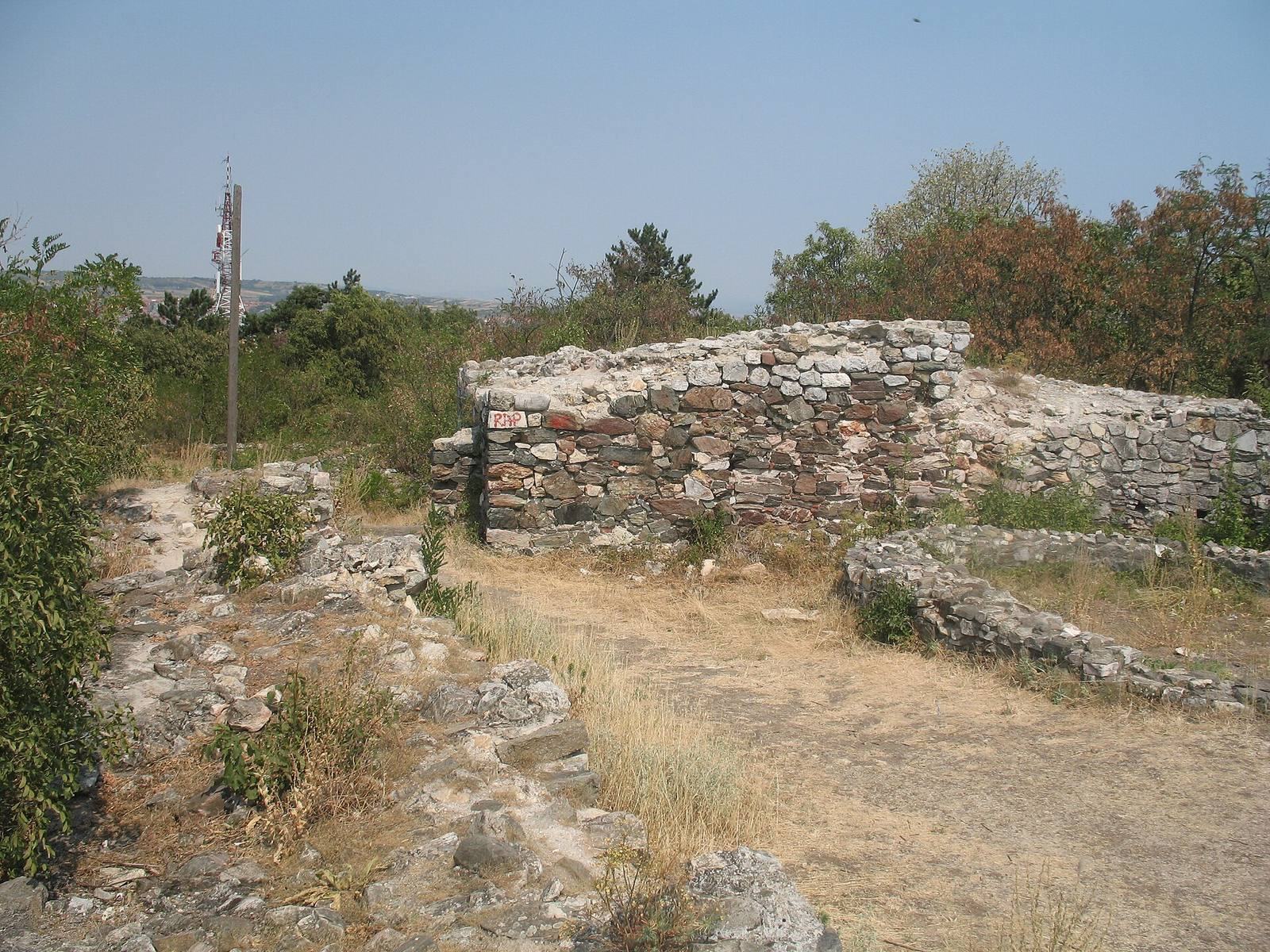
The Jug Bogdan Tower, an outpost on the Toplica riverbank, is the best-preserved part of the fortress remains. Its name refers to Jug Bogdan, the Serbian epic-poetry name for Vratko Nemanjić, a military and political leader. The tower may have controlled the river crossing and helped secure the fortress’s water supply.
Churches
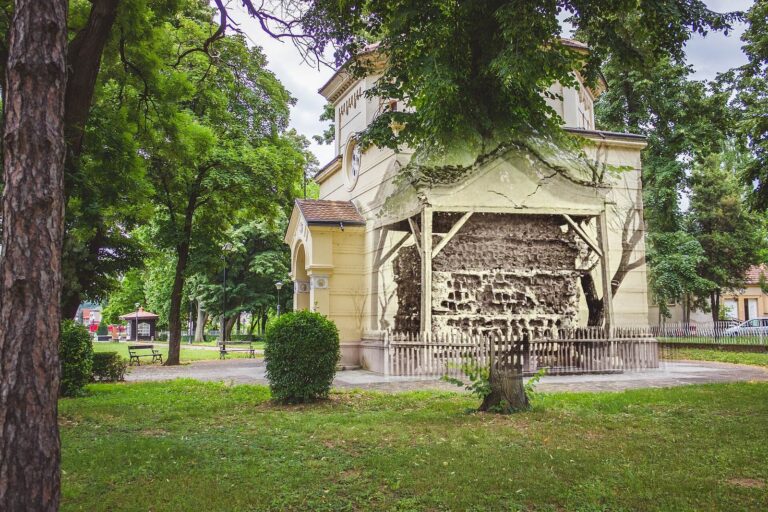
The old town’s core contained a Latin church used by Dubrovnik merchants and a Serbian Orthodox church. The Church of St. Procopius stands at the fortress’s foot.
Earlier remains and archaeological finds
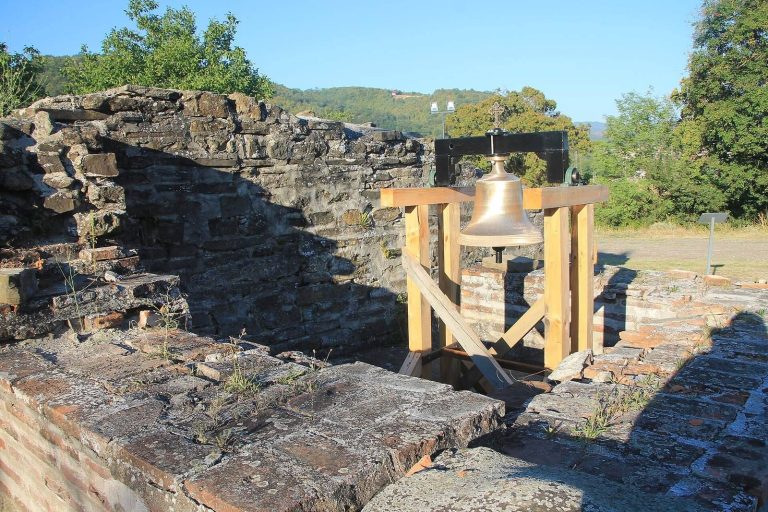
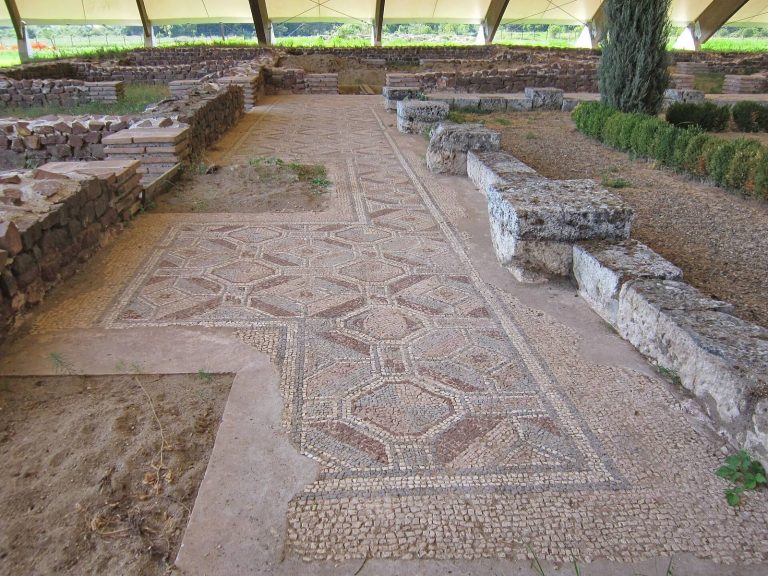
Archaeological remains on and around Hisar Hill include Roman baths and fortifications. Foundations from pre-Roman and Byzantine periods lie beneath parts of the lower town. Finds from the site include spears, swords, leatherworking tools, and ceramic pottery.