Braunschweig Palace in Kołobrzeg: An Empire-Style Residence and Museum
Site at a Glance
- Popularity
- Medium
- Country
- Poland
- Primary era
- Modern
- Eras represented
- Modern
- Civilizations
- Kingdom of Prussia
- Site type
- Domestic
- Remains
- Elite Residence
On this page8 sections
History
Construction and original purpose
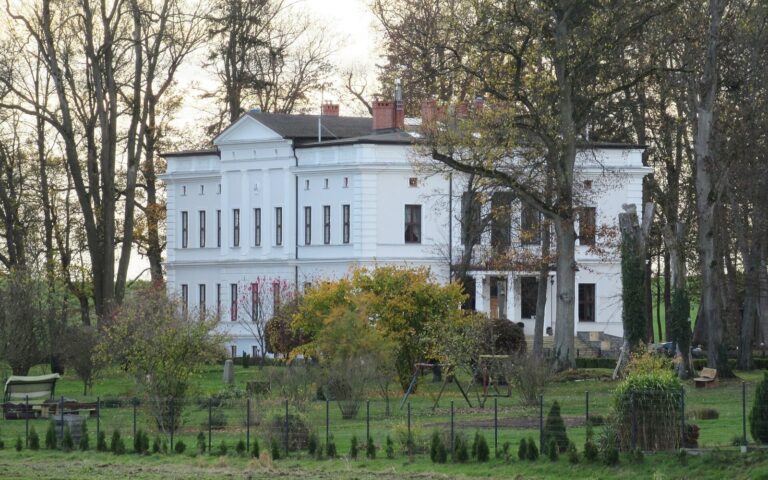
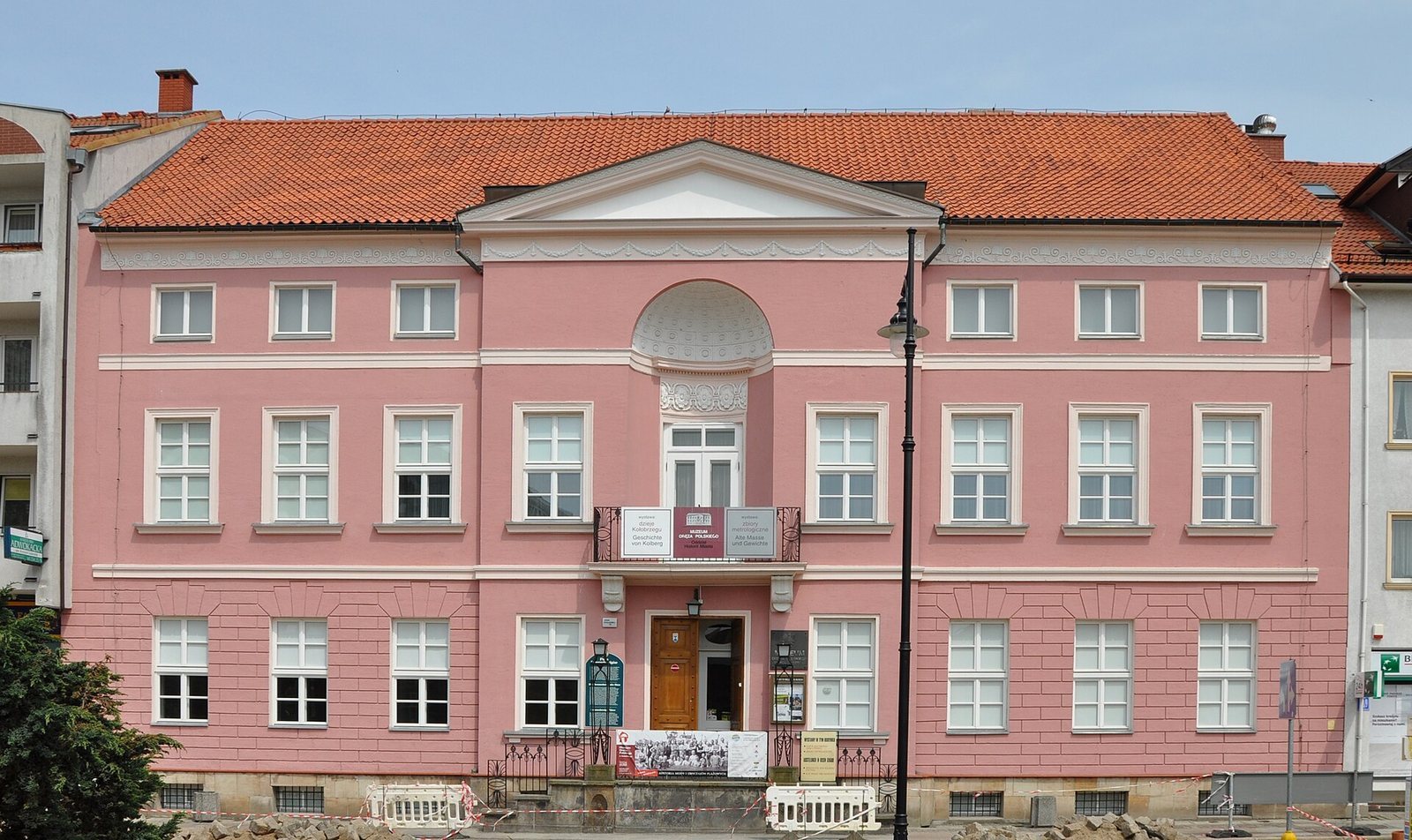
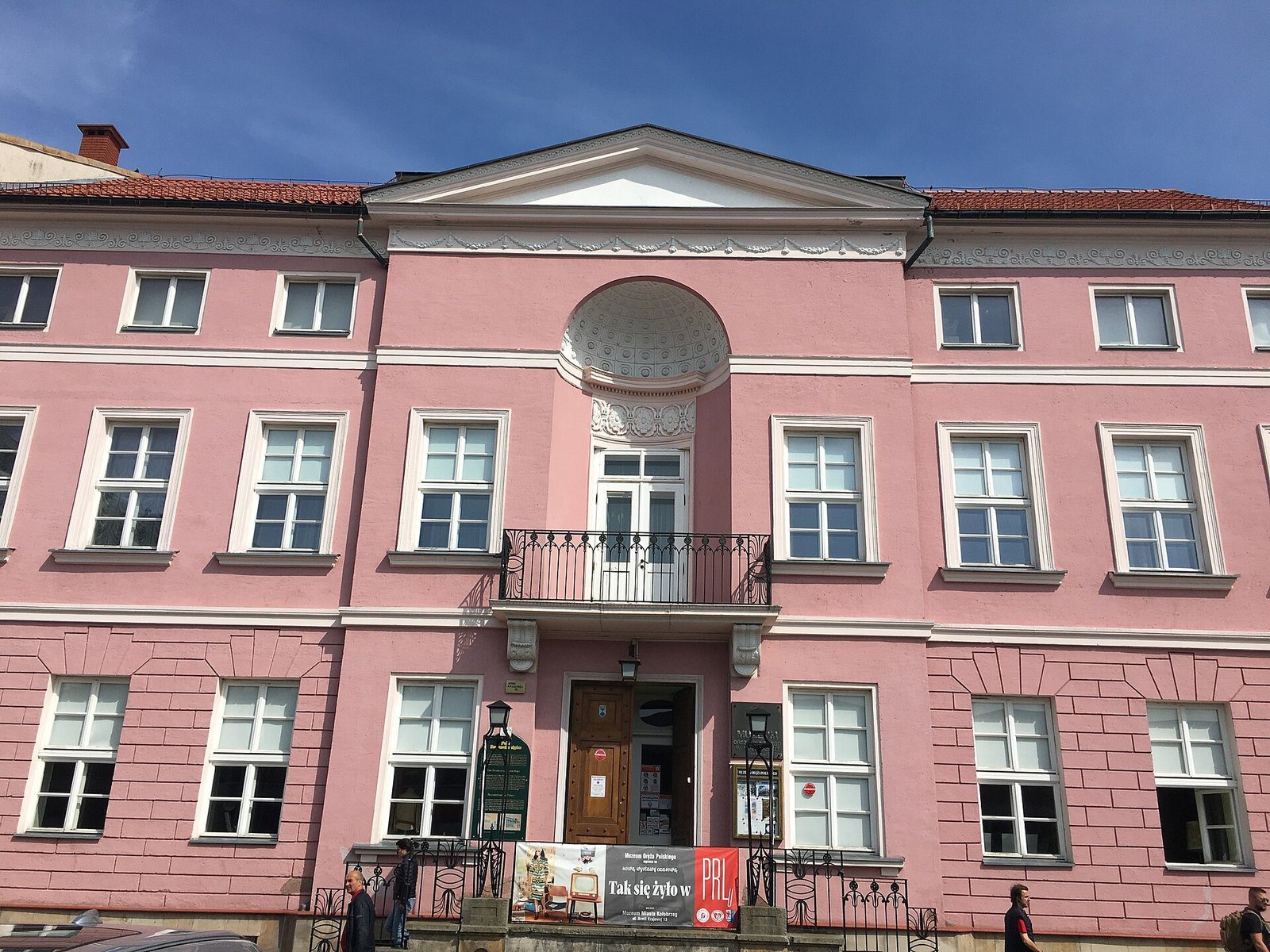
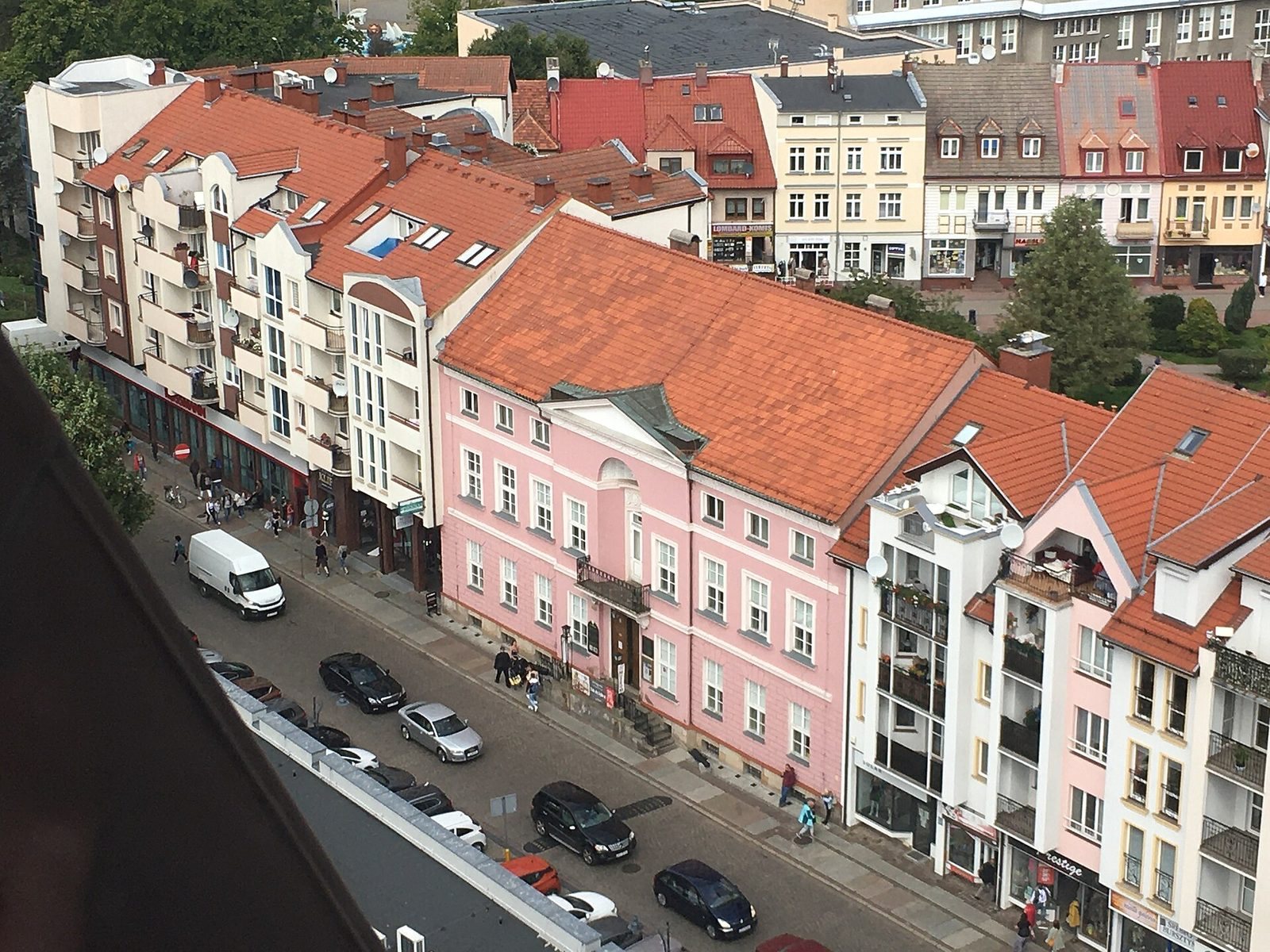
Braunschweig Palace in Kołobrzeg is an early nineteenth-century palace in Poland, built in the Empire style. This neoclassical style, associated with Napoleon’s French Empire, spread to other parts of Europe. Kołobrzeg merchant C.F.H. Plüddemann commissioned the building during the first two decades of the nineteenth century as a dowry for his daughter Alma, who married merchant and shipowner Heinrich Braunschweig. Although later owners had other surnames, the palace kept the Braunschweig name.
Changing uses in the twentieth century
Shortly before the Second World War, the palace passed to the city for use as a museum, but renovation work remained unfinished when the war began. From 1945, it housed the Public Security Office, part of communist Poland’s state security apparatus. The building later served a court and prosecutor’s office. A major renovation took place in the 1970s, and in 1977 the palace became the seat of the Museum of Polish Arms. It now houses a branch of the museum.
Remains
Building and roof
The palace is an Empire-style building with three storeys and a rectangular plan. A small turret formerly stood along the roof ridge, where it was used to watch ships entering the port.
The ballroom
Ceiling and paintings
On the first upper storey, the ballroom has pink walls and a decorated ceiling with a central painting of Flora, the Roman goddess associated with flowers and spring. Oil paintings on canvas depicting Polish historical figures once hung in the room. They were transferred to the palace in Kozłówka in 1987.
Armour and sculpture
The ballroom contains sixteenth-century armour displayed in wall niches with a shield and lance. Opposite it stands a marble bust of Pallas Athena, the Greek goddess associated with wisdom, warfare and crafts.