De Kemnade: A Manor Castle in Wijnbergen
Site at a Glance
- Popularity
- Medium
- Country
- Netherlands
- Primary era
- Modern
- Eras represented
- Medieval, Early Modern, Modern
- Civilizations
- Dutch
- Site type
- Domestic
- Remains
- House
On this page6 sections
History
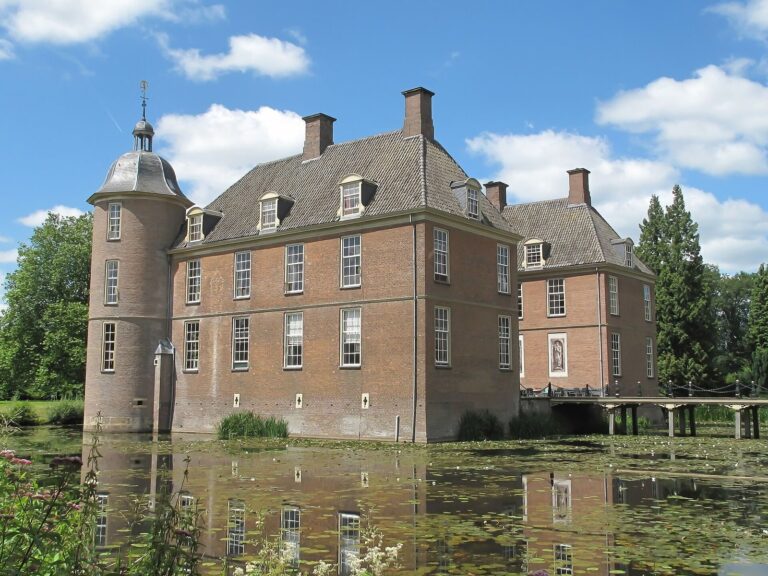
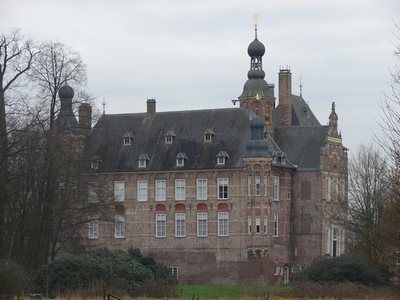
De Kemnade is a small brick castle in Wijnbergen, Netherlands, built before 1475 as a havezate (a recognized manor estate in the eastern Netherlands, sometimes carrying legal privileges). Its name is thought to derive from the Latin caminus, meaning a hearth or fireplace. In the Middle Ages, a house with a hearth could be called a caminata or kemenade, a name also used for many other houses.
Early ownership and estate rights
Before 1475, Johan and Steven van der Kemnade had transferred the house to Dirck Baer, who later lost possession to Evert van Heeckeren, known as Ulft. A settlement in 1482 provided for Evert van Ulft to retain or obtain the property, while the Van der Kemnade brothers received it in pledge in return for payment.
In 1517, Johan transferred the estate to Agnes van Ulft, who was married to Reyner van Aeswyn. Antoinetta van Aeswyn, the last member of that family, later sold it. In 1670, Hendrik Bentinck received the estate as a fief, a landholding granted under feudal obligations. His son, also named Hendrik, transferred it in 1675 to his brother-in-law Willem Frans van Doetinchem.
Willem Frans sold De Kemnade to Allard Schimmelpenninck in 1711. After Allard’s poor financial management obliged his daughters to sell, they transferred it to Anthon de Lalane de Duthay. Anthon’s son, Claudius Henricus, sold it in 1749 to Ludolph Hendrik Borchard Silvius van Heeckeren. The following year, Van Heeckeren received permission to transfer the rights attached to a havezate from Waliën to De Kemnade. During the 1756 earthquake around Zutphen, the shaking was thought to have been strongest at the noble house of Kemnade near Doetinchem.
Demolition and later rebuilding
The Van Heeckeren heirs sold the estate in 1806 to Dutch admiral Carel Hendrik Ver Huell. Because of his pro-French position, he had to settle in Paris after Napoleon’s rule ended, while his wife, Maria Johanna Countess VerHuell-de Bruyn, remained at De Kemnade. Following her death in 1858, the castle was sold in 1860 to Jacobus Albrecht Insinger. Insinger had the dilapidated castle demolished in 1862, leaving its tower standing.
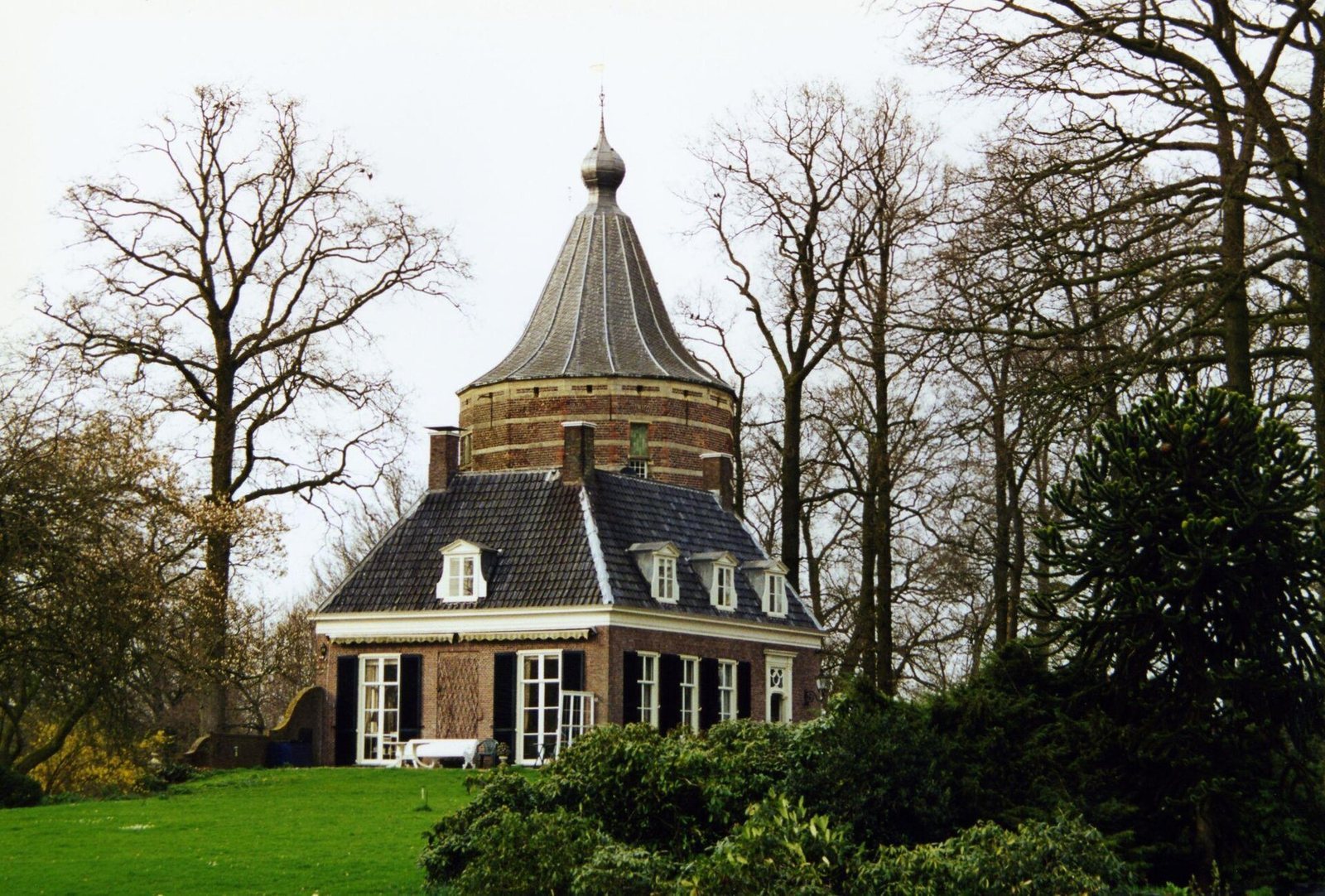
Insinger sold the property to P.J. Landry in 1889, and Landry built a barn over the castle cellars. In 1920, the next owner, C. Misset, converted the barn into a dwelling. W. Sax became owner around 1952 and sold part of the land. In 1955, he sold the remainder, including the tower, to diplomat Johan Anthony Beelaerts van Blokland. The new owner had an addition demolished and a house built in 1957. De Kemnade was designated a national monument complex on 17 May 2004 and remains a private residence.
Remains
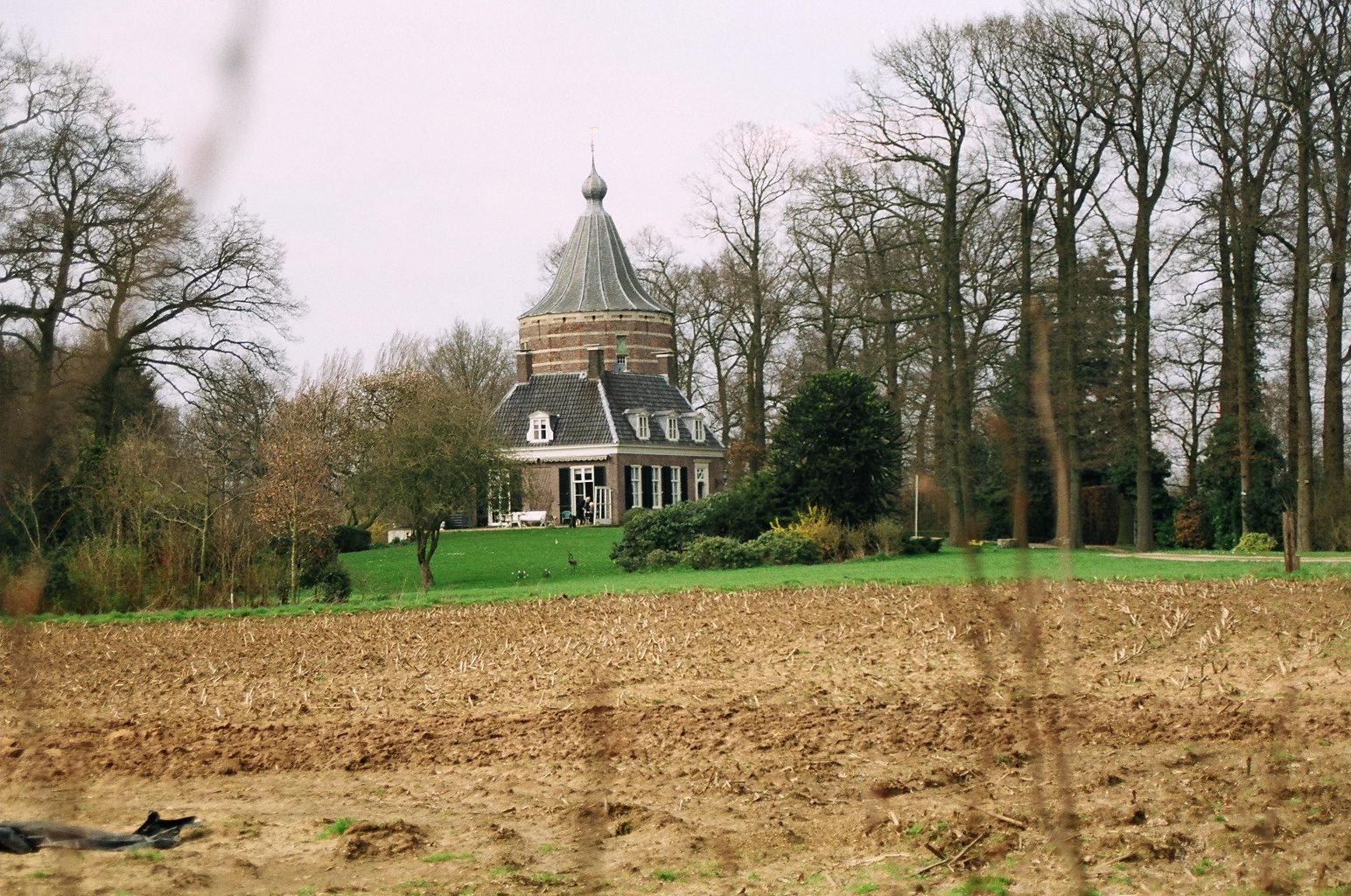
The site lies on the west bank of the Oude IJssel, between Etten, Wijnbergen, and Braamt, alongside Warmseweg and a branch of the river called the Waalse Water. Its surviving built features include a sixteenth-century tower and a later house above the old castle cellars. An associated historic park is also identified.
The tower
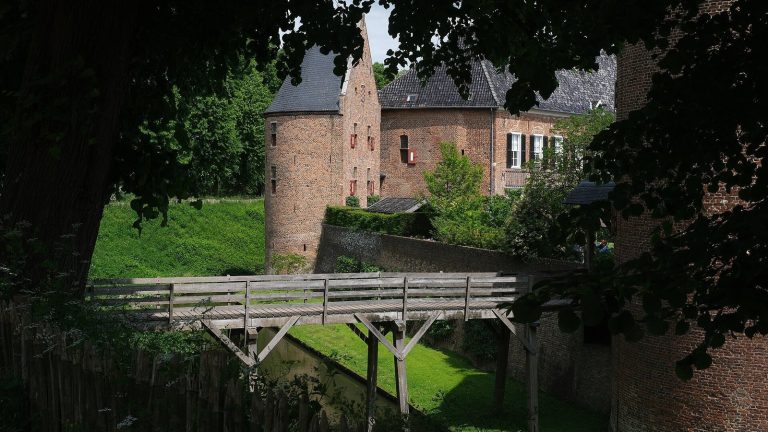
The surviving tower dates to the sixteenth century. Its exterior has sixteen sides around a circular interior, and its construction appears to incorporate reused material from demolition. Two cellars lie one above the other within the tower.
The house and grounds
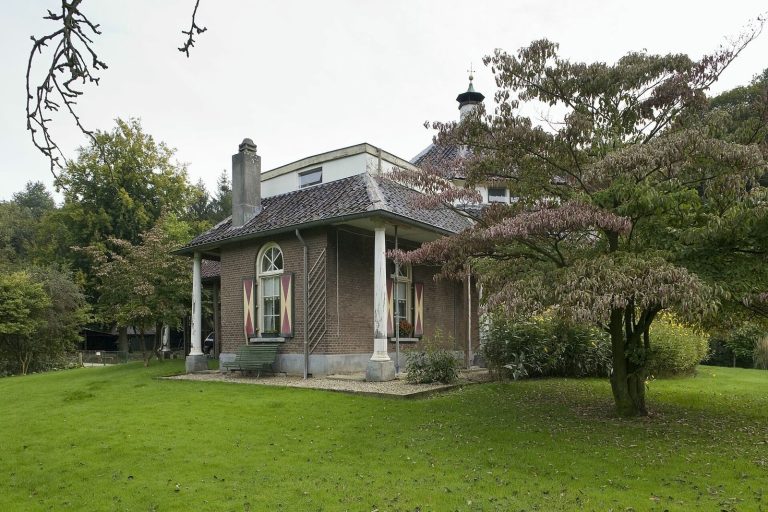
The present house stands on the former castle cellars and follows an eighteenth-century style. The estate is also associated with a historic park.