Château Nozet: A French Wine Estate and Historic Castle
Site at a Glance
- Popularity
- Medium
- Country
- France
- Primary era
- Modern
- Eras represented
- Early Modern, Modern
- Civilizations
- French
- Site type
- Domestic
- Remains
- Castle
On this page7 sections
History
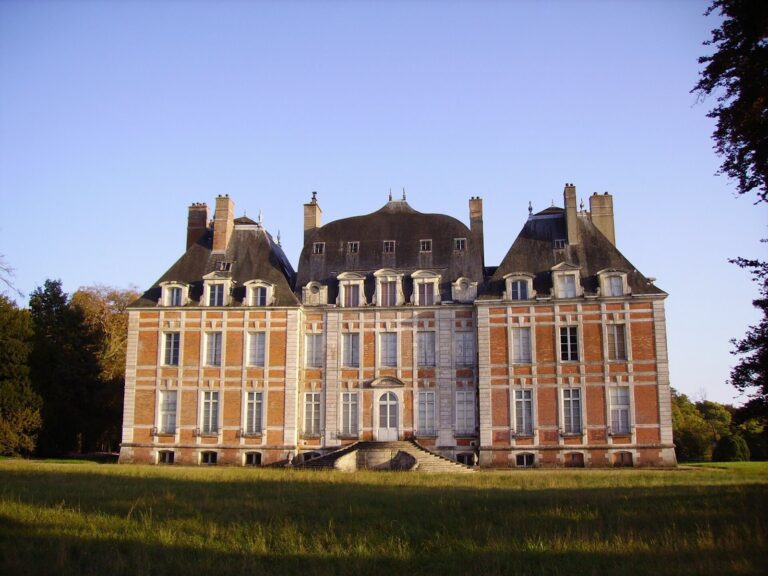
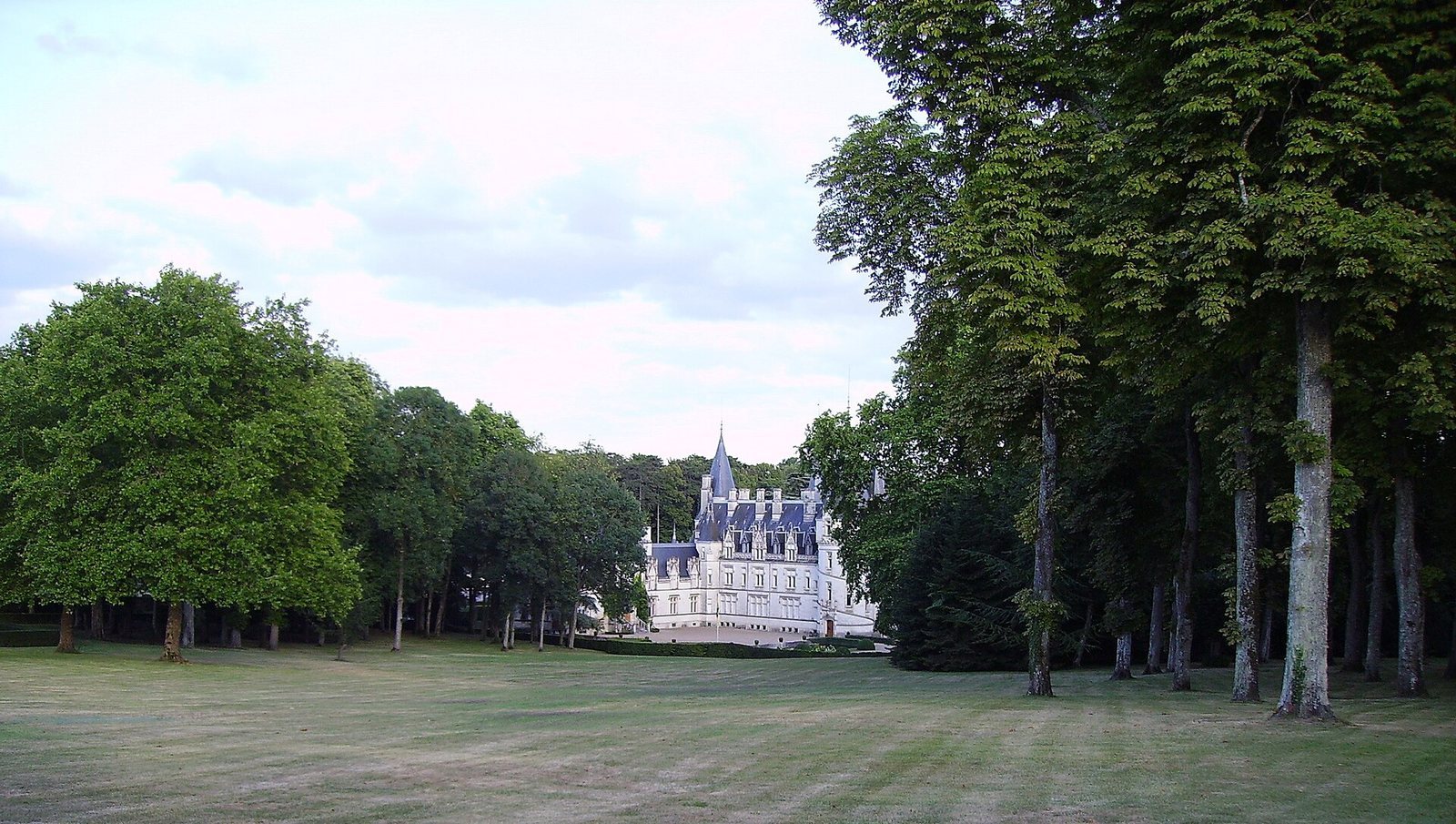
Château Nozet is a wine estate in France. Its castle is thought to have been rebuilt before the French Revolution and again in the mid-19th century for Count Lafont de la Doucette, in the Neo-Renaissance style, which revives forms associated with Renaissance buildings. The château also controlled an ancient Roman road along the Loire’s right bank near Pouilly-sur-Loire.
Medieval lordship and rebuilding
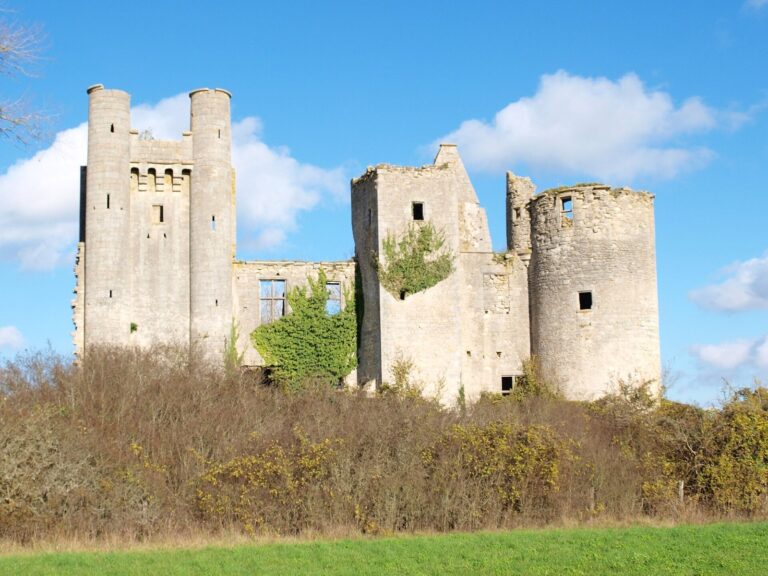
In 1234, Nozet’s land and manor house passed to the Benedictines of La Charité-sur-Loire. These Catholic monks followed the Rule of Saint Benedict. A donation by Humbault le Blanc before he departed on a crusade, one of the medieval Christian military campaigns fought chiefly in the eastern Mediterranean, made them temporal lords of Pouilly. This gave them authority over secular property and affairs. The castle later fell into ruin and was rebuilt several times, including in 1651.
Wine estate and political change
In 1787, Count Edmond Lafond acquired Pouilly-sur-Loire’s largest wine estate from Sophie, an illegitimate daughter of Louis XV, king of France from 1715 to 1774. During the French Revolution, when revolutionary authorities transferred property into state ownership, the château became national property. In 1798, Étienne Louis Lafond, a Parisian wine merchant, acquired the castle. Napoleon, the French military and political leader who became emperor, reportedly favored its white wines.
Wartime use and later ownership
During the First World War, Count Lafond and his wife made the château available to the French Red Cross as Auxiliary Hospital No. 17. The hospital had capacity for 20 to 40 beds and treated wounded patients from August 1914 to June 1918.
The estate’s wines received the French Appellation d’Origine Contrôlée (AOC) designation in 1937, linking them to a defined origin and production requirements. In 1972, Baron Patrick de Ladoucette took over the estate. He was the first in his family to devote himself exclusively to Pouilly wine production and its first full-time, formally trained winemaker. The de Ladoucette family privately owns the château.
Remains
The château buildings
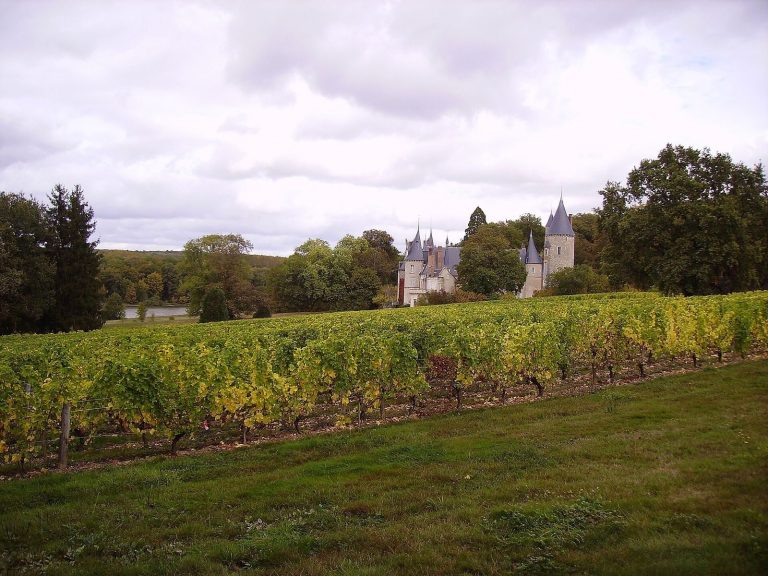
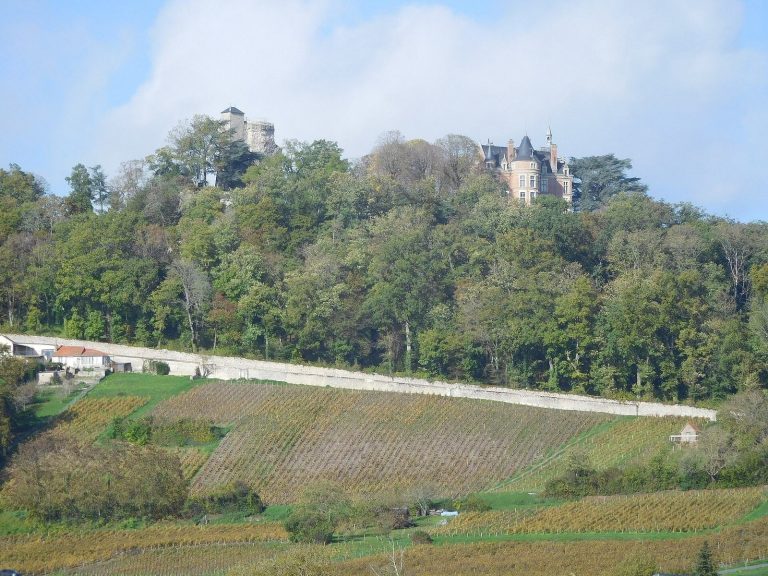
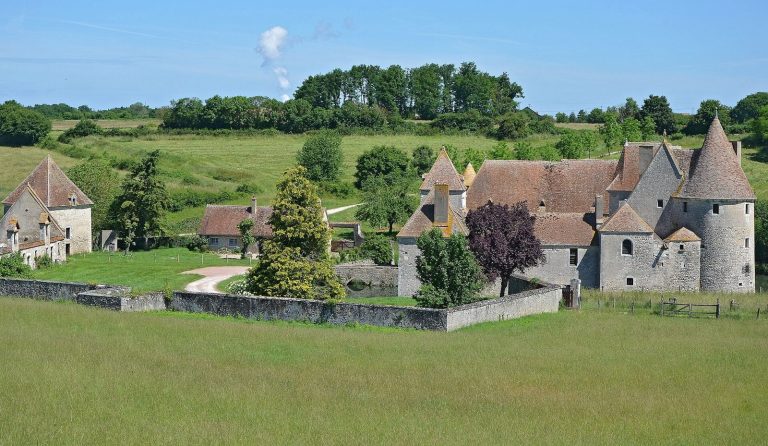
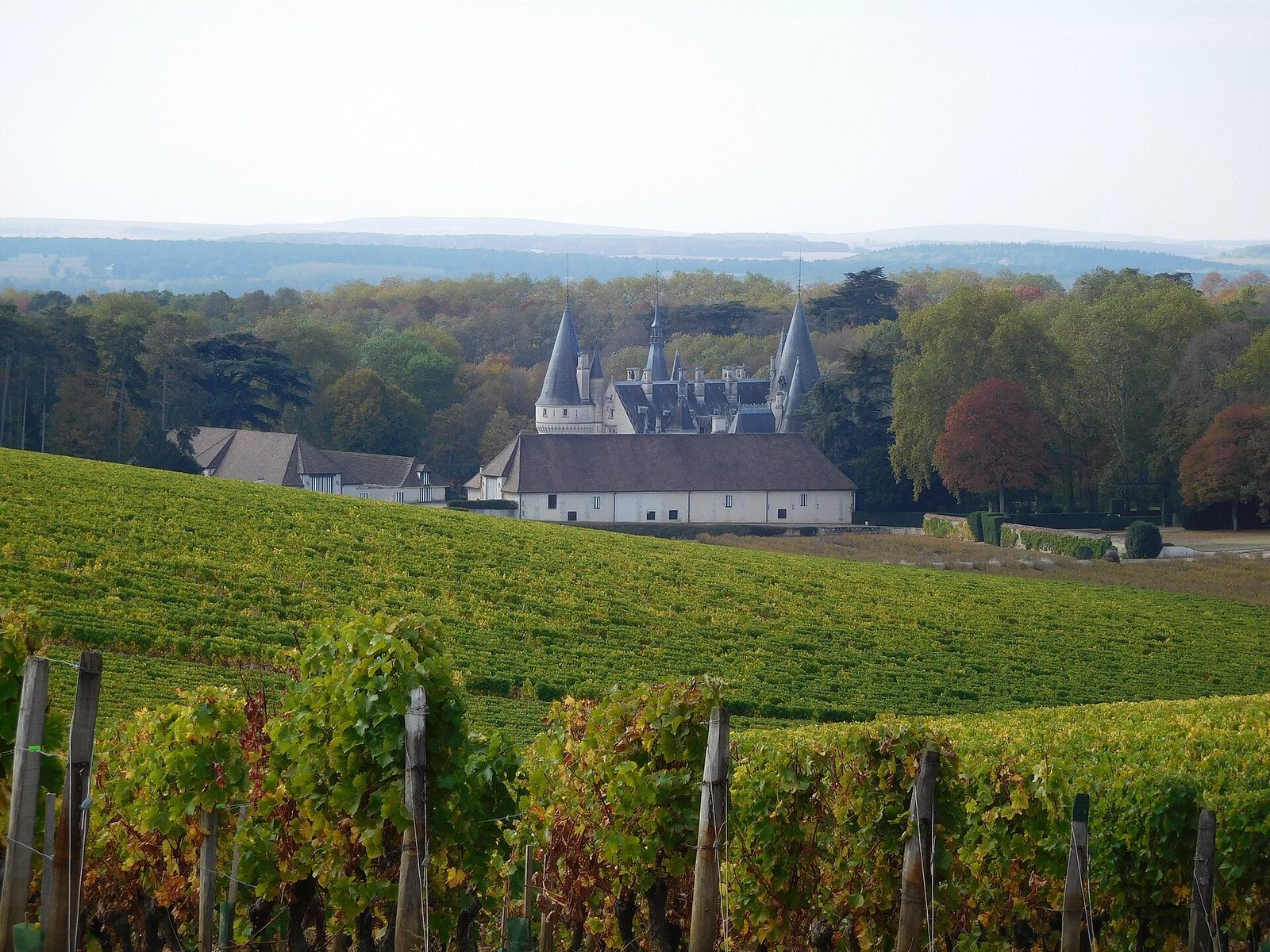
The south and east wings comprise two rectangular residential blocks arranged in an L-shaped plan. An 1839 cadastral plan, an official map of property parcels and boundaries, shows several buildings across an area about 50 metres long and 40 metres wide. The château stands at the head of a small valley opening directly onto the Loire and is surrounded by vineyards. Its large round northeast and southeast towers have imitation machicolations, projecting features with openings once used for defence, and small conical roofs. At the centre of the park-facing façade, a tower with beveled corners rises to a spire and lantern, a small raised roof structure. A turret projects from the southwest wall on a moulded support; three others stand two on the west side and one at an inside corner.
Vineyards and production
The estate has about 1,000 hectares of vineyards and produces more than 50,000 hectolitres of wine annually, with each hectolitre equal to 100 litres. The permitted planting density is 6,600 vines per hectare. The soils include clay, marl, limestone, and flint, which is associated with a smoky aroma in the wines. A 165-hectare area produces Loire wines, including Baron de L., made only in top vintages.