Sonnino Castle: A Neo-Medieval Residence near Livorno
Site at a Glance
- Popularity
- High
- Country
- Italy
- Primary era
- Early Modern
- Eras represented
- Early Modern, Modern
- Civilizations
- Italian
- Site type
- Domestic
- Remains
- Castle
On this page8 sections
History
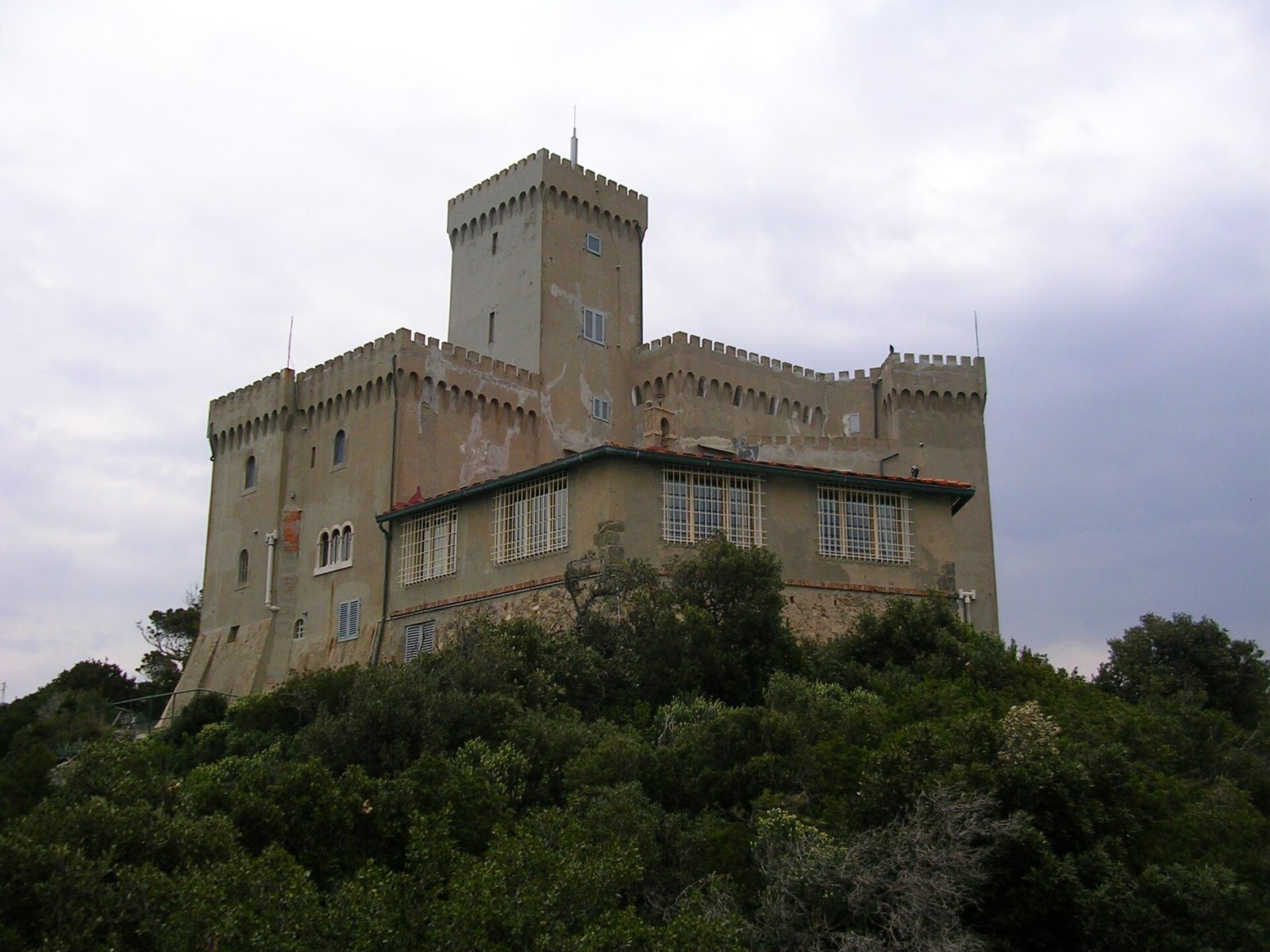
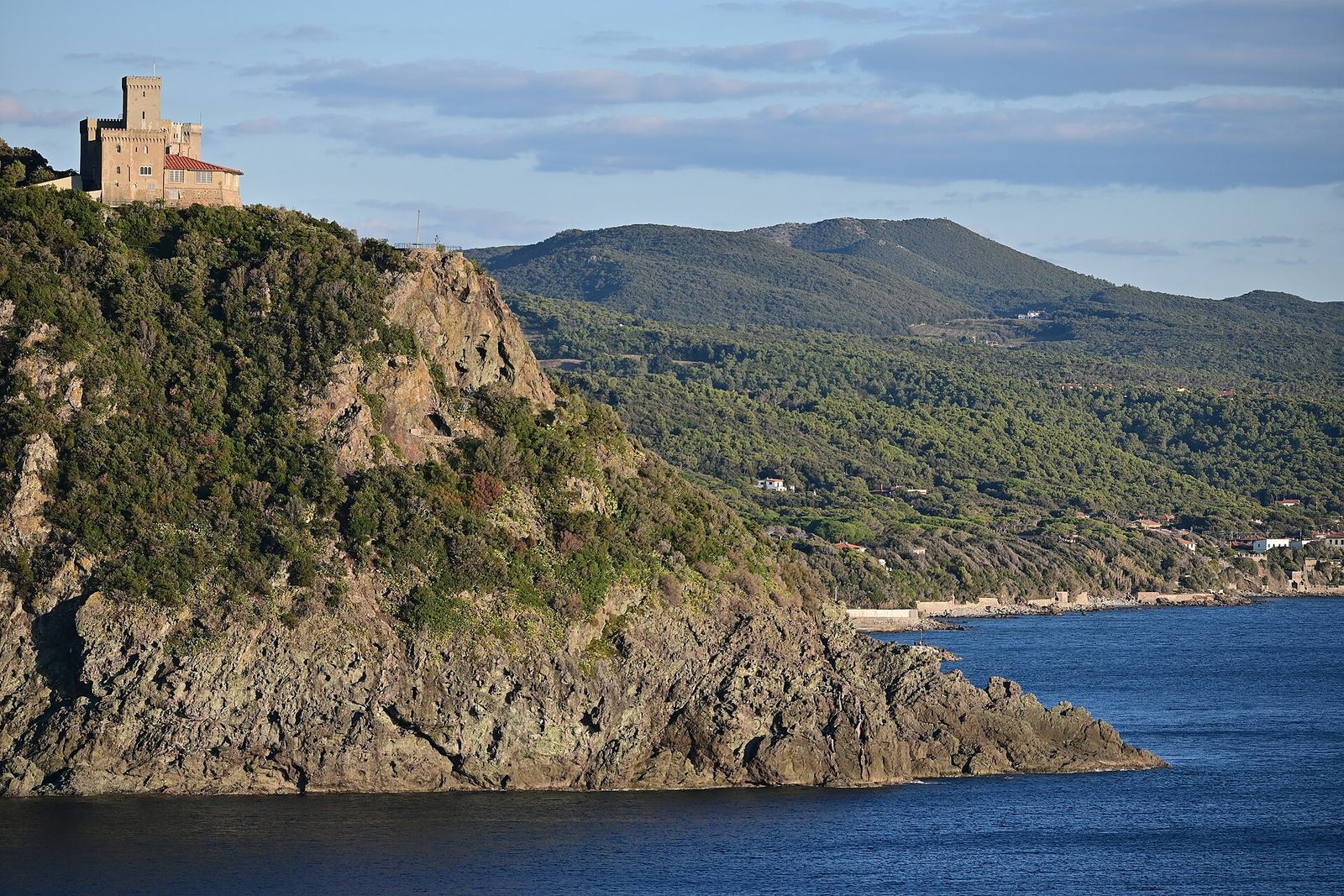
Sonnino Castle is a residence on a sea-facing promontory near Quercianella, in Italy’s Romito area, a few kilometers from Livorno. In the late nineteenth century, Baron Sidney Sonnino enlarged and raised an existing fortification to create a home in a neo-medieval style, a later revival of medieval forms.
The Earlier Coastal Defenses
A sixteenth-century fortification built by the Medici occupied the site and formed part of a coastal defense system. The Medici were a Florentine ruling family whose members governed Tuscany and sponsored fortifications in the region. Their structure stood over an earlier fortification of remote origin.
Sonnino’s Residence
Sonnino, a prominent Italian statesman, was deeply attached to the residence and drawn to the coast’s rugged solitude and beauty. An external chapel was added in 1895. He wished to be buried at the site, and after his death in 1922 his remains were interred near the fortification.
Remains
Fortification and Residence
The complex stands on a promontory overlooking the sea. The earlier fortification, once known as Torre San Salvatore, had a square tower at its core and an artillery platform in front. The platform remains recognizable and is now used as a large reception hall. The residence has closely spaced small battlements that give it an imposing appearance when viewed from a distance. Its interior is simple and austere, with a finely carved wooden door in neo-Gothic style, a revival of Gothic forms.
Chapel
Set within the surrounding park, the external chapel has a medieval-inspired facade with a small pointed window divided into two openings. Its rectangular interior ends in an apse, a rounded sanctuary end, and is covered by a series of wooden roof-support frames.
Burial Place
Sonnino’s remains lie in a sarcophagus, or stone coffin, set into a slight recess in the cliff near the fortification. The recess is commonly mistaken for a cave.
Private Marina
The private marina includes a small neo-medieval tower and can accommodate up to ten small boats. The water is shallow, with depths of about 1 to 1.5 meters.