Château de Vauban: A Fortified Residence in France
Site at a Glance
- Popularity
- Medium
- Country
- France
- Primary era
- Medieval
- Eras represented
- Medieval, Early Modern
- Civilizations
- French
- Site type
- Military
- Remains
- Castle
On this page8 sections
History
Origins and medieval holdings
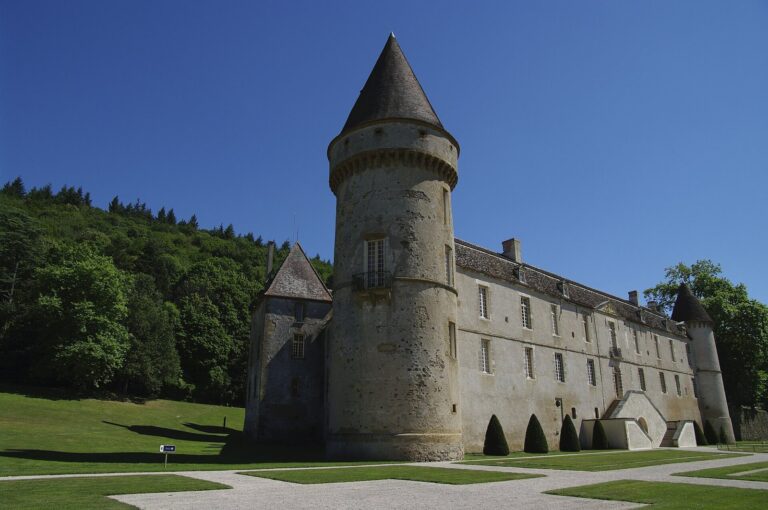
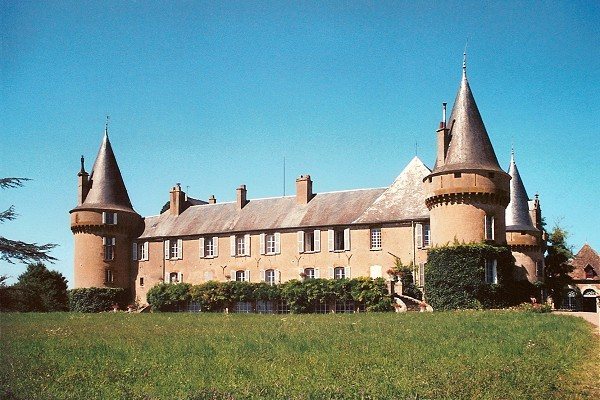
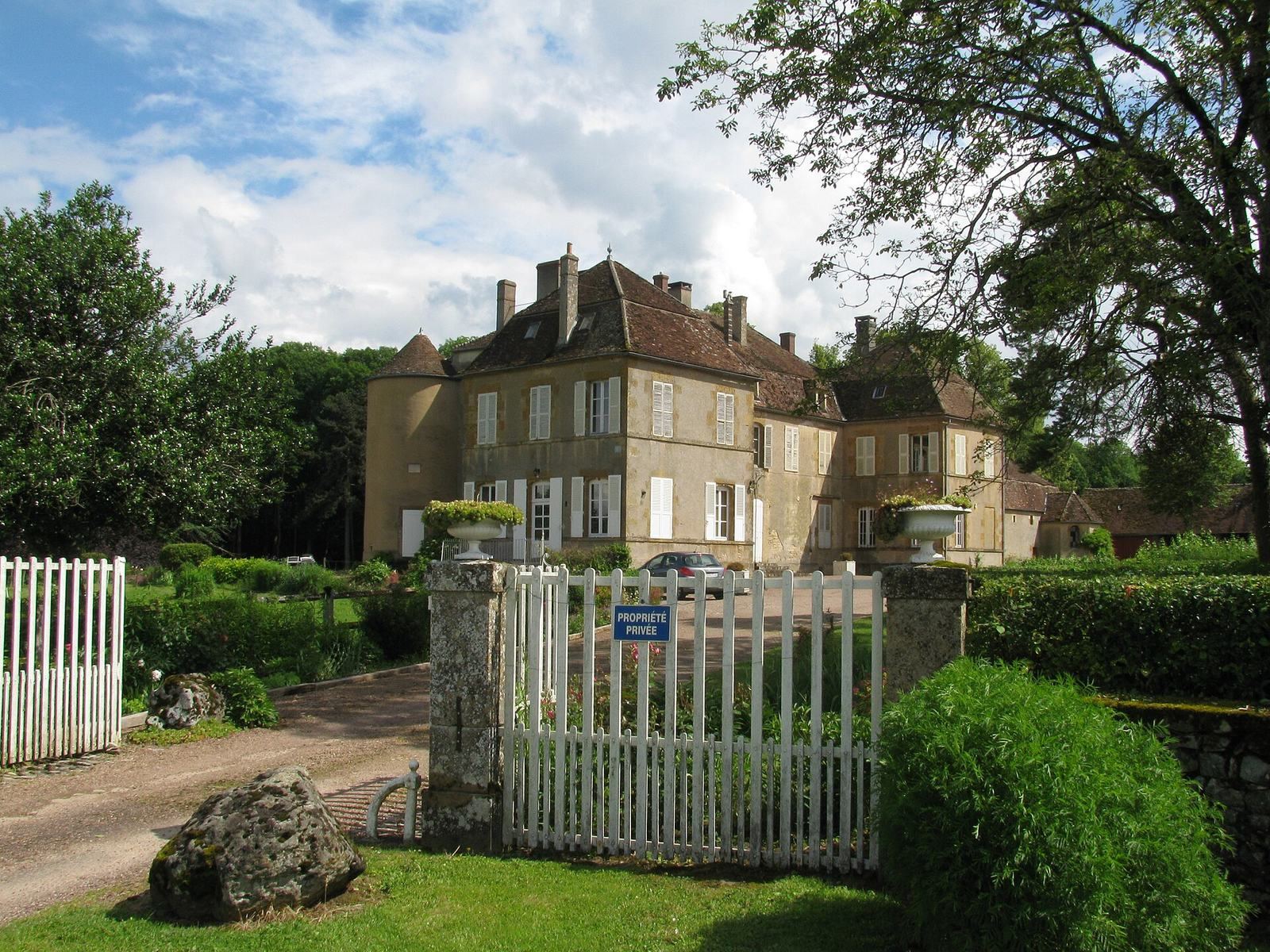
Château de Vauban is a fortified residence in the hamlet of Vauban, within Bazoches, France. Construction began in the 12th century to watch the road between Vézelay and Lormes, with further building associated with the 16th, 17th and 18th centuries. Sallenay was its initial proprietor, and Jean de Saillenay was also among its 12th-century lords. In the 13th century, Jean held the two landholdings of Champignolle Haut and Champignolle Bas; in 1284, one was sold to Jean de Bazoches.
Champignolle and the land of Vauban
From 1403 to 1486, the estate belonged to the House of Champignolle, a noble family, and Guillaume de Champignolle was its lord. Jean de Chastellux later seized it after an obligation went unmet. In 1525, Champignolle Haut was divided, and one portion became the land of Vauban, while Champignolle Bas remained separate. Charles de Champignolle owned the Vauban holding in 1533. The estate also gained the land of Epiry through the inheritance of Jeanne d’Osnay, whose name was also rendered d’Aunay.
The Le Prestre family
In 1548, Emery Le Prestre, a squire and administrator of Bazoches castle, bought the Vauban holding, including its land and attached feudal rights and lordly privileges. He adopted the name Le Prestre de Vauban in 1558, and the estate passed to his son Jacques. Around 1570, Jacques had two children, Paul I and Urbain, with his first wife, Charlotte Arnault. His second wife, Françoise de La Perrière, had six children with him, and Jacques left the Vauban estate to the eldest of them. Urbain settled at Saint-Léger-de-Fourcherest and married Edmée Cormignolles. Their children included Sébastien, born in 1633, and Charlotte, born in 1638.
Seventeenth-century succession and Vauban
Under a marriage contract dated 3 November 1623, Paul I Le Prestre de Vauban received the residence and its dependencies when he married Urbaine de Roumires, widow of Claude d’Osnay, baron of Epiry and father of Jeanne d’Osnay. Paul I died in 1635 at La Rathière near Rethel. That year, Paul II de Vauban became lord of Vauban and Champignolle. The king appointed him major, a senior officer responsible for a citadel’s command and operation, at Lille’s citadel. Paul II married Anne Guesdin on 15 May 1650, and they had six children.
Antoine de Vauban, a younger child of Paul II, served in the army, became a senior military engineering officer and governed Béthune. He also received the Grand Cross of the Royal and Military Order of Saint Louis, a French royal distinction for military service. In 1684, Sébastien Le Prestre de Vauban bought the land of Vauban from Antoine for 4,700 livres. Sébastien, a military engineer and Marshal of France, a senior French military dignity, added the land to his Bazoches estate, which he had owned since 1675. Château de Vauban is now a privately owned residence.
Remains
Chapel of Saint Catherine
A chapel dedicated to Saint Catherine was built in 1624. A lead plaque found in its foundations in 1858 attested to the chapel’s construction; the plaque has since been destroyed.
Arms and motto
The arms associated with Vauban feature a blue field with a gold V-shaped band, three trefoil motifs, or three-lobed leaf forms, and a silver crescent near the top. The design also includes a marshal’s baton crossed diagonally, the cross of the Order of the Holy Spirit, a French order of chivalry, and a marquis’s crown. Its motto, Bellicae virtutis praemium, means “Deeds of arms are the reward of courage.”