Palazzo Cybo-Malaspina: A Historic Palace and Academy in Italy
Site at a Glance
- Popularity
- Medium
- Country
- Italy
- Primary era
- Early Modern
- Eras represented
- Medieval, Early Modern
- Civilizations
- Holy Roman Empire, Lombard
- Site type
- Domestic
- Remains
- Palace
On this page11 sections
History
Castle and Malaspina rule
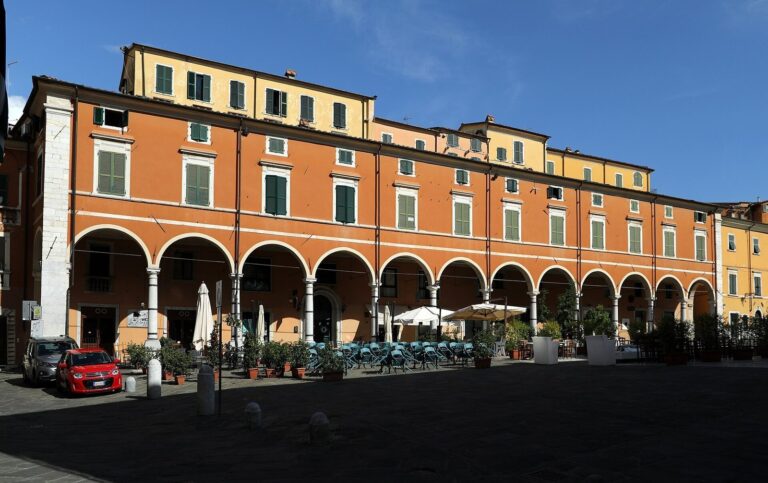
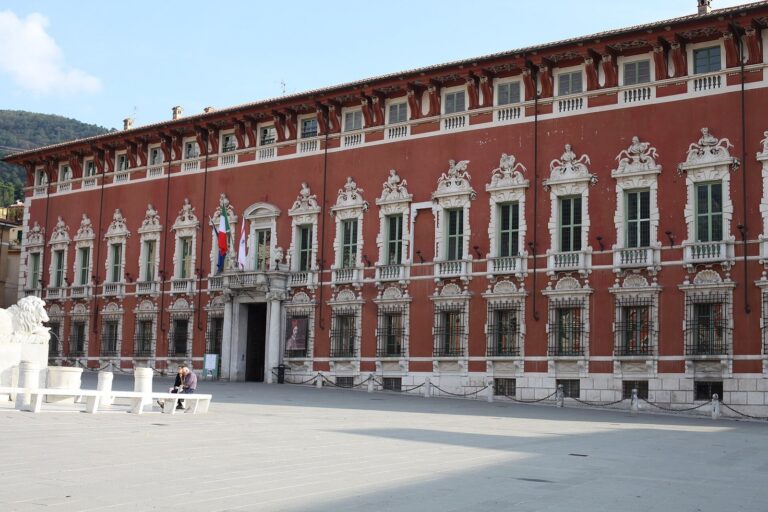
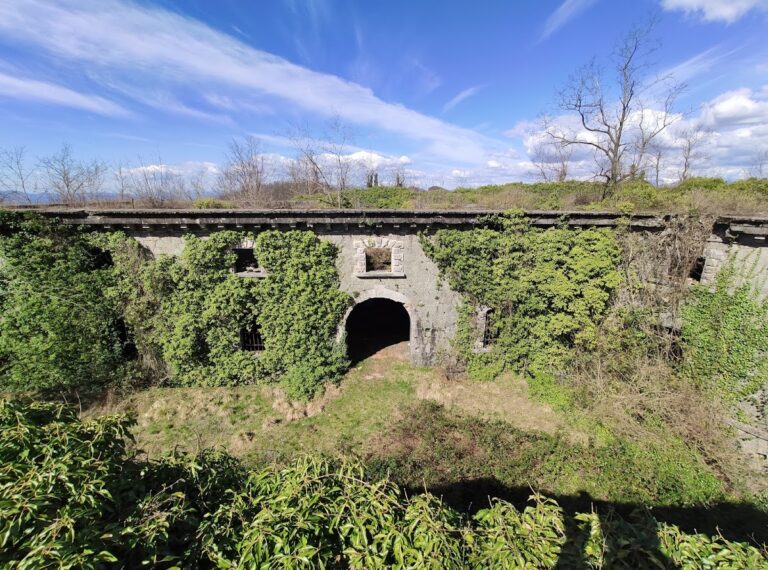
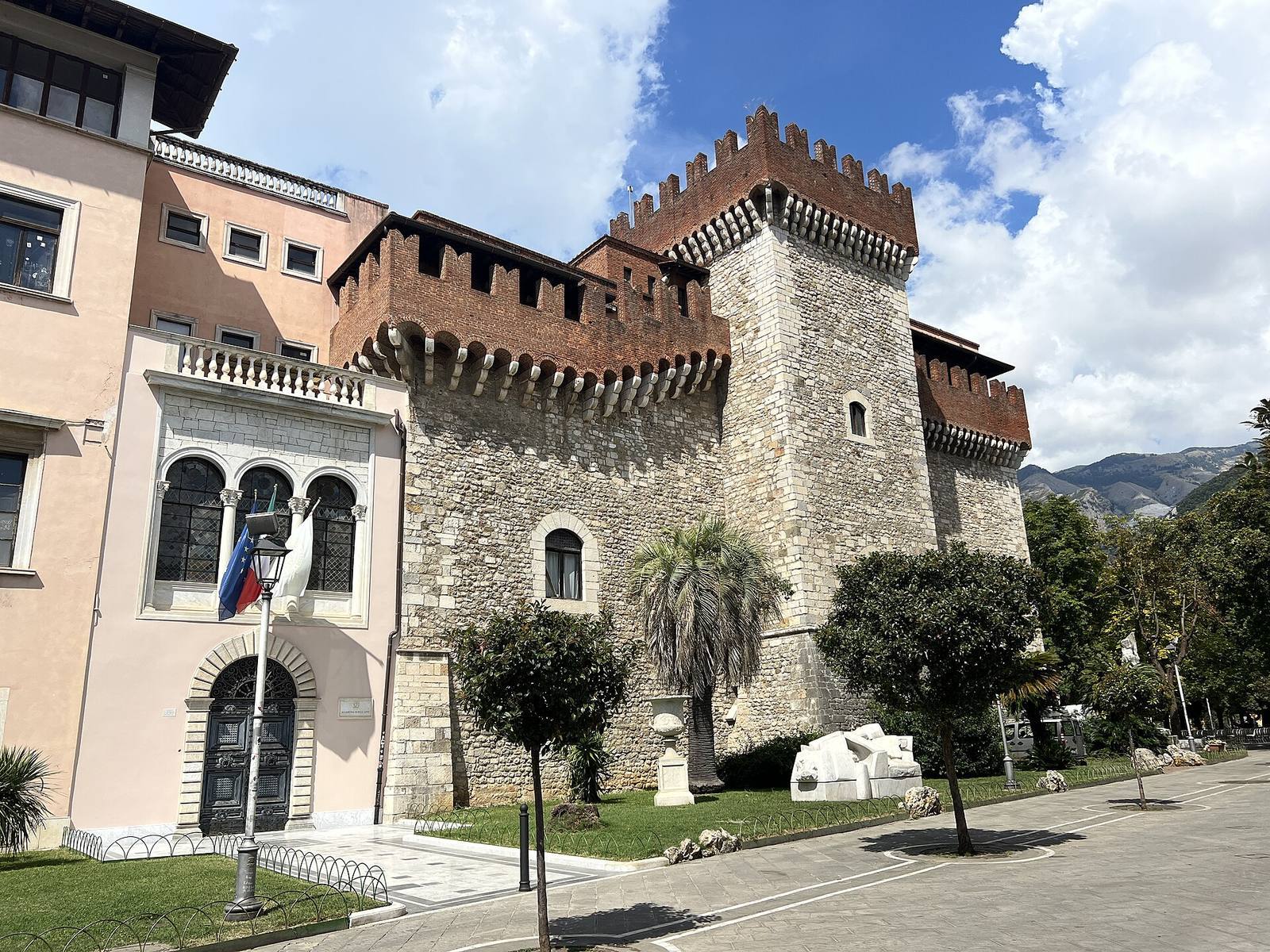
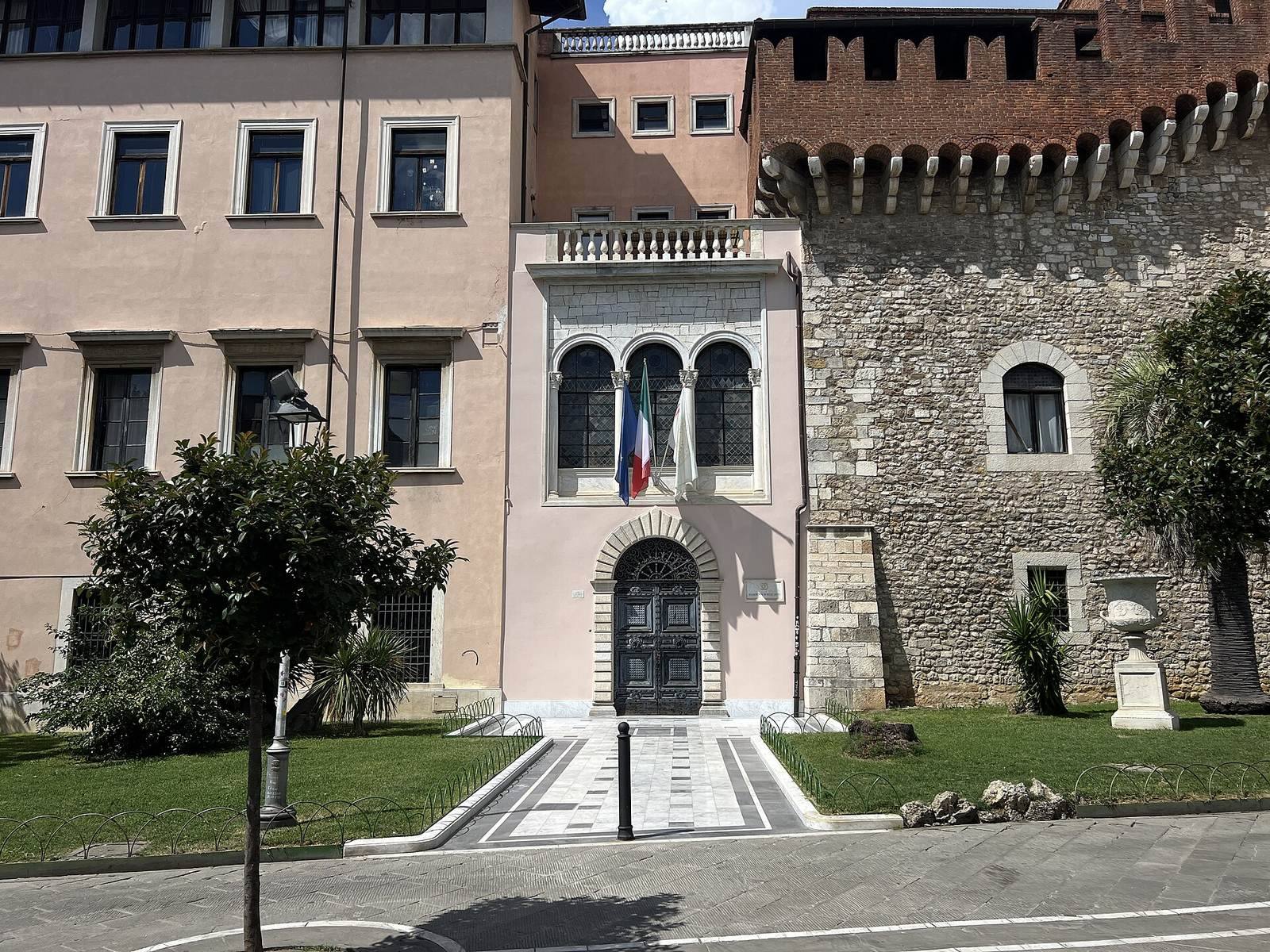
Palazzo Cybo-Malaspina is a palace complex in Italy that developed from a thirteenth-century castle into a Renaissance palace, begun in the late sixteenth century. It was built over fortifications from the Lombard period, when a Germanic people ruled a kingdom in Italy from the sixth to the eighth centuries. The building’s history is associated with Guglielmo Malaspina, a member of the Malaspina noble family.
In 1448, the complex became the Malaspina dynasty’s permanent residence. It was also used by the Malaspina Lordship of Massa, a territory governed by a lord, and the Duchy of Massa and Carrara, a territory governed by a duke.
Renaissance palace and later uses
Alberico I, a nobleman of the Cybo-Malaspina dynasty, began the Renaissance palace in the late sixteenth century. The Renaissance was a European cultural period spanning roughly the fourteenth to sixteenth centuries.
After the Malaspina family fell from power and Carrara underwent successive occupations, many of the palace’s artworks were looted. The tower was put to various uses. Today, the complex is the central seat of the Academy of Fine Arts of Carrara, an institution for art education.
Remains
Layout and construction
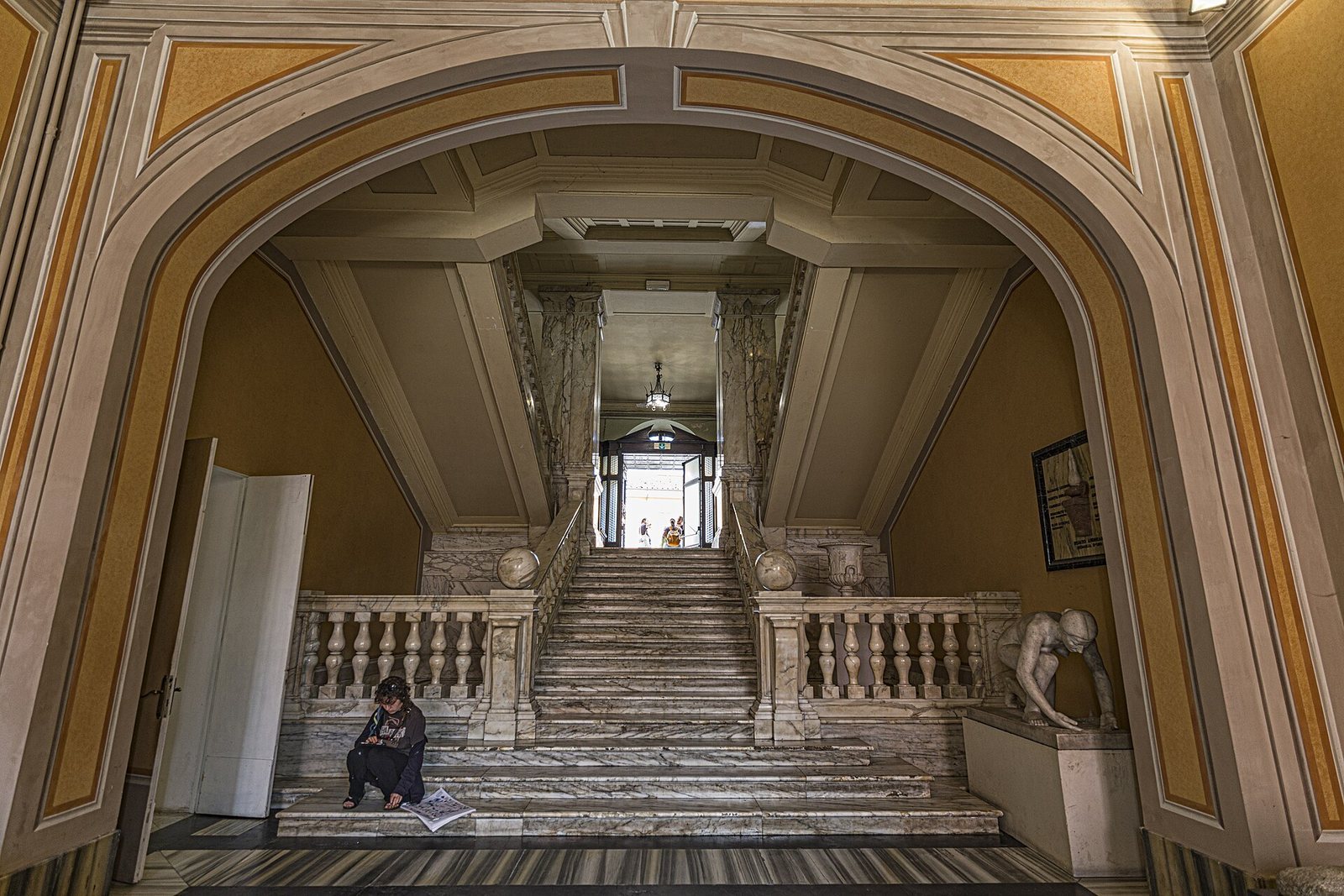
The complex has two distinct cores, the Malaspina castle and the Renaissance palace. It is in good condition, and its surviving spaces preserve collections, archives, and artworks.
Rooms and collections
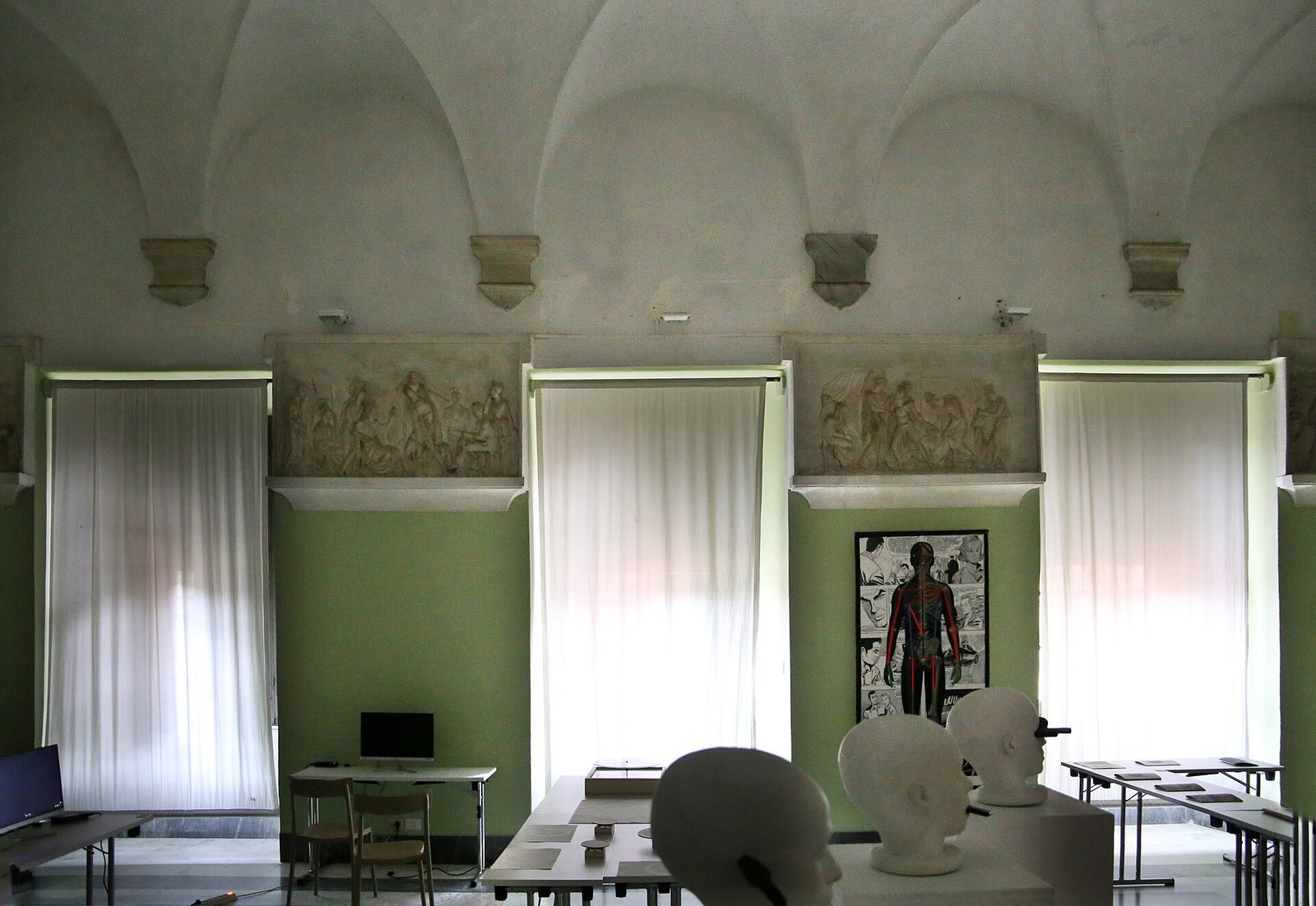
Hall of Columns
The Hall of Columns houses the Academy’s library, which holds two original editions of the Encyclopédie, a major French reference work of the Enlightenment.
Hall of the Nobles
The Hall of the Nobles contains the most complete national collection of marble specimens in existence.
Prince’s private apartments
The prince’s private apartments hold local antiquarian archives, the Lunigiana bibliographic collection of the counts Del Medico, the Zaccagna archive, and the Apuan periodicals collection.
Art collections
The palace’s art holdings include a painting gallery, a sculpture collection with works by Academy masters Pietro Tenerani and Arturo Dazzi, and a collection of plaster casts. The casts include works by Bertel Thorvaldsen, Antonio Canova, Tenerani, Dazzi, Carlo Finelli, and Fontana, as well as copies of casts from the Vatican collection held at the Louvre.
Works beneath the medieval gallery
Roman, medieval, and Renaissance works are displayed beneath the medieval loggia, a covered gallery open along one or more sides. Among the Roman works is the votive aedicule of Fantiscritti, a small shrine-like structure.