Nostra Signora del Mirteto: A Marian Sanctuary in Ortonovo, Italy
Site at a Glance
- Popularity
- Low
- Country
- Italy
- Primary era
- Early Modern
- Eras represented
- Medieval, Early Modern
- Civilizations
- Genoese
- Site type
- Religious
- Remains
- Sanctuary
On this page10 sections
History
Early chapel and construction
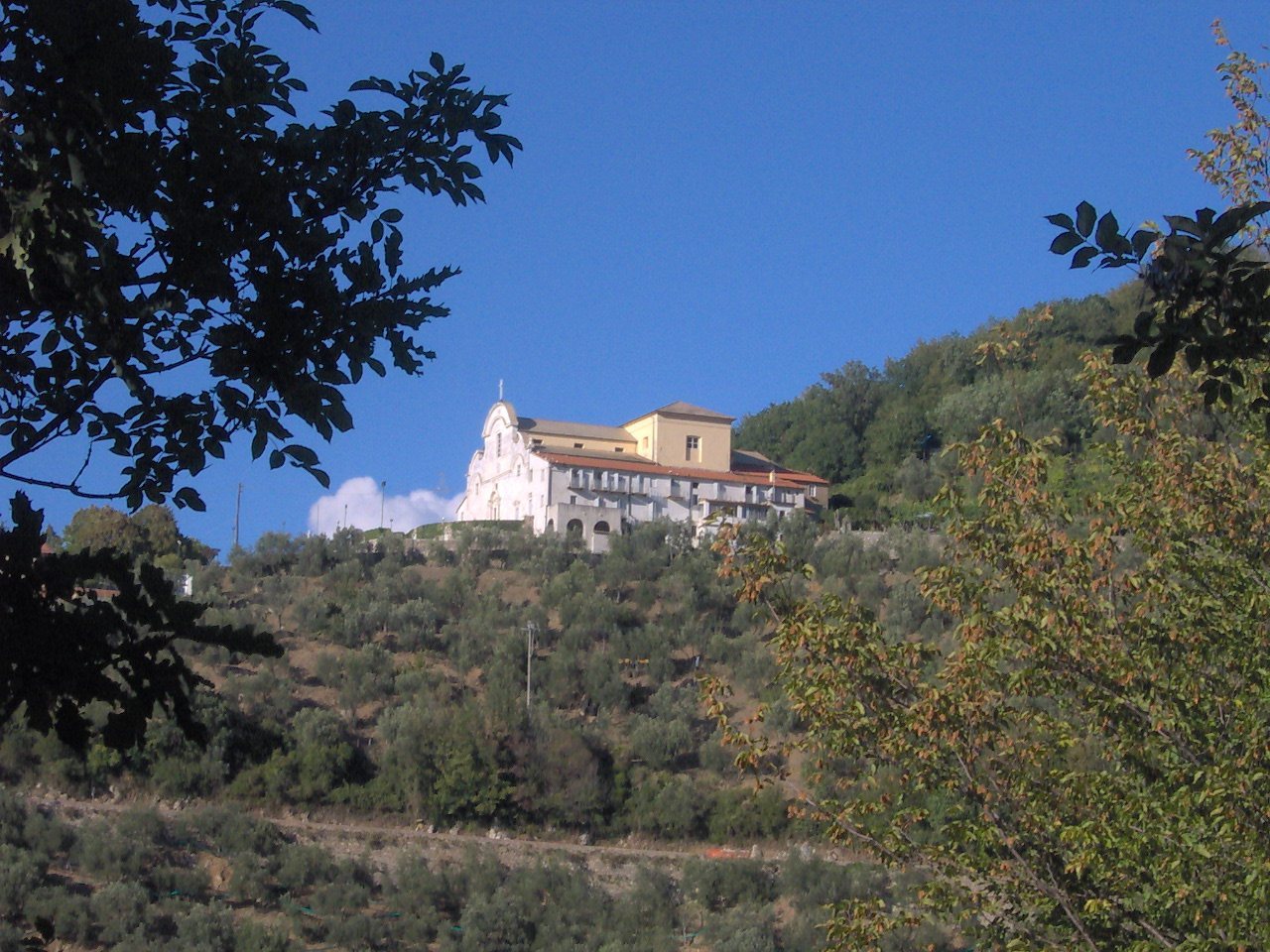
Nostra Signora del Mirteto is a 16th-century Roman Catholic sanctuary dedicated to Mary in Ortonovo, Italy. It remains a place of worship within the Diocese of La Spezia-Sarzana-Brugnato. Before the sanctuary was built, a chapel stood near Monte Boscaccio, south of Ortonovo’s historic center. Dedicated to Saint Mary of Mortineto, it was served by the Disciplinants, members of a lay religious confraternity associated with penitential practices.
In 1537, an event regarded as miraculous prompted plans for a larger building to receive the expected pilgrims. A painting of the Madonna at the foot of Jesus’ cross was said to have shed bloody tears. Construction began in 1540, and the sanctuary was completed and consecrated in 1566.
Dominican administration and Napoleonic rule
In 1584, the Dominicans, members of the Catholic Order of Preachers, replaced the confraternity’s priors and took responsibility for the property. During their administration, the sanctuary was enlarged and decorated. Their tenure ended in 1800, when the order was expelled from both the sanctuary and Ortonovo during French domination under Napoleon Bonaparte. A few people were left to manage the building.
During French rule, the earlier name Mortineto became Mirteto, perhaps through a transcription error as the name passed from Italian into French. After Napoleon’s fall, the sanctuary was abandoned and remained closed even after the unified Kingdom of Italy was established in 1861.
Reopening and later custodians
In 1888, a decree by Giacinto Rossi, bishop of Luni-Sarzana and Brugnato, returned the sanctuary to Dominican care. The Dominicans repaired and restored premises damaged through neglect and worked to reopen the building. The Orionine Fathers, members of a Catholic congregation associated with Luigi Orione, served as custodians from 1933 until September 2003. Since then, the sanctuary has been managed by the Missionary Fraternity of Mary, a Catholic community that originated in Guatemala.
Remains
Interior layout
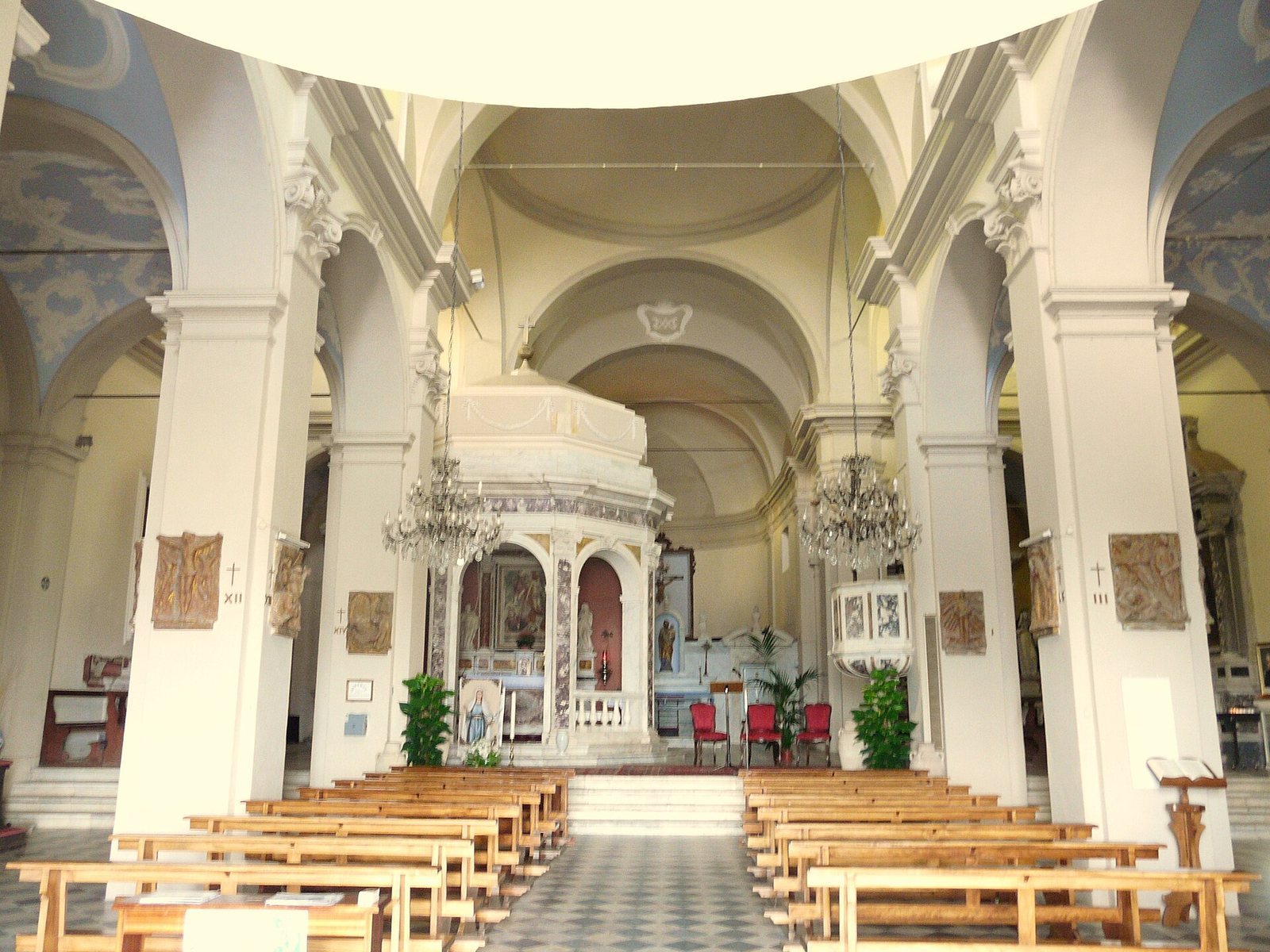
The interior is arranged in three aisles, divided by two rows of Corinthian pillars. This classical style is distinguished by capitals traditionally decorated with acanthus leaves. The pillars support the ceiling vaults and the arches leading into the chapels.
Facade
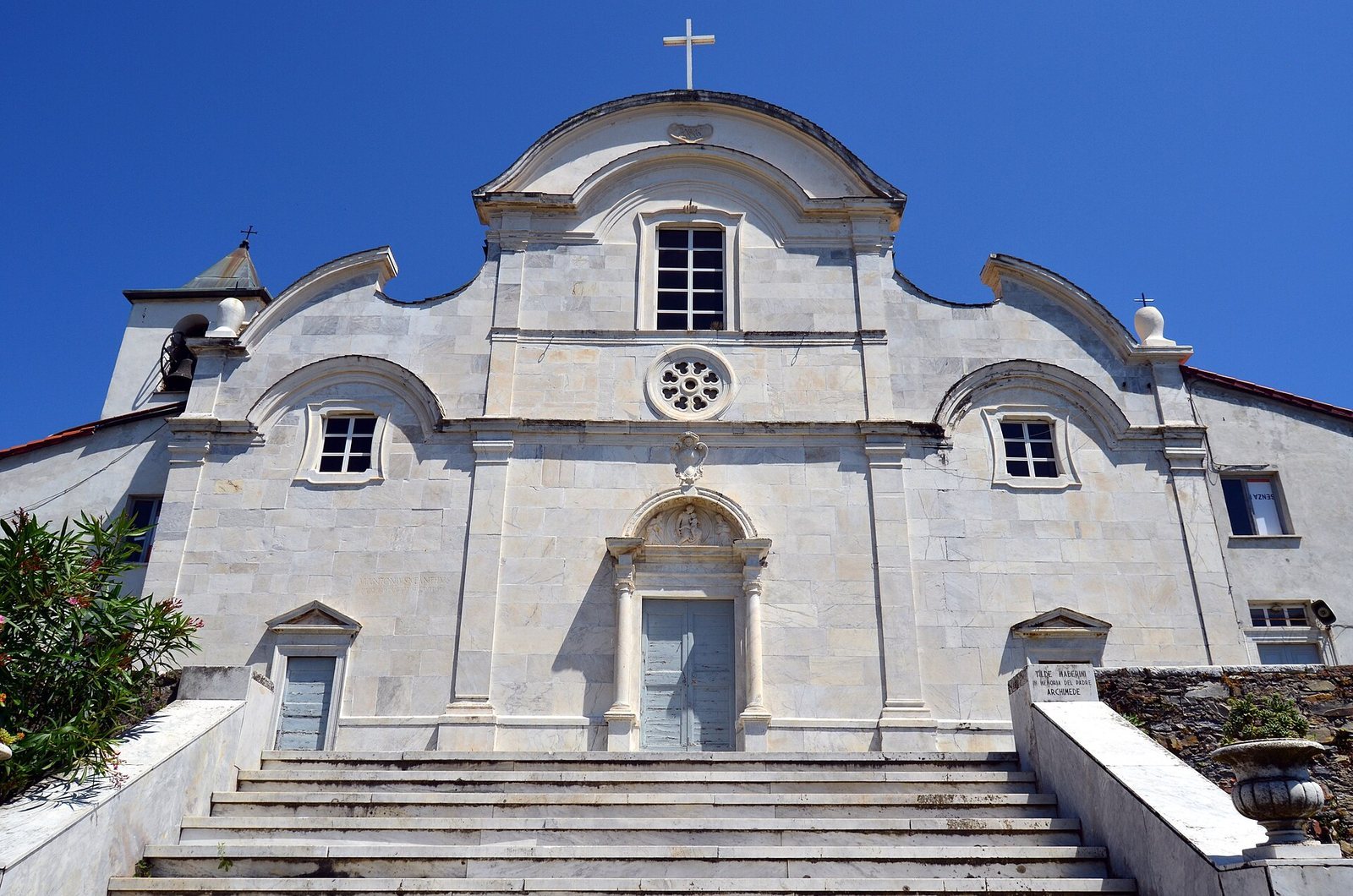
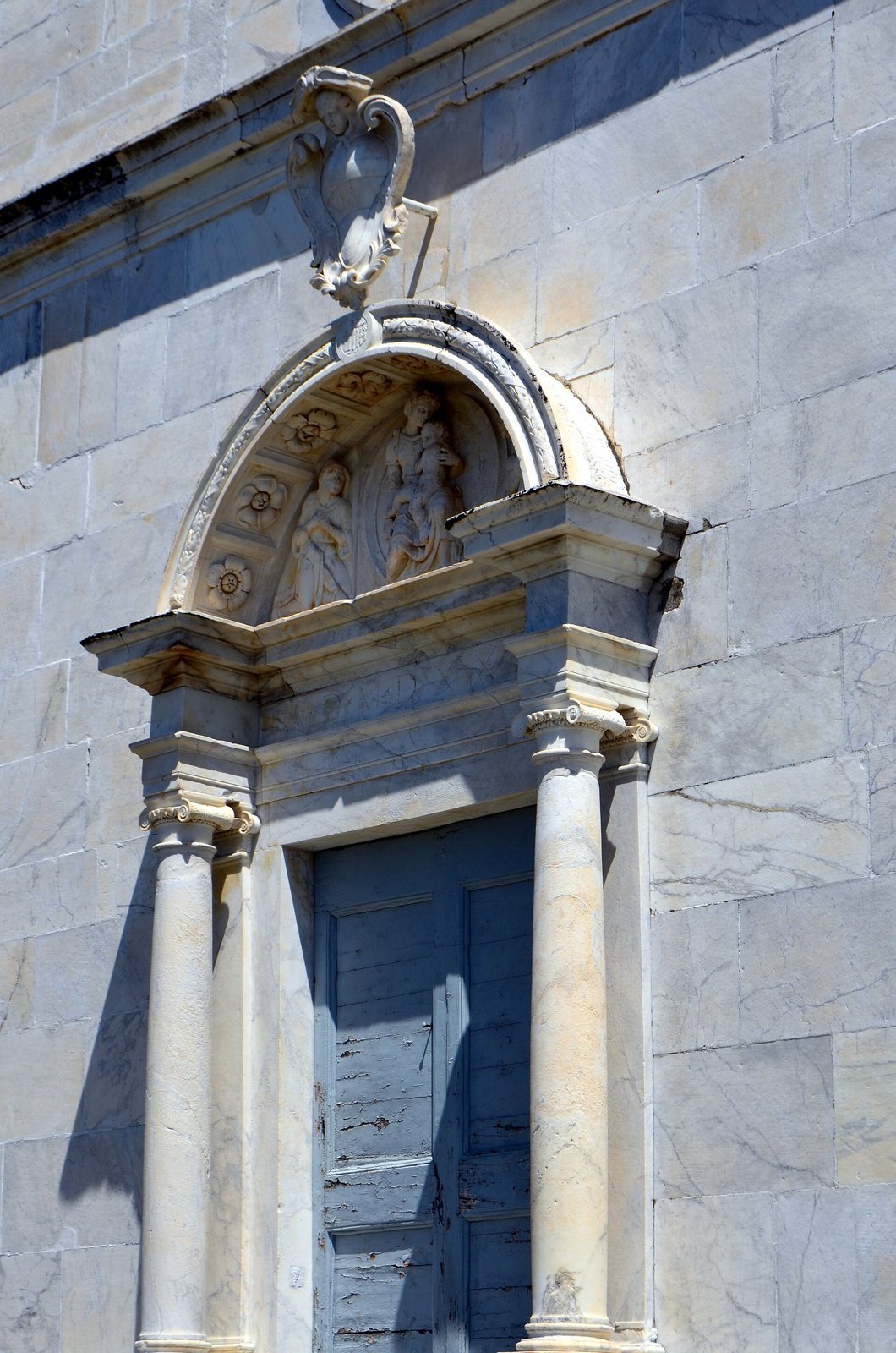
A central rose window on the facade is faced with white Carrara marble. Above the main horizontal band, a curved panel contains a raised sculpture of the Madonna and Child with two devotees. Their clothing suggests they may have belonged to the local confraternity. The relief was once attributed to the young Michelangelo, but is now thought more likely to be the work of an unidentified sculptor from Lucca, perhaps influenced by Michelangelo’s art.
Additions and central shrine
Sacristy and convent
A sacristy and an adjoining convent were added in 1601 as part of the sanctuary’s expansion under Dominican administration.
Choir and central shrine
A new choir was built behind the sacred shrine in 1650. The central shrine includes an octagonal, polychrome-marble tempietto, a small temple-like structure, made in 1796 by Scalabrini of Carrara. It contains a painting of the Deposition from the Cross.