Dobříš Castle: A Royal Residence and Rococo Palace in Czechia
Site at a Glance
- Popularity
- High
- Country
- Czechia
- Primary era
- Early Modern
- Eras represented
- Early Modern
- Civilizations
- Habsburg, Habsburg Austria, Holy Roman Empire, Kingdom of Bohemia
- Site type
- Domestic
- Remains
- Castle
On this page7 sections
History
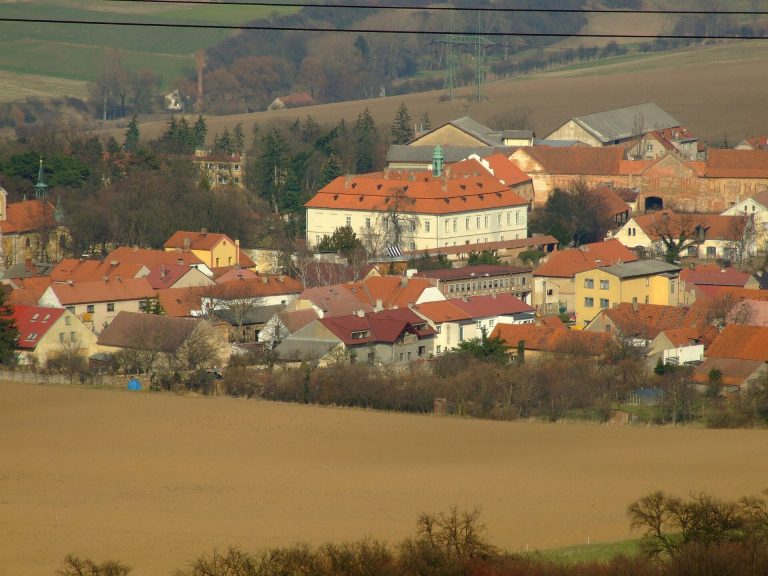
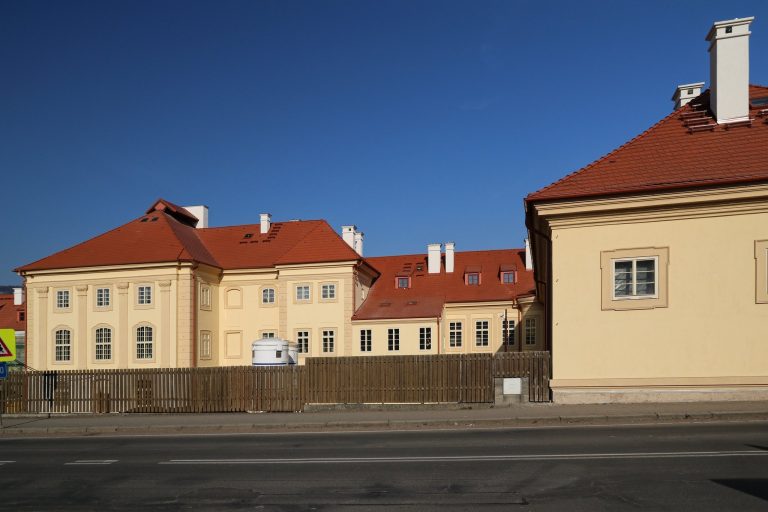
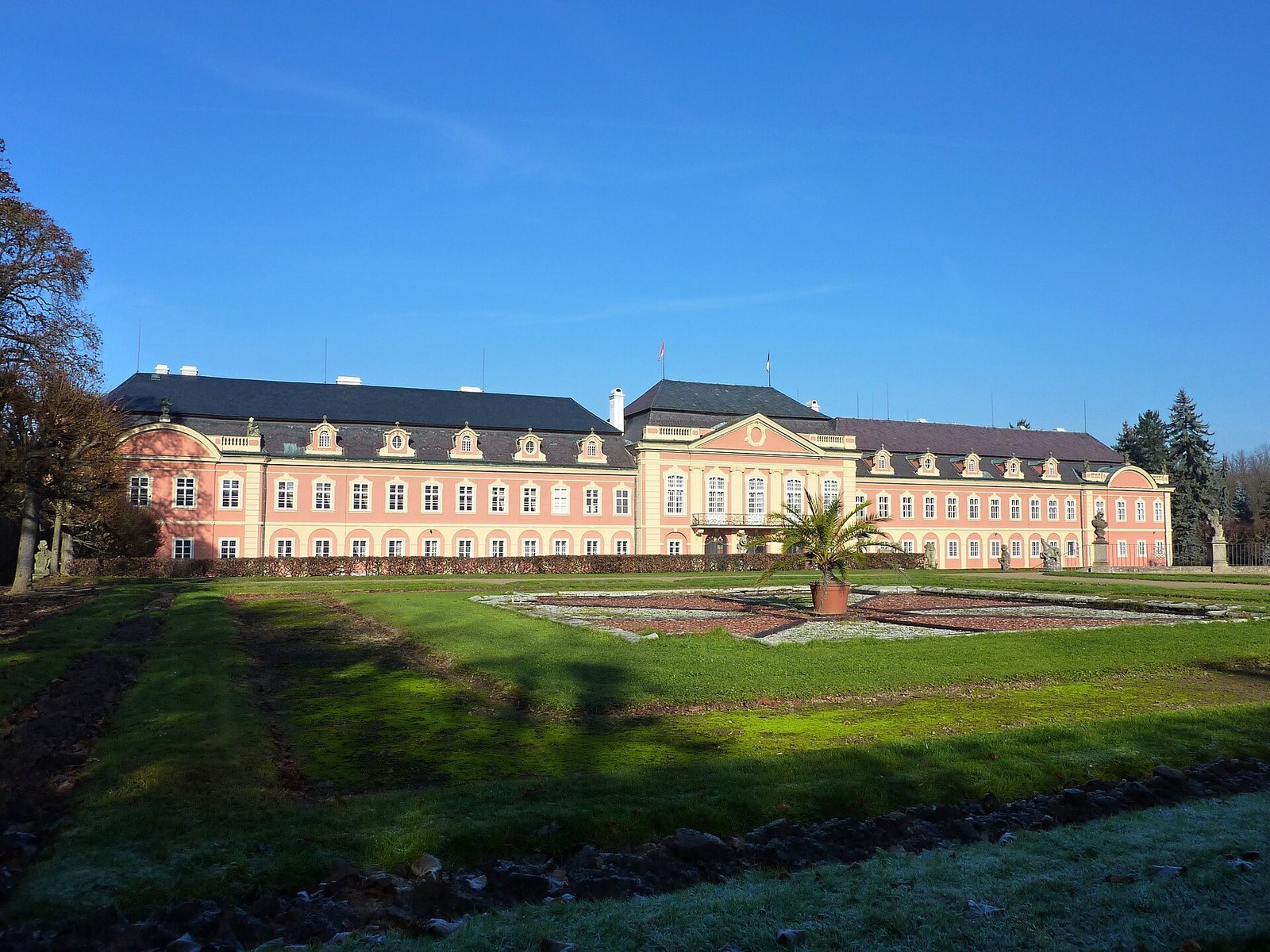
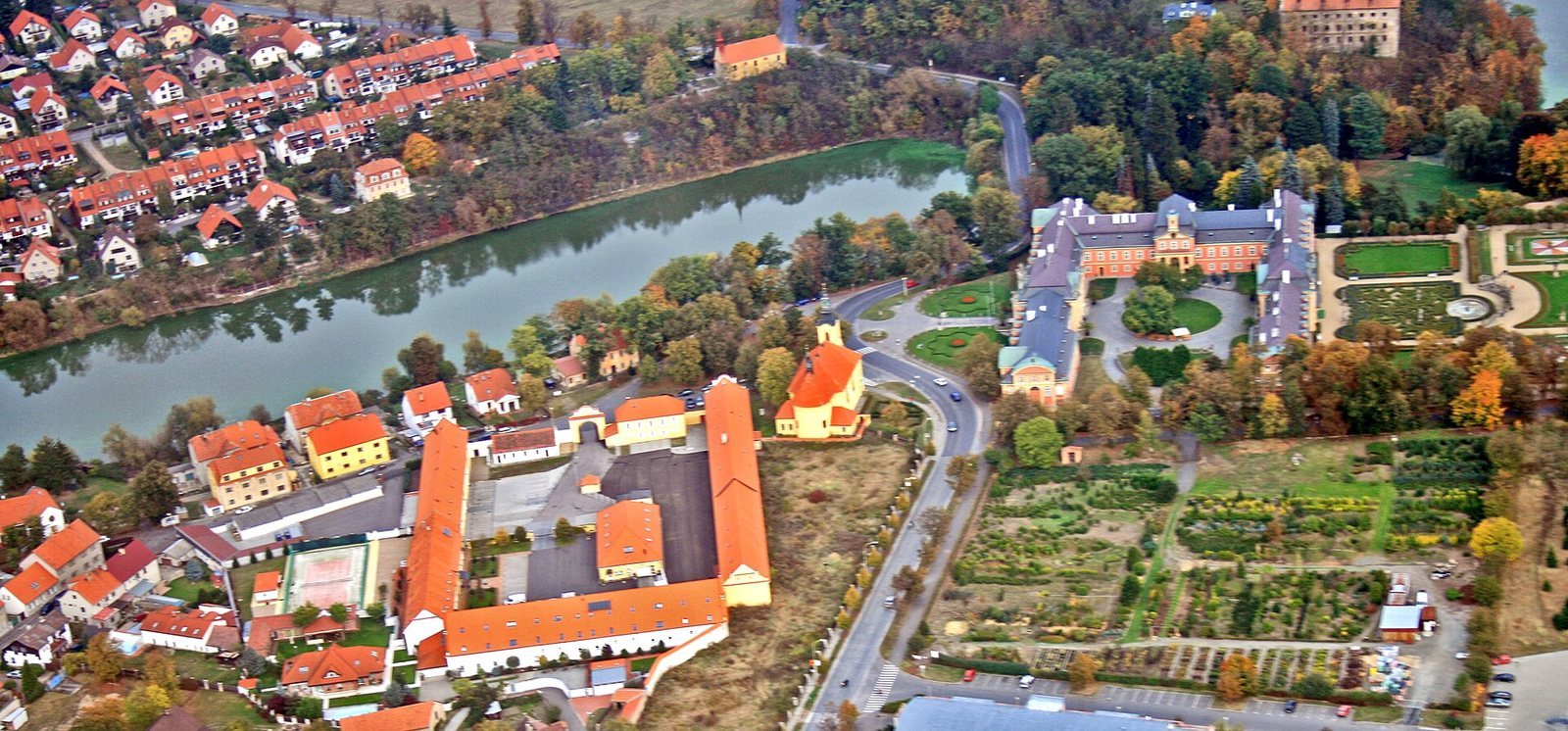
Dobříš Castle stands in eastern Dobříš, Czechia, about 20 km southwest of Prague. Its present appearance dates to 1745–1765 and reflects French Baroque and Rococo design. The castle is first mentioned in 1252, when it served as a royal residence and Wenceslaus I stayed there. Its foundation is dated to the eighteenth century.
Medieval royal and noble ownership
From 1262, the castle belonged to the Rožmberks, a prominent Czech noble family. It later returned to royal ownership under John of Luxembourg, the fourteenth-century ruler of Bohemia, who decided to build a strongly fortified castle. The settlement below the castle grew into a town frequently affected by the Hussite Wars, fifteenth-century religious and political conflicts in Bohemia.
Twentieth-century ownership
Before the Second World War, the castle belonged to the Colloredo-Mansfelds, an Austrian noble family whose members held the titles of count and prince. In 1945, the Czechoslovak state nationalized the property, which then became a Writer’s House. A restitution law led to its return in 1998 to descendants of the Colloredo-Mansfeld family, as private property.
Remains
Palace and grounds
The preserved complex brings together a palace and an adjoining park, with an interior courtyard forming part of the palace plan.
Palace and courtyard
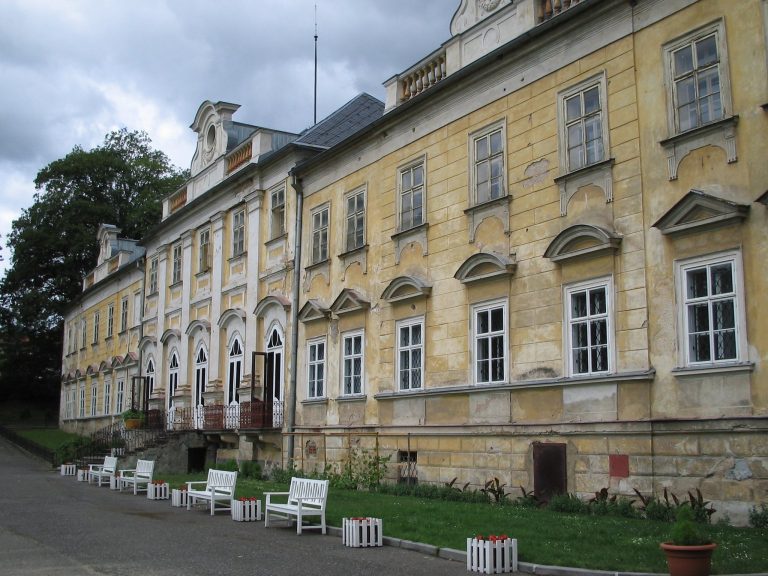
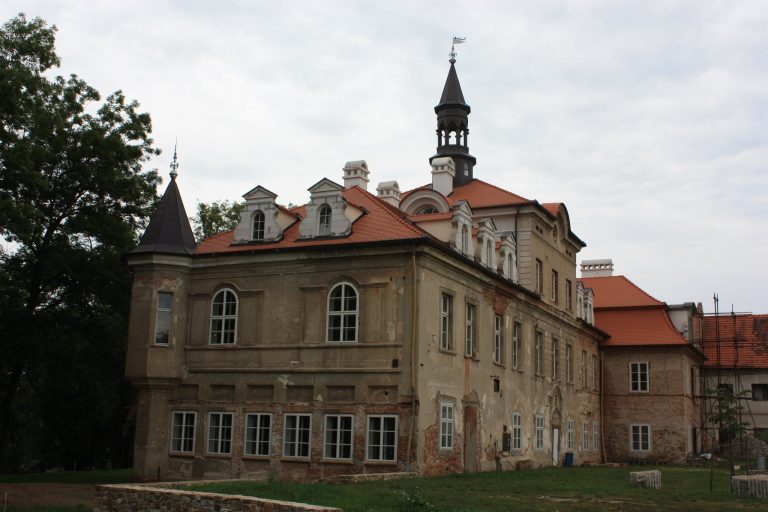
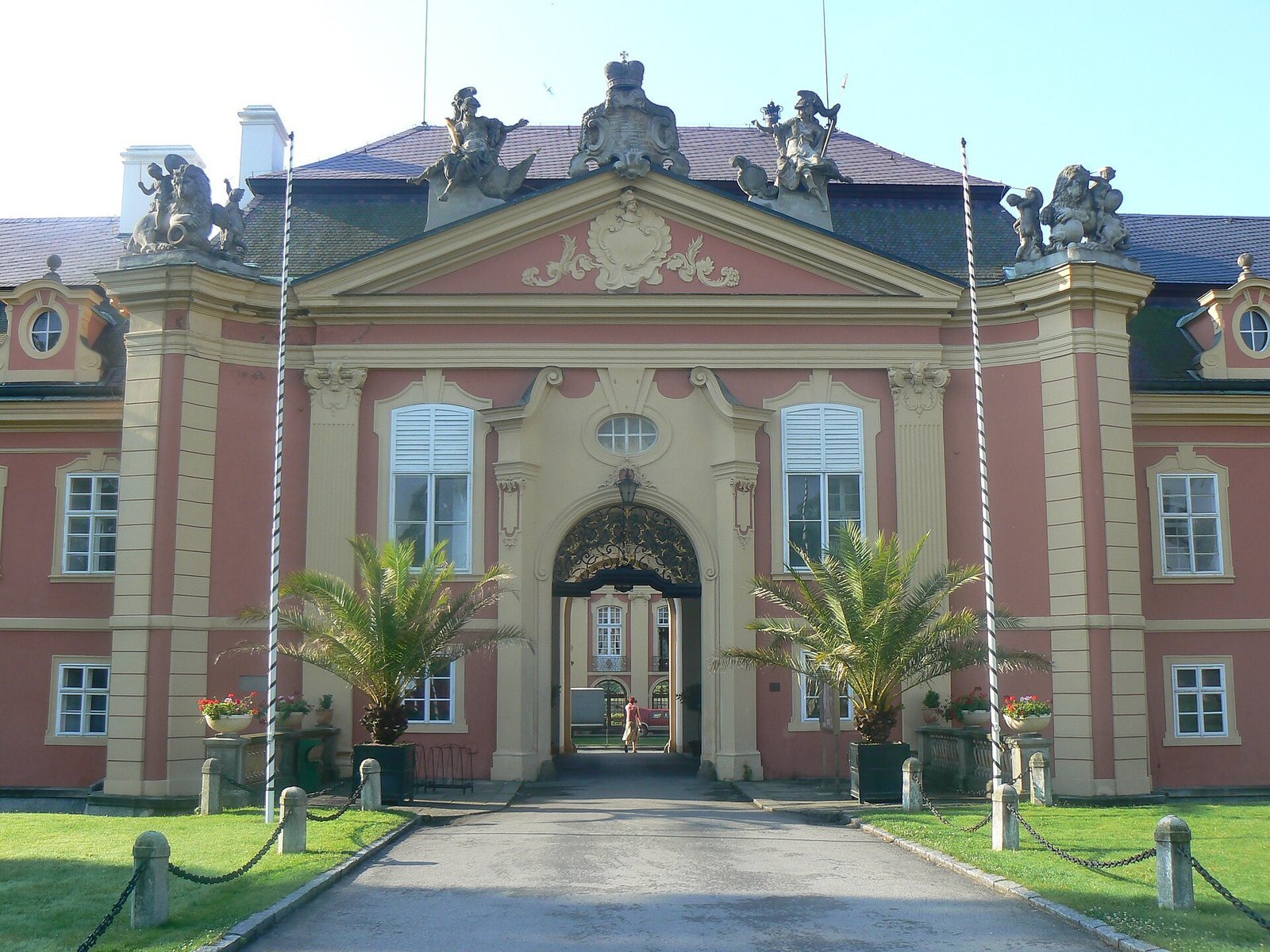
A central entrance leads into the palace courtyard. The exterior has an elaborate, palace-like appearance, with lavish French Baroque façades and refined Rococo ornament. Its design loosely recalls Versailles, the French royal palace. The castle survives with some alterations.
Park
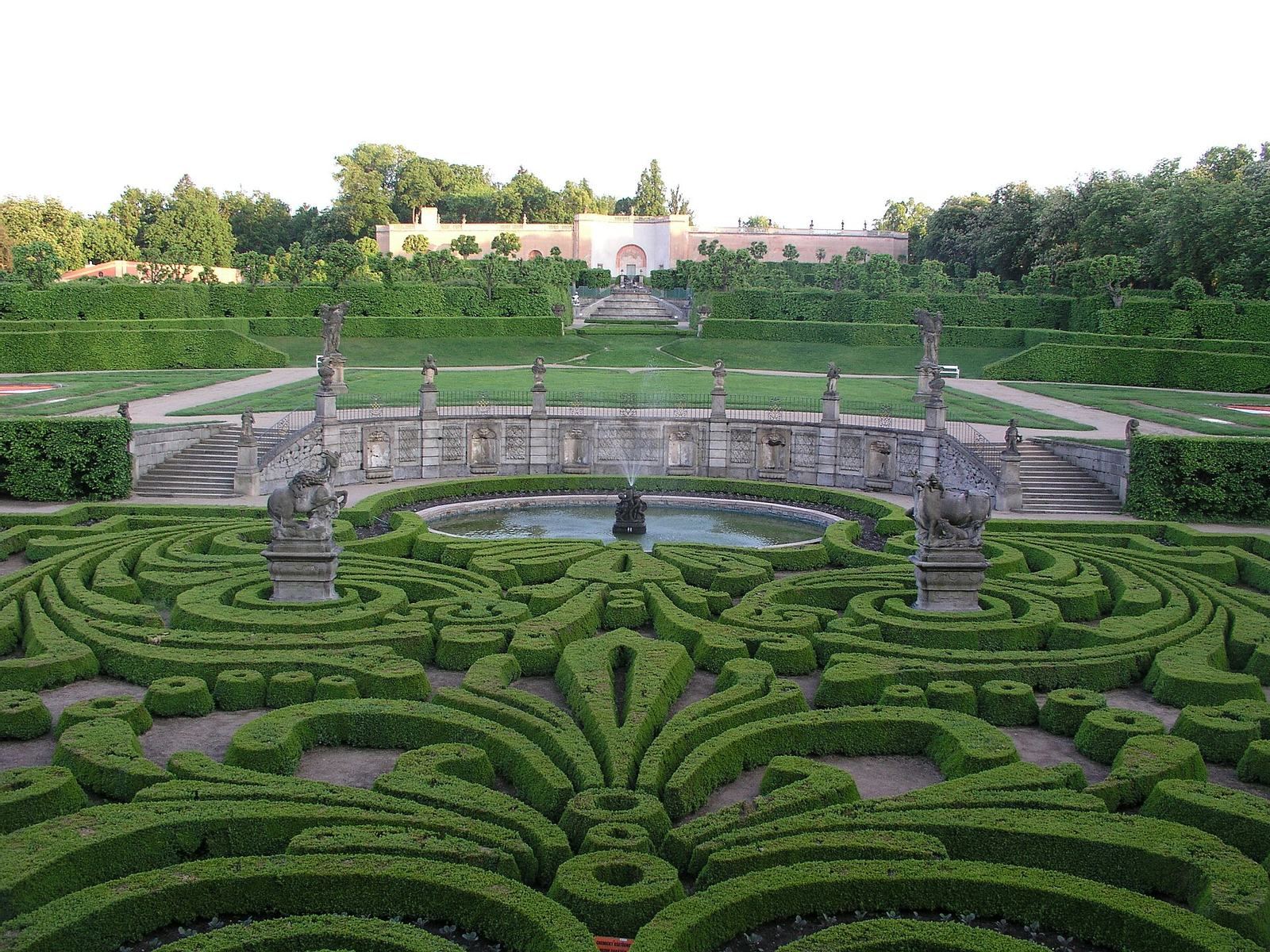
The adjoining park follows a French style and contains statues, a section planted with boxwood, and a fountain.