Gut Roest: A Historic Estate and Manor House near Kappeln
Site at a Glance
- Popularity
- Medium
- Country
- Germany
- Primary era
- Early Modern
- Eras represented
- Early Modern
- Civilizations
- Danish
- Site type
- Domestic
- Remains
- Manor House
On this page5 sections
History
Early estate and Rumohr ownership
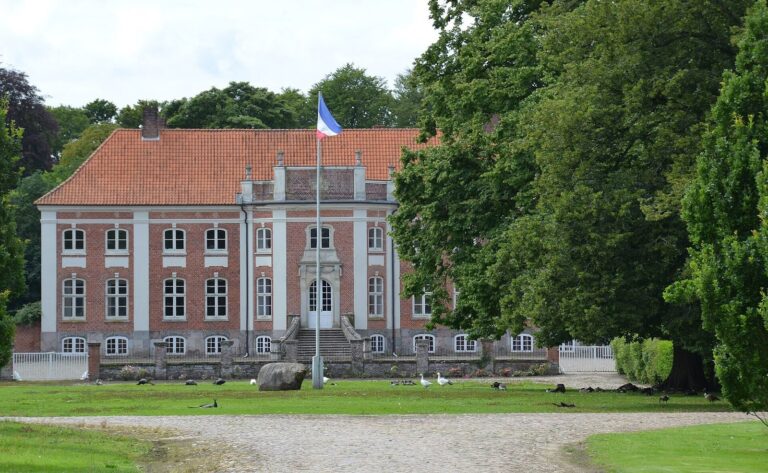
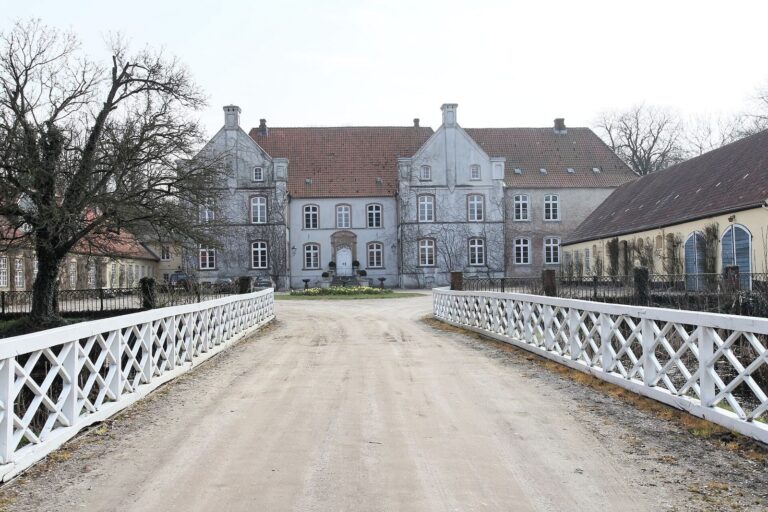
Gut Roest is a historic estate on the western approach to Kappeln in Germany. Its castle was entered in 1231 in the land register of Waldemar II of Denmark, who ruled from 1202 to 1241, as part of Gelting Forest. The estate, in Angeln, a region of Schleswig-Holstein, later passed among families including the Lembecks and Splits.
Schack Rumohr acquired Gut Roest in 1498, and it remained in the Rumohr family until 1797. Schack was killed at the Battle of Hemmingstedt shortly after buying the estate. During the family’s ownership, the manor house was built and enlarged.
Conflict over Kappeln
Detlef von Rumohr took control of the estate in 1667. He later served Denmark as a major general, a senior military rank, and governed Rügen. That same year, he tried to impose serfdom on the citizens of Kappeln, then a town belonging to the estate. Serfdom bound people to an estate and placed them under its lord’s authority. Sixty-four families left and founded Arnis on a peninsula in the Schlei, a long inlet of the Baltic Sea. Arnis is now Germany’s smallest town.
Detlef died at the Battle of Warksow on 8 January 1678. His epitaph is in St Nicholas Church in Kappeln. A local legend about the Dingholz lady’s slipper also recalls serfs living at Gut Roest.
Transfer and later ownership
In 1789, Hans Adolph von Rumohr commissioned St Nicholas Church in Kappeln. He sold Gut Roest in 1797 to Landgrave Charles of Hesse-Kassel, a territorial prince who already owned Louisenlund Castle. Charles divided the estate’s extensive landholdings into parcels and abolished serfdom there. Gut Roest later passed to the dukes of the Schleswig-Holstein-Sonderburg-Glücksburg ducal house. The manor house remains privately owned.
Remains
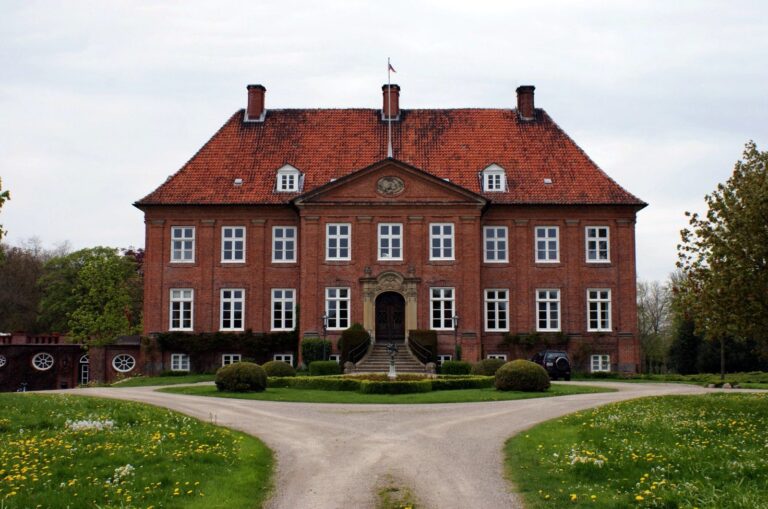
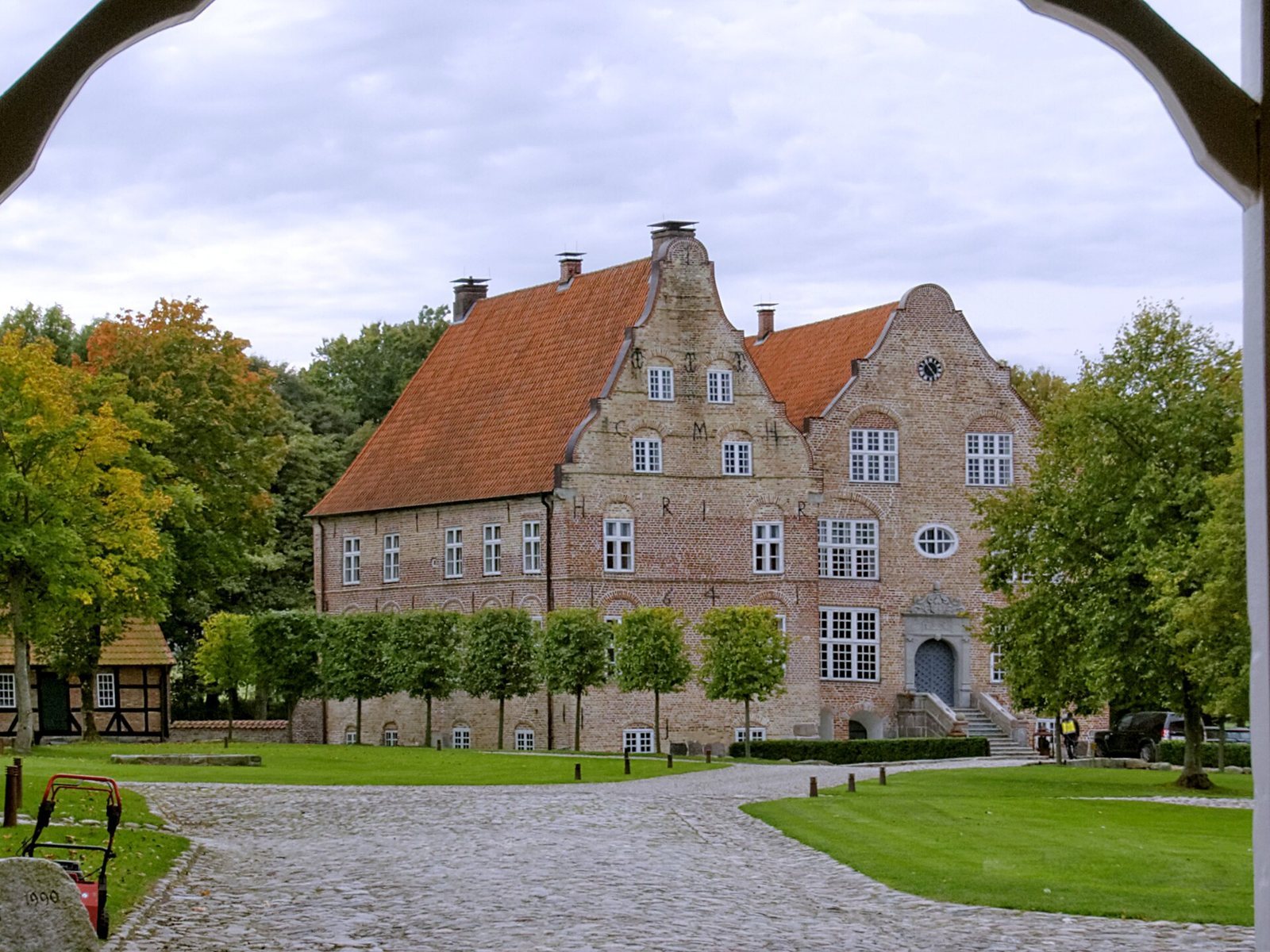
The manor house comprises two gabled sections joined along their eaves sides in the style of the period, but set at an offset to one another. Asmus von Rumohr built the oldest section in 1590, and his grandson Heinrich added the left wing in 1641. Inside, the old-fashioned knights’ hall has an open hearth. A wall painting dated 1640 presents an emblem of a young nobleman hunting with a falcon and the motto “To wish but be unable is painful.” The design draws on an emblem in Daniel Cramer’s Octaginta Emblemata moralia, published in Frankfurt in 1630.